
Steel Standards 2026: Why KEBS Certification Matters for Your Residential Reinforcement
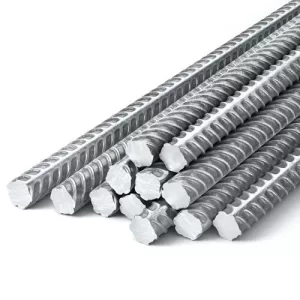
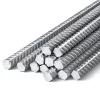
In Kenya’s growing construction market, residential projects are under increasing scrutiny for safety, durability, and compliance. Steel reinforcement—commonly referred to as rebar—is critical to the structural integrity of homes, apartment complexes, and villas. Choosing KEBS-certified steel ensures that your reinforcement meets national and international standards, reducing risks of corrosion, structural failure, and financial loss. This guide explores the importance of KEBS certification, the latest steel standards in 2026, and practical advice for homeowners and contractors in Kenya.
What Is KEBS Certification and Why Is It Important for Steel?
Direct Answer:
KEBS (Kenya Bureau of Standards) certification verifies that steel reinforcement meets national quality standards for strength, composition, and durability. Using non-certified steel can compromise structural safety, void insurance claims, and violate National Building Code 2024 requirements.
KEBS certification involves rigorous testing of steel bars for:
-
Chemical composition: Ensuring proper carbon, manganese, and other alloy contents.
-
Mechanical properties: Tensile strength, elongation, and bendability.
-
Dimensional accuracy: Correct diameter and weight per meter, as per KEBS 2025 Standards Levy.
-
Traceability: Verified manufacturing records and KRA eTIMS-compliant invoices for tax deductions on construction projects.
For verified steel options, explore BHD’s MS Steel products, all KEBS-certified and compliant with 2026 regulations.
What Are the 2026 Steel Standards for Residential Reinforcement in Kenya?
Direct Answer:
The 2026 steel standards specify tensile strength, yield limits, and corrosion resistance for residential reinforcement to comply with safety and durability requirements.
Key 2026 Standards:
| Standard Aspect | Requirement (Residential) | Reference |
|---|---|---|
| Yield Strength | 500–550 MPa | KEBS KS 1757:2026 |
| Ultimate Tensile Strength | ≥ 600 MPa | KEBS KS 1757:2026 |
| Elongation at Break | ≥ 14% | KEBS KS 1757:2026 |
| Diameter Tolerance | ±0.5 mm | KEBS KS 1757:2026 |
| Bendability | 180° without cracking | National Building Code 2024 |
| Corrosion Resistance | Hot-rolled deformed bars with rib profile | KEBS 2025 Standards Levy |
These standards ensure that residential steel reinforcement can withstand Kenya’s climatic variations, including coastal humidity in Mombasa and temperature fluctuations in Nairobi and Eldoret.
How Does KEBS Certification Protect Your Residential Project?
Direct Answer:
KEBS-certified steel minimizes structural risks, ensures insurance coverage, and provides legal compliance under Kenya’s building regulations.
Benefits include:
-
Safety Assurance: Certified steel meets mechanical properties to prevent cracking, sagging, or structural failure.
-
Warranty and Accountability: KEBS traceable bars ensure suppliers are liable for defects.
-
Regulatory Compliance: Satisfies National Building Code 2024 and KRA tax deduction validation requirements.
-
Resale Value: Homes built with certified materials maintain higher market value.
Choosing uncertified steel may lead to building collapses, higher maintenance costs, and potential legal consequences.
How to Identify KEBS-Certified Steel in Kenya
Direct Answer:
Certified steel carries official KEBS markings, manufacturing batch numbers, and comes with eTIMS-compliant invoices.
Identification Tips:
-
Markings: Look for KS 1757:2026 stamps or laser-engraved logos on each bar.
-
Batch Traceability: Supplier should provide manufacturing date, mill, and batch number.
-
Certification Documentation: KEBS certificate and testing report must accompany the shipment.
-
Purchase from Reputable Suppliers: BHD offers fully certified MS Steel products here.
Ensuring verification at purchase prevents the use of substandard steel that can compromise safety and ROI.
What Are the Cost Implications of Using KEBS-Certified Steel?
Direct Answer:
While KEBS-certified steel may be slightly more expensive upfront, it reduces long-term maintenance costs and structural risks.
Cost Comparison (Residential Project, 100 m² slab):
| Steel Type | Cost per Ton (KES) | Estimated Lifespan | Maintenance |
|---|---|---|---|
| KEBS-Certified MS Steel | 150,000–160,000 | 25+ years | Low |
| Non-Certified/Recycled Steel | 120,000–130,000 | 10–15 years | High (corrosion, cracking) |
Financial Insight: Investing in certified steel prevents costly repairs and insurance claims from structural failures, and ensures compliance with KRA eTIMS validation for tax deductions.
How Do Kenyan Climates Affect Steel Performance?
Direct Answer:
Coastal humidity, inland rainfall, and temperature fluctuations can accelerate corrosion and reduce the lifespan of non-certified steel.
-
Coastal Areas (Mombasa, Malindi): Saline air accelerates rust on non-protected steel. KEBS-certified bars often include anti-corrosive coatings suitable for humid environments.
-
Highland Regions (Nairobi, Nakuru, Eldoret): Seasonal rains and temperature swings require steel with proper yield and tensile strength to prevent micro-fractures.
-
Western Kenya (Kisumu, Bungoma): High rainfall and humidity demand steel with precise chemical composition to avoid early degradation.
KEBS-certified steel is tested for local climate resilience, giving homeowners peace of mind.
What Are the Technical Specifications of KEBS-Certified MS Steel?
| Parameter | Standard Metric | Notes for Kenyan Residential Use |
|---|---|---|
| Diameter | 10–25 mm | Common residential bars |
| Weight per Meter | 0.617–3.85 kg | As per KS 1757:2026 |
| Yield Strength | 500–550 MPa | Ensures structural integrity |
| Ultimate Tensile | ≥ 600 MPa | Prevents bar snapping under load |
| Elongation | ≥ 14% | Reduces brittle failure |
| Rib Pattern | Deformed | Improves concrete bonding |
| Coating | Mill-finished / Epoxy-coated | Optional for coastal regions |
BHD provides full technical specs and bulk ordering options for residential construction.
How to Calculate ROI for Using KEBS-Certified Steel
Direct Answer:
ROI considers upfront costs versus long-term durability, maintenance, and insurance savings.
Example Calculation (Residential Slab, 50 Tons):
| Component | KES |
|---|---|
| KEBS-Certified Steel Cost | 7,500,000 |
| Maintenance Over 25 Years | 100,000/year |
| Non-Certified Steel Maintenance | 400,000/year |
| Total Maintenance Savings | (400,000–100,000) × 25 = 7,500,000 |
| Net ROI | ~100% over lifespan |
Investing in certified steel pays for itself over the building’s lifespan through reduced repair costs, insurance premiums, and structural safety.
Common Mistakes Homeowners Make Regarding Steel in Kenya
Direct Answer:
Ignoring KEBS certification, buying from unverified suppliers, and improper storage are the most common mistakes.
-
Purchasing steel without KEBS marks or certification.
-
Storing bars exposed to rain or humidity, causing early corrosion.
-
Using non-standard diameters that do not comply with design loads.
-
Failing to verify KRA eTIMS invoices for tax purposes.
BHD provides verified MS Steel with delivery support to avoid these pitfalls.
Where to Source KEBS-Certified Steel in Kenya
Direct Answer:
BHD supplies high-grade MS Steel that is KEBS-certified, eTIMS-compliant, and ready for residential reinforcement projects.
Delivery Highlights:
-
Nairobi: Same-day delivery
-
Countrywide: Next-day delivery to Nakuru, Kisumu, Mombasa, Eldoret, Thika, Meru, Kitengela, Malindi
Contact BHD for quotes and technical consultation:
burhanihardwaredealers [at] yahoo.com
+254 731 217 462 | +254 704 606 131
https://bhd.co.ke
Industrial Area, Funzi Road, Nairobi
Conclusion: Why KEBS-Certified Steel Is a Smart Choice for Residential Projects
Direct Answer:
KEBS-certified steel ensures structural safety, regulatory compliance, and long-term cost savings for residential construction in Kenya. Its durability, traceability, and performance under local climates make it a reliable investment for homeowners, developers, and contractors aiming for quality and peace of mind.
Choosing certified steel from trusted suppliers like BHD guarantees compliance with KEBS 2025 Standards Levy, National Building Code 2024, and KRA eTIMS validation for construction tax deductions.










Leave a reply