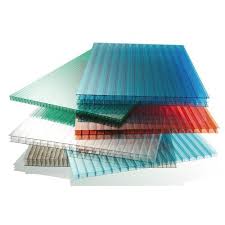
Polycarbonate sheets
Hollow sheets span wide areas cheaply; solid sheets are clear and will not shatter. UV-protected polycarbonate stocked in Nairobi, delivered countrywide.
Browse Subcategories
Products
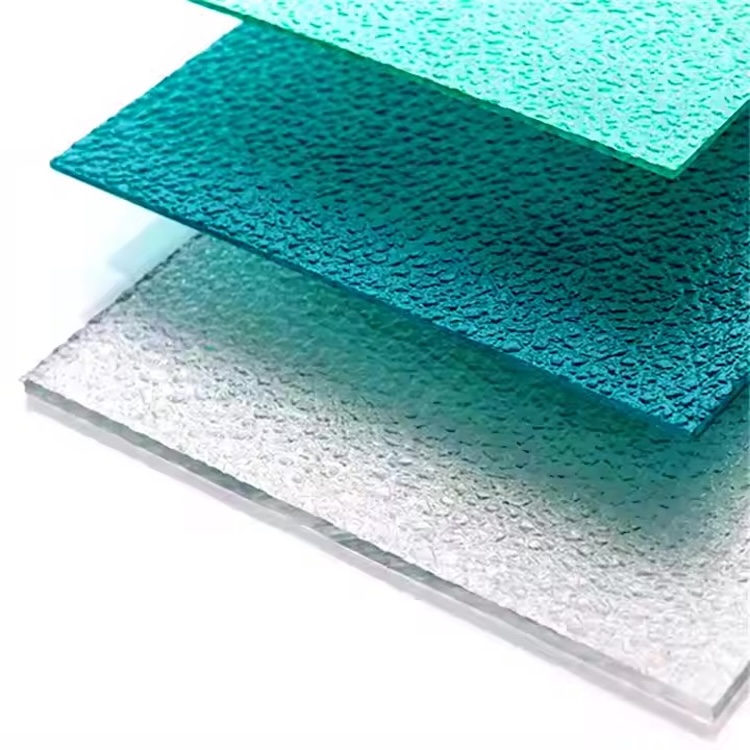
Embossed Solid Polycarbonate Sheet – UV-Protected Textured Strength
Embossed Solid Polycarbonate Sheet – UV-Protected Textured Strength — Embossed Solid Polycarbonate Sheets are textured UV-protected panels offering decorative diffusion plus the full impact strength of solid polycarbonate. Ideal for Kenyan showers, partitions, bathroom enclosures, decorative ceilings, and any application where privacy, diffused light, and virtually unbreakable performance are required.
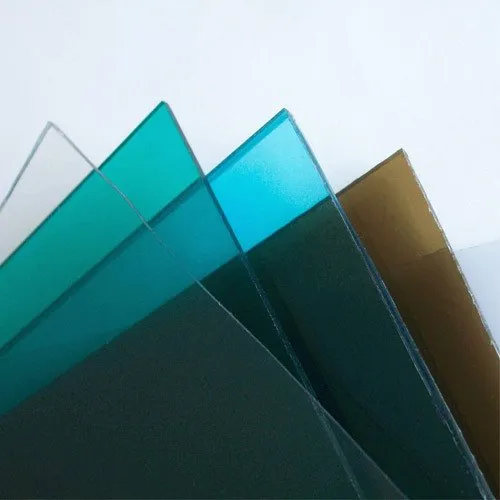
Solid Polycarbonate Sheets
Solid Polycarbonate Sheets — Solid Polycarbonate Sheets are high-clarity, non-shattering thermoplastic panels up to 200× stronger than glass. In Kenya they are the preferred glazing for skylights, canopies, walkways, security screens, and public-building roofing where impact safety, UV resistance, and long service life are critical.

Egyptian Hollow Polycarbonate Sheets
Egyptian Hollow Polycarbonate Sheets — Egyptian Hollow Polycarbonate Sheets are premium-grade multi-wall panels offering superior thermal insulation, higher load capacity, and longer spans than standard hollow sheets. They are the Kenyan contractor's first choice for commercial canopies, industrial skylights, and high-end residential roofing where durability and performance matter.

Chinese Hollow Polycarbonate Sheets
Chinese Hollow Polycarbonate Sheets — Chinese Hollow Polycarbonate Sheets are economical twin-wall cellular panels engineered for cost-effective transparent roofing across Kenya. Lightweight, UV-protected, and impact-resistant, they are the preferred choice for carports, walkways, pergolas, and residential patios where budget and thermal insulation matter.
Polycarbonate sheets are rigid, UV-protected thermoplastic panels used across Kenya wherever a roof or screen needs to let daylight through without the weight, fragility or cost of glass. They carry the light of a glazed roof with the resilience of a structural panel, which is why they have become the default for carports, walkways, skylights, greenhouses, canopies and covered patios from Nairobi to the coast.
BHD Kenya supplies both hollow (multiwall) and solid polycarbonate sheets from its Nairobi yard, with delivery countrywide. This page explains the difference, where each one belongs, and how to specify the right sheet for your project.
Hollow vs solid polycarbonate: the decision that matters most
Almost every polycarbonate question in Kenya comes back to this one choice. The two are not interchangeable, and the cheaper option is not always the wrong one.
Hollow (multiwall / twin-wall) polycarbonate sheets
Hollow sheets are extruded with internal flutes running the length of the sheet, creating air chambers between two or more skins. Those chambers do three useful things: they carry load over a span far better than the sheet's weight suggests, they insulate against heat transfer, and they dampen the drumming of heavy rain. Because the sheet is mostly air by volume, it is light to lift, easy to cut on site, and the most economical way to cover a large transparent area.
Hollow is the right choice for carports and car shades, pergolas, walkway and corridor roofing, greenhouse glazing, and any wide span where the priority is covering area affordably while keeping the space bright and cooler than it would be under iron sheets.
The trade-off is appearance and point strength. The flutes are visible, the view through the sheet is diffused rather than clear, and a hollow sheet will not take a concentrated impact the way a solid one will.
Solid polycarbonate sheets
Solid sheets are a single continuous layer with no chambers. They are optically clear, and they are the reason polycarbonate has its reputation for strength — solid polycarbonate is far more impact-resistant than glass of the same thickness and does not shatter into fragments when it fails. It bends, or it cracks, but it stays in place.
Solid is the right choice for skylights over occupied space, security screens and glazing, machine guards, shopfronts, balustrades, partitions, and anywhere a genuinely clear view or a safety-critical barrier is required. It is heavier per square metre than hollow and costs more for the same coverage, so it is specified where clarity or impact safety justify it rather than as a general roofing sheet.
Embossed and tinted options
Beyond clear, polycarbonate is available with a textured (embossed) surface and in tinted and opal finishes. Embossed solid sheet keeps the full impact strength of solid polycarbonate while scattering light and obscuring the view through it, which makes it the practical choice for shower screens, bathroom enclosures, partitions and decorative ceilings. Tinted and opal sheets cut glare and solar gain, and are worth considering on west-facing walkways and anywhere a clear sheet would make the space uncomfortably bright or hot.
Why UV protection is the specification to check
This is the single most important thing to get right, and the easiest to get wrong when buying on price alone. Polycarbonate degrades under sustained ultraviolet exposure unless it is manufactured with a co-extruded UV-resistant layer on the weather-facing side. Kenya's equatorial sun is unforgiving: an unprotected or thinly protected sheet will yellow, go brittle and begin to craze, and once that starts it cannot be reversed.
A properly UV-protected sheet is marked on the protective film so the coated face can be installed outward, and it holds its clarity and its strength for years rather than seasons. Sheets sold well below the prevailing market rate are very often either uncoated or coated to a lower specification, which is why the cheapest sheet is frequently the most expensive decision on the project. If UV protection is not stated in writing, treat it as absent.
Specifying your sheets
Hollow polycarbonate is specified by its overall thickness and its wall structure — twin-wall, triple-wall or multiwall — because both determine how far it will span and how well it insulates. Solid polycarbonate is specified by thickness alone. In both cases the sheet length and width, the colour or tint, and the purlin spacing your structure provides will determine what is suitable.
Polycarbonate also expands and contracts noticeably with temperature, so fixing holes must be oversized and fitted with the correct washers rather than driven tight, and the sheet must be supported at the spacing its thickness allows. Getting this wrong is the most common cause of a polycarbonate roof leaking or cracking around the fixings within its first year.
Tell BHD the span you need to cover, the structure you are fixing to and whether you need clarity or diffusion, and the team will confirm the current stocked thicknesses, sheet sizes, tints and accessories that suit it, along with current rates.
Accessories are part of the specification
A polycarbonate roof is only as good as the parts that close it. Hollow sheets must have their open flutes sealed at both ends — breathable tape at the lower edge and solid tape at the top — or the chambers will fill with dust, insects and condensation and the roof will look dirty from beneath within months. H-connectors join sheets along their length, U-profiles cap the ends, and purpose-made screws with bonded washers seal the fixing points while allowing the sheet to move. BHD supplies these alongside the sheets, and specifying them at the same time avoids the improvised fixes that shorten a roof's life.
Where polycarbonate is used across Kenya
- Carports, car shades and porches — hollow sheet for economical cover, solid where falling debris or security is a concern.
- Skylights and roof lights — solid sheet over occupied space, because it will not shatter onto people below.
- Greenhouses and nurseries — hollow sheet for its insulation and diffused light, which spreads growing light more evenly than clear glazing.
- Walkways, corridors and pergolas — hollow sheet, often tinted to manage heat and glare.
- Shopfronts, partitions and screens — solid or embossed sheet, chosen for clarity or privacy.
- Industrial and commercial roofing — translucent polycarbonate lets daylight into warehouses and reduces the daytime lighting load.
Buying polycarbonate sheets in Kenya
BHD Kenya is a supplier and stockist, not a manufacturer, which means the range is selected rather than whatever a single factory happens to produce. Sheets are held in Nairobi for collection or delivery countrywide, and the team will advise on thickness, span and accessories for the job rather than simply filling an order. What you pay depends on whether the sheet is hollow or solid, its thickness, the sheet size and the quantity, so contact BHD with your dimensions for current rates and availability.
Need Polycarbonate sheets?
Contact us for pricing, specifications, and delivery options across Kenya.