
A Guide to TMT Bars in Kenya: Ductility, Bendability, and Earthquake-Resistant Construction
In 2026, TMT (Thermo-Mechanically Treated) bars have become the cornerstone of safe, durable, and earthquake-resistant construction in Kenya. From residential apartments in Nairobi to commercial complexes along the coast, developers and contractors increasingly rely on KEBS-certified TMT bars for reinforcement in concrete structures.
This guide covers ductility, bendability, strength specifications, installation best practices, and seismic resilience, providing Kenyan builders with practical, technical, and compliance-focused insights.
What Are TMT Bars and Why They Are Essential in Kenya
Direct Answer:
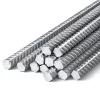
TMT bars are high-strength, cold-rolled steel reinforcement bars with a hardened outer layer and a ductile core, ideal for earthquake-resistant and high-load structures. Their combination of strength, flexibility, and KEBS certification makes them a preferred choice for Kenyan construction projects.
Key Features:
-
Ductile Core: Allows controlled deformation under stress without fracturing.
-
Hardened Outer Layer: Provides superior tensile strength and wear resistance.
-
Corrosion Resistance: KEBS-approved coatings and alloy composition reduce rusting, critical in coastal areas like Mombasa.
-
Compliance: Meets KEBS 2025 Standards Levy and aligns with National Building Code 2024 seismic requirements.
BHD provides high-grade TMT bars suitable for all Kenyan construction projects:
MS Steel & TMT Bars
Understanding Ductility in TMT Bars
Direct Answer:
Ductility measures a TMT bar’s ability to deform under stress without failure, crucial for earthquake resistance and structural safety.
Why Ductility Matters in Kenya:
-
Seismic Zones: Nairobi, Nakuru, and Eldoret are in moderate seismic zones. Ductile bars absorb energy during tremors.
-
High-Rise Structures: Multi-story buildings rely on ductile bars to prevent brittle fractures under load.
-
Code Compliance: National Building Code 2024 mandates ductile reinforcement for earthquake-resistant design.
TMT Bar Ductility Grades in Kenya:
| Grade | Yield Strength (MPa) | Ductility Index (%) | Recommended Use |
|---|---|---|---|
| Fe 500 | 500 | 14–16 | Residential slabs, beams, columns |
| Fe 550 | 550 | 12–14 | Medium-rise commercial buildings |
| Fe 600 | 600 | 10–12 | High-rise structures, seismic zones |
Higher ductility ensures bars can bend and absorb seismic energy without sudden failure.
Bendability and Workability of TMT Bars
Direct Answer:
Bendability allows TMT bars to be shaped into reinforcement cages, stirrups, and custom structural forms without cracking.
Key Guidelines for Kenyan Projects:
-
Avoid bending bars beyond 180° without preheating in cold weather.
-
Use mandrels or professional bending tools to maintain bar integrity.
-
Follow KEBS-approved minimum bend diameters for different bar diameters:
| Bar Diameter (mm) | Minimum Bend Radius (mm) | Notes |
|---|---|---|
| 8–12 | 80 | Residential beams and slabs |
| 16–20 | 120 | Medium-rise columns |
| 25–32 | 200 | High-rise or seismic reinforcement |
Proper bending maintains the ductile core integrity, ensuring seismic performance.
TMT Bars and Earthquake-Resistant Construction
Direct Answer:
Earthquake-resistant structures require TMT bars with a combination of high ductility, strength, and proper placement in concrete frameworks.
Seismic Design Principles:
-
Confined Columns: Use closely spaced stirrups to prevent column buckling.
-
Beam-Column Joints: Ensure proper lap lengths and overlap bars per KEBS 2025 standards.
-
Energy Dissipation: Ductile bars absorb and redistribute seismic energy.
-
Redundancy: Multiple TMT bars in beams and slabs improve load-sharing during tremors.
BHD provides guidance on matching TMT bar grades to project specifications, ensuring compliance with National Building Code 2024 seismic safety standards.
Selecting the Right TMT Bar for Kenyan Projects
Direct Answer:
Choosing the correct TMT bar grade, diameter, and length ensures structural integrity, cost-effectiveness, and KEBS compliance.
Considerations:
-
Structural Design Load: High-rise or heavy-load structures require Fe 550 or Fe 600.
-
Environmental Conditions: Coastal areas need corrosion-resistant coatings; Nairobi can rely on standard KEBS-approved steel.
-
Beam, Column, or Slab: Use smaller diameters (8–16 mm) for slabs, larger (20–32 mm) for columns and beams.
-
Cost vs. Performance: Lifecycle analysis favors slightly higher-grade TMT bars for long-term durability.
BHD offers pre-cut and standard-length TMT bars suitable for Kenyan residential, commercial, and industrial projects:
Order TMT Bars
Installation Best Practices in Kenya
Direct Answer:
Correct handling, placement, and tying of TMT bars maximizes ductility, strength, and seismic resilience.
Step-by-Step:
-
Storage: Keep TMT bars off the ground to avoid moisture exposure.
-
Cutting: Use approved mechanical cutters; avoid torch cutting which can reduce strength.
-
Bending: Follow KEBS minimum bend diameters; preheat in cold regions if needed.
-
Tying: Use binding wire (gauge 16–18) to secure bars without deforming them.
-
Concrete Pouring: Ensure proper concrete cover (25–50 mm) to protect against corrosion.
BHD supplies high-quality binding wire and steel accessories to complement TMT installations:
Binding Wire & Accessories
Maintenance and Inspection
Direct Answer:
Regular inspection and proper handling of TMT bars during construction prevent corrosion and ensure long-term structural performance.
-
Inspect for surface rust; light rust can be cleaned before concrete pouring.
-
Avoid prolonged exposure to water without concrete cover.
-
Ensure no mechanical damage occurs during transportation.
-
Document bar placement and grade for audit and compliance purposes.
Delivery and Availability Across Kenya
Direct Answer:
BHD supplies KEBS-certified TMT bars with same-day delivery in Nairobi and next-day delivery nationwide, ensuring timely project execution.
Delivery Highlights:
-
Nairobi: Same-day delivery
-
Countrywide: Nakuru, Kisumu, Mombasa, Eldoret, Thika, Meru, Kitengela, Malindi
Contact BHD:
burhanihardwaredealers [at] yahoo.com
+254 731 217 462 | +254 704 606 131
https://bhd.co.ke
Industrial Area, Funzi Road, Nairobi
Conclusion: Why TMT Bars Are Essential for Kenyan Construction in 2026
Direct Answer:
TMT bars combine high ductility, bendability, and seismic resilience, making them ideal for modern Kenyan residential, commercial, and industrial structures. By selecting KEBS-certified bars, following proper installation practices, and integrating them into well-designed concrete frameworks, builders ensure safe, durable, and code-compliant structures that withstand both load stresses and earthquakes.
BHD provides TMT bars, binding wire, and steel accessories, fully compliant with KEBS 2025 Standards Levy and National Building Code 2024, enabling Kenyan developers to construct earthquake-resistant and long-lasting buildings.









Leave a reply