

Ceiling Materials Kenya: Best Options for 2026 | BHD Kenya

Quick answer
The ceiling materials used most in Kenya are gypsum board, PVC ceiling panels, WPC panels and decorative composite boards. Gypsum gives the smoothest painted finish and suits shaped or lit ceilings; PVC handles bathrooms and kitchens because it shrugs off moisture; WPC and composite boards are chosen for feature ceilings where texture or a timber look is wanted.
The best ceiling material in Kenya depends on the room, moisture exposure, desired finish, maintenance requirements and budget. Gypsum is usually preferred for smooth, highly designed interiors, PVC for moisture-prone areas, WPC for decorative feature ceilings, and marble boards for selected premium interior applications.
Ceilings do more than hide the underside of a roof or slab. They affect lighting, ventilation, room proportions, maintenance and the overall appearance of an interior.
For Kenyan projects, material selection should also consider local climate. A ceiling in a humid coastal property may face very different conditions from one in a dry Nairobi interior.
The National Building Code 2024 provides the current regulatory framework for building construction in Kenya, including requirements relevant to building materials, safety and internal building elements.
This guide compares the main ceiling materials used for modern Kenyan homes and commercial interiors.
What Are the Best Ceiling Materials in Kenya?
Gypsum, PVC, WPC and selected decorative board systems are among the main ceiling-material options for Kenyan interiors. The best choice depends on whether the priority is design flexibility, moisture resistance, easy maintenance, decorative appearance or project cost.
A practical comparison is:
| Material | Best Use | Moisture Resistance | Design Flexibility | Maintenance |
|---|---|---|---|---|
| Gypsum | Living rooms, bedrooms, offices | Moderate/limited for standard board | Excellent | Moderate |
| PVC | Bathrooms, kitchens, laundry areas | High | Moderate | Low |
| WPC | Decorative feature ceilings | Product-dependent | High | Low |
| Marble board | Premium decorative interiors | Product-dependent | High | Low |
| Fibre cement | Selected interior/exterior applications | High | Moderate | Low |
| Timber | Premium/natural interiors | Requires protection | High | Moderate |
The material should be selected according to the actual environment rather than appearance alone.
What Is a Gypsum Ceiling?
A gypsum ceiling uses gypsum boards fixed to a supporting metal framework and finished to create a smooth, continuous surface. It is particularly suitable for living rooms, bedrooms, offices and other dry interiors where concealed lighting and customised ceiling designs are important.
Gypsum remains one of the most versatile ceiling systems available.
It can be shaped into:
- Coffered ceilings
- Tray ceilings
- Drops
- Bulkheads
- Curved details
- Recessed sections
- Lighting coves
It also provides a smooth surface that can be painted to match the interior.
A typical gypsum ceiling requires:
- Metal framing
- Gypsum boards
- Screws and fixings
- Jointing materials
- Corner reinforcement where required
- Primer
- Paint
- Electrical and lighting coordination
The quality of the framework and finishing work has a major effect on the final result.
Advantages of Gypsum
- Smooth appearance
- Excellent design flexibility
- Easy integration of recessed lighting
- Paintable
- Suitable for modern interiors
- Can conceal services
- Good fire-performance characteristics when the appropriate board/system is specified
The National Building Code 2024 includes gypsum among materials addressed in its building-material and fire-safety provisions, but the performance of a complete ceiling assembly depends on the specific board, construction and application.
Limitations
Standard gypsum should not be treated as waterproof.
A leaking roof, persistent condensation or poorly ventilated wet room can damage an unsuitable gypsum board.
Moisture-resistant board systems are available for appropriate applications.
What Is a PVC Ceiling?
PVC ceilings use lightweight polyvinyl chloride panels that are joined over a supporting framework. They are particularly useful in bathrooms, kitchens, laundry areas and other locations where moisture resistance and easy cleaning are important.
PVC has become popular because installation can be relatively quick compared with a fully finished gypsum ceiling.
Common advantages include:
- Moisture resistance
- Easy cleaning
- Lightweight panels
- Low maintenance
- No routine repainting
- Multiple decorative finishes
PVC panels can be supplied in:
- Plain finishes
- Wood-effect finishes
- Gloss finishes
- Textured designs
- Patterned finishes
Where Is PVC Best Used?
PVC is particularly useful for:
- Bathrooms
- Kitchens
- Laundry rooms
- Utility rooms
- Selected verandas
- Humid interiors
However, the product's specifications should be checked before using it in areas exposed to direct weather.
Some PVC panels can also discolour or degrade under prolonged direct UV exposure, so exterior use should be product-specific.
Is PVC Better Than Gypsum for Wet Areas?
PVC is generally the more practical choice than standard gypsum for areas with frequent moisture because it does not absorb water in the same way as conventional gypsum board. Gypsum can still be used where an appropriate moisture-resistant system has been specified and the room is properly ventilated.
For example:
| Room | Practical Choice |
|---|---|
| Living room | Gypsum |
| Bedroom | Gypsum |
| Dining room | Gypsum |
| Bathroom | PVC |
| Laundry | PVC |
| Humid utility area | PVC |
| Kitchen | PVC or suitable gypsum system |
| Office | Gypsum |
| Covered veranda | Product-specific PVC |
This room-by-room approach can be more economical than using one material throughout an entire house.
What Are WPC Ceiling Panels?
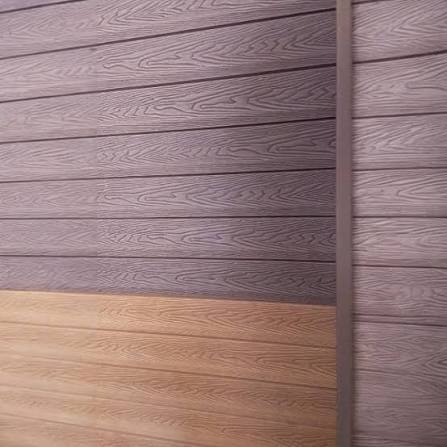
WPC ceiling panels are wood-plastic composite decorative panels that can provide textured, fluted or wood-effect finishes. They are useful when the ceiling is intended to form part of the interior design rather than simply provide a plain overhead surface.
WPC means Wood-Plastic Composite.
The material combines wood-based material with polymer components.
WPC is already widely used for decorative interior walls, and similar design principles can be applied to suitable ceiling products.
Potential applications include:
- Feature ceilings
- TV-room ceilings
- Reception areas
- Hotel interiors
- Restaurant interiors
- Modern living spaces
However, not every WPC wall panel is automatically suitable for ceiling installation.
Before installation, confirm:
- Panel weight
- Manufacturer-approved application
- Fixing method
- Supporting framework
- Fire-performance requirements
- Moisture performance
For BHD's decorative WPC options, see the WPC wall panels catalog.
Are Marble Boards Suitable for Ceilings?
Marble boards can provide a premium decorative finish, but they should only be used overhead when the specific product and fixing system are designed for ceiling installation. Their suitability depends on panel weight, dimensions, structural support and manufacturer requirements.
Marble boards are more commonly associated with:
- Feature walls
- TV walls
- Reception areas
- Hotel interiors
- Decorative cladding
BHD's marble boards can be considered for architectural finishing applications where the product specification is appropriate.
For overhead installation, do not rely solely on adhesive without confirming that the fixing system is suitable for the panel and ceiling substrate.
Gravity changes the installation requirements.
What Is the Best Ceiling Material for a Living Room?
Gypsum is usually the strongest choice for a modern living-room ceiling because it provides a smooth finish and allows recessed lighting, coves, drops and other architectural details. WPC or another decorative panel can be considered when a more textured or timber-inspired ceiling is desired.
A modern living room may use:
Gypsum + recessed lights + concealed LED
or:
WPC feature ceiling + integrated lighting
The choice depends on the interior concept.
Gypsum is particularly useful when the ceiling needs to visually disappear into the architecture.
WPC is more appropriate when the ceiling itself is intended to become a design feature.
What Is the Best Ceiling Material for Bedrooms?
Gypsum is commonly suitable for bedrooms because it provides a clean, quiet-looking surface and can accommodate simple coves or recessed lighting. WPC can be used where the design calls for a warmer, wood-effect or textured finish.
For a minimalist bedroom:
- Flat gypsum
- Recessed downlights
- Simple painted finish
For a contemporary bedroom:
- Gypsum tray ceiling
- Concealed LED
- Decorative WPC feature
Avoid making the ceiling excessively elaborate in a small bedroom because multiple drops can make the room feel visually lower.
What Is the Best Ceiling Material for Bathrooms?
PVC is generally one of the most practical ceiling materials for bathrooms because it handles moisture well and is easy to clean. The supporting framework, ventilation and electrical installation still need to be properly designed.
Bathrooms experience:
- Steam
- Condensation
- Water splashes
- High humidity
PVC reduces concerns associated with moisture-sensitive standard gypsum.
However, the ceiling should still have appropriate ventilation.
A ceiling material does not solve a ventilation problem.
What Is the Best Ceiling Material for Kitchens?
PVC is a practical choice for kitchens where moisture, steam and cleaning are concerns, while gypsum can provide a more seamless appearance in open-plan kitchens when the appropriate board and environmental conditions are used.
Kitchen selection depends on layout.
For a separate kitchen:
PVC can be highly practical.
For an open-plan kitchen connected to the living room:
Gypsum can provide visual continuity.
Where grease and steam are significant, cleaning requirements should be considered when selecting the finish.
What Ceiling Material Is Best for Coastal Kenya?
PVC or another appropriately moisture-resistant ceiling system can be advantageous in humid coastal areas such as Mombasa and Malindi, particularly in rooms exposed to persistent humidity. Gypsum can still perform well in dry, properly ventilated interiors when the correct board and construction system are used.
Coastal conditions can involve:
- High humidity
- Salt-laden air
- Condensation
- Moisture
- Corrosion of metal components
Therefore, the ceiling system must be considered as a complete assembly.
This includes:
- Panel or board
- Framing
- Screws
- Hangers
- Finishes
- Ventilation
A moisture-resistant panel cannot compensate for a leaking roof.
What Ceiling Material Is Best for Nairobi?
Nairobi offers greater flexibility because many interior spaces experience relatively controlled moisture conditions, making gypsum a strong option for living rooms, bedrooms and offices. PVC remains useful in bathrooms, kitchens and other moisture-prone spaces.
A typical Nairobi home could therefore use:
- Gypsum in living room
- Gypsum in bedrooms
- Gypsum in dining area
- PVC in bathrooms
- PVC in laundry
- PVC or suitable system in kitchen
This mixed-material approach can balance appearance, performance and cost.
What Ceiling Materials Work in Commercial Buildings?
Commercial buildings may require different ceiling systems depending on occupancy, fire performance, acoustic requirements, maintenance access and building services. Material selection should therefore be coordinated with the building design and applicable regulatory requirements rather than based only on appearance.
Common options include:
- Gypsum board systems
- PVC in selected areas
- Acoustic ceiling tiles
- Mineral fibre systems
- Fibre cement boards
- Metal ceiling systems
Commercial projects often require additional consideration of:
- Fire safety
- HVAC
- Electrical services
- Emergency systems
- Maintenance access
- Acoustic control
The National Building Code 2024 provides requirements relating to building safety and construction in Kenya, so project specifications should be checked against the applicable provisions.
How Do You Compare Ceiling Materials?
The most useful comparison considers moisture resistance, fire performance, weight, appearance, installation, maintenance, service integration and total project cost. A material that is inexpensive to purchase may not be the least expensive option after installation and maintenance are included.
Ceiling Materials Comparison Table
| Parameter | Gypsum | PVC | WPC | Marble Board |
|---|---|---|---|---|
| Main material | Gypsum board | PVC | Wood-plastic composite | Decorative composite/board |
| Appearance | Smooth | Panelled | Textured/wood-effect | Stone/marble effect |
| Moisture resistance | Product-dependent | High | Product-dependent | Product-dependent |
| Design flexibility | Excellent | Moderate | High | High |
| Painting | Yes | Generally no | Usually factory finished | Usually factory finished |
| Cleaning | Moderate | Easy | Easy | Easy, product-dependent |
| Lighting integration | Excellent | Moderate | Product-specific | Product-specific |
| Weight | Moderate | Light | Product-specific | Product-specific |
| Installation | Framework + finishing | Framework + panels | Product-specific | Product-specific |
| Best application | Dry interiors | Wet/humid areas | Decorative interiors | Premium decorative areas |
The table is a selection guide rather than a substitute for the technical specifications of a particular product.
What Specifications Should You Check Before Buying Ceiling Materials?
Contractors should check dimensions, thickness, weight, moisture performance, fire performance, fixing method and intended application before purchasing ceiling materials. These details determine whether the product is suitable for the room and supporting structure.
Ceiling Material Specification Checklist
| Parameter | What to Confirm |
|---|---|
| Material | Exact material type |
| Panel/board size | Length × width |
| Thickness | Manufacturer specification |
| Weight | kg per panel/m² |
| Moisture rating | Intended humidity exposure |
| Fire performance | Applicable classification/test |
| Fixing system | Approved installation method |
| Framework | Required support system |
| Finish | Paintable/factory finish |
| Application | Interior/exterior |
| Maintenance | Cleaning requirements |
| Manufacturer | Product source and documentation |
Do not use a generic specification for an actual construction project.
The exact product being supplied should be specified.
How Does Ceiling Material Affect Installation Cost?
The total ceiling cost includes the material, framework, labour, finishing, lighting coordination and any additional preparation. Gypsum generally requires more finishing labour, while PVC can be faster to install because it does not require the same plastering, sanding and painting process.
A realistic ceiling budget should account for:
- Ceiling boards/panels
- Metal framework
- Hangers
- Screws
- Jointing materials
- Corners
- Primer
- Paint
- Labour
- Lighting cut-outs
- Access requirements
- Waste
Current market prices vary significantly by product, design, location and labour.
For this reason, a measured quotation is more reliable than applying one nationwide price per square metre.
Which Ceiling Material Requires the Least Maintenance?
PVC generally requires the least routine maintenance because its finished panels can be wiped clean and do not normally require repainting. WPC can also be relatively low-maintenance, while painted gypsum requires periodic inspection and eventual repainting as the finish ages.
Maintenance Comparison
PVC
- Wipe clean
- No routine painting
- Replace damaged panels where appropriate
WPC
- Dust regularly
- Clean according to product instructions
- Inspect joints
Gypsum
- Dust/clean carefully
- Repair cracks or damage
- Repaint when necessary
- Investigate moisture stains immediately
Marble board
- Clean according to manufacturer's instructions
- Inspect joints and edges
What Are Common Ceiling Installation Mistakes?
Most ceiling failures result from poor framework, unsuitable materials, inadequate fixing, moisture problems or insufficient coordination with electrical and mechanical services. Good ceiling installation starts with selecting the correct system before work begins.
Common mistakes include:
Using Standard Gypsum in a Damp Area
Choose an appropriate moisture-resistant system where required.
Poor Framework
An inadequate framework can lead to:
- Sagging
- Cracks
- Uneven surfaces
Ignoring Ceiling Services
Lighting, electrical cables, ventilation and other services should be planned before closing the ceiling.
Using Unsuitable Heavy Panels Overhead
Heavy decorative panels require proper structural support.
Poor Joint Finishing
Visible joints can ruin an otherwise good gypsum installation.
Ignoring Roof Leaks
A ceiling should never be used to hide an unresolved roof problem.
Does the National Building Code 2024 Affect Ceiling Selection?
Yes, ceiling selection and installation should be considered within the applicable requirements of Kenya's National Building Code 2024, particularly where safety, fire performance, building materials and internal building elements are concerned. Project-specific requirements should be confirmed by the responsible design and construction professionals.
The National Construction Authority states that the National Building Code 2024 was published as Legal Notice No. 47 on 1 March 2024 and replaced the previous building by-laws framework.
The Code includes provisions relating to:
- Building materials
- Structural design
- Safety
- Internal and external elements
- Fire considerations
- Building services
- Inspection and maintenance
This is particularly important for commercial and multi-storey projects.
Which Ceiling Material Should You Choose?
Choose gypsum when design flexibility and a seamless finish are priorities, PVC when moisture resistance and easy cleaning matter most, and WPC or marble boards when a decorative feature ceiling is specifically required and the product is approved for overhead use.
A simple decision guide is:
| Your Priority | Best Starting Option |
|---|---|
| Smooth luxury finish | Gypsum |
| Recessed lighting | Gypsum |
| Coffered ceiling | Gypsum |
| Bathroom ceiling | PVC |
| Laundry ceiling | PVC |
| Easy cleaning | PVC |
| Wood-effect feature | WPC |
| Decorative feature ceiling | WPC |
| Marble/stone appearance | Marble board |
| Commercial acoustic control | Acoustic ceiling system |
The final decision should be based on the actual product specifications and building requirements.
Frequently Asked Questions About Ceiling Materials Kenya
The best ceiling material depends on the room's moisture conditions, design requirements, maintenance needs and installation system. For many Kenyan homes, combining gypsum in dry rooms with PVC in wet areas provides a practical balance.
Which ceiling material is best in Kenya?
Gypsum is a strong choice for dry living spaces because of its design flexibility, while PVC is practical for bathrooms, kitchens and other moisture-prone rooms.
Is PVC better than gypsum?
Neither is universally better. PVC is generally better for moisture-prone areas, while gypsum offers superior design flexibility and a seamless finish.
Is WPC good for ceilings?
Suitable WPC ceiling products can provide attractive decorative finishes, but confirm that the exact product is designed and approved for overhead installation.
Are marble boards good for ceilings?
They can be used for selected decorative ceiling applications if the specific panel and fixing system are suitable for overhead installation.
Which ceiling is best for a bathroom?
PVC is generally a practical option because of its moisture resistance and easy-clean surface.
Which ceiling is best for a living room?
Gypsum is commonly preferred because it supports smooth finishes, coves, drops and integrated lighting.
Which ceiling material lasts longest?
Service life depends on the product, installation quality, environmental conditions and maintenance. A properly installed system used in its intended environment can provide long service.
Can you mix ceiling materials in one house?
Yes. Using gypsum in dry living areas and PVC in wet rooms is a practical way to match the material to each room's conditions.
Final Verdict: Best Ceiling Materials for Kenyan Homes
There is no single best ceiling material for every Kenyan building. Gypsum is usually the strongest all-round choice for designed dry interiors, PVC is highly practical for moisture-prone rooms, while WPC and marble boards can provide distinctive decorative finishes when the specific products are suitable for ceiling installation.
For a typical modern home, a sensible specification could be:
- Living room: Gypsum
- Dining room: Gypsum
- Bedrooms: Gypsum
- Bathrooms: PVC
- Laundry: PVC
- Kitchen: PVC or suitable moisture-resistant gypsum system
- Feature ceiling: Suitable WPC
- Premium decorative detail: Product-specific marble board
The important point is to select the ceiling system, not simply the visible panel.
Framework, fixings, moisture conditions, lighting, ventilation and fire requirements all affect performance.
For architectural finishing and construction materials, browse the BHD catalog.
Contact Burhani Hardware Dealers (BHD)
Email: burhanihardwaredealers [at] yahoo.com
Call/WhatsApp: +254 731 217 462 | +254 704 606 131
Visit: BHD, Industrial Area, Funzi Road, Nairobi
Website: https://bhd.co.ke/
Delivery Guarantee:
Same-day delivery within Nairobi.
Next-day delivery countrywide to Nakuru, Kisumu, Mombasa, Eldoret, Thika, Meru, Kitengela and Malindi.
Frequently asked questions

Written & reviewed by
BHD Kenya
Burhani Hardware Dealers (BHD Kenya) is a Nairobi-based supplier of polycarbonate roofing, Alucobond/ACP cladding, Perspex, WPC wall panels and steel products, serving contractors, fabricators and homeowners across Kenya.