

Marble Boards Kenya: 2026 Guide to Uses, Prices & Specs | BHD Kenya
Quick answer
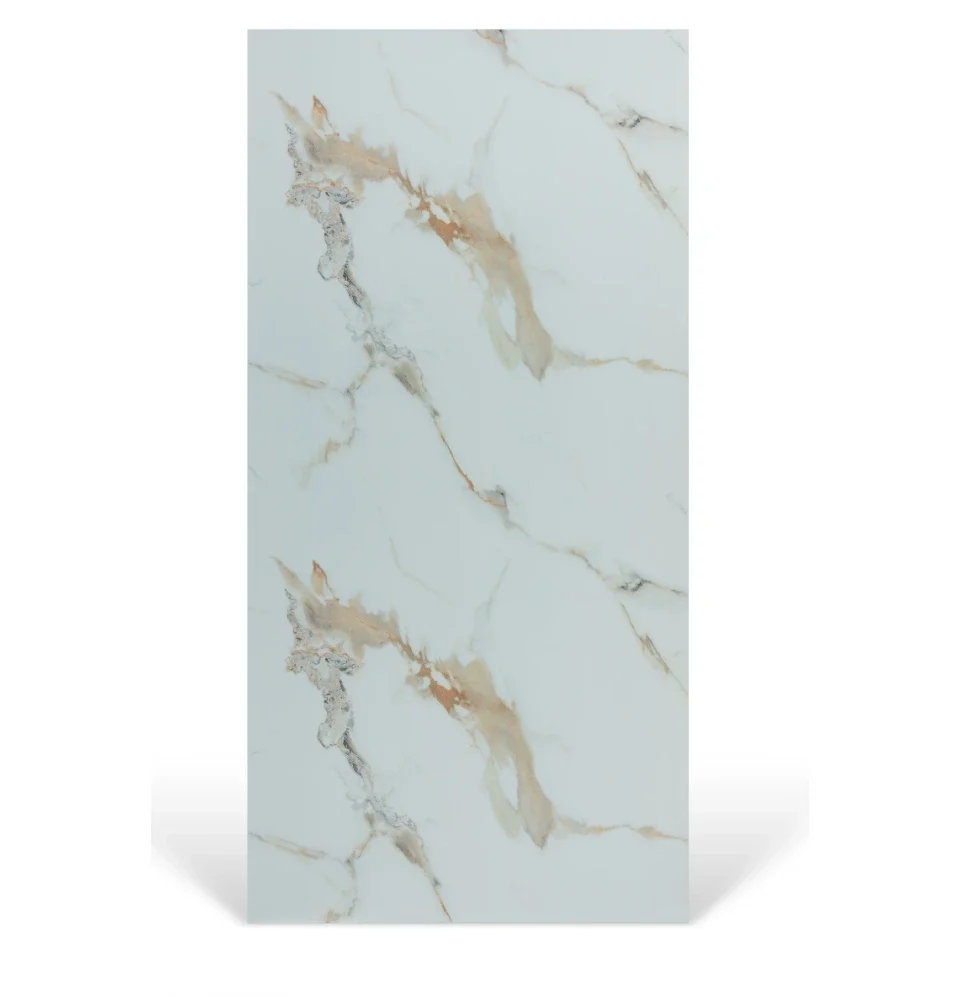
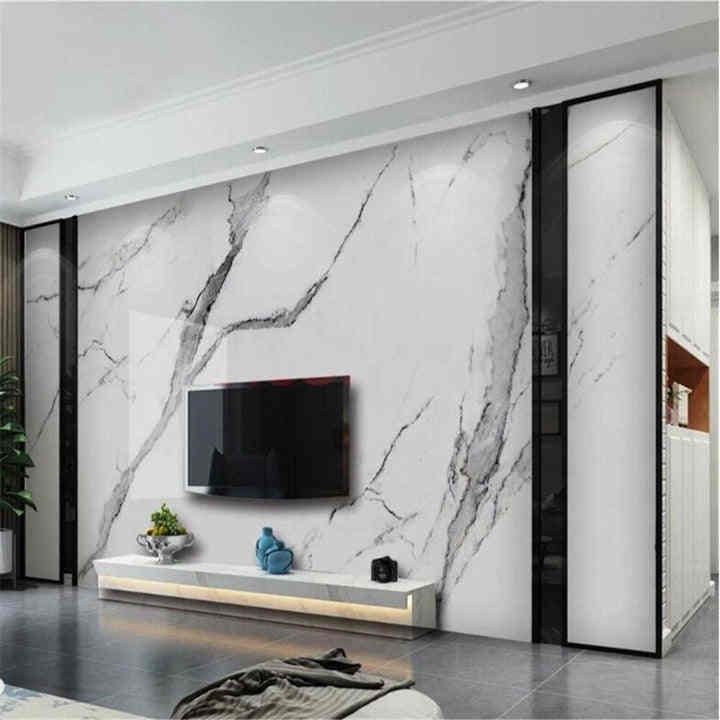
Marble boards are lightweight panels with a high-gloss marble-effect surface, fixed directly onto walls, columns and counters with adhesive. They give the look of stone without its weight, cutting or grout lines, and are widely used in Kenya for feature walls, reception areas, bathrooms, lift lobbies and shopfronts. Price depends on board size, thickness and finish.
Marble Boards vs Tiles: Which Interior Finish Is Better in Kenya?
Interior finishing is one of the most critical stages in modern construction because it defines both the visual identity and functional performance of a space. In Kenya’s fast-growing real estate market—especially in Nairobi, Mombasa, Kisumu, and emerging satellite towns—developers are increasingly choosing between marble boards and traditional ceramic or porcelain tiles for walls, floors, and feature surfaces.
Marble boards are engineered panels designed to replicate the luxurious appearance of natural marble while offering easier installation and more consistent performance. Tiles, on the other hand, remain the most widely used interior finish due to affordability, availability, and proven durability.
This guide provides a technical and practical comparison of marble boards and tiles in Kenya, focusing on cost, aesthetics, durability, maintenance, and suitability for modern homes and commercial interiors. It also incorporates Kenyan environmental conditions, KEBS standards expectations, and real construction logistics relevant to contractors and developers sourcing materials from suppliers like BHD Kenya.
What Are Marble Boards in Modern Kenyan Interiors?
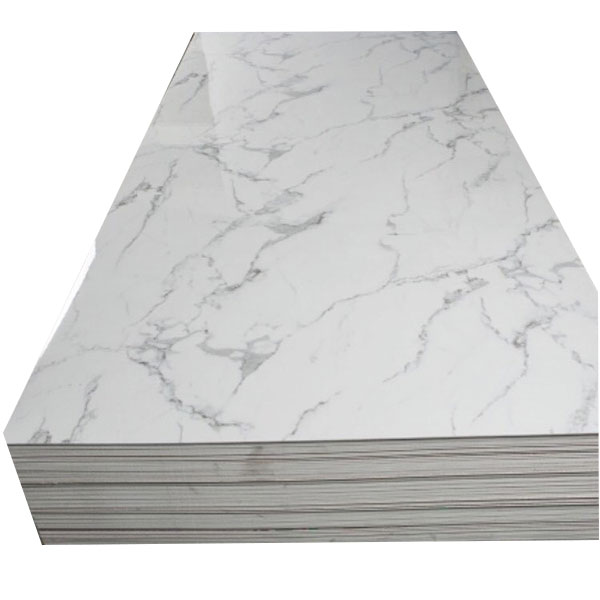
Marble boards are engineered decorative panels designed to replicate natural marble surfaces while offering lighter weight, easier installation, and more uniform finishing quality. They are commonly used in feature walls, lobbies, kitchens, and modern commercial interiors where aesthetics and speed of installation are critical.
Marble boards in Kenya are increasingly popular in high-end apartments, hotels, offices, and retail spaces due to their premium appearance and reduced installation time compared to natural stone. They are typically made from composite materials such as PVC, SPC, or resin-based layers bonded with printed marble textures and protective coatings.
In modern supply chains, builders often source complementary interior materials alongside structural systems such as those found in the BHD Kenya catalog: https://bhd.co.ke/catalog/which includes a wide range of finishing and structural solutions used in full construction packages.
For contractors working on mixed-use developments, marble boards are often paired with architectural systems such as:
- https://bhd.co.ke/catalog/alucobond-sheets/for exterior cladding synergy
- https://bhd.co.ke/catalog/wpc-wall-panels/for interior decorative continuity
These combinations are increasingly common in Kenyan commercial architecture where speed, aesthetics, and maintenance efficiency matter.
What Are Ceramic and Porcelain Tiles?
Tiles are mineral-based finishing materials made from fired clay (ceramic) or refined kaolin (porcelain), widely used in Kenyan construction due to their affordability, durability, and availability across all regions.
Tiles remain the dominant interior finishing material in Kenya because they comply well with KEBS quality expectations and are easy to source locally. They are commonly used in residential housing, schools, hospitals, and commercial buildings due to their resistance to water, scratches, and heavy foot traffic.
Tiles are typically installed in:
- Kitchens
- Bathrooms
- Corridors
- Commercial floors
For builders sourcing complete finishing systems, tiles are often used alongside structural steel and roofing systems such as:
- https://bhd.co.ke/catalog/steel-products-in-kenya/for structural frameworks
- https://bhd.co.ke/catalog/pipes/for plumbing integration
While tiles are functional and cost-effective, their design flexibility is more limited compared to modern decorative boards used in premium interiors.
Aesthetic Comparison: Marble Boards vs Tiles
Marble boards offer a seamless, high-end luxury appearance ideal for modern interiors, while tiles provide traditional, modular designs with visible joints that prioritize practicality over visual continuity.
From a design perspective, marble boards create a continuous surface that mimics natural stone slabs, making them ideal for luxury apartments in Nairobi and hotel interiors along the Kenyan coast where premium aesthetics are expected. Their large panel format reduces grout lines, resulting in a cleaner and more modern visual finish.
Tiles, however, offer greater design diversity through patterns, textures, and colors. They are preferred in functional spaces where modular repair and replacement are important.
In premium developments, marble boards are often paired with architectural finishes such as:
- https://bhd.co.ke/catalog/perspex-sheets/for decorative light diffusion
- solid-polycarbonate-sheetsfor modern interior glazing effects
Ultimately, marble boards dominate in aesthetic-driven projects, while tiles remain strong in utility-driven spaces.
Durability in Kenyan Climate Conditions
Tiles generally offer higher long-term durability in high-moisture and high-traffic environments, while marble boards provide moderate durability best suited for controlled indoor spaces.
Kenya’s diverse climate significantly affects interior materials. In coastal regions like Mombasa, high humidity and salt exposure demand materials with strong moisture resistance. Tiles perform exceptionally well in such environments due to their low water absorption rate and compliance with KEBS durability expectations.
In contrast, marble boards perform best in controlled environments such as:
- Office interiors
- Hotel lobbies
- Residential living rooms
- Retail showrooms
In Nairobi’s moderate altitude climate, both materials perform well, but tiles still outperform marble boards in wet zones such as bathrooms and kitchens.
For developers working with structural systems, durability considerations are often integrated with materials like:
- hr-beams for long-span structural support
- ms-flat-bars for reinforcement frameworks
Tiles remain the safer choice for heavy-use environments, while marble boards are optimized for visual durability rather than structural resilience.
Cost Comparison in Kenya
Tiles are generally more cost-effective and widely available in Kenya, while marble boards are higher in initial cost but reduce installation time and labor expenses in premium projects.
The Kenyan construction market is highly cost-sensitive, especially in mass housing and mid-tier commercial developments. Tiles offer a lower entry cost per square meter and are available in almost every hardware supplier across Nairobi and other counties.
Marble boards, however, reduce installation time significantly, which can offset higher material costs in fast-track projects such as hotels or commercial offices.
Developers sourcing materials at scale often combine finishes with structural systems like:
- zed-purlins (Zed Purlins for roofing frameworks)
- ms-tee for fabrication support structures
In summary:
- Tiles = lower material cost, higher labor time
- Marble boards = higher material cost, lower installation time
Installation and Maintenance
Tiles require skilled masonry work with adhesive and grout systems, while marble boards are faster to install using adhesive backing or mechanical fixing systems, making them ideal for rapid interior finishing.
Tile installation in Kenya is labor-intensive and requires precise leveling, spacing, and curing. However, it allows easy replacement of individual units when damage occurs.
Marble boards are installed in large panels, reducing installation time significantly. This makes them ideal for commercial projects with tight deadlines.
Maintenance differences:
- Tiles: easy to clean, grout may require periodic maintenance
- Marble boards: low maintenance, but panel replacement is more complex
For site logistics and installation workflows, contractors often coordinate delivery with suppliers such as:
Efficient material flow is especially important in large projects where multiple finishing systems are installed simultaneously.
Commercial vs Residential Suitability
Marble boards are best suited for premium commercial interiors and modern residential feature spaces, while tiles are better suited for full-surface application in both residential and high-traffic commercial environments.
In commercial architecture, marble boards are widely used in:
- Hotel lobbies
- Corporate offices
- Shopping mall interiors
Tiles dominate in:
- Apartments and mass housing
- Institutional buildings
- Bathrooms and kitchens
Modern Kenyan developers often combine both materials to optimize cost and aesthetics. For example, marble boards may be used in reception areas while tiles are used in functional zones.
Developers seeking integrated construction solutions often rely on suppliers like:
Technical Specifications Comparison
Marble boards and tiles differ significantly in weight, installation format, and structural behavior, with marble boards being lighter and larger in format while tiles are denser and modular.
| Material | Typical Thickness | Weight (kg/m²) | Standard Size | Pieces per m² | Installation Method |
|---|---|---|---|---|---|
| Marble Boards | 5–12 mm | 6–12 kg/m² | 1220×2440 mm | 0.3–0.5 | Adhesive / mechanical fixing |
| Ceramic Tiles | 6–10 mm | 18–25 kg/m² | 300×300 mm / 600×600 mm | 3–11 | Mortar + grout |
| Porcelain Tiles | 8–12 mm | 20–28 kg/m² | 600×600 mm / 600×1200 mm | 1–3 | Adhesive + grout |
From a structural standpoint, tiles exert more dead load on substrates, making marble boards advantageous in lightweight partition systems. However, tiles offer superior compressive strength for floors subjected to heavy loads.
Which Is Better in Kenya?
Neither material is universally superior; the best choice depends on project type, budget, and performance requirements, with marble boards excelling in aesthetics and speed while tiles dominate in durability and cost-efficiency.
In Kenya’s construction landscape, the decision is increasingly hybrid. Developers in Nairobi’s upper-middle-class housing and commercial real estate sectors are combining both materials strategically.
- Choose marble boards if the priority is modern luxury aesthetics, fast installation, and low-maintenance wall finishing.
- Choose tiles if the priority is durability, affordability, and suitability for wet or high-traffic areas.
For contractors sourcing integrated finishing and structural materials, BHD Kenya provides a consolidated supply chain:
https://bhd.co.ke/
Marble boards represent the modern evolution of interior finishing in Kenya, driven by speed, aesthetics, and commercial design trends. Tiles remain the foundational material for durable, cost-effective, and high-traffic applications. The most successful projects in Kenya increasingly combine both systems to balance performance and visual appeal.
Contact Burhani Hardware Dealers (BHD)
burhanihardwaredealers [at] yahoo.com
Call/WhatsApp: +254 731 217 462 | +254 790 545 205
Visit: BHD, Industrial Area, Funzi Road, Nairobi
Website: https://bhd.co.ke/
Delivery Guarantee:
Same-day delivery within Nairobi.
Next-day delivery countrywide to Nakuru, Kisumu, Mombasa, Eldoret, Thika, Meru, Kitengela, Malindi.
Frequently asked questions

Written & reviewed by
BHD Kenya
Burhani Hardware Dealers (BHD Kenya) is a Nairobi-based supplier of polycarbonate roofing, Alucobond/ACP cladding, Perspex, WPC wall panels and steel products, serving contractors, fabricators and homeowners across Kenya.