

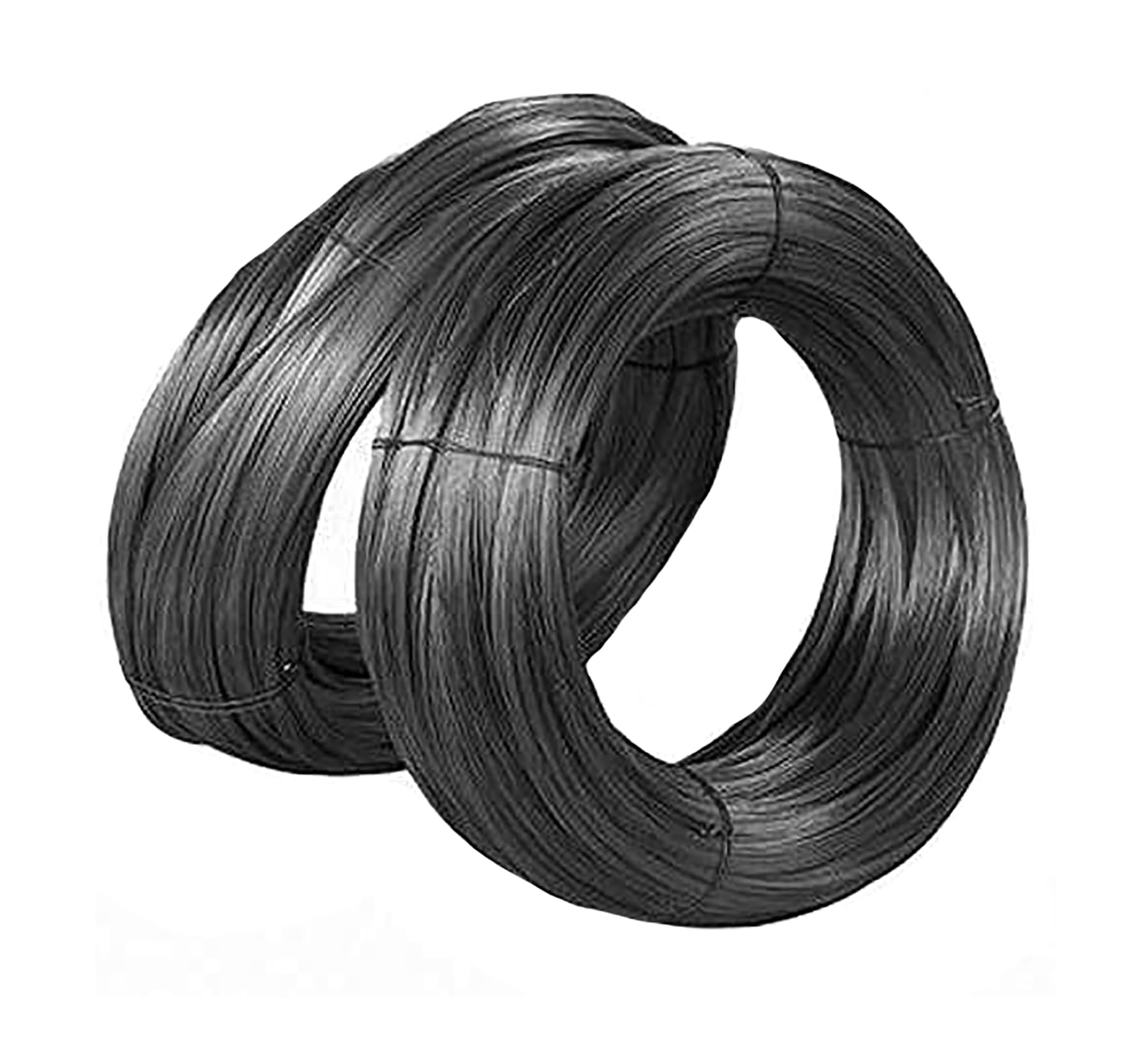
Binding Wire
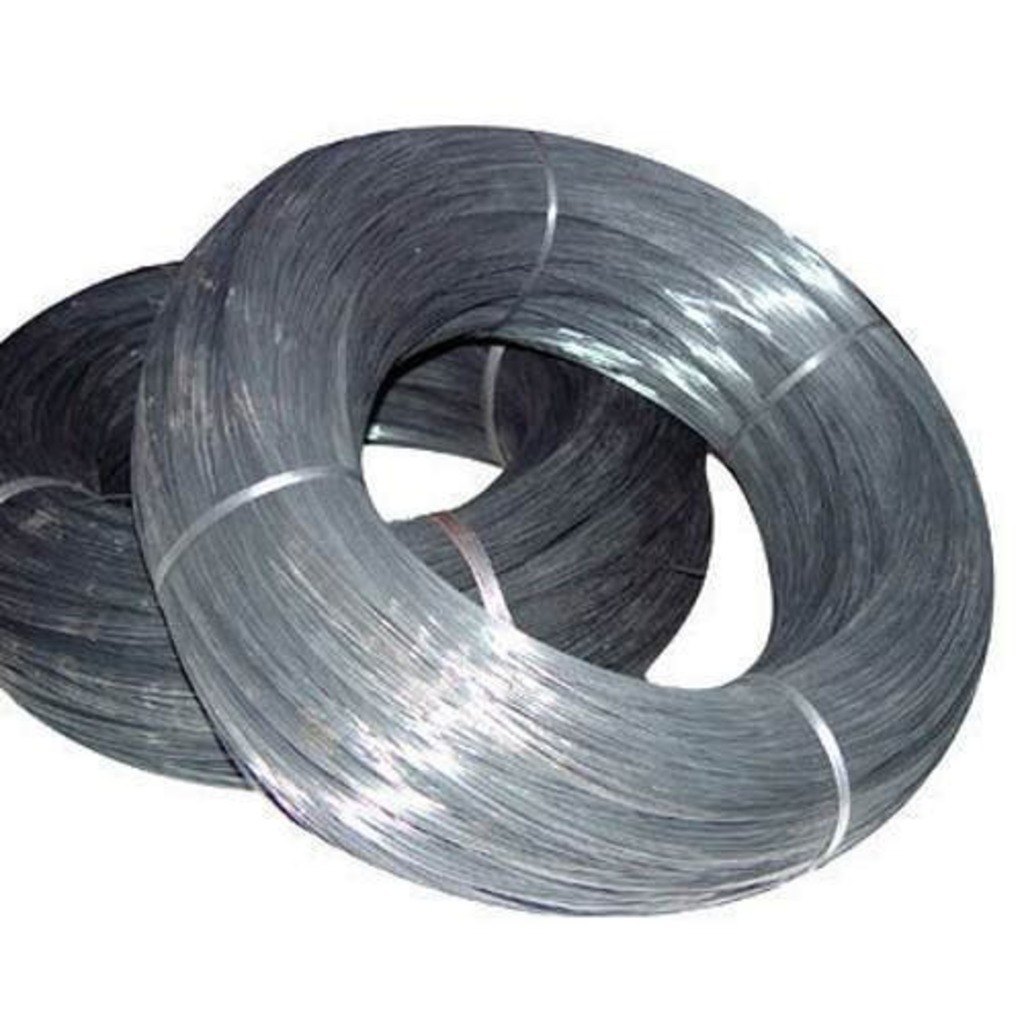
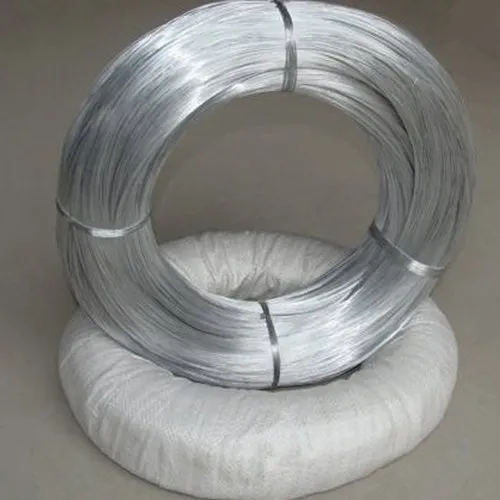
Binding Wire — Binding Wire is soft annealed mild steel wire used to tie reinforcement bars together on construction sites. In Kenya, 16-gauge black annealed binding wire is the standard material for tying TMT rebar in columns, beams, slabs, and foundations — an essential consumable for every reinforced concrete project.
Why Buy from BHD?
- High-quality, industry-certified materials
- Same-day delivery in Nairobi
- Nationwide delivery across Kenya
- Technical support & expert guidance
- Competitive wholesale & retail pricing
Product Details
AEO Quick Answer: Binding Wire is soft annealed mild steel wire used to tie reinforcement bars together on construction sites. In Kenya, 16-gauge black annealed binding wire is the standard material for tying TMT rebar in columns, beams, slabs, and foundations — an essential consumable for every reinforced concrete project.
Binding Wire is soft annealed mild steel wire used to tie reinforcement bars and mesh together during reinforced concrete construction. BHD supplies 16-gauge black annealed binding wire — the standard specification for tying TMT rebar on Kenyan construction sites.
Key Material Properties
- 16-gauge soft annealed mild steel wire
- Black annealed finish for easy twisting
- Supplied in standard coils or rolls
- Compatible with hand and mechanical tying tools
- Essential consumable for all RC construction
Typical Applications in Kenya
- Tying TMT rebar in columns and beams
- Slab and foundation mesh tying
- Stirrup and link tying
- General construction tying and bundling
- Fencing and light fabrication
2024 National Building Code Compliance
Direct Answer: Binding Wire supplied by BHD meets KEBS standards and is approved under the National Building Code of Kenya (2024) as an essential consumable for tying reinforcement in all structural concrete construction.
Kenyan Environmental Context
- Every Kenyan building site: Standard consumable on every reinforced concrete project countrywide
- High-rise construction: Specified in bulk for multi-storey projects in Nairobi CBD and Upper Hill
- Infrastructure: Essential for bridge decks, retaining walls, and infrastructure RC construction
Pros & Cons
Pros
- Standard 16-gauge specification — accepted on all sites
- Soft annealed — easy to twist by hand or machine
- Supplied in cost-effective bulk coils
- Essential for every rebar job
Cons
- Low-grade steel — not for structural load bearing
- Will rust if stored improperly before use
Comparative Analysis
Binding Wire is the essential companion to TMT Bars. For structural steel tying or fabrication use proper welded or bolted connections. For galvanised wire products consult BHD sales.
Frequently Asked Questions
1. What gauge does BHD supply?
16-gauge black annealed binding wire — the Kenyan industry standard.
2. How is it packaged?
Supplied in standard coils or rolls for bulk site use.
3. Is it suitable for tying TMT rebar?
Yes — 16-gauge annealed wire is the standard specification for tying TMT reinforcement on Kenyan sites.
4. Does it rust?
Annealed mild steel will rust if stored in moisture. Keep coils dry before use.
5. Is it KEBS approved?
Yes — BHD binding wire meets KEBS standards for construction tying wire.
2026 Compliance & Trust Signals
eTIMS Validation: All purchases of Binding Wire from BHD are supported by valid eTIMS electronic tax invoices, mandatory for claiming business expense deductions as per 2026 KRA guidelines.
KEBS Assurance: This product complies with the KEBS Standards Levy 2025, confirming regulated quality, safety, and durability under Kenyan standards.
Product Details
| Feature | Specification |
|---|---|
| Type | 16-Gauge Annealed Binding Wire |
| Material | Soft Annealed Mild Steel Wire |
| Gauge | 16 SWG (standard) |
| Application | Tying rebar on RC construction sites |
| Standards | KEBS / National Building Code 2024 |
Related Products
Contact Details
Visit: Burhani Hardware Dealers, Industrial Area, Funzi Road, Nairobi
Email: burhanihardwaredealers@yahoo.com
Phone: +254 731 217 462 | +254 790 545 205
Website: www.bhd.co.ke
Opening Hours: Mon–Fri: 8am–5pm | Sat: 8am–1pm | Sun: Closed
More From BHD
- The Ultimate Guide to Polycarbonate Roofing Sheets
- Premium Steel Products for Construction in Kenya
- Modern Cladding & Wall Finishes
- BHD Product Catalog
- Frequently Asked Questions
Countrywide Deliveries Available
✔ Same-day delivery within Nairobi
✔ Next-day delivery to other parts of the country
We deliver Binding Wire to Kisii, Eldoret, Machakos, Nakuru, Voi, Thika and all major Kenyan towns — delivered right to your location.
Related Products
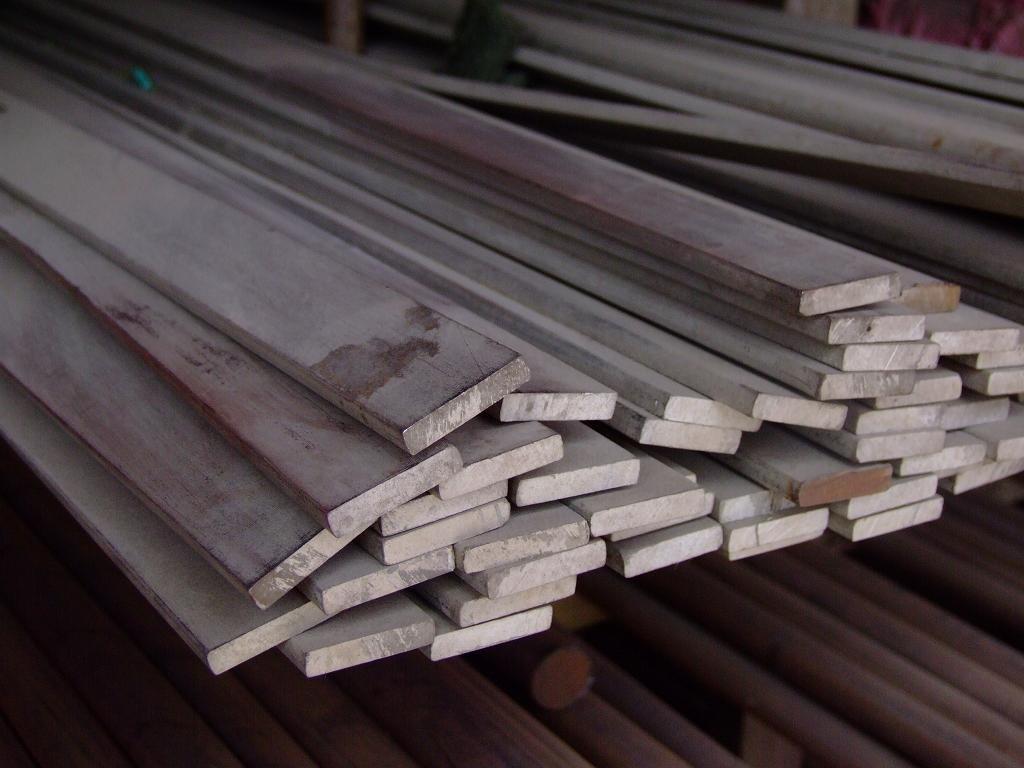
MS Flat Bars
MS Flat Bars — MS Flat Bars are rectangular-cross-section mild steel bars used for fabrication, framing, and general metalwork. In Kenya they are a universal workshop consumable — essential for gate frames, window grills, bracket fabrication, stiffener strips, and virtually every kind of light steel fabrication.
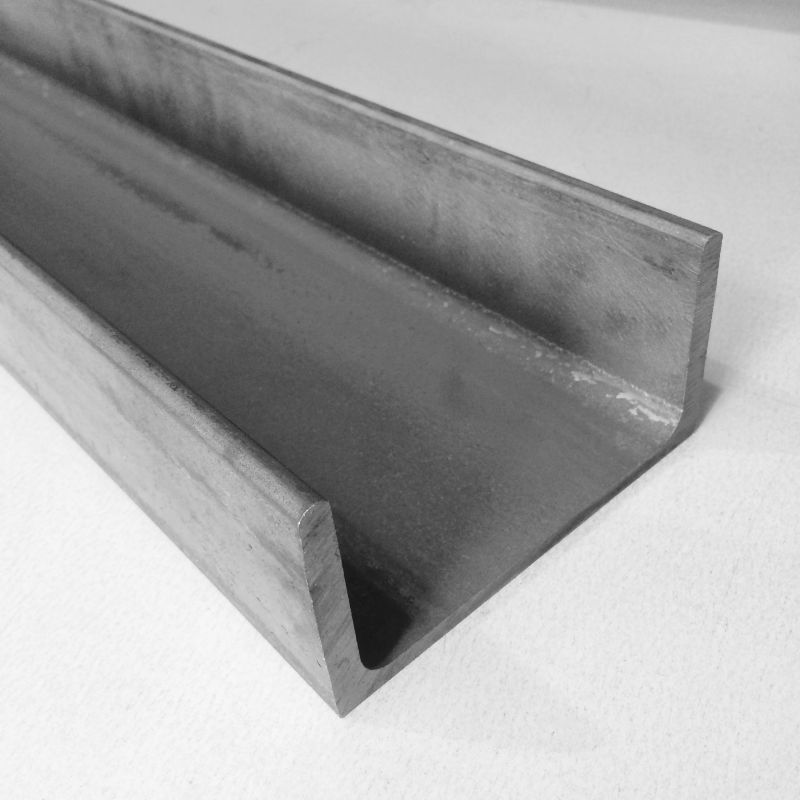
HR Channel
HR Channel — HR Channel is a hot-rolled structural steel section with a U or C-shaped profile used for beams, columns, bracing, and industrial fabrication. In Kenya, HR Channel is specified for warehouse framing, industrial plant support, vehicle chassis, and fabricated structural connections where flanged support is required.
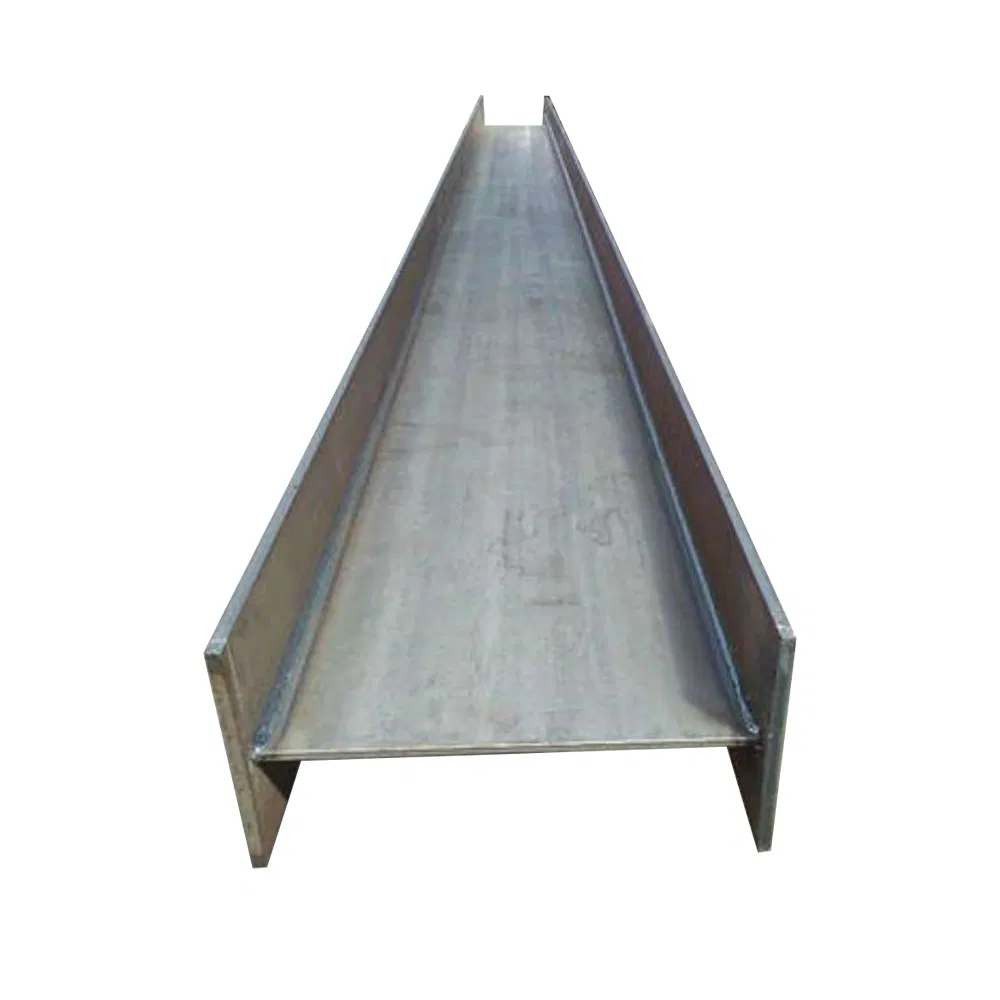
HR Beams
HR Beams — HR Beams are hot-rolled structural steel I-beams and H-beams used as primary load-bearing members in commercial, industrial, and infrastructure construction. In Kenya they are the backbone of multi-storey buildings, warehouses, factories, and bridges — delivering maximum strength-to-weight efficiency for spanning and column applications.

RECTANGULAR HOLLOW SECTION (RHS)
RECTANGULAR HOLLOW SECTION (RHS) — Rectangular Hollow Section (RHS) is a welded rectangular steel tube used for structural beams, columns, window frames, and architectural fabrications. In Kenya, RHS is specified for applications where unequal strength in two directions is required — such as beams in bending and wide-span frames.