

Pipes Kenya: 2026 Guide to Uses, Prices & Specs | BHD Kenya
Quick answer
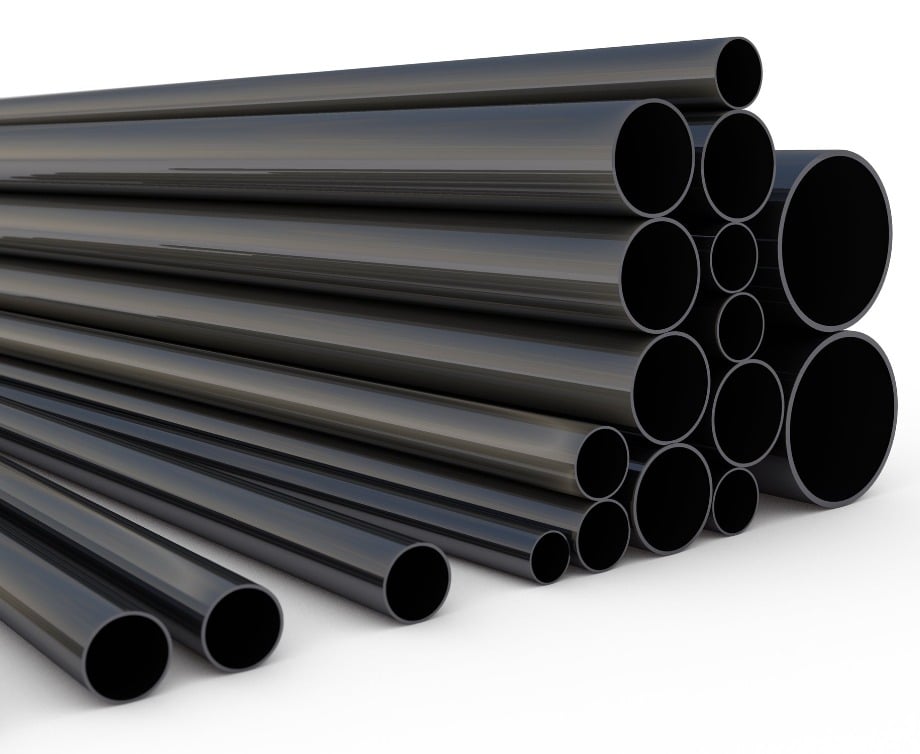
Pipe selection in Kenya comes down to the fluid, the pressure and the exposure. Black steel pipe is uncoated mild steel used for structures, gates, railings, compressed air and gas lines. Galvanised steel resists corrosion for water, PVC suits drainage and cold water, and HDPE suits buried mains and irrigation. Size is quoted by nominal bore and wall thickness.
Understanding Pipes Selection in Kenya’s Construction Industry
Kenya’s construction sector is expanding rapidly across housing, infrastructure, irrigation, and industrial development. In this environment, pipe selection is a critical engineering decision that affects durability, cost efficiency, safety compliance, and long-term system performance.
From Nairobi’s high-rise plumbing systems to Mombasa’s coastal industrial installations and Rift Valley irrigation schemes, pipes must be selected based on pressure demand, environmental exposure, and KEBS compliance requirements under KS 02-17 and the National Building Code 2024.
This guide provides a practical breakdown of PVC, HDPE, and steel pipes to help contractors, engineers, and procurement teams make informed decisions for Kenyan conditions.
Why Pipe Selection Matters in Kenyan Construction Projects
Pipe selection determines system durability, pressure performance, and long-term maintenance costs in Kenyan environments.
Incorrect material choice leads to burst failures, corrosion, water loss, and expensive project rework.
Kenya’s diverse climate zones directly affect pipe performance. Coastal humidity accelerates corrosion, highland temperature variations affect expansion rates, and arid zones expose systems to UV degradation.
Poor selection leads to:
- Frequent leakage and system downtime
- Increased maintenance costs
- Reduced water efficiency in irrigation systems
- Non-compliance with KEBS inspection standards
For full material sourcing and verified supply chains, contractors rely on:
https://bhd.co.ke/catalog/
PVC Pipes in Kenya: Applications, Benefits, and Limitations
PVC pipes are lightweight, cost-effective, and widely used for low-to-medium pressure water systems in Kenya.
They are ideal for residential plumbing, drainage, and light irrigation applications due to corrosion resistance and ease of installation.
PVC remains the most commonly used piping material in Kenyan residential construction.
Applications
- Domestic water distribution systems
- Sewer and drainage systems
- Small-scale irrigation networks
Advantages
- Low cost and widely available
- Resistant to rust and chemical corrosion
- Easy to cut, join, and install on-site
Limitations
- Not suitable for high-temperature fluids
- UV exposure can weaken exposed installations
- Limited structural strength under heavy load
For drainage and water management integration:
PVC performs best in indoor or protected installations across Kenya’s urban housing developments.
HDPE Pipes in Kenya: Strength, Flexibility, and Irrigation Performance
HDPE pipes provide high flexibility, pressure resistance, and long service life for underground and irrigation systems in Kenya.
They are especially effective in agricultural zones and shifting soil conditions due to their joint strength and durability.
HDPE is widely used in modern agricultural and municipal water systems.
Applications
- Large-scale irrigation systems (Naivasha, Eldoret, Kitale)
- Underground water supply networks
- Industrial fluid transport systems
Advantages
- High resistance to impact and pressure
- Flexible installation in uneven terrain
- Long operational lifespan (often 50+ years)
- Leak-free fusion welding joints
Limitations
- Requires specialized welding equipment
- Higher installation skill requirement
- Higher upfront cost than PVC
For related piping infrastructure systems:
HDPE is preferred for Kenya’s agricultural irrigation systems due to its adaptability to long-distance water distribution.
Steel Pipes in Kenya: Structural Strength for Heavy-Duty Applications
Steel pipes provide superior structural integrity and are used in industrial, construction, and high-pressure applications in Kenya.
They are essential for structural frameworks, fabrication systems, and heavy-load engineering environments.
Steel piping systems are critical in Kenya’s industrial zones and commercial construction projects.
Common Types
- Circular Hollow Section (CHS)
- Square Hollow Section (SHS)
- Rectangular Hollow Section (RHS)
Explore structural steel options:
- https://bhd.co.ke/product/square-hollow-section-shs/
- https://bhd.co.ke/product/circular-hollow-section-chs/
- https://bhd.co.ke/catalog/steel-products-in-kenya/
Advantages
- Extremely high load-bearing capacity
- Suitable for structural fabrication
- Resistant to mechanical stress and vibration
Limitations
- Susceptible to corrosion without protective coating
- Heavy and costly to transport
- Requires welding and fabrication expertise
Steel pipes are widely used in warehouses, industrial plants, and infrastructure projects across Nairobi Industrial Area and coastal developments.
Specifications Comparison: PVC vs HDPE vs Steel Pipes
Each pipe type has distinct mechanical properties affecting pressure capacity, durability, and application suitability in Kenya.
Correct specification matching ensures compliance with KEBS standards and reduces system failure risk.
| Pipe Type | Material | Primary Use | Pressure Rating | Durability | Weight | Installation Complexity |
|---|---|---|---|---|---|---|
| PVC | Polyvinyl Chloride | Plumbing & drainage | Medium | Medium | Light | Low |
| HDPE | Polyethylene | Irrigation & underground systems | High | High | Medium | Medium |
| Steel (CHS/SHS/RHS) | Carbon Steel | Structural & industrial | Very High | Very High | Heavy | High |
For structural steel reinforcement materials:
- https://bhd.co.ke/product/hr-beams/
- https://bhd.co.ke/product/ms-flat-bars/
- https://bhd.co.ke/product/ms-tee/
Choosing Pipes Based on Application in Kenya
Pipe selection must match pressure requirements, environmental exposure, and intended application in Kenyan construction projects.
Proper matching reduces maintenance costs and improves long-term system reliability.
Residential Plumbing
- Recommended: PVC
- Best for indoor water distribution systems
Agricultural Irrigation
- Recommended: HDPE
- Ideal for long-distance and underground water transport
Industrial & Structural Systems
- Recommended: Steel pipes
- Used in fabrication, support systems, and heavy-duty applications
Full product range:
Kenyan Standards: KEBS Compliance and Building Regulations
All pipe systems in Kenya must comply with KEBS standards (KS 02-17) and the National Building Code 2024.
Compliance ensures safety, durability, and approval for construction inspections.
KEBS regulates:
- Material quality and composition
- Pressure rating accuracy
- Dimensional consistency
- Safety certification requirements
Non-compliant materials can result in:
- Failed site inspections
- Project delays
- Structural failures
Learn more about verified supply standards:
Installation and Delivery Logistics in Kenya
Pipe delivery timelines vary by material type and project location across Kenya.
BHD provides structured logistics ensuring same-day Nairobi delivery and next-day countrywide distribution.
Delivery Coverage
- Nairobi: Same-day delivery
- Kisumu, Mombasa, Nakuru, Eldoret: Next-day delivery
- Remote regions: Scheduled logistics coordination
Environmental conditions also influence installation:
- Coastal areas: Require corrosion-resistant materials
- Highlands: Require pressure-stable systems
- Arid regions: Require UV-resistant piping systems
Contact for logistics planning:
Common Pipe Selection Mistakes in Kenya
Most pipe failures in Kenya result from incorrect material selection and failure to consider environmental conditions.
Avoiding these mistakes significantly improves system lifespan and reduces repair costs.
Common mistakes include:
- Using PVC in high-pressure industrial systems
- Installing non-UV protected pipes outdoors
- Ignoring KEBS certification requirements
- Poor jointing in HDPE systems
Why Choose BHD for Pipes in Kenya
BHD supplies certified construction materials that meet KEBS standards and Kenyan engineering requirements.
It ensures reliable supply, technical support, and nationwide delivery for construction projects.
Explore:
Conclusion: Making the Right Pipe Choice in Kenya
Correct pipe selection improves durability, efficiency, and compliance in Kenyan construction projects.
PVC, HDPE, and steel pipes each serve specific roles depending on pressure, environment, and application needs.
Proper alignment with KEBS standards and environmental conditions ensures long-term system reliability and reduced maintenance costs.
Contact Burhani Hardware Dealers (BHD) burhanihardwaredealers [at] yahoo.com Call/WhatsApp: +254 731 217 462 | +254 790 545 205 Visit: BHD, Industrial Area, Funzi Road, Nairobi Website: https://bhd.co.ke/
Frequently asked questions

Written & reviewed by
BHD Kenya
Burhani Hardware Dealers (BHD Kenya) is a Nairobi-based supplier of polycarbonate roofing, Alucobond/ACP cladding, Perspex, WPC wall panels and steel products, serving contractors, fabricators and homeowners across Kenya.