

Wall Panels Kenya: Best Options for Modern Homes | BHD
Quick answer
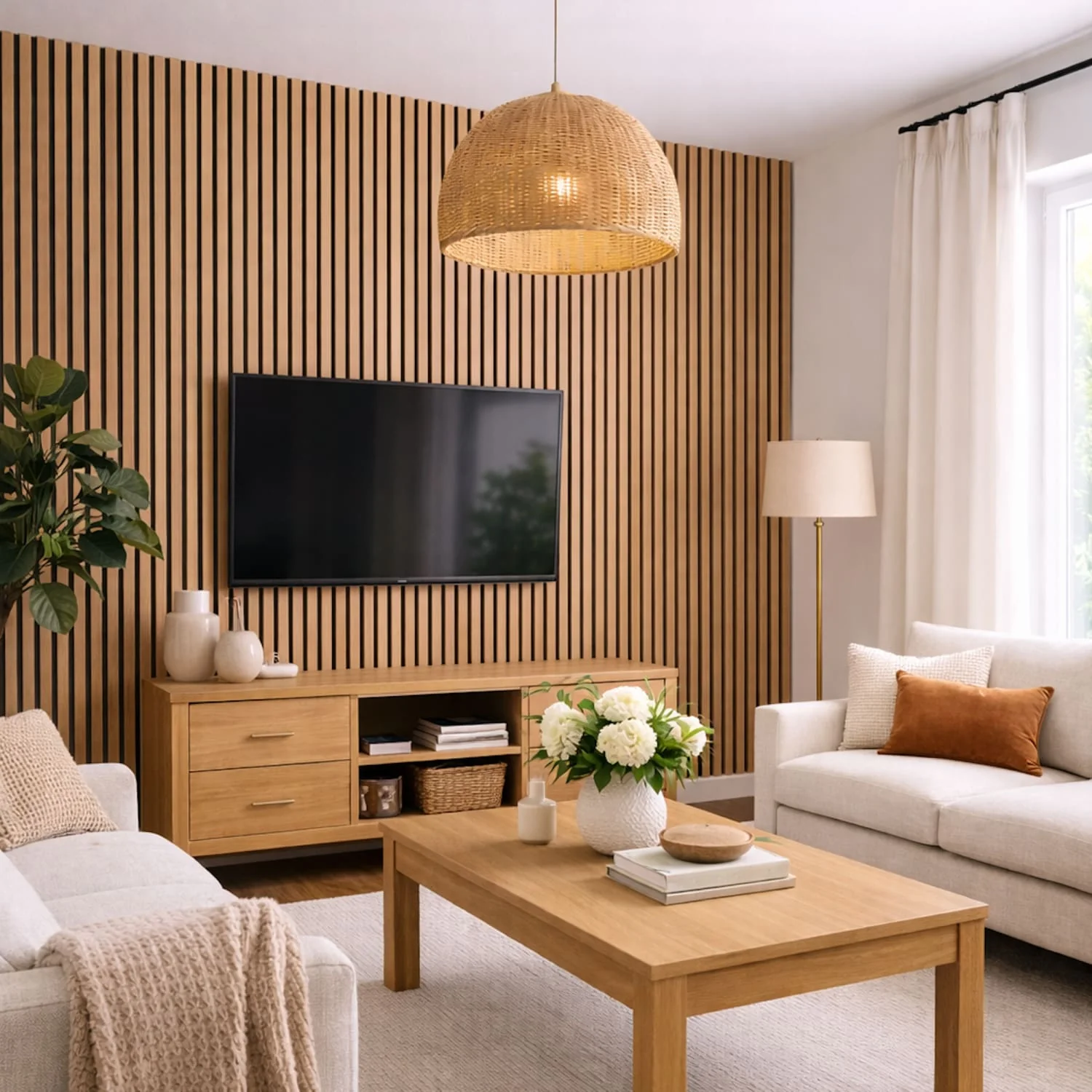
The wall panels used in Kenyan homes are mainly WPC (wood-plastic composite), marble-look composite boards, PVC panels and aluminium composite panels. WPC and PVC handle damp areas such as bathrooms and kitchens, while marble boards suit feature walls and TV backdrops. Most fix over an existing plastered wall, so a room can be transformed without wet work or replastering.
Best Wall Panels for Kenyan Homes
The best wall panels for Kenyan homes depend on the room, desired appearance, moisture exposure, maintenance requirements and budget. WPC panels, marble boards, PVC-based panels and selected aluminium composite panels can provide different decorative solutions for modern residential interiors.
Wall panels have become increasingly popular in Kenyan homes because they can transform plain walls without relying entirely on conventional paint, wallpaper or tiles. They are particularly useful for living-room feature walls, TV backdrops, bedrooms, hallways and selected kitchen or commercial applications.
For homeowners and contractors, however, choosing a wall panel should involve more than selecting the most attractive pattern. The material, thickness, installation method and intended environment all affect the finished result.
What Are Wall Panels?
Wall panels are pre-manufactured boards or sheets installed over walls to provide a decorative, protective or architectural finish. Depending on the material, wall panels can reproduce wood, marble, stone or other textures while offering different installation and maintenance characteristics.
Common wall-panel materials include:
- WPC (Wood-Plastic Composite)
- Marble boards
- PVC-based panels
- Aluminium composite panels
- Decorative architectural boards
The correct material depends on whether the panel is intended for:
- A living room
- TV wall
- Bedroom
- Office
- Hotel
- Restaurant
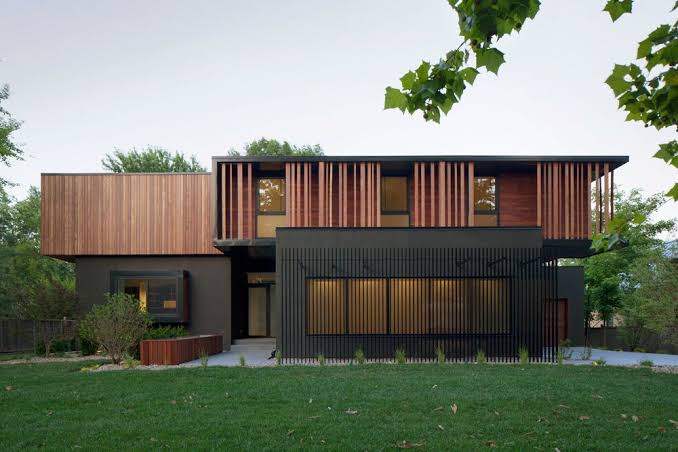
- Exterior façade
- Wet area
BHD's wall panel catalog provides WPC options for modern interior applications.
What Are the Best Wall Panels for Kenyan Homes?
WPC wall panels are a strong choice for modern decorative interiors, while marble boards are well suited to luxury-style feature walls and TV backdrops. The best wall panel depends on the room's moisture exposure, design requirements, installation method and expected maintenance.
| Wall Panel Type | Best Use | Main Advantage | Key Consideration |
|---|---|---|---|
| WPC | TV walls, living rooms, bedrooms | Wood-effect appearance | Confirm exterior/interior rating |
| Marble boards | Feature walls, TV walls | Marble/stone appearance | Product-specific moisture performance |
| PVC panels | Selected decorative areas | Lightweight finish | Check product quality |
| ACP/Alucobond | Architectural features | Modern clean finish | Specify for intended application |
| Decorative boards | Feature areas | Design flexibility | Check technical specifications |
There is therefore no single panel that is automatically best for every room.
Why Are WPC Wall Panels Popular in Kenya?
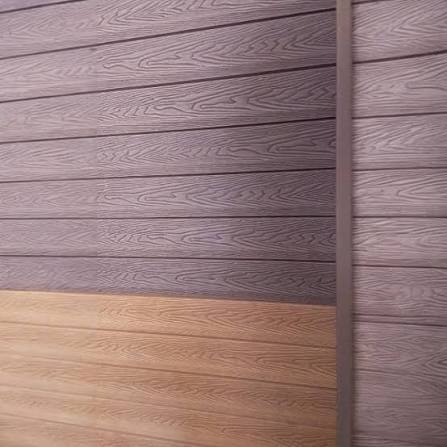
WPC wall panels combine wood fibres and polymer materials to create decorative panels with a wood-like appearance and practical resistance to moisture and termites. They are commonly used for feature walls, TV backdrops, offices, hotels and other modern interiors.
WPC stands for Wood-Plastic Composite.
The material is engineered rather than being conventional solid timber.
Common WPC designs include:
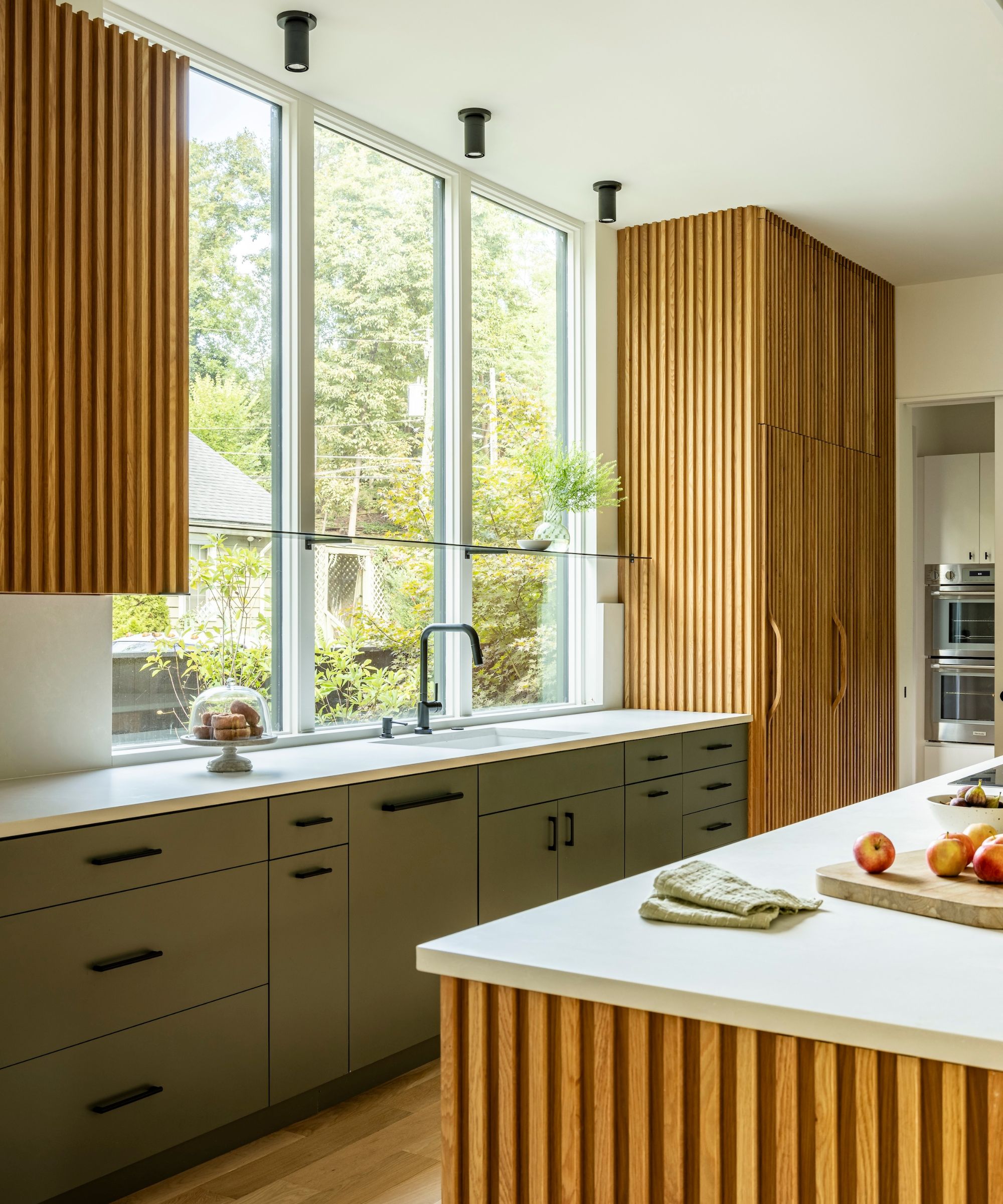
- Fluted profiles
- Slatted panels
- Wood-grain finishes
- 3D textures
- Smooth finishes
- Different neutral and wood-effect colours
This makes WPC particularly useful when the homeowner wants a timber-inspired appearance without using conventional timber throughout the room.
BHD's product information lists WPC applications including living-room TV backdrops, bedroom accent walls, office feature walls, hotel lobbies and restaurant interiors.
Are WPC Wall Panels Good for Kenyan Homes?
WPC panels can be a practical choice for Kenyan homes because their composite construction provides moisture and termite resistance compared with conventional timber finishes. They are particularly useful for decorative interior applications in homes where low maintenance and a modern appearance are priorities.
Kenya's different climate zones make material selection important.
Nairobi
In Nairobi, homeowners commonly use decorative panels in:
- Apartments
- Townhouses
- Living rooms
- Bedrooms
- Home offices
Dust and regular cleaning should be considered when selecting highly textured surfaces.
Mombasa
Coastal humidity makes moisture performance more important.
WPC's resistance to moisture can be advantageous, but the specific product should still be checked for the intended environment.
Kisumu
Higher humidity means wall materials should be selected with moisture exposure in mind.
Rift Valley
In drier, more exposed environments, attention should be given to temperature changes, installation and substrate movement.
What Are Marble Boards Used For?
Marble boards are decorative panels designed to create a marble or stone-inspired appearance on interior surfaces. They are particularly effective for TV walls, living-room feature walls, reception areas, bedrooms and other spaces where a polished architectural finish is desired.
Marble boards can create:
- White marble effects
- Grey stone patterns
- Dark marble finishes
- Strong veining
- Glossy surfaces
- Large continuous feature areas
They can be particularly effective behind a wall-mounted television.
BHD's marble boards category provides options for decorative applications.
Marble boards can also be combined with WPC to create contrast between stone-effect and wood-effect finishes.
Are Marble Boards Better Than WPC Panels?
Marble boards are generally better when the desired appearance is polished stone or marble, while WPC panels are better when the design calls for a wood-effect, fluted or textured finish. Neither is universally superior because they solve different design requirements.
A simple comparison:
| Requirement | Better Option |
|---|---|
| Marble appearance | Marble boards |
| Wood appearance | WPC |
| Fluted design | WPC |
| Stone-effect TV wall | Marble boards |
| Warm timber-effect feature | WPC |
| High-contrast luxury wall | Marble boards |
| Textured vertical lines | WPC |
| Mixed-material design | Both |
Many modern interiors use both materials.
For example:
Marble board centre + WPC side sections + LED lighting
can create a balanced TV feature wall.
What Are the Best Wall Panels for TV Walls?
WPC and marble boards are among the most suitable decorative options for modern TV walls because they provide strong visual contrast and can be combined with lighting, floating cabinets and concealed cable systems. The final choice should match the room's furniture, flooring and lighting.
A modern TV wall can include:
- Wall-mounted television
- Marble board backdrop
- WPC side panels
- Floating cabinet
- LED backlighting
- Concealed cables
- Decorative shelving
The television should be mounted to appropriate structural support.
The decorative panel should not automatically be treated as the load-bearing structure.
Can WPC Wall Panels Be Used in Bedrooms?
Yes, WPC panels can be used as bedroom feature walls, particularly behind beds or on selected accent walls. Their wood-effect appearance can add texture and warmth without requiring conventional timber cladding.
Popular bedroom applications include:
Headboard Wall
WPC can cover the wall behind the bed.
Vertical Accent Wall
Fluted panels can create visual height.
Partial Wall
The panel can cover only the centre portion of the wall.
Combined Feature
WPC can be combined with:
- Paint
- Lighting
- Marble boards
- Mirrors
- Upholstered panels
The objective should be to create a focal area rather than cover every surface unnecessarily.
What Are the Best Wall Panels for Living Rooms?
The best living-room wall panels depend on the desired interior style. WPC works well for warm, textured designs, while marble boards suit polished luxury-style feature walls and ACP can provide a cleaner architectural appearance for selected applications.
For a warm modern living room, consider:
WPC + warm lighting + neutral furniture
For a luxury-style room:
Marble board + black accents + LED lighting
For a minimalist room:
Simple panel + neutral paint + concealed storage
The panel should complement the existing room rather than compete with it.
Can Wall Panels Be Used in Kenyan Apartments?
Yes, decorative wall panels can be particularly useful in apartments because they can upgrade a plain wall without major structural alterations. Lightweight decorative panels can also be practical for feature walls where the existing wall is sound and suitable for the selected fixing method.
Common apartment applications include:
- TV walls
- Bedroom walls
- Entrance walls
- Dining areas
- Home offices
- Hallways
Before installation, check:
- Wall condition
- Moisture
- Electrical points
- Cable routes
- Panel weight
- Fixing method
Apartment renovations should also account for building-management requirements where applicable.
What Specifications Should You Check When Buying Wall Panels?
Contractors should compare wall panels using measurable specifications such as material, thickness, panel dimensions, weight, surface finish, moisture suitability and fixing method. These specifications help determine whether a panel is appropriate for the intended room and installation system.
Wall Panel Specifications Table
| Parameter | What to Check |
|---|---|
| Material | WPC, marble board, PVC, ACP, etc. |
| Thickness | Manufacturer specification |
| Width | Panel width |
| Length | Panel length |
| Weight | kg per panel or m² |
| Surface | Fluted, smooth, marble-effect, textured |
| Finish | Matte, gloss, wood-effect, stone-effect |
| Moisture performance | Suitability for intended environment |
| UV performance | Important for exposed applications |
| Installation | Adhesive, clips, screws or system-specific |
| Application | Interior or exterior |
| Maintenance | Cleaning requirements |
BHD's WPC product information, for example, describes WPC panels as wood-plastic composite cladding panels designed for modern interior feature walls, TV backdrops, office accent walls and hotel lobbies.
How Much Do Wall Panels Cost in Kenya?
Wall panel prices in Kenya vary according to material, panel size, thickness, finish, quantity and supplier. The final installed cost also depends on wall preparation, cutting, fixing materials and labour.
A realistic budget should include:
- Panels
- Adhesive or mechanical fixings
- Battens where required
- Cutting
- Edge finishing
- Labour
- Wall preparation
- Electrical modifications
- Lighting
For example, a small TV wall and a full 20-square-metre feature wall will have very different material requirements.
Do not compare panel prices alone.
Compare the complete installed cost per square metre.
Are Wall Panels Easy to Maintain?
Many decorative wall panels require less routine finishing work than painted walls because the surface is factory-finished. Maintenance still depends on the material, texture, location and manufacturer's cleaning instructions.
For routine maintenance:
- Dust panels regularly.
- Use a soft cloth.
- Clean spills promptly.
- Avoid abrasive cleaning tools.
- Follow the manufacturer's cleaning recommendations.
- Inspect joints and edges periodically.
Highly textured WPC panels may collect more dust than smooth surfaces.
Smooth marble-effect panels may be easier to wipe clean.
Are Wall Panels Better Than Paint?
Wall panels provide texture, pattern and three-dimensional design that conventional paint cannot create, while paint remains cheaper and more flexible for large areas. A practical interior often uses paint for general walls and decorative panels for selected focal areas.
Paint
Advantages:
- Lower material cost
- Easy colour changes
- Simple application
- Suitable for large areas
Wall Panels
Advantages:
- Texture
- Pattern
- Depth
- Feature-wall appearance
- Ready decorative finish
A good design might therefore use:
Paint on 80% of the walls + decorative panels on 20%
rather than covering the entire room.
Can Wall Panels Be Combined With Gypsum?
Yes, gypsum and decorative wall panels can be used together to create layered interior designs. Gypsum can provide partitions, bulkheads, niches and structural forms, while WPC or marble boards can provide the visible decorative finish.
For example:
Gypsum structure → concealed cables → electrical points → marble board → LED lighting
This approach is especially useful for:
- TV walls
- Reception areas
- Bedroom feature walls
- Entertainment units
The supporting structure must be designed appropriately for any mounted loads.
Can Wall Panels Be Used in Kitchens?
Some wall panels may be suitable for selected kitchen areas, but suitability depends on the panel's heat, moisture and cleaning specifications. Areas immediately exposed to high heat or direct flame should not use a decorative panel unless the product is specifically approved for that environment.
Before installing panels near:
- Gas cookers
- Electric cookers
- Ovens
- Sinks
- Steam sources
check the manufacturer's technical specifications.
For backsplashes, the material should be specifically suitable for the expected heat and moisture exposure.
Can Wall Panels Be Used in Bathrooms?
Some moisture-resistant decorative panels can be used in bathroom applications, but not every wall panel is waterproof or suitable for direct water exposure. The panel core, joints, sealants and installation method all need to be appropriate for the environment.
This distinction is important.
A panel described as water-resistant is not necessarily suitable for:
- Continuous shower exposure
- Standing water
- Poorly ventilated wet rooms
For marble boards, BHD notes that moisture performance depends on the board core, sealing and installation quality.
What Are the Best Wall Panels for Offices?
WPC panels are useful for office feature walls and reception areas where a contemporary textured finish is required, while marble boards can provide a more formal luxury appearance. The selection should consider traffic, cleaning and the desired corporate image.
Reception
Consider:
- Marble boards
- WPC
- ACP
Executive Office
Consider:
- WPC
- Marble boards
- Timber-effect combinations
General Office
Use decorative panels selectively to control cost.
The BHD WPC product page specifically identifies office feature walls and reception areas among typical applications.
Are Wall Panels Suitable for Coastal Kenya?
Wall panels can be suitable for coastal homes, but the selected product must be appropriate for humidity and the installation environment. Moisture-resistant WPC can be advantageous in humid conditions, while all fixings and supporting components should also be selected appropriately.
For Mombasa and other coastal locations, consider:
- Humidity
- Salt exposure
- Ventilation
- Moisture
- Cleaning
- Corrosion of metal fixings
A moisture-resistant panel does not eliminate the need for proper wall preparation and ventilation.
What Kenyan Building Requirements Should You Consider?
Wall-panel installations should be appropriate for the building's intended use and comply with applicable construction, fire-safety and product requirements. The National Building Code 2024 provides Kenya's current framework for building planning, design, construction and related requirements.
The National Building Code 2024 was published as Legal Notice No. 47 of 2024 and commenced on 20 February 2025.
For larger commercial or hospitality projects, designers should pay particular attention to:
- Fire performance
- Means of escape
- Material suitability
- Wall construction
- Electrical installations
- Structural requirements
Product-specific compliance should be confirmed from the manufacturer's documentation rather than assumed from the material name.
How Do You Install Decorative Wall Panels?
Successful wall-panel installation starts with accurate measurement, a sound substrate and the correct fixing system for the selected panel. Panels should be cut, aligned and fixed according to the manufacturer's installation requirements.
A typical process is:
Step 1: Measure
Calculate the wall area and account for:
- Windows
- Doors
- Sockets
- Corners
Step 2: Inspect the Wall
Check for:
- Dampness
- Cracks
- Uneven areas
- Loose plaster
Step 3: Plan the Layout
Decide where joints and patterns will fall.
Step 4: Prepare the Substrate
Repair unsuitable areas before installation.
Step 5: Cut the Panels
Use the recommended tools and cutting method.
Step 6: Install
Apply the specified adhesive, clips, screws or supporting system.
Step 7: Finish
Complete edges, joints and corners.
Step 8: Install Accessories
Add:
- Lighting
- TV
- Shelving
- Cabinets
Electrical work should be handled appropriately and planned before the decorative finish is closed.
What Are Common Wall Panel Installation Mistakes?
Common mistakes include installing over damp or uneven walls, using unsuitable adhesive, failing to plan joints and ignoring electrical or cable routes. Poor preparation can make even a good-quality panel look uneven or fail prematurely.
Avoid:
- Installing over damp walls
- Skipping wall preparation
- Guessing panel quantities
- Ignoring expansion or movement requirements
- Using incompatible adhesives
- Poor joint alignment
- Exposing panels to unsuitable heat
- Mounting heavy objects without structural support
- Forgetting cable routes
- Mixing incompatible materials without checking specifications
How Do You Choose the Best Wall Panels for Your Home?
Start with the room and its environmental conditions, then choose the material based on appearance, moisture exposure, maintenance, installation and budget. Select the panel specification only after confirming that it is designed for the intended application.
Use this simple process:
Living Room
Consider:
- WPC
- Marble boards
TV Wall
Consider:
- Marble boards
- WPC
- Combined panels
Bedroom
Consider:
- WPC
- Decorative boards
Office
Consider:
- WPC
- Marble boards
- ACP for selected architectural applications
Wet Areas
Use only products specifically suitable for the moisture conditions.
Exterior
Do not assume an interior decorative panel is suitable outdoors. Use an exterior-rated system designed for weather exposure.
Frequently Asked Questions About Wall Panels Kenya
Wall panels Kenya projects can use WPC, marble boards and other decorative materials to create modern residential interiors. The right product depends on the room, environmental conditions, desired finish and technical requirements.
1. What are the best wall panels for homes in Kenya?
WPC and marble boards are popular options for modern interior feature walls. The best choice depends on the room and desired finish.
2. Which wall panel is best for a TV wall?
Marble boards are suitable for polished stone-effect designs, while WPC works well for wood-effect or fluted TV walls.
3. Are WPC wall panels waterproof?
WPC panels can offer strong moisture resistance, but the exact performance depends on the product. They should not automatically be treated as suitable for continuous water exposure.
4. Are marble boards better than WPC?
Neither is universally better. Marble boards create stone or marble effects, while WPC creates wood-effect and fluted finishes.
5. Can wall panels be installed over painted walls?
It depends on the panel and fixing method. The substrate must be sound, clean, dry and suitable for the specified installation system.
6. Are wall panels cheaper than tiles?
Costs vary by product and installation. Compare material, labour, preparation and maintenance costs rather than material price alone.
7. Can wall panels be used in bedrooms?
Yes. WPC and marble boards can be used for bedroom feature walls when the product is suitable for interior application.
8. Where can I buy wall panels in Kenya?
BHD supplies WPC wall panels and other architectural finishing materials. You can browse the BHD catalog or contact the company for current product availability.
Final Verdict: Best Wall Panels for Kenyan Homes
WPC wall panels are a strong choice for wood-effect and fluted interiors, while marble boards are better suited to polished stone-effect feature walls. The best wall panels Kenya homeowners choose should match the room's design, moisture conditions, maintenance expectations and installation requirements.
For most modern homes, a selective approach works best.
Use:
- WPC for warm, textured feature walls.
- Marble boards for luxury TV walls and statement areas.
- Paint for economical general wall coverage.
- Gypsum for partitions, ceilings and custom structures.
- ACP for suitable architectural applications.
Combining two or three materials can create a more sophisticated interior than covering every wall with one panel type.
Before ordering, confirm:
- Panel dimensions
- Thickness
- Weight
- Finish
- Moisture performance
- Intended application
- Fixing method
- Installation requirements
- Quantity
- Delivery requirements
For architectural and construction materials, browse BHD's full catalog.
Contact Burhani Hardware Dealers (BHD)
Email: burhanihardwaredealers [at] yahoo.com
Call/WhatsApp: +254 731 217 462 | +254 704 606 131
Visit: BHD, Industrial Area, Funzi Road, Nairobi
Website: https://bhd.co.ke/
Delivery Guarantee:
Same-day delivery within Nairobi.
Next-day delivery countrywide to Nakuru, Kisumu, Mombasa, Eldoret, Thika, Meru, Kitengela and Malindi.
Frequently asked questions

Written & reviewed by
BHD Kenya
Burhani Hardware Dealers (BHD Kenya) is a Nairobi-based supplier of polycarbonate roofing, Alucobond/ACP cladding, Perspex, WPC wall panels and steel products, serving contractors, fabricators and homeowners across Kenya.