
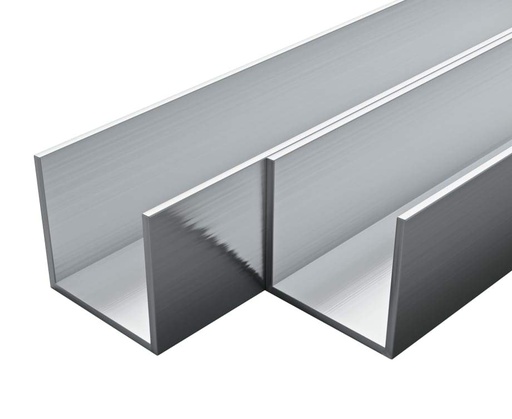
Calculated Support: Determining the Load Capacity of HR Steel Channels
When constructing safe and durable structures in Kenya, understanding the load-bearing capacity of steel components is critical. HR Steel Channels (Hot-Rolled Channels) are widely used in residential, commercial, and industrial construction for beams, lintels, roofing supports, and frameworks.
Determining the correct load capacity ensures that your project is both safe and cost-effective. This guide explores the properties, applications, and calculation methods for HR steel channels, helping contractors, engineers, and homeowners make informed decisions.
What are HR Steel Channels?
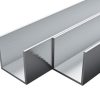
HR (Hot-Rolled) Steel Channels are structural steel sections with a “C” or “U” shape. They are produced by rolling steel at high temperatures, which enhances strength and uniformity.
Key Properties
-
High tensile strength and durability
-
Uniform dimensions for predictable performance
-
Compatibility with welding, bolting, and fabrication
-
Resistance to bending under load, especially in vertical applications
Common Specifications
HR channels in Kenya are available in various sizes and grades, such as:
-
Channel size: Ranging from 50mm to 300mm in width
-
Thickness: Typically 5mm to 15mm
-
Length: Standard 6m, customizable on request
For a wide selection of HR steel channels suitable for construction, visit BHD HR Channel Steel.
Applications of HR Steel Channels
HR channels are versatile and can be used in many construction scenarios:
1. Structural Beams and Supports
They are often used as primary beams for residential and commercial buildings, providing load-bearing support for floors, roofs, and ceilings.
2. Lintels and Door Frames
HR channels serve as lintels above doors and windows, offering strong reinforcement while remaining relatively lightweight compared to solid steel beams.
3. Industrial and Commercial Use
-
Machinery supports and frameworks
-
Storage racks and shelving
-
Roof trusses and bridge components
Proper sizing and calculation ensure these applications remain safe under expected loads.
Factors Affecting Load Capacity
Several factors influence the load-bearing capacity of HR steel channels:
1. Channel Size and Thickness
Wider and thicker channels naturally support higher loads. For instance, a 200mm x 8mm HR channel can bear significantly more weight than a 100mm x 5mm channel.
2. Steel Grade
Higher-grade steel provides better tensile strength and resilience. Always check the material specifications before installation.
3. Span and Support
The distance between supports impacts load capacity. Longer spans may require additional channels or thicker sections to prevent bending.
4. Load Type
-
Uniformly distributed load: Evenly spreads weight across the channel
-
Point load: Concentrated load at a specific point requires careful calculation
-
Dynamic load: Moving or variable weight, like machinery or vehicles, demands extra safety factors
Calculating Load Capacity of HR Channels
While professional engineers often use structural formulas and software, a basic approach involves:
-
Identify the channel section – Determine width, thickness, and height
-
Determine span length – Distance between supports
-
Identify load type – Uniform, point, or dynamic
-
Use standard formulas – Based on bending moment, moment of inertia, and allowable stress
For example, the maximum bending moment (M) a channel can withstand:
M=wL28(for uniformly distributed load)M = \frac{wL^2}{8} \quad \text{(for uniformly distributed load)}
Where:
-
ww = load per unit length
-
LL = span length
Comparing M to the section modulus of the channel gives an estimate of safe load capacity.
For precise calculations, consult structural guides or a civil engineer to ensure compliance with safety standards.
You can also explore complementary steel products like HR Beams and MS Flat Bars to design safe and robust frameworks.
Safety Considerations
-
Always include a safety factor (commonly 1.5–2x) when calculating load
-
Inspect channels for corrosion or damage before installation
-
Ensure proper anchoring and bracing for long spans
-
Consider environmental conditions like wind loads for exposed structures
For tips on protecting steel from rust, refer to BHD’s guide.
Choosing the Right HR Channel for Your Project
Selecting the appropriate HR channel depends on:
-
Project type: Residential, commercial, or industrial
-
Expected load: Live and dead loads of the structure
-
Span length: Distance between supports
-
Budget and availability: Quality channels from trusted suppliers
BHD Kenya supplies a variety of HR steel channels and other construction materials, ensuring both quality and affordability. Nationwide delivery is available to Nairobi, Mombasa, Kisumu, Nakuru, Eldoret, and more.
Why Buy HR Channels from BHD?
-
Quality Assurance: High-strength hot-rolled steel that meets international standards
-
Variety: Multiple sizes and grades for different construction needs
-
Trusted Supplier: Reliable nationwide delivery and contractor support
-
Complementary Products: Access to beams, MS flat bars, TMT bars, and other steel products
For more information and pricing, visit BHD HR Channels.
Final Thoughts
Determining the load capacity of HR steel channels is essential for safe and efficient construction. By considering span, load type, steel grade, and safety factors, you can ensure that your structure remains strong and reliable.
For high-quality HR steel channels and expert guidance on load calculations, contact BHD Kenya today. Nationwide delivery and professional support make BHD the preferred supplier for contractors, builders, and homeowners across Kenya.
COUNTRYWIDE DELIVERIES AVAILABLE
✔ Same-day delivery in Nairobi
✔ Next-day delivery across Kenya
Contact BHD:
burhanihardwaredealers [at] yahoo.com
+254 731 217 462 | +254 704 606 131
Industrial Area, Funzi Road, Nairobi














Leave a reply