
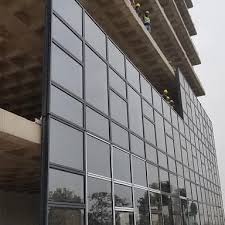
Alucobond vs Traditional Cladding Materials in Kenyan Commercial Buildings
As Kenya’s commercial construction sector continues to grow—especially in Nairobi, Mombasa, Kisumu, Nakuru, and Eldoret—developers, architects, and property owners are increasingly focused on durability, aesthetics, maintenance costs, and long-term value when choosing cladding materials.
Two broad categories dominate the conversation:
-
Modern cladding solutions like Alucobond (Aluminium Composite Panels – ACP)
-
Traditional cladding materials such as stone, concrete, paint, timber, and ceramic tiles
This guide provides a clear, practical comparison of Alucobond vs traditional cladding materials in the context of Kenyan commercial buildings, helping decision-makers choose the most suitable option for offices, malls, hotels, hospitals, and mixed-use developments.
Understanding Alucobond Cladding
Alucobond is a premium aluminium composite panel (ACP) consisting of two aluminium sheets bonded to a core material. It is widely used in:
-
Commercial façades
-
Office feature walls
-
Retail storefronts
-
Hotels and hospitality buildings
-
Corporate signage and branding
Internal Link: Learn more from Understanding Alucobond ACP Panels in Kenya.
Key Characteristics of Alucobond
-
Lightweight yet strong
-
UV- and weather-resistant
-
Smooth, modern finish
-
Easy to fabricate, cut, and bend
-
Low maintenance
Common Traditional Cladding Materials Used in Kenya
Before comparing, let’s look at materials commonly used in Kenyan commercial projects:
1. Natural Stone & Masonry
-
Granite, machine-cut stone, or quarry stone
-
Heavy and labor-intensive
-
High structural load
2. Cement Plaster & Paint
-
Affordable upfront
-
Requires frequent repainting
-
Susceptible to cracking and fading
3. Ceramic & Porcelain Tiles
-
Durable but heavy
-
Limited design flexibility on façades
-
Risk of tile detachment over time
4. Timber & Wood Panels
-
Warm appearance
-
Vulnerable to termites, moisture, and warping
-
High maintenance
Alucobond vs Traditional Cladding: Key Comparisons
1. Durability in Kenyan Climate Conditions
Kenya’s climate presents unique challenges:
-
Strong UV exposure
-
Heavy rains
-
Coastal humidity and salt air
-
Urban pollution
Alucobond
-
Excellent UV resistance
-
Corrosion-resistant aluminium surface
-
Performs well in Nairobi, Mombasa, and Kisumu
Traditional Materials
-
Paint fades and peels
-
Timber deteriorates quickly in humid zones
-
Stone joints can crack with thermal movement
Winner: Alucobond
Internal Link: See maintenance tips for long-lasting Alucobond facades.
2. Maintenance Requirements
Alucobond
-
Simple cleaning with water and mild detergent
-
No repainting or sealing required
-
Minimal lifecycle costs
Traditional Cladding
-
Paint requires repainting every 3–5 years
-
Stone and tiles need periodic repairs
-
Timber needs constant treatment
Winner: Alucobond
3. Weight & Structural Load
Alucobond
-
Lightweight
-
Reduces load on building structure
-
Ideal for high-rise commercial buildings
Traditional Materials
-
Stone and tiles are heavy
-
Increase structural and foundation costs
Winner: Alucobond
4. Aesthetic Flexibility & Modern Appeal
Alucobond
-
Available in matte, gloss, metallic, wood-look finishes
-
Clean, contemporary appearance
-
Supports corporate branding and signage
Traditional Materials
-
Limited finish options
-
More rigid design possibilities
-
Often appear dated in modern developments
Winner: Alucobond
Internal Link: Explore creative architectural uses of Alucobond in Kenya.
5. Installation Speed & Project Timelines
Alucobond
-
Fast installation using framing systems
-
Reduces labor costs
-
Ideal for tight commercial timelines
Traditional Materials
-
Stone and tiles are slow to install
-
Wet works delay project completion
Winner: Alucobond
6. Cost Comparison: Initial vs Long-Term
| Aspect | Alucobond | Traditional Cladding |
|---|---|---|
| Initial Cost | Medium | Low–High |
| Installation Speed | Fast | Slow |
| Maintenance Cost | Low | High |
| Lifespan | Long | Medium |
| Overall Value | High | Moderate |
While Alucobond may appear more expensive upfront, its low maintenance and long lifespan make it more cost-effective over time.
Internal Link: See a full breakdown in the Cost Guide: Alucobond Sheets in Kenya.
Best Use Cases in Kenyan Commercial Buildings
Where Alucobond Performs Best
-
Office towers
-
Shopping malls
-
Hotels and resorts
-
Hospitals and clinics
-
Corporate headquarters
-
Petrol stations and showrooms
Where Traditional Materials Still Fit
-
Low-budget projects
-
Heritage or rustic designs
-
Interior areas with limited exposure
Alucobond and Sustainability Considerations
-
Aluminium is recyclable
-
Panels reduce repainting and material waste
-
Lightweight construction lowers carbon footprint
This aligns with green building trends in Kenya’s urban developments.
Why Kenyan Developers Are Shifting to Alucobond
-
Cleaner, modern appearance
-
Faster construction cycles
-
Lower long-term costs
-
Better performance in local climate conditions
-
Strong brand and commercial appeal
Internal Link: Learn more from Alucobond vs traditional cladding materials in Kenya.
Why Buy Alucobond from BHD Kenya
BHD is a trusted supplier of premium Alucobond sheets for Kenyan commercial projects.
What BHD Offers
-
Wide range of colours and finishes
-
Consistent, UV-stable quality
-
Expert product selection advice
-
Same-day delivery in Nairobi
-
Nationwide next-day delivery
Internal Links:
Final Thoughts
When comparing Alucobond vs traditional cladding materials in Kenyan commercial buildings, Alucobond consistently delivers better durability, faster installation, lower maintenance, and stronger modern appeal.
For developers, architects, and business owners seeking long-term value and contemporary design, Alucobond is the smarter, future-ready cladding solution.
Call to Action
✔ Visit BHD – Industrial Area, Funzi Road, Nairobi
✔ View options & request pricing at www.bhd.co.ke
✔ Call / WhatsApp: +254 731 217 462 | +254 704 606 131
Same-day Nairobi delivery
Next-day delivery countrywide




Leave a reply