
Best Commercial Uses of Polycarbonate Roofing Sheets in Kenya
Quick answer
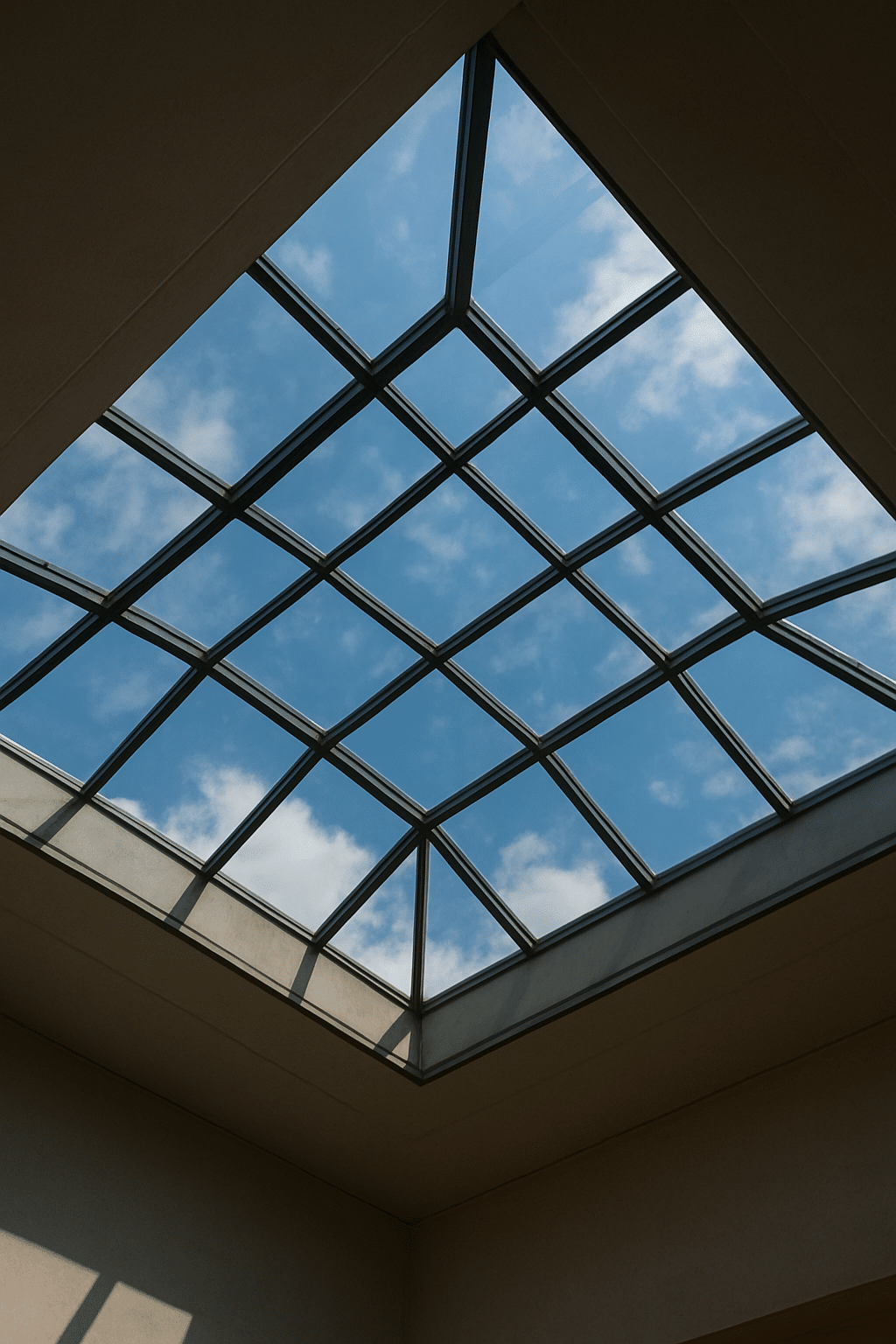
Commercial buildings use polycarbonate roofing mainly for daylighting: translucent sheets let natural light into warehouses, factories, schools, malls and car parks, cutting lighting costs while staying impact resistant. Hollow twinwall sheet is used where insulation and longer spans matter; solid sheet suits canopies and skylights needing clarity and strength. Both are UV stabilised for tropical sun.
Polycarbonate roofing is a high-strength, lightweight glazing material widely used in commercial construction for daylighting, weather protection, and energy efficiency. It is increasingly replacing traditional metal sheets and asbestos due to its impact resistance and UV-stabilized performance. In Kenya, it is especially valuable in buildings that require natural light without compromising durability or safety.
From warehouses in Nairobi Industrial Area to churches in Kisumu and schools in Mombasa, polycarbonate roofing sheets are now a standard solution for modern commercial infrastructure. Their ability to withstand Kenya’s diverse climate conditions makes them a preferred choice for architects, contractors, and developers.
What Is Polycarbonate Roofing and Why Is It Used in Commercial Buildings?
Polycarbonate roofing is a thermoplastic roofing material designed to transmit light while maintaining high impact resistance and weather durability. It is commonly used where natural lighting, safety, and long-term performance are required.
Unlike glass, polycarbonate does not shatter easily, and unlike metal sheets, it allows controlled light penetration. This makes it ideal for commercial buildings that aim to reduce electricity costs and improve indoor lighting quality.
Key advantages in commercial construction:
- High impact resistance (hail, wind, falling debris)
- UV protection for interior spaces and occupants
- Lightweight structure reducing steel load requirements
- Long lifespan under KEBS-compliant installation standards
1. Warehouse Roofing Applications in Kenya
Polycarbonate roofing is used in warehouses to enhance natural lighting, reduce energy consumption, and improve worker visibility. It is commonly installed as skylight strips within metal roofing systems.
Warehouses in Nairobi, Athi River, and Mombasa Industrial Zones use polycarbonate sheets to:
- Reduce electricity usage during daytime operations
- Improve safety during loading and offloading
- Enhance visibility in storage and logistics areas
In Kenya’s hot regions like Mombasa, heat buildup is a concern, so UV-coated polycarbonate sheets are preferred to control solar gain while still allowing daylight.
2. Factory Roofing and Manufacturing Plants
In factories, polycarbonate roofing is used to create controlled daylight zones that improve productivity and reduce reliance on artificial lighting. It is often integrated into steel roofing systems like Zed purlins and HR beams.
Factories benefit from:
- Reduced operational electricity costs
- Improved visibility in assembly lines
- Heat-resistant roofing for industrial environments
Specifications Table (Industrial Polycarbonate Roofing)
| Parameter | Specification |
|---|---|
| Thickness | 1.0mm – 3.0mm |
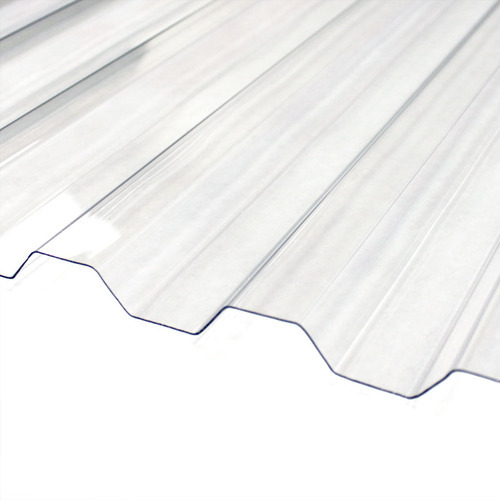
| Sheet Type | Solid / Hollow / Corrugated |
| Light Transmission | 40% – 90% (depending on type) |
| UV Protection | Yes (co-extruded layer) |
| Length | Custom cut (commonly 6m) |
| Lifespan | 10–20 years (proper installation) |
3. Church Roofing Applications (Kenya Context)
Churches use polycarbonate roofing to create naturally lit sanctuaries that reduce energy costs and enhance interior ambience. The material is especially popular in large worship spaces requiring bright, open environments.
In Kenyan churches (Nairobi, Eldoret, and rural assemblies), polycarbonate sheets are used for:
- Roof skylights above altar areas
- Side roofing for natural illumination
- Decorative translucent roofing sections
Kenyan climate relevance:
- Coastal regions (Mombasa): requires UV and corrosion resistance due to humidity
- Highlands (Nakuru, Nyeri): needs thermal stability against temperature shifts
egyptian-hollow-polycarbonate-sheets
4. School Roofing and Educational Facilities
Polycarbonate roofing improves learning environments by maximizing natural daylight while maintaining weather protection. It is widely used in classrooms, libraries, and corridors.
Schools benefit in the following ways:
- Reduced electricity costs for lighting
- Improved student concentration due to natural lighting
- Safer roofing compared to brittle glass installations
In Kenya’s National Building Code 2024 context, daylight optimization is increasingly encouraged in public infrastructure, making polycarbonate roofing a compliant and future-ready solution.
5. Commercial Walkways, Canopies, and Entrance Covers
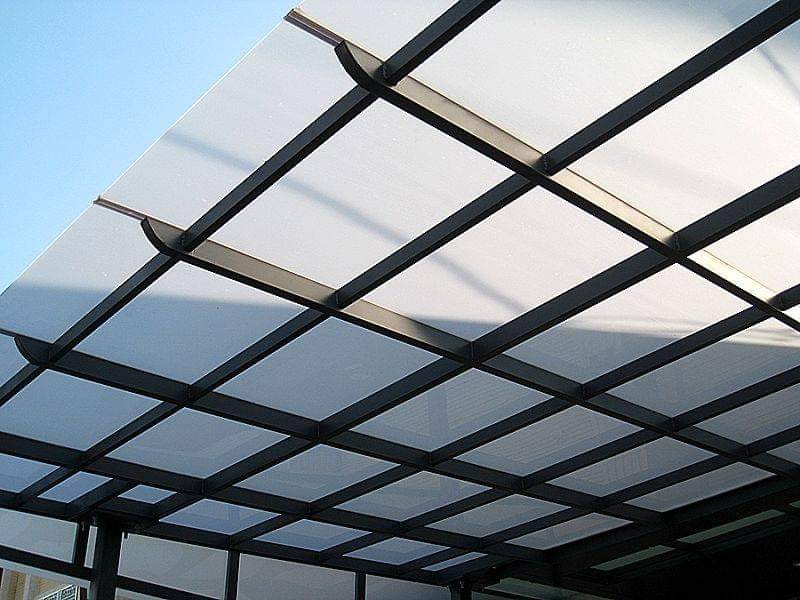
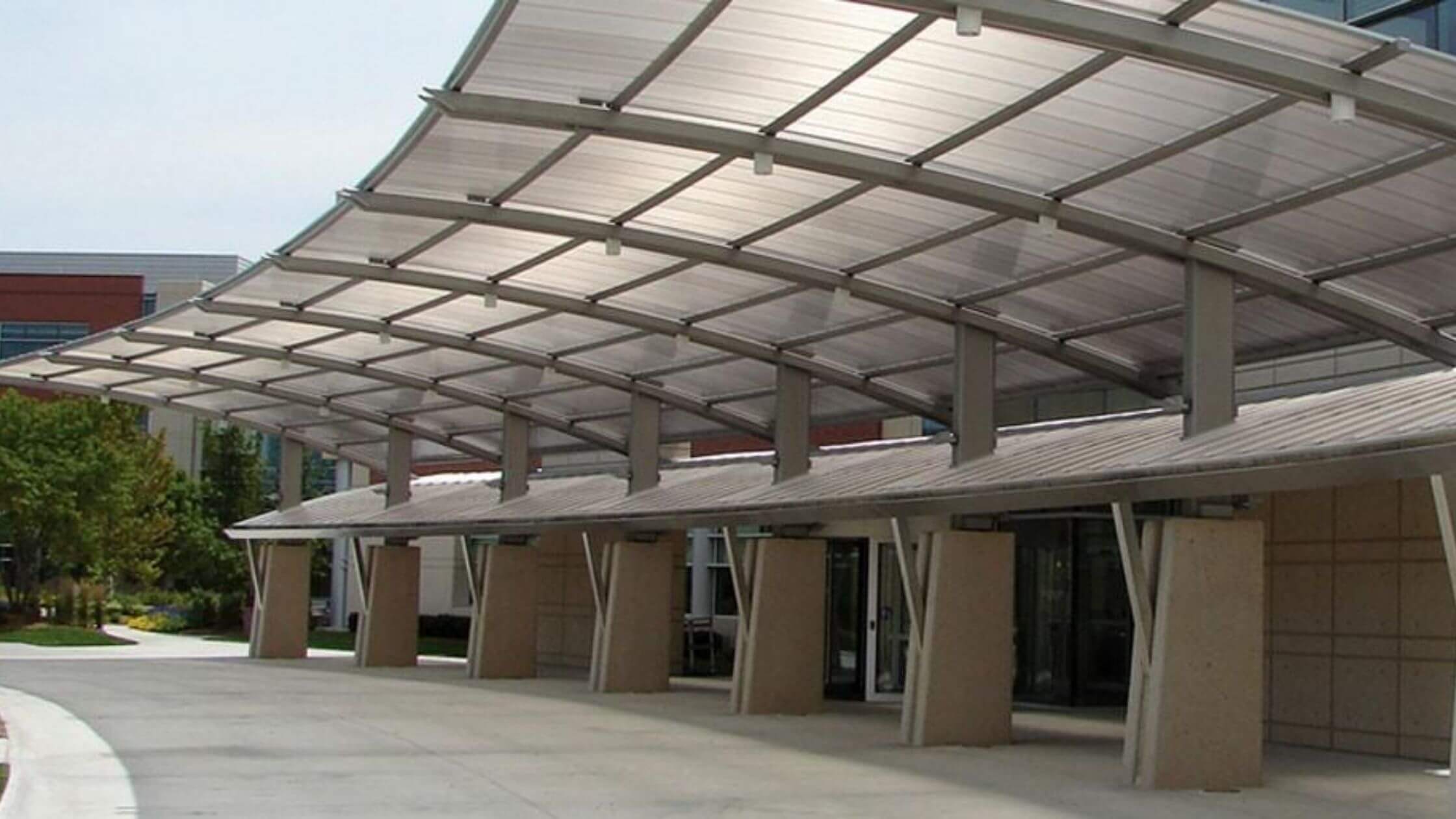
Polycarbonate sheets are widely used in commercial walkways and canopies due to their transparency, weather resistance, and aesthetic appeal. They are commonly installed in malls, hospitals, and office complexes.
Use cases include:
- Shopping mall entrances
- Hospital covered walkways
- Office building drop-off zones
Why it works:
- Blocks UV radiation while allowing light through
- Withstands heavy rainfall and wind loads
- Enhances architectural appearance
6. Greenhouses and Controlled Commercial Agriculture
Polycarbonate roofing is used in agricultural commercial structures to create controlled environments for crop production. It regulates light intensity and temperature for optimal plant growth.
Applications include:
- Flower farms in Naivasha
- Vegetable greenhouses in Kiambu
- Export farming structures in Rift Valley
Kenyan climate advantage:
- Rift Valley wind conditions require high structural strength materials
- Polycarbonate reduces crop stress from direct UV exposure
7. Commercial Retail Spaces and Shopping Centers
Retail developers use polycarbonate roofing to enhance customer experience through natural lighting and modern architectural design. It is commonly integrated into atriums and open-air malls.
Benefits:
- Reduces lighting costs in large retail spaces
- Creates visually appealing interiors
- Improves customer comfort in daytime shopping hours
Technical Performance in Kenyan Conditions
Polycarbonate roofing performs effectively across Kenya’s diverse climatic zones due to its UV resistance, thermal stability, and structural flexibility.
Climate Adaptation Insights:
- Nairobi/Central Kenya: Handles UV exposure and temperature swings
- Coastal Kenya (Mombasa): Resists humidity and corrosion better than metal alternatives
- Rift Valley: Performs well under high wind pressure when properly fixed with steel framing
Compliance note:
Polycarbonate roofing should meet KEBS standards (KS 02-17 where applicable) and be installed according to structural safety guidelines outlined in the National Building Code 2024 to ensure load safety and fire compliance.
- Explore full materials catalog: catalog
- Contact BHD for quotations: contact-us
- Why BHD is Kenya’s leading supplier: why-bhd-kenya-is-the-leading-supplier-of-construction-materials-kenya
- Buy polycarbonate sheets: solid-polycarbonate-sheets
- Hollow polycarbonate options: egyptian-hollow-polycarbonate-sheets
- Roofing systems overview: steel-products-in-kenya
- PVC drainage compatibility: pvc-gutters
- Architectural finishes: wpc-wall-panels
FAQs: Polycarbonate Roofing in Commercial Buildings
1. What is polycarbonate roofing used for in commercial buildings?
It is used for skylights, canopies, warehouses, factories, schools, and churches to provide natural lighting and weather protection. It improves energy efficiency while maintaining structural durability.
2. Is polycarbonate roofing better than iron sheets for warehouses?
Yes, in lighting and energy efficiency, polycarbonate is superior because it allows natural light penetration. However, it is often combined with steel roofing for structural strength.
3. How long does polycarbonate roofing last in Kenya?
High-quality UV-protected polycarbonate sheets last between 10–20 years depending on installation quality and environmental exposure. Proper maintenance extends lifespan significantly.
4. Does polycarbonate roofing handle Kenyan weather conditions?
Yes, it performs well in all Kenyan climate zones including coastal humidity, highland UV exposure, and Rift Valley wind conditions. Correct framing is essential for wind resistance.
5. Can polycarbonate roofing reduce electricity bills?
Yes, it reduces daytime lighting costs by allowing natural daylight into buildings. This is especially effective in warehouses and factories.
6. Is polycarbonate roofing allowed under Kenyan building regulations?
Yes, when installed according to KEBS standards and the National Building Code 2024 requirements. Compliance ensures safety and structural integrity.
7. What thickness is best for commercial roofing?
Commercial applications typically use 1.0mm to 3.0mm sheets depending on load and structural requirements. Thicker sheets are used for high-impact zones.
Conclusion
Polycarbonate roofing has become a core material in Kenya’s commercial construction sector due to its balance of strength, light transmission, and climate adaptability. It is now widely used in warehouses, factories, schools, churches, and retail spaces where performance and energy efficiency are critical.
For developers and contractors, selecting the right grade and installation system is essential for long-term performance under Kenyan environmental conditions.
Call to Action (BHD Kenya)
Contact Burhani Hardware Dealers (BHD)
burhanihardwaredealers [at] yahoo.com
Call/WhatsApp: +254 731 217 462 | +254 790 545 205
Visit: BHD, Industrial Area, Funzi Road, Nairobi
Website: https://bhd.co.ke/
Delivery Guarantee:
Same-day delivery within Nairobi.
Next-day delivery countrywide to Nakuru, Kisumu, Mombasa, Eldoret, Thika, Meru, Kitengela, Malindi.
Frequently asked questions

Written & reviewed by
BHD Kenya
Burhani Hardware Dealers (BHD Kenya) is a Nairobi-based supplier of polycarbonate roofing, Alucobond/ACP cladding, Perspex, WPC wall panels and steel products, serving contractors, fabricators and homeowners across Kenya.