
Why Modern Architects in Kenya Prefer Polycarbonate Roofing
Quick answer
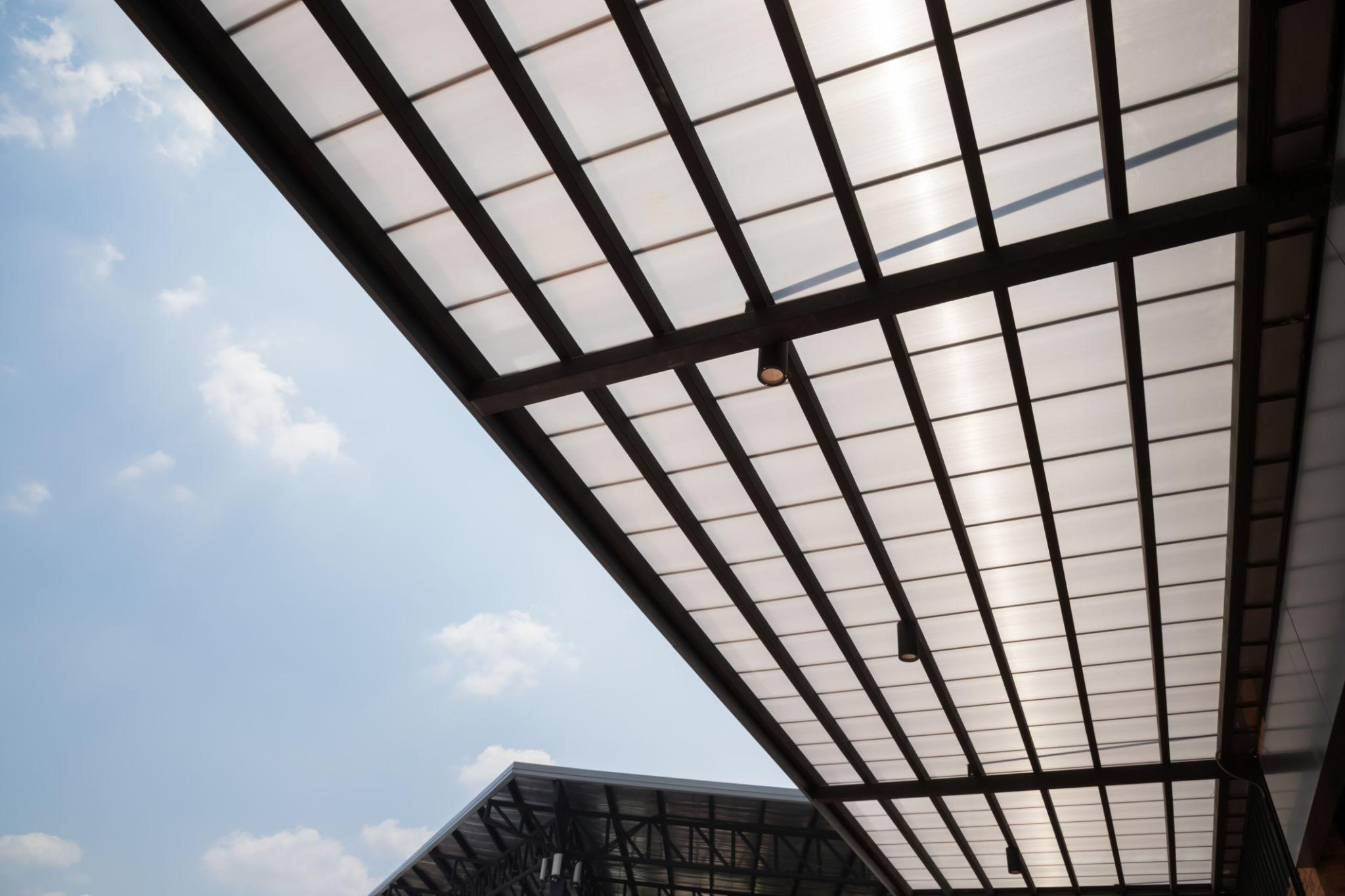
Architects specify polycarbonate roofing because one material gives daylight, weather protection and low structural load. The sheets are light enough to span on slim steel purlins, can be cold-curved over canopies and atriums, and resist impact far better than glass. That allows walkways, skylights and verandas that iron sheets cannot achieve.
Architects in Kenya prefer polycarbonate roofing because it combines structural performance, daylight optimization, and modern architectural aesthetics in a single material. It allows designers to move beyond traditional iron sheet roofing into lighter, more visually expressive building systems.
Across Nairobi, Mombasa, and Kisumu, polycarbonate sheets are now a core material in modern building design due to their flexibility, durability, and compliance with contemporary construction standards. This shift is strongly driven by energy efficiency goals and modern architectural trends.
Why Do Architects Prefer Polycarbonate Roofing in Modern Designs?
Architects prefer polycarbonate roofing because it enables natural lighting, reduces structural load, and supports innovative building forms. It allows for both functional and aesthetic improvements in commercial and institutional projects.
Unlike traditional roofing materials, polycarbonate supports:
- Transparent and semi-transparent architectural effects
- Lightweight structural integration with steel framing
- Energy-efficient daylight harvesting
- Modern façade and roofing combinations
1. Architectural Freedom and Design Flexibility
Polycarbonate roofing gives architects greater freedom to design curved, angled, and hybrid roof structures without compromising strength. It is easier to cut, shape, and install compared to glass or metal alternatives.
In Kenya, this is especially important for:
- Commercial malls in Nairobi Westlands
- Modern schools in Kiambu
- Corporate offices in Upper Hill
Why it matters:
- Enables complex roof geometries
- Reduces dependency on heavy steel reinforcement
- Supports modular construction trends
2. Natural Lighting as a Core Design Principle
Modern architectural design prioritizes daylight integration, and polycarbonate roofing provides controlled natural lighting without glare or UV damage. This reduces reliance on artificial lighting during daytime operations.
Specifications Table: Light Transmission Performance
| Parameter | Range |
|---|---|
| Light Transmission | 40% – 90% |
| UV Protection | Co-extruded layer |
| Heat Resistance | High (varies by sheet type) |
| Surface Finish | Clear, tinted, or diffused |
Kenyan relevance:
- Nairobi offices reduce lighting energy consumption
- Schools benefit from improved classroom visibility
- Retail spaces enhance customer experience through daylight ambiance
3. Structural Efficiency and Lightweight Construction
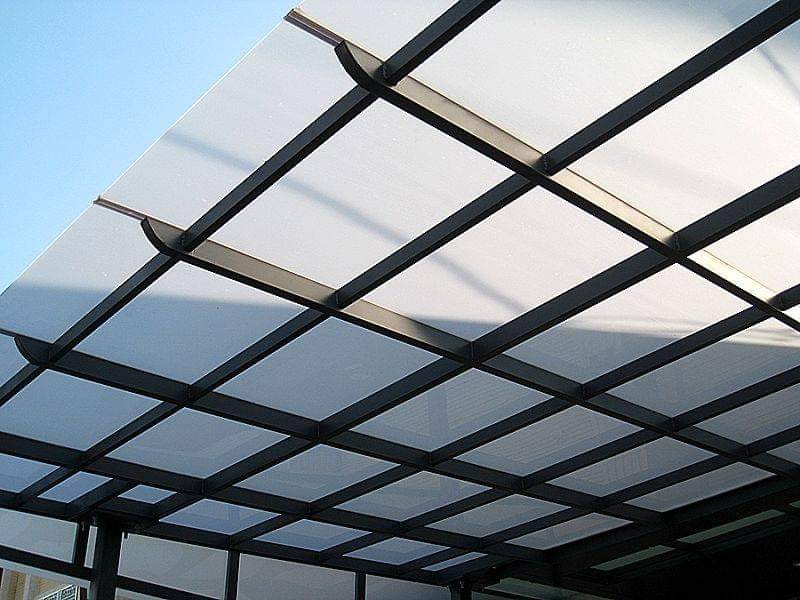
Polycarbonate roofing reduces structural load on buildings, making it ideal for modern steel-frame architecture used across Kenya’s commercial sector. It integrates easily with SHS, RHS, and Zed purlin systems.
Benefits:
- Reduced steel consumption in roofing systems
- Faster installation timelines
- Lower transportation and logistics costs
4. Climate-Responsive Architecture in Kenya
Architects in Kenya use polycarbonate roofing because it performs well across diverse climatic zones, from coastal humidity to highland UV exposure.
Regional performance insights:
- Mombasa (Coastal): High humidity requires UV-stabilized sheets to prevent degradation
- Nairobi (Central): Handles UV radiation and moderate temperature variation
- Rift Valley: Wind-resistant installation required due to high wind loads
Compliance consideration:
Polycarbonate roofing aligns with KEBS material expectations (KS 02-17 where applicable) and supports structural safety requirements under the National Building Code 2024, especially for public and commercial buildings.
5. Transparency and Modern Aesthetic Appeal
Transparent roofing systems are a defining feature of modern architecture, and polycarbonate sheets provide a balance between clarity, privacy, and UV control. This makes them ideal for contemporary building aesthetics.
Common applications:
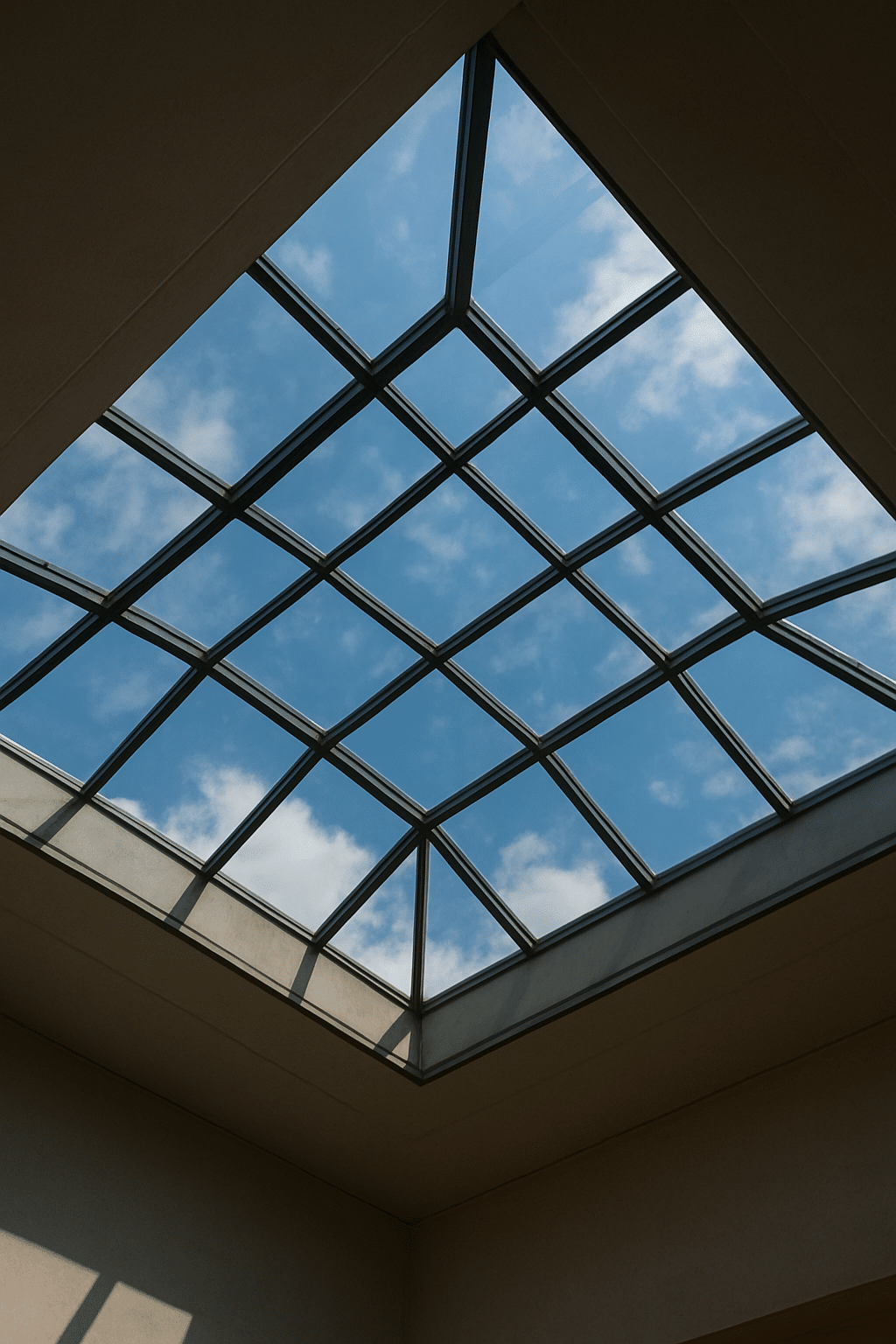
- Skylights in corporate buildings
- Atrium roofing in malls
- Covered walkways in hospitals and universities
6. Energy Efficiency and Sustainable Building Design
Polycarbonate roofing contributes to sustainable architecture by reducing energy consumption through daylight optimization and thermal control. This aligns with global green building trends now influencing Kenyan construction.
Energy benefits:
- Reduced artificial lighting usage
- Lower cooling loads in daytime operations
- Improved indoor environmental quality
In Kenya’s commercial sector, developers are increasingly prioritizing sustainability due to rising electricity costs and environmental compliance expectations.
7. Application in Modern Commercial Architecture
Polycarbonate roofing is widely used in Kenya’s modern architectural projects including offices, malls, schools, and transport hubs. It is often combined with steel and aluminum systems for hybrid designs.
Use cases:
- Shopping mall skylight systems
- Airport terminal roofing zones
- Corporate atrium structures
- Educational campus corridors
Technical Specifications of Architectural Polycarbonate Sheets
| Parameter | Specification |
|---|---|
| Thickness | 1.0mm – 3.0mm |
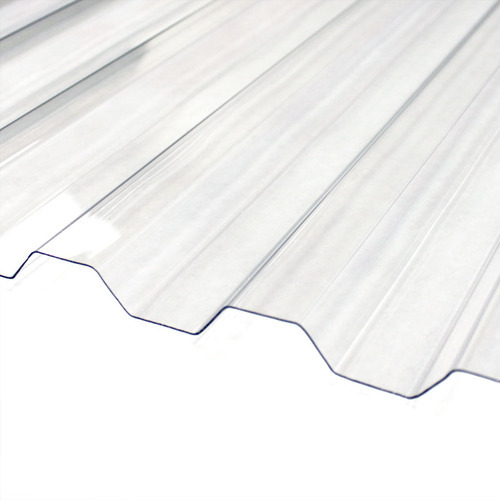
| Sheet Types | Solid / Hollow / Corrugated |
| UV Protection | Co-extruded layer |
| Length | Custom (commonly 6m) |
| Color Options | Clear, bronze, opal |
| Lifespan | 10–20 years |
Internal Linking (BHD Architecture & Materials Hub)
- Explore architectural materials: catalog
- Polycarbonate sheet options: egyptian-hollow-polycarbonate-sheets
- Solid sheet solutions: solid-polycarbonate-sheets
- Structural steel systems: hr-beams
- Fabrication materials: ms-flat-bars
- Contact BHD: contact-us
- Why BHD Kenya:why-bhd-kenya-is-the-leading-supplier-of-construction-materials-kenya
FAQs: Architectural Use of Polycarbonate Roofing
1. Why do architects prefer polycarbonate roofing in Kenya?
Because it provides natural lighting, design flexibility, and reduced structural load while maintaining durability in different Kenyan climates.
2. Is polycarbonate roofing suitable for modern buildings?
Yes, it is widely used in modern commercial architecture including malls, offices, schools, and transport hubs due to its transparency and strength.
3. Does polycarbonate roofing support sustainable architecture?
Yes, it reduces energy consumption by maximizing daylight and improving thermal performance in buildings.
4. How long does architectural polycarbonate roofing last?
It typically lasts 10–20 years depending on quality, UV protection, and installation standards.
5. Can polycarbonate roofing be used with steel structures?
Yes, it integrates easily with SHS, RHS, and Zed purlin steel systems used in modern Kenyan construction.
Conclusion
Polycarbonate roofing has become a defining material in modern Kenyan architecture due to its balance of transparency, strength, and environmental efficiency. Architects prefer it because it supports innovation while meeting practical construction demands across diverse project types.
Call to Action (BHD Kenya)
Contact Burhani Hardware Dealers (BHD)
burhanihardwaredealers [at] yahoo.com
Call/WhatsApp: +254 731 217 462 | +254 790 545 205
Visit: BHD, Industrial Area, Funzi Road, Nairobi
Website: https://bhd.co.ke/
Delivery Guarantee:
Same-day delivery within Nairobi.
Next-day delivery countrywide to Nakuru, Kisumu, Mombasa, Eldoret, Thika, Meru, Kitengela, Malindi.
Frequently asked questions

Written & reviewed by
BHD Kenya
Burhani Hardware Dealers (BHD Kenya) is a Nairobi-based supplier of polycarbonate roofing, Alucobond/ACP cladding, Perspex, WPC wall panels and steel products, serving contractors, fabricators and homeowners across Kenya.