
Polycarbonate vs Glass Roofing in Kenya – Cost, Durability & Safety (2026 Guide)
Quick answer
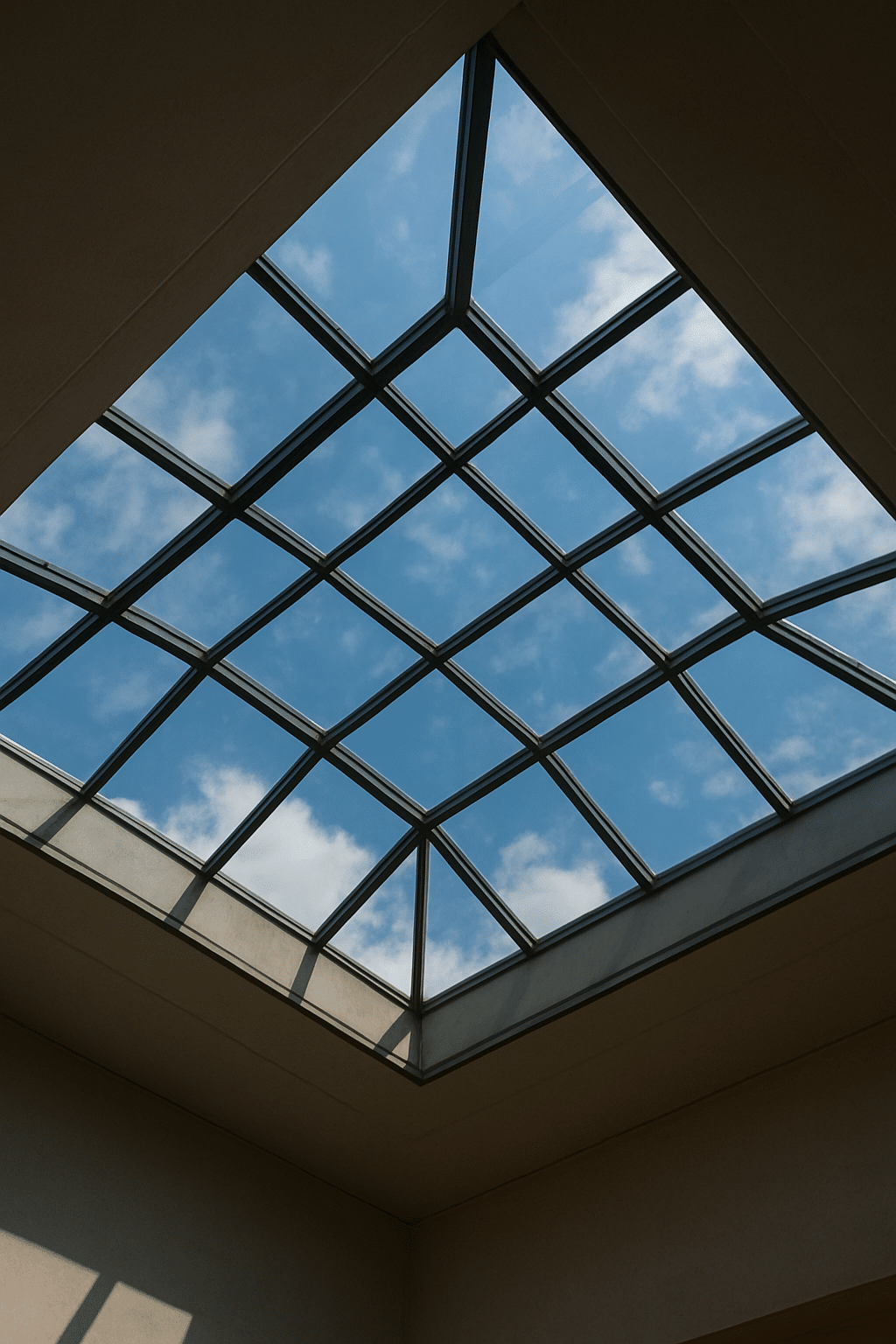
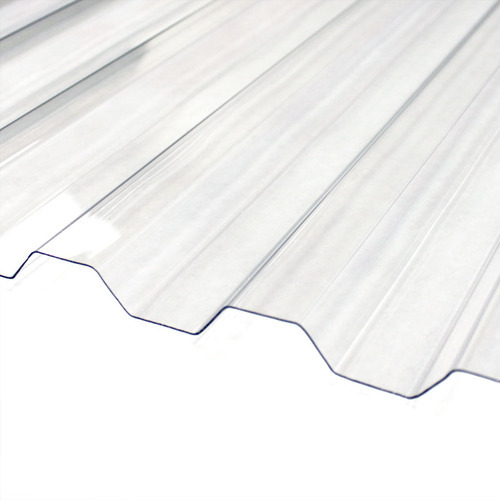
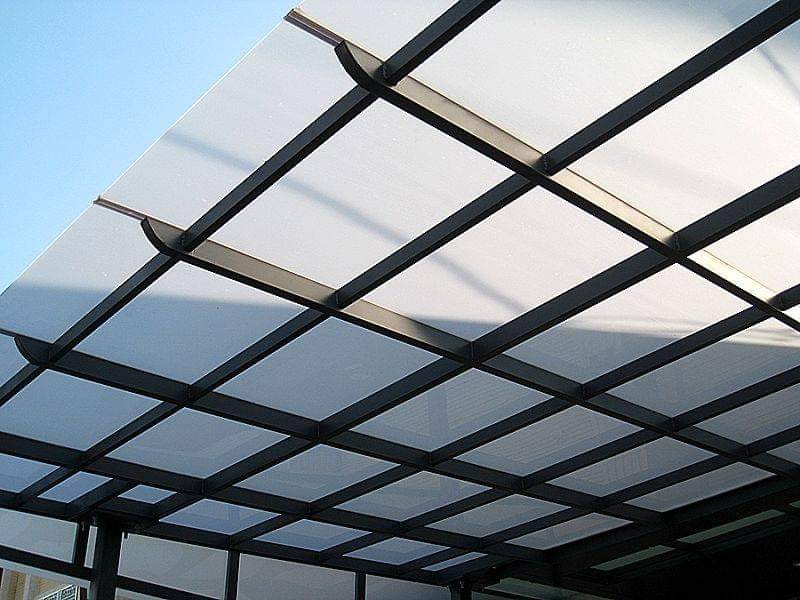
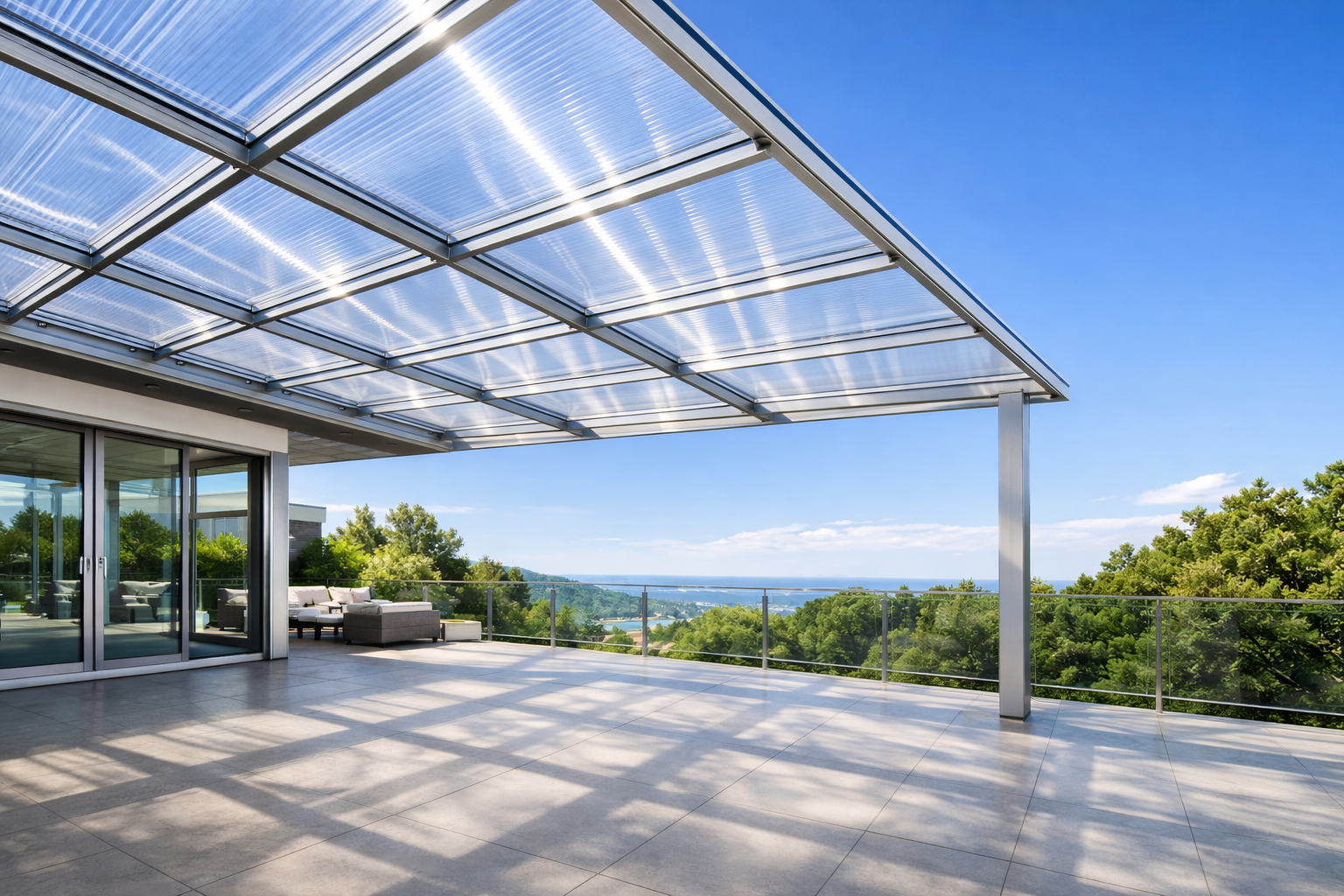
Polycarbonate roofing is much lighter than glass, highly impact-resistant and does not shatter, so it needs less supporting structure and is safer overhead, and it can be curved cold. Glass holds its clarity and scratch resistance longer and looks more premium. For Kenyan skylights, carports, walkways and warehouse roof lights, polycarbonate is usually the practical choice.
Polycarbonate vs Glass Roofing in Kenya – Cost, Durability & Safety (2026 Guide)
In Kenya’s construction industry, choosing between polycarbonate roofing and glass roofing is a major decision for skylights, carports, warehouses, pergolas, and commercial buildings. The choice affects safety, long-term maintenance costs, heat performance, and structural design.
This guide compares both materials using real Kenyan construction conditions, including climate performance, KEBS compliance expectations, installation behavior, and total lifecycle cost.
What is the Difference Between Polycarbonate and Glass Roofing?
Polycarbonate roofing is a lightweight, impact-resistant thermoplastic sheet designed for skylights and transparent roofing systems. Glass roofing is a rigid, brittle silica-based material used for architectural transparency and aesthetic glazing. The key difference is that polycarbonate prioritizes safety and flexibility, while glass prioritizes clarity and visual aesthetics.
In Kenya, this difference becomes even more important due to high UV exposure, heavy rainfall seasons, and varying wind loads across regions like Nairobi, Mombasa, and the Rift Valley.
Which Is Better for Roofing in Kenya: Polycarbonate or Glass?
Polycarbonate roofing is generally better than glass roofing for most Kenyan applications because it offers higher impact resistance, lower weight, and better weather adaptability. Glass is only preferable in controlled architectural environments where aesthetics and optical clarity are more important than durability.
For most contractors, developers, and industrial projects in Kenya, polycarbonate is the practical choice due to:
- Lower structural load requirements
- Better resistance to breakage
- Faster installation
- Lower long-term maintenance cost
Durability Comparison in Kenyan Climate Conditions
Polycarbonate roofing performs significantly better than glass in Kenya’s mixed climate conditions due to its flexibility, UV resistance, and shock absorption capacity. Glass is strong in compression but highly vulnerable to impact failure and thermal stress cracking.
Kenya Climate Impact Breakdown
- Nairobi (High UV + moderate rainfall): Polycarbonate resists UV degradation when coated
- Mombasa (Humidity + salt corrosion): Glass requires stronger framing; polycarbonate handles humidity better
- Rift Valley (Wind load zones): Polycarbonate flexes under wind stress; glass risks cracking under pressure points
Key Durability Insight
Polycarbonate can absorb physical stress without shattering, while glass fails suddenly when its stress threshold is exceeded.
Safety Comparison: Polycarbonate vs Glass Roofing
Polycarbonate roofing is far safer than glass because it is shatter-resistant and does not form dangerous sharp fragments when damaged. Glass roofing poses a higher risk in public, industrial, and residential installations due to its brittle fracture pattern.
Real Construction Risk Scenarios in Kenya
- Falling debris in industrial zones (Industrial Area Nairobi)
- Strong winds in open carports
- Thermal expansion in direct sun exposure
- Installation accidents during roofing works
Because of these risks, many contractors in Kenya prefer:
Glass is generally limited to:
- Controlled skylight atriums
- High-end architectural facades
- Interior daylight partitions
Cost Comparison in Kenya
Polycarbonate roofing is more cost-effective than glass roofing when considering both installation and lifecycle costs. Glass may appear cheaper per square meter in some cases, but structural reinforcement and maintenance significantly increase total project cost.
Cost Drivers in Kenya
Polycarbonate:
- Lightweight → less steel framing required
- Faster installation → reduced labor costs
- Lower breakage risk → fewer replacements
Glass:
- Heavy → requires reinforced steel structure
- High transport risk → breakage during delivery common
- Specialized installation → higher labor cost
Supporting structural systems:
Heat, Light Transmission & Comfort Performance
Polycarbonate roofing allows controlled light diffusion while reducing heat buildup, whereas glass allows higher direct light transmission but often increases indoor heat gain. This makes polycarbonate more suitable for warehouses and industrial buildings in hot Kenyan regions.
Performance Behavior
| Factor | Polycarbonate | Glass |
|---|---|---|
| Light Diffusion | Even, soft light | Direct, sharp light |
| Heat Control | Better insulation options | Higher heat gain |
| UV Filtering | Built-in UV coatings | Requires special treated glass |
| Glare Control | Good | Poor without tinting |
In Kenya’s equatorial sun conditions, uncontrolled glare and heat can significantly increase cooling costs in commercial buildings.
Installation Differences in Kenya
Polycarbonate roofing is easier and faster to install compared to glass roofing due to its lightweight nature and flexible handling properties. Glass installation requires heavy lifting equipment, precise alignment, and high-risk handling procedures.
Installation Reality in Kenyan Sites
Polycarbonate:
- Can be installed with basic contractor tools
- Suitable for fast-track commercial projects
- Lower dependency on heavy machinery
Glass:
- Requires suction lifting equipment
- Requires highly skilled glazing specialists
- Higher risk of on-site breakage
Supporting installation tools and access materials:
Structural Requirements Comparison
Glass roofing requires significantly stronger structural support systems compared to polycarbonate due to its weight and brittleness. Polycarbonate reduces structural load requirements, making it more efficient for steel-framed buildings in Kenya.
Structural Impact
- Polycarbonate → lightweight → reduced SHS/RHS steel demand
- Glass → heavy → increased beam sizing and reinforcement
Supporting steel systems:
Specifications Table – Polycarbonate vs Glass Roofing
| Parameter | Polycarbonate | Glass |
|---|---|---|
| Weight | Lightweight | Heavy |
| Impact Resistance | Very high | Low (brittle) |
| Light Transmission | 40%–90% | Up to 95% |
| UV Protection | Built-in coatings | Requires treated glass |
| Lifespan | 10–20 years | 20+ years (with careful handling) |
| Safety | Shatter-resistant | Breakable into sharp fragments |
| Maintenance | Low | High |
Best Use Cases in Kenya
Polycarbonate roofing is best suited for functional, high-traffic, and industrial environments, while glass roofing is best for aesthetic and architectural showcase applications.
Polycarbonate Use Cases
- Warehouses (Industrial Area Nairobi)
- Carports and parking shades
- School roofing systems
- Greenhouses and agricultural structures
- Pergolas and outdoor shading
Explore:
Glass Use Cases
- Luxury residential skylights
- Commercial atriums
- High-end architectural facades
Compliance and Standards in Kenya (KEBS & Building Code 2024)
Both polycarbonate and glass roofing materials must comply with KEBS standards and the National Building Code 2024 to ensure structural safety and fire resistance. Compliance ensures materials meet minimum thresholds for load capacity, UV resistance, and installation safety.
Key compliance considerations:
- Wind load resistance in open structures
- Fire safety classification for roofing systems
- Structural integration with steel framing systems
- Material certification (KEBS-approved suppliers recommended)
Supporting catalog reference:
FAQs – Polycarbonate vs Glass Roofing in Kenya
1. Which is better for roofing in Kenya, polycarbonate or glass?
Polycarbonate is generally better due to its strength, safety, and weather resistance in Kenya’s climate conditions.
2. Is polycarbonate roofing cheaper than glass in Kenya?
Yes, polycarbonate is more cost-effective because it requires less structural support and lower installation costs.
3. Does glass roofing break easily in Kenyan weather?
Yes, glass is more prone to cracking under impact, wind stress, or thermal expansion compared to polycarbonate.
4. How long does polycarbonate roofing last in Kenya?
High-quality UV-protected polycarbonate sheets can last 10–20 years depending on installation and exposure conditions.
5. Which roofing is safer for schools and public buildings?
Polycarbonate is safer because it is shatter-resistant and does not produce dangerous sharp fragments when damaged.
6. Can polycarbonate replace glass skylights?
Yes, in most functional applications polycarbonate is a safer and more practical alternative to glass skylights.
Contact Burhani Hardware Dealers (BHD)
burhanihardwaredealers [at] yahoo.com
Call/WhatsApp: +254 731 217 462 | +254 790 545 205
Visit: BHD, Industrial Area, Funzi Road, Nairobi
Website: https://bhd.co.ke/
Delivery Guarantee:
Same-day delivery within Nairobi.
Next-day delivery countrywide to Nakuru, Kisumu, Mombasa, Eldoret, Thika, Meru, Kitengela, Malindi.
Frequently asked questions
Written & reviewed by
BHD Kenya
Burhani Hardware Dealers (BHD Kenya) is a Nairobi-based supplier of polycarbonate roofing, Alucobond/ACP cladding, Perspex, WPC wall panels and steel products, serving contractors, fabricators and homeowners across Kenya.