

Best Exterior Finishing Materials Kenya: Complete Guide 2026
Quick answer
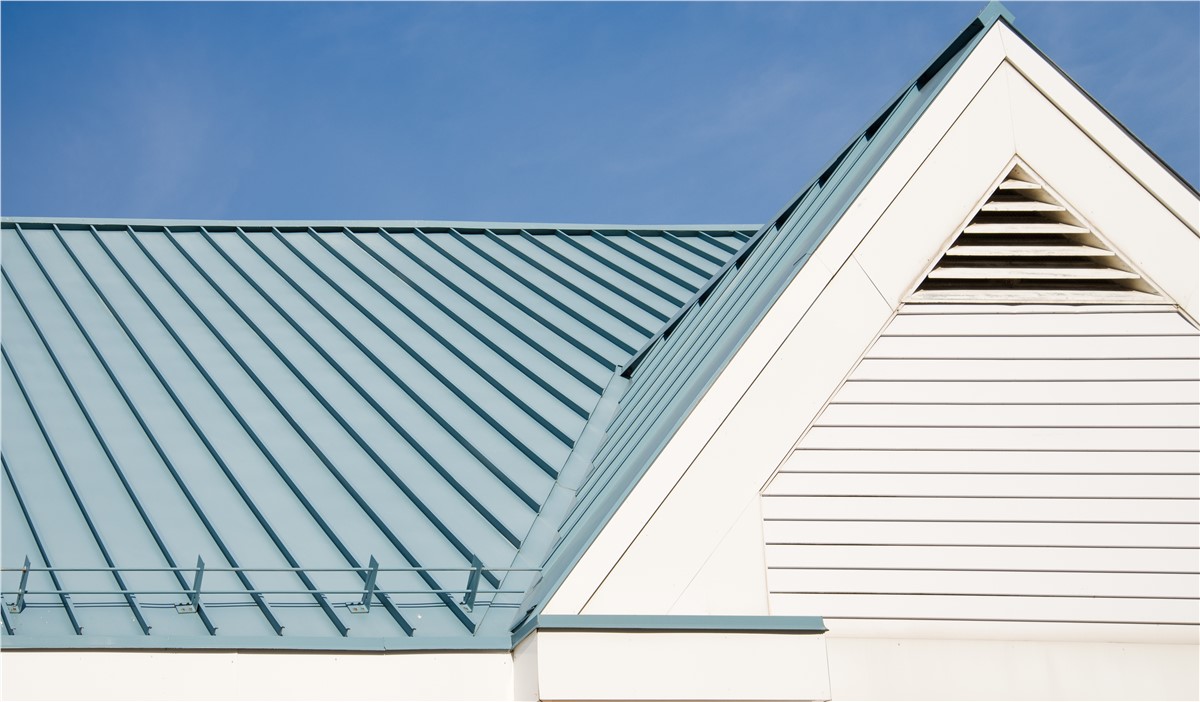
An exterior finish is part of the building envelope, not just decoration. In Kenya the usual options are ACP and aluminium cladding, exterior-grade WPC, natural or reconstituted stone, textured coatings and render. Choose by exposure to sun and driving rain, the maintenance you are willing to do, and how the finish is fixed and drained behind.
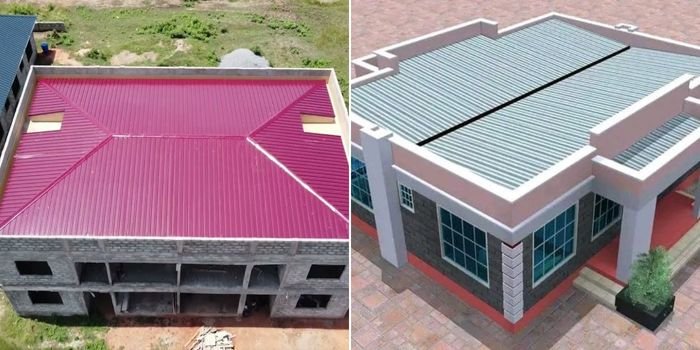
Exterior finishing materials influence a building's appearance, weather resistance, maintenance needs and long-term performance. In Kenya, options such as wall cladding, aluminium panels, ACP, stone finishes, textured coatings and other facade materials can be selected according to the building type, location and design requirements.
The exterior finish is more than a decorative layer. It forms part of the building envelope and must work with walls, windows, doors, roofing, drainage and other components.
For homeowners, developers, architects and contractors researching exterior finishes Kenya, the right choice should balance appearance with durability, installation requirements, environmental exposure and maintenance.
What Are Exterior Finishing Materials?
Exterior finishing materials are products applied to the outside surfaces of buildings to create a finished appearance and, depending on the system, provide protection against environmental exposure. They include cladding panels, masonry finishes, coatings, stone, aluminium and other facade materials.
Common exterior finishes include:
- ACP and aluminium cladding
- WPC cladding
- Natural stone
- Stone-effect panels
- Render and plaster finishes
- Textured coatings
- Exterior paint
- Brick finishes
- Concrete finishes
- Architectural screens
The appropriate material depends on the wall construction and the desired architectural result.
What Are the Best Exterior Finishing Materials in Kenya?
There is no single best exterior finish for every building. ACP, aluminium, WPC, stone, textured coatings, paint and other facade materials can each be appropriate depending on exposure, appearance, maintenance requirements, budget and installation system.
| Material | Typical Use | Main Consideration |
|---|---|---|
| ACP | Modern facades | Panel specification and fixing |
| Aluminium | Contemporary facades | Finish and support system |
| WPC | Feature areas | UV and moisture suitability |
| Natural stone | Premium facades | Weight and structural support |
| Stone-effect panels | Feature walls | Product specifications |
| Render | General wall finish | Cracking and maintenance |
| Exterior paint | Decorative finish | Surface preparation and repainting |
| Brick | Traditional/contemporary facades | Installation and moisture detailing |
The material should be selected according to the specific project rather than appearance alone.
ACP Exterior Cladding
Aluminium composite panels can provide a clean, contemporary finish for commercial and residential facades. Their suitability depends on the panel construction, coating, fire performance, fixing system and installation requirements.
ACP can be used on:
- Office buildings
- Retail premises
- Apartment blocks
- Commercial entrances
- Residential features
- Signage backgrounds
Available finishes can include metallic, solid, gloss, matte and other decorative effects.
When specifying ACP, check:
- Core type
- Panel thickness
- Coating
- Fire classification
- UV performance
- Fixing method
- Manufacturer instructions
Different ACP products are not automatically equivalent.
Aluminium Exterior Finishes
Aluminium can provide a lightweight, contemporary facade finish with a range of architectural possibilities. It can be used for panels, frames, screens and other exterior features when the material and coating are appropriate for the application.
Aluminium is often selected for:
- Modern office buildings
- Commercial facades
- Window systems
- Entrance features
- Architectural screens
- Canopies
Its appearance can be coordinated with glass, ACP, stone and other materials.
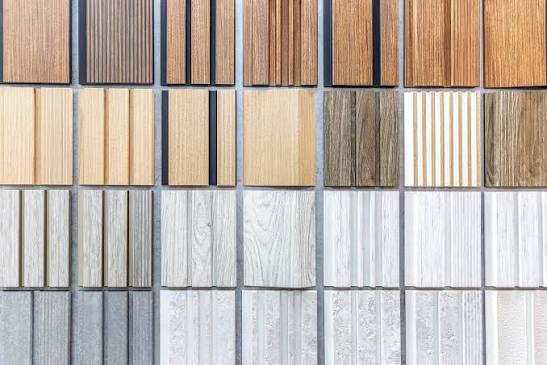
WPC Exterior Cladding
WPC cladding can provide a wood-inspired appearance for selected exterior applications. The specific product should be confirmed as suitable for outdoor exposure, particularly regarding UV radiation, moisture and temperature changes.
WPC is often considered for:
- Entrance features
- Balcony sections
- Feature walls
- Canopies
- Architectural accents
It can add warmth to facades dominated by concrete, glass and metal.
Natural Stone Exterior Finishes
Natural stone can create a durable and premium-looking exterior finish when correctly specified and installed. Because stone can be heavy, the substrate, structural support and fixing system must be assessed before installation.
Potential applications include:
- Feature walls
- Building entrances
- Boundary walls
- Commercial facades
- Columns
Stone selection should consider:
- Weight
- Porosity
- Weather exposure
- Colour stability
- Cleaning
- Fixing requirements
Stone-Effect Exterior Panels
Stone-effect panels can provide a decorative alternative for projects seeking the appearance of natural stone. Their suitability depends on the manufacturer's specifications and whether the particular product is designed for exterior use.
They can be used for:
- Entrance walls
- Feature sections
- Commercial buildings
- Residential facades
- Boundary features
Always distinguish between products designed specifically for exterior applications and interior decorative panels.
Render and Plaster Finishes
Render and plaster-based exterior finishes remain practical options for many buildings because they can create smooth or textured surfaces across large wall areas. Their long-term performance depends heavily on substrate preparation, application quality, weather exposure and maintenance.
Possible finishes include:
- Smooth render
- Textured render
- Cement-based finishes
- Decorative render
Attention should be given to cracks, joints, moisture and surface preparation.
Exterior Paint
Exterior paint provides one of the most flexible ways to change a building's appearance and protect suitable wall surfaces. The coating should be selected for exterior exposure and applied to a properly prepared substrate.
Before painting, check:
- Existing surface condition
- Moisture
- Cracks
- Primer requirements
- Paint compatibility
- Number of coats
- Expected exposure
Colour selection should also consider the surrounding architecture and maintenance requirements.
Brick Exterior Finishes
Brick can provide a distinctive architectural appearance while creating a durable masonry facade when properly detailed. Its use requires attention to moisture management, joints, structural support and workmanship.
Brick can suit:
- Residential buildings
- Restaurants
- Offices
- Hospitality projects
- Feature walls
It can also be combined with concrete, glass and metal for a contemporary appearance.
How Do You Choose Exterior Finishing Materials?
Choose exterior finishing materials based on the building's location, exposure, substrate, architectural design, maintenance requirements, installation system and total project cost. The best-looking material may not always be the most practical choice for a particular facade.
Consider the following.
1. Building location
A coastal environment, urban commercial area and inland residential location can present different exposure conditions.
2. Weather
Consider:
- Rain
- Sun
- Wind
- Humidity
- Dust
- Temperature changes
3. Wall substrate
Determine whether the existing surface is:
- Concrete
- Masonry
- Plastered wall
- Steel frame
- Existing cladding
The finish must be compatible with the substrate.
4. Appearance
Consider:
- Colour
- Texture
- Pattern
- Reflectivity
- Material combinations
5. Maintenance
Ask how frequently the surface will require:
- Cleaning
- Repainting
- Resealing
- Inspection
- Panel replacement
6. Installation
Confirm the required tools, labour, framework, fixings and preparation.
Exterior Finishes Kenya and Climate Considerations
Kenyan buildings experience different combinations of sunlight, rainfall, humidity, dust and temperature depending on location. Exterior finishes should therefore be selected with the project's specific environmental exposure in mind.
For coastal locations, corrosion resistance and moisture management may receive greater attention.
In dusty urban areas, surface cleaning requirements may become more important.
In areas with strong solar exposure, UV resistance and colour stability should be considered.
The material specification should match the actual site conditions.
How Does Exterior Cladding Protect a Building?
Exterior cladding can form part of a building's weather-protection system, but its performance depends on the complete facade assembly. Panels alone do not guarantee waterproofing.
Important components can include:
- Panels
- Substructure
- Fasteners
- Flashings
- Sealants
- Joints
- Drainage
- Openings
- Ventilation where required
Windows and doors require particularly careful detailing because they create potential points for water entry.
Exterior Finishing for Commercial Buildings
Commercial buildings often benefit from exterior finishes that combine corporate appearance with durability and manageable maintenance. ACP, aluminium, glass, stone and other facade systems can be combined to create distinctive commercial architecture.
Applications include:
- Offices
- Shops
- Hotels
- Restaurants
- Banks
- Showrooms
- Apartment developments
Commercial facades can also incorporate signage and corporate colours.
Exterior Finishing for Residential Buildings
Residential exterior finishes should complement the home's architectural style while remaining practical to maintain. A combination of paint, stone, cladding, brick and other finishes can create visual contrast without covering the entire building in one material.
For example:
Paint + stone
Can provide a balanced traditional or contemporary appearance.
Paint + WPC
Can introduce a wood-inspired feature.
ACP + glass
Can create a distinctly modern appearance.
Stone + render
Can combine texture with large finished wall surfaces.
Combining Different Exterior Materials
Combining two or more exterior materials can create architectural contrast and help define entrances, balconies and feature sections. Successful combinations should consider colour, texture, proportion, junction detailing and compatible performance requirements.
Avoid combining materials simply because they look attractive individually.
Consider:
- Similar maintenance requirements
- Compatible movement
- Water management
- Fixing requirements
- Colour coordination
Exterior Finishing and Maintenance
Every exterior finish requires some level of maintenance, although the frequency and type of maintenance differ between materials. Regular inspection can help identify problems before they become expensive repairs.
Check for:
- Cracks
- Loose panels
- Failed sealants
- Discolouration
- Corrosion
- Staining
- Water penetration
- Surface deterioration
The building's height and accessibility should also be considered when planning maintenance.
Common Exterior Finishing Mistakes
Exterior finish problems often result from poor substrate preparation, incorrect material selection or inadequate installation detailing. Careful planning can reduce premature deterioration and costly repairs.
Avoid:
- Choosing a material based only on appearance
- Using interior panels outdoors
- Ignoring UV exposure
- Failing to check moisture conditions
- Using unsuitable fixings
- Poor surface preparation
- Ignoring expansion and movement
- Poor window and door detailing
- Neglecting drainage
- Mixing incompatible materials
- Ignoring maintenance access
- Buying products without checking specifications
How Much Do Exterior Finishing Materials Cost in Kenya?
Exterior finishing costs vary according to material, surface area, product specification, substrate condition, installation method, labour, access and design complexity. Material price alone should not be used to compare complete facade systems.
Total project cost may include:
- Material
- Framework
- Fixings
- Adhesives or sealants
- Surface preparation
- Labour
- Cutting
- Transport
- Access equipment
- Maintenance
A simple painted facade and a fully clad commercial building have very different cost structures.
How to Plan an Exterior Finishing Project
A successful exterior finishing project begins with assessing the building, selecting an appropriate material and developing the installation details before purchasing products. The finish should coordinate with windows, doors, roofing, drainage and architectural features.
Step 1: Inspect the building
Assess the wall condition and substrate.
Step 2: Define the architectural objective
Determine whether the goal is:
- Decoration
- Weather protection
- Branding
- Renovation
- Feature creation
Step 3: Select suitable materials
Compare materials based on performance and appearance.
Step 4: Confirm technical specifications
Check:
- Thickness
- Coating
- Fire performance
- UV suitability
- Moisture performance
- Manufacturer requirements
Step 5: Prepare the substrate
Repair defects and prepare surfaces according to the selected system.
Step 6: Plan openings and junctions
Coordinate:
- Windows
- Doors
- Roof edges
- Corners
- Drainage
- Signage
Step 7: Install correctly
Follow the manufacturer's installation requirements.
Step 8: Inspect the finished work
Check alignment, joints, finish quality and water-management details.
Frequently Asked Questions About Exterior Finishes
Exterior finishing materials vary considerably in appearance, cost, durability and maintenance requirements. The right choice should be based on the building's location and technical requirements rather than trends alone.
What are the best exterior finishing materials?
Common options include ACP, aluminium, WPC, natural stone, stone-effect panels, render, textured coatings, paint and brick.
What is the best exterior finish for a modern building?
Modern buildings can use combinations of ACP, aluminium, glass, WPC, stone and other contemporary finishes. The choice depends on the architectural design and technical requirements.
Is ACP suitable for exterior walls?
ACP can be suitable for exterior applications when the specific product, fixing system and installation details meet the project's requirements.
Can WPC be used outside?
Some WPC products are designed for exterior applications. Confirm the manufacturer's UV, moisture and temperature requirements before installation.
Can marble boards be used as exterior finishes?
Only products specifically manufactured and approved for exterior use should be considered. Many decorative marble-effect boards are intended for interior applications.
Does exterior cladding require maintenance?
Yes. Cleaning, inspection and occasional repairs or replacement may be required depending on the material and exposure.
What affects exterior finishing costs in Kenya?
Material type, surface area, substrate condition, product specification, labour, framework, access, design complexity and installation method all affect cost.
How do I choose exterior finishes for a coastal building?
Pay particular attention to moisture, corrosion, salt exposure, UV conditions, fixings and the manufacturer's environmental recommendations.
Conclusion
The best exterior finishing material is one that combines the required appearance with appropriate durability, weather performance, installation compatibility and maintenance requirements. ACP, aluminium, WPC, stone, render, paint, brick and other facade materials can all have a place in modern Kenyan construction.
Before choosing an exterior finish, assess:
- Building location
- Weather exposure
- Wall substrate
- Architectural style
- Product specifications
- Installation requirements
- Maintenance
- Total project cost
For exterior finishes Kenya projects, the most reliable approach is to select the complete facade system rather than treating the visible finishing material as an isolated product.
Frequently asked questions

Written & reviewed by
BHD Kenya
Burhani Hardware Dealers (BHD Kenya) is a Nairobi-based supplier of polycarbonate roofing, Alucobond/ACP cladding, Perspex, WPC wall panels and steel products, serving contractors, fabricators and homeowners across Kenya.