
Commercial Roofing Solutions Kenya: Expert Guide for 2026
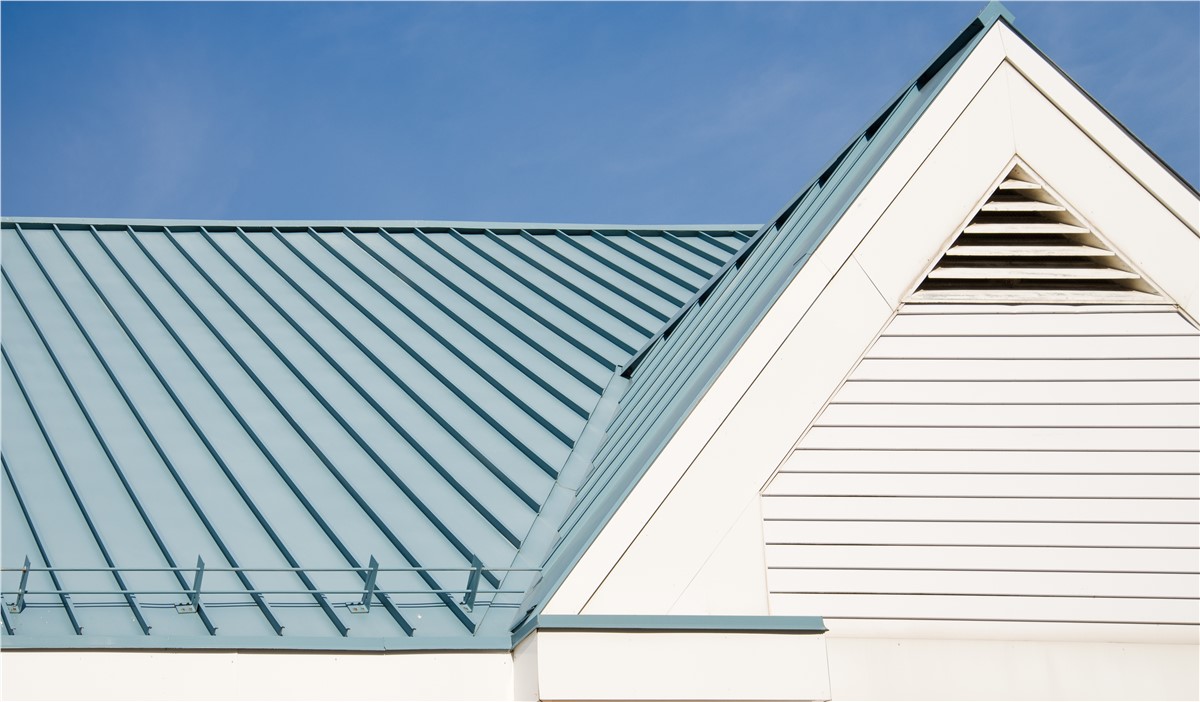
Quick answer
A commercial roof is a system, not just a sheet. Warehouses and factories need the roof profile, purlin spacing and structural frame matched to the span and loads, gutters and downpipes sized for heavy rain, daylighting panels to cut lighting costs, and detailing at ridges, valleys and penetrations that keeps water out over the building's life.
Commercial roofing in Kenya requires more than choosing durable roofing sheets. Warehouses, factories and other commercial buildings need complete roofing systems designed around structural loads, roof span, rainfall, drainage, thermal performance, maintenance and the building's intended use.
Commercial buildings place different demands on a roof compared with residential houses. A warehouse may have a large roof span and valuable stock underneath it, while a factory may have heat-producing equipment, ventilation requirements or a more demanding internal environment.
The National Building Code 2024 provides the current regulatory framework for building construction in Kenya. Its roof provisions address issues including resistance to forces, durability, waterproofing, rainwater management and roof design.
This guide explains the main commercial roofing solutions in Kenya, the materials commonly used, important design considerations and mistakes to avoid.
What Is Commercial Roofing?
Commercial roofing refers to roofing systems designed for buildings such as warehouses, factories, offices, retail premises, workshops, logistics centres and other large-scale structures. These systems normally involve more than the visible roofing sheets.
A complete commercial roof may include:
- Structural steel
- Trusses
- Rafters
- Purlins
- Roofing sheets
- Fasteners
- Ridge caps
- Flashings
- Gutters
- Downpipes
- Insulation
- Ventilation
- Translucent roofing sections
The structural system and roofing covering should therefore be considered together.
The National Building Code 2024 states that roof structural design should be prepared by an engineer or architect and requires roofs to resist expected forces, remain durable and waterproof, and prevent rainwater accumulation.
What Are the Best Commercial Roofing Solutions in Kenya?
The best commercial roofing solution depends on the building's size, structural design, use, environmental exposure, thermal requirements, drainage and budget. Coated metal roofing, structural steel systems, insulated roofing and selected polycarbonate daylighting systems can all serve different commercial applications.
There is no universal commercial roof that suits every project.
For example:
- A warehouse may prioritise long-span coverage and durability.
- A factory may require ventilation and heat management.
- An office may place greater emphasis on appearance and insulation.
- A retail building may require both architectural appeal and weather protection.
- A logistics centre may prioritise low maintenance and efficient drainage.
The roofing system should therefore be selected during the design stage rather than after the structural work has already been completed.
What Roofing Materials Are Used for Commercial Buildings?
Metal roofing sheets are widely used for commercial and industrial buildings because they can cover large areas efficiently and are available in different profiles and coatings. Other materials, including polycarbonate and insulated systems, can be incorporated where daylighting or thermal performance is required.
Common options include:
Corrugated Roofing Sheets
Corrugated sheets remain a practical option for many commercial and industrial structures.
They can be used for:
- Workshops
- Warehouses
- Agricultural buildings
- Storage facilities
- Industrial sheds
Box Profile Sheets
Box-profile sheets provide a modern appearance and can be used across many commercial applications.
Their suitability depends on:
- Gauge
- Coating
- Profile
- Span
- Purlin spacing
- Fixing system
IBR Roofing Sheets
IBR profiles are commonly used in larger roofing projects because their profile provides structural characteristics suitable for many commercial applications.
However, the exact specification should be selected according to engineering requirements rather than assuming that all IBR sheets are interchangeable.
Polycarbonate Sheets
Polycarbonate can be incorporated into sections of a commercial roof where natural daylight is required.
This can reduce the need for artificial lighting during daylight hours, but solar heat gain must also be considered.
What Is the Best Roofing for Warehouses?
Warehouse roofing should prioritise durability, weather protection, structural suitability, drainage and thermal performance. Metal roofing systems are commonly used, while insulation, ventilation and translucent panels can be incorporated depending on the warehouse's function.
A warehouse may store:
- Food products
- Machinery
- Building materials
- Electronics
- Consumer goods
- Agricultural products
- Industrial equipment
The stored products can influence the roof specification.
For example, a warehouse storing temperature-sensitive products may need more attention to insulation and ventilation than a basic storage shed.
Large warehouse projects also require careful coordination between roofing sheets and the underlying steel structure.
What Is the Best Roofing for Factories?
Factory roofing should be designed around the building's industrial activities, including heat generation, ventilation, chemical exposure, equipment requirements and maintenance access. A durable metal roofing system combined with appropriate ventilation or insulation can suit many factory applications.
Factories can have different environments.
A food-processing facility may have different requirements from a metal fabrication workshop.
Before selecting roofing materials, consider:
- Internal temperature
- Steam
- Chemicals
- Dust
- Exhaust systems
- Roof penetrations
- Maintenance access
- Natural lighting
- Ventilation
The roof should be designed as part of the factory rather than treated as an independent component.
How Do You Choose Commercial Roofing Sheets?
Commercial roofing sheets should be selected according to structural requirements, profile, material, coating, gauge, roof pitch, environmental exposure and expected service conditions. Price alone should not determine the specification.
Sheet profile
The profile affects the sheet's structural behaviour and appearance.
Gauge or thickness
The required thickness depends on the project specification and structural design.
Coating
Coatings can help protect steel against corrosion, but the appropriate coating depends on the environment.
Length
Longer sheets can reduce the number of horizontal joints, potentially reducing leak-prone areas when properly designed and installed.
Colour and finish
Colour can affect appearance and solar heat absorption, although thermal performance involves more than colour alone.
Manufacturer specifications
Always confirm:
- Material composition
- Coating
- Gauge
- Profile
- Warranty
- Installation requirements
Why Is Structural Steel Important in Commercial Roofing?
The roofing sheets are only the outer covering; the structural steel supports the roof and transfers loads into the building. The structure must therefore be designed for the expected loads, span, wind forces and connection requirements.
Common structural components include:
- SHS
- RHS
- CHS
- I-beams
- Angles
- Channels
- Purlins
- Trusses
The appropriate sections depend on the engineering design.
A larger-looking steel section is not automatically the correct section.
The design must consider the actual loads and structural arrangement.
What Are Purlins and Why Are They Important?
Purlins are structural members that support roofing sheets and transfer loads to the main roof structure. Their size, spacing and fixing arrangement must be coordinated with the roofing profile and structural design.
Zed purlins are commonly associated with steel roofing systems.
They can provide efficient support across commercial and industrial roofs, but their selection should follow engineering calculations.
Poorly specified purlins can contribute to:
- Roof deflection
- Sheet movement
- Fastener problems
- Water leakage
- Structural problems
How Important Is Roof Insulation?
Roof insulation can improve thermal comfort and help control heat transfer in commercial buildings, particularly where internal temperatures affect workers, equipment or stored goods. The appropriate insulation system depends on the building's use and roof assembly.
Potential options include:
- Insulated sandwich panels
- Foil-based insulation
- Mineral wool systems
- Other approved insulation assemblies
The objective is not simply to make the roof thicker.
The complete roof assembly should be considered, including:
- Roofing sheet
- Insulation
- Ventilation
- Ceiling
- Internal heat sources
Should You Use Transparent Roofing for Commercial Buildings?
Transparent roofing sections can be useful for introducing natural daylight into warehouses, factories and other large buildings. They should be used strategically because excessive transparent roofing can increase solar heat gain and affect internal temperatures.
Polycarbonate sheets are one option for commercial daylighting.
They can be positioned strategically along roof sections to illuminate:
- Walkways
- Storage areas
- Production floors
- Workshops
- Loading areas
The goal is to provide useful daylight without creating excessive heat.
How Does Roof Pitch Affect Commercial Buildings?
Roof pitch affects drainage, material selection, water runoff and the overall roof design. The appropriate pitch should be determined from the roofing system, building design and applicable requirements rather than choosing a slope based only on appearance.
A properly designed roof should allow rainwater to drain effectively.
The National Building Code 2024 includes requirements concerning roof slope and runoff for specified roof coverings.
Factors affecting roof pitch can include:
- Roofing material
- Roof profile
- Building width
- Rainfall
- Drainage arrangement
- Roof design
- Manufacturer requirements
Commercial Roof Drainage and Water Management
Large commercial roofs can collect significant amounts of rainwater, making gutters, valleys, outlets and downpipes important parts of the roofing system. Poor drainage can result in leaks, dampness and damage to building components.
The Building Code addresses roof drainage and requires roof construction or drainage appliances to prevent rainwater from causing dampness or damage. It also provides for rainwater harvesting.
Commercial drainage systems may include:
- Box gutters
- Valley gutters
- Eaves gutters
- Downpipes
- Outlets
- Overflow provisions
Drainage capacity should be designed for the expected rainfall and roof catchment area.
Why Are Flashings Important?
Flashings help protect vulnerable points where the roof meets walls, projections, valleys and other building elements. Correctly designed and installed flashings can reduce water entry at these junctions.
Common flashing locations include:
- Wall-to-roof junctions
- Chimneys
- Ventilation openings
- Roof penetrations
- Valleys
- Parapets
- Roof edges
The Building Code specifically addresses the use of flashing where roofs abut walls or around projections through roof coverings.
Commercial Roofing Maintenance
Regular inspection and maintenance can identify damaged sheets, loose fasteners, blocked gutters, corrosion and failing seals before they develop into larger problems. Commercial roofs should be inspected as part of the building's wider maintenance programme.
Inspect for:
- Loose fasteners
- Damaged sheets
- Rust or corrosion
- Blocked gutters
- Damaged flashings
- Failed sealants
- Ponding water
- Damaged translucent panels
- Structural movement
Maintenance is especially important after severe weather.
How Often Should a Commercial Roof Be Inspected?
Commercial roofs should be inspected periodically and after significant weather events, with the inspection frequency adjusted according to the building, roof condition, environment and maintenance programme.
Pay particular attention to buildings exposed to:
- Heavy rainfall
- Strong winds
- Coastal humidity
- Industrial chemicals
- High dust levels
- Frequent maintenance traffic
Early identification of small problems can reduce the risk of major repairs.
When Should a Commercial Roof Be Replaced?
A commercial roof may need replacement when deterioration becomes widespread, repeated repairs are no longer economical, corrosion has significantly affected the system or the roof no longer provides reliable weather protection.
Warning signs include:
- Extensive corrosion
- Repeated leaks
- Severely damaged sheets
- Persistent ponding
- Failed coatings
- Structural deterioration
- Repeated fastener failures
However, replacement should not be based on age alone.
A professional inspection can help determine whether the roof requires:
- Repair
- Partial replacement
- Recoating
- Drainage improvements
- Complete replacement
What Factors Affect Commercial Roofing Costs in Kenya?
Commercial roofing costs depend on the roof area, structural steel requirements, roofing material, gauge, profile, insulation, drainage, labour, transport, site conditions and design complexity. A project quotation should therefore cover the complete roofing system rather than only the sheets.
Major cost factors include:
Roof size
Larger roofs require more materials and labour.
Structural steel
Large-span buildings may require substantial steelwork.
Roofing material
Different profiles, gauges and coatings have different costs.
Insulation
Thermal requirements can add to the initial investment.
Drainage
Large commercial roofs may require substantial gutter and downpipe systems.
Labour
Installation complexity affects labour requirements.
Transport
Long roofing sheets and structural steel require appropriate transportation.
Wastage
Poor measurement and cutting can increase material costs.
For commercial projects, requesting a detailed bill of quantities or project quotation is preferable to relying on a generic price per square metre.
How Can Commercial Roofing Costs Be Reduced?
The best way to reduce commercial roofing costs is to optimise the complete system rather than simply choosing the cheapest roofing sheet. Accurate structural design, efficient sheet lengths, appropriate material specifications and good installation can reduce waste and future maintenance costs.
Consider:
- Accurate measurements
- Efficient sheet lengths
- Appropriate purlin spacing
- Correct material specifications
- Proper drainage design
- Planned daylighting
- Quality fasteners
- Professional installation
- Preventive maintenance
Cheap materials that require early replacement can cost more over the building's lifecycle.
Common Commercial Roofing Mistakes
Many commercial roofing problems originate from poor design, incorrect material selection, inadequate drainage or poor installation rather than the roofing sheet itself. These problems can increase maintenance costs and disrupt business operations.
Avoid these common mistakes:
1. Choosing sheets before engineering the structure
The roof structure should be designed around actual project requirements.
2. Using unsuitable purlin spacing
Purlin spacing should correspond to the roofing system and engineering design.
3. Ignoring drainage
Large roofs require appropriately designed drainage systems.
4. Using poor-quality fasteners
Fasteners are small components but can become major sources of leakage.
5. Ignoring thermal performance
Large metal roofs can contribute significantly to heat gain.
6. Using too many translucent panels
Daylighting should be balanced against solar heat gain.
7. Poor flashing installation
Roof junctions require careful detailing.
8. Neglecting maintenance
Small defects can become expensive commercial repairs.
9. Selecting materials solely by price
Initial cost is only one part of lifecycle cost.
How Do You Plan a Commercial Roofing Project?
A successful commercial roofing project starts with site assessment and engineering design before materials are ordered. The roof structure, covering, drainage, insulation, penetrations and maintenance requirements should be coordinated from the beginning.
A practical process is:
Step 1: Assess the building
Determine the size, use and existing structural condition.
Step 2: Establish the roof requirements
Consider span, pitch, loads, drainage and environmental exposure.
Step 3: Develop the structural design
A qualified professional should determine the appropriate structural system.
Step 4: Select roofing materials
Choose the profile, gauge, coating and accessories.
Step 5: Plan insulation and ventilation
Determine whether the building needs additional thermal control.
Step 6: Plan daylighting
Position transparent roofing strategically where appropriate.
Step 7: Design drainage
Size gutters, valleys and downpipes according to the roof catchment and expected rainfall.
Step 8: Prepare the materials
Check quantities, lengths, specifications and accessories before delivery.
Step 9: Install the system
Follow the manufacturer's requirements and approved project design.
Step 10: Inspect and maintain
Check the completed roof and establish a maintenance programme.
What Makes a Good Commercial Roofing System?
A good commercial roofing system combines structural integrity, weather protection, appropriate materials, effective drainage, thermal performance and maintainability. The system should be designed for the building's actual operating conditions rather than selected from appearance alone.
A strong system should provide:
- Structural stability
- Water resistance
- Appropriate wind resistance
- Durable materials
- Effective drainage
- Suitable ventilation
- Appropriate thermal control
- Safe maintenance access
- Proper flashing
- Correct fasteners
This is why commercial roofing should be treated as an engineered building system.
Frequently Asked Questions About Commercial Roofing
Commercial roofing involves the complete roof assembly, including the structure, roofing sheets, drainage, flashings and other components. Choosing the correct system requires consideration of the building's use, environment, structural requirements and lifecycle costs.
What is commercial roofing?
Commercial roofing refers to roofing systems designed for buildings such as warehouses, factories, offices, retail premises and other commercial structures.
What is the best roofing for a warehouse?
Metal roofing systems are commonly used for warehouses, with the exact profile, gauge, structure, insulation and drainage determined by the project requirements.
What is the best roofing for a factory?
Factory roofing should be selected based on the building's industrial processes, heat, ventilation, chemical exposure, structural requirements and maintenance needs.
Which roofing sheets are best for commercial buildings?
There is no universal best sheet. Corrugated, box-profile and IBR sheets can all serve commercial applications when correctly specified for the project.
How long does commercial roofing last?
Service life depends on material quality, coating, environment, installation, maintenance and exposure. A fixed lifespan should not be assumed for every roofing product.
How much does commercial roofing cost in Kenya?
The cost varies according to roof size, steel structure, roofing material, insulation, drainage, labour, transport and project complexity.
What are industrial roofing systems?
Industrial roofing systems are complete roof assemblies designed for factories, warehouses, workshops, logistics facilities and other large structures.
Are IBR sheets good for warehouses?
IBR sheets can be suitable for warehouse applications when the profile and material specifications match the structural and environmental requirements of the project.
What are Zed purlins used for?
Zed purlins are structural members used to support roofing sheets and transfer loads to the main roof structure.
Is insulation necessary for commercial roofing?
Not every commercial building requires the same insulation system. The need depends on the building's use, internal temperature requirements and roof design.
Can polycarbonate be used on commercial roofs?
Yes. Polycarbonate can be used in selected roof sections for daylighting, provided the product and installation system are appropriate for the application.
How often should commercial roofs be inspected?
Inspection frequency should reflect the building, roof condition, environment and maintenance programme. Additional inspections are advisable after severe weather.
When should a commercial roof be replaced?
Replacement may be necessary when deterioration is extensive, leaks are recurring or the roof no longer provides reliable performance. Professional assessment can help determine whether repair or replacement is appropriate.
What affects commercial roofing costs?
Roof area, steelwork, roofing material, gauge, profile, insulation, drainage, labour, transport, site access and design complexity can all affect the final cost.
Conclusion
The best commercial roofing solution in Kenya is a complete system designed around structural performance, weather protection, drainage, thermal requirements and the building's intended use. Roofing sheets are important, but the supporting steelwork, purlins, flashings, fasteners, gutters and maintenance programme are equally important to long-term performance.
For warehouses, factories and other commercial buildings, consider:
- Building purpose
- Roof span
- Structural loads
- Roofing profile
- Material gauge
- Protective coating
- Roof pitch
- Insulation
- Ventilation
- Daylighting
- Drainage
- Flashings
- Fasteners
- Maintenance
- Total lifecycle cost
The National Building Code 2024 should also be considered alongside the project's engineering requirements and applicable standards.
For large commercial projects, work with qualified design and construction professionals rather than selecting roofing materials based solely on price or appearance.
Contact Burhani Hardware Dealers (BHD)
Email: burhanihardwaredealers@yahoo.com
Call/WhatsApp: +254 731 217 462 | +254 704 606 131
Visit: BHD, Industrial Area, Funzi Road, Nairobi, Kenya
Website: BHD Kenya
Explore the BHD product catalogue for roofing sheets, steel products and other building materials.
Frequently asked questions

Written & reviewed by
BHD Kenya
Burhani Hardware Dealers (BHD Kenya) is a Nairobi-based supplier of polycarbonate roofing, Alucobond/ACP cladding, Perspex, WPC wall panels and steel products, serving contractors, fabricators and homeowners across Kenya.