

Best Waterproof Wall Panels for Homes in Kenya (2026 Guide)
Quick answer
Waterproof wall panels are interior finishing boards, usually PVC or WPC, fixed over walls to block moisture, stains and mould in bathrooms, kitchens and laundry areas. They install faster than tiles, have far fewer joints where water can get in, wipe clean with a damp cloth, and come in plain, marble-effect and wood-grain finishes.
Waterproof wall panels are modern interior finishing materials designed to protect walls from moisture, stains, and long-term water damage. They are widely used in bathrooms, kitchens, and laundry areas where humidity and water exposure are high. In Kenya, these panels are becoming increasingly popular because they are easier to maintain than tiles, faster to install, and more resistant to mold and wall deterioration.
Modern suppliers such as Burhani Hardware Dealers (BHD) provide durable interior wall solutions that are designed for both residential and commercial applications, especially in moisture-prone environments.
What Are Waterproof Wall Panels?
Waterproof wall panels are protective interior cladding materials made from PVC, WPC, or composite materials that prevent water penetration into wall surfaces. They act as a barrier between moisture and the building structure, reducing damage caused by dampness, mold, and humidity.
These panels are commonly used in:
- Bathrooms and washrooms
- Kitchen splash zones
- Laundry areas
- Commercial kitchens and hotels
Unlike traditional paint or plaster, they do not absorb water, making them more durable in wet environments.
Best Types of Waterproof Wall Panels in Kenya
The most effective waterproof wall panels in Kenya include PVC panels, WPC panels, and decorative composite panels designed for high-moisture environments.
PVC Wall Panels
PVC panels are lightweight, fully waterproof, and easy to clean. They are widely used in bathrooms and kitchens due to their affordability and resistance to mold.
WPC Wall Panels
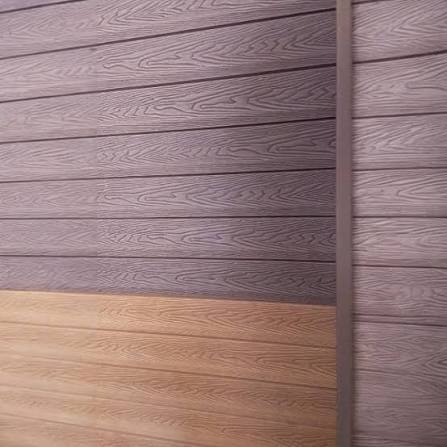
WPC (Wood Plastic Composite) panels combine wood fibers and plastic, offering a more natural finish with improved strength and moisture resistance. You can explore related options at WPC wall panels category.
Decorative Waterproof Panels
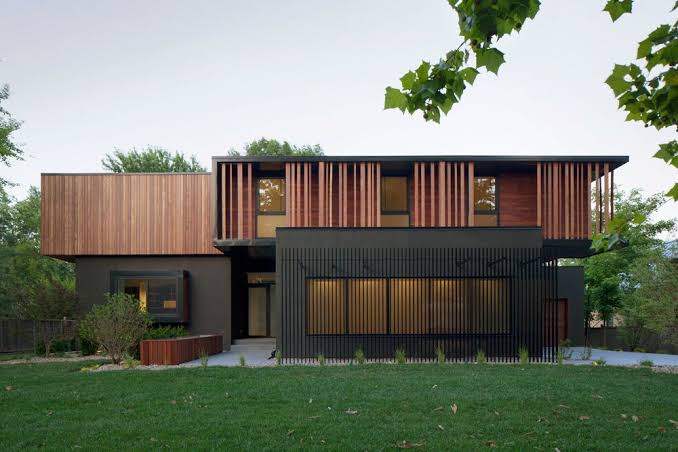
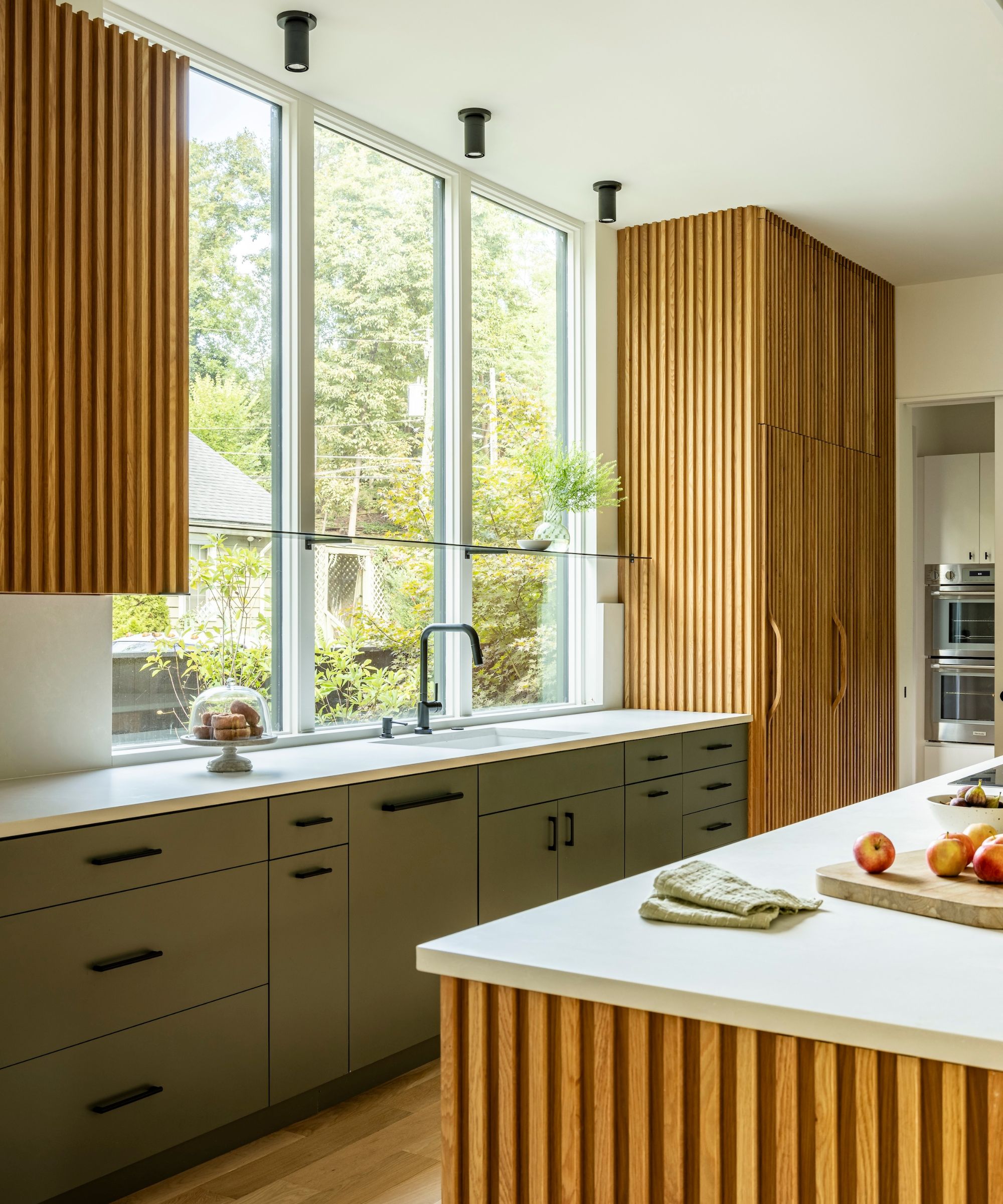
These panels are designed for aesthetic interiors and are often used in modern homes, hotels, and offices where design is as important as functionality.
How Waterproof Wall Panels Work
Waterproof wall panels prevent moisture damage by creating a sealed surface layer that blocks water penetration into internal wall structures. This prevents common issues such as peeling paint, mold growth, and structural weakening.
In Kenyan homes, especially in coastal areas like Mombasa, high humidity makes traditional wall finishes less durable, increasing the demand for waterproof solutions.
Key protective functions:
- Moisture resistance
- Mold prevention
- Easy cleaning surface
- Thermal insulation support
Benefits of Waterproof Wall Panels in Kenyan Homes
Waterproof wall panels improve durability, hygiene, and maintenance efficiency in wet interior environments. They are especially useful in modern Kenyan housing where low-maintenance materials are preferred.
Key advantages include:
- No water absorption or swelling
- Resistant to mold and mildew
- Easy installation over existing walls
- Low maintenance compared to tiles
- Long lifespan in humid conditions
They are also increasingly used in rental apartments and commercial buildings due to their cost-effectiveness over time.
Waterproof Wall Panels for Kitchens and Bathrooms
Kitchen and bathroom areas require materials that can withstand constant exposure to water, steam, and cleaning chemicals. Waterproof wall panels are specifically designed for these conditions.
Bathroom Use
- Prevents mold and mildew buildup
- Keeps walls clean and stain-free
- Ideal for shower and sink areas
Kitchen Use
- Protects walls from oil splashes and moisture
- Easy to wipe clean after cooking
- Maintains hygiene in food preparation areas
For complete interior finishing solutions, builders often combine wall panels with other finishing materials available at BHD catalog.
Technical Specifications of Waterproof Wall Panels
| Parameter | Description |
|---|---|
| Material Type | PVC / WPC / Composite |
| Thickness | 5mm – 25mm |
| Water Resistance | 100% waterproof (PVC/WPC) |
| Lifespan | 10 – 20 years |
| Application | Bathrooms, kitchens, interiors |
| Maintenance | Low (wipe-clean surface) |
These specifications may vary depending on design and manufacturer standards, especially under KEBS quality guidelines for interior building materials.
Installation Process and Requirements
Waterproof wall panels are installed using adhesive systems or mounting frames that allow quick and clean interior finishing. Installation is faster compared to ceramic tiles, reducing labor costs and project timelines.
Basic installation steps include:
- Surface cleaning and preparation
- Measuring and cutting panels
- Applying adhesive or mounting clips
- Fixing panels securely to the wall
- Sealing joints for waterproof protection
Proper installation ensures long-term performance and prevents moisture seepage behind the panels.
Maintenance and Durability
Waterproof wall panels require minimal maintenance because their surfaces are non-porous and resistant to stains and moisture. Regular cleaning is usually enough to maintain their appearance and performance.
Maintenance practices:
- Wipe with mild detergent and water
- Avoid harsh abrasive cleaners
- Inspect joints for sealing integrity
- Keep ventilation in wet areas
When properly installed, these panels can last over a decade without significant deterioration.
Climate Considerations in Kenya
Kenya’s climate variations make waterproof wall panels especially useful in humid and high-moisture regions.
- Coastal Kenya: High humidity requires full waterproof solutions
- Nairobi: Moderate moisture but high usage in kitchens and bathrooms
- Western Kenya: Heavy rainfall increases indoor dampness risk
In all regions, moisture control is essential to prevent wall damage and maintain hygiene.
FAQs on Waterproof Wall Panels
What are waterproof wall panels used for?
They are used to protect walls in bathrooms, kitchens, and wet areas from moisture damage.
Are waterproof wall panels better than tiles?
They are easier to install, require less maintenance, and are more cost-effective in many cases.
Do waterproof wall panels get moldy?
No, they are designed to resist mold and mildew growth due to their non-porous surface.
How long do waterproof wall panels last?
They typically last between 10 to 20 years depending on material quality and installation.
Can they be installed over existing tiles?
Yes, many waterproof panels can be installed directly over tiles with proper adhesive preparation.
Conclusion
Waterproof wall panels are a modern, efficient solution for protecting interior walls in moisture-prone areas such as bathrooms and kitchens in Kenya. They offer durability, easy maintenance, and improved hygiene compared to traditional wall finishes. With options like PVC and WPC panels, homeowners and contractors can achieve both functionality and modern interior design.
For quality interior solutions, explore trusted materials from Burhani Hardware Dealers (BHD), ensuring long-lasting performance and reliable supply across Kenya.
Contact Burhani Hardware Dealers (BHD)
📧 burhanihardwaredealers [at] yahoo.com
📞 Call/WhatsApp: +254 731 217 462 | +254 790 545 205
📍 Industrial Area, Funzi Road, Nairobi
🌐 https://bhd.co.ke/
Delivery Guarantee:
Same-day delivery within Nairobi.
Next-day delivery countrywide to Nakuru, Kisumu, Mombasa, Eldoret, Thika, Meru, Kitengela, Malindi.
Frequently asked questions

Written & reviewed by
BHD Kenya
Burhani Hardware Dealers (BHD Kenya) is a Nairobi-based supplier of polycarbonate roofing, Alucobond/ACP cladding, Perspex, WPC wall panels and steel products, serving contractors, fabricators and homeowners across Kenya.