

Installing WPC Cladding: Innovative Building Materials in Kenya | BHD
Quick answer
WPC cladding is wall panelling made from wood fibre bonded with plastic, giving a timber look with much better resistance to moisture, termites and warping than solid wood. Panels are fixed over a levelled batten or aluminium frame using concealed clips or screws, and are used on interior walls and sheltered exterior facades across Kenya.
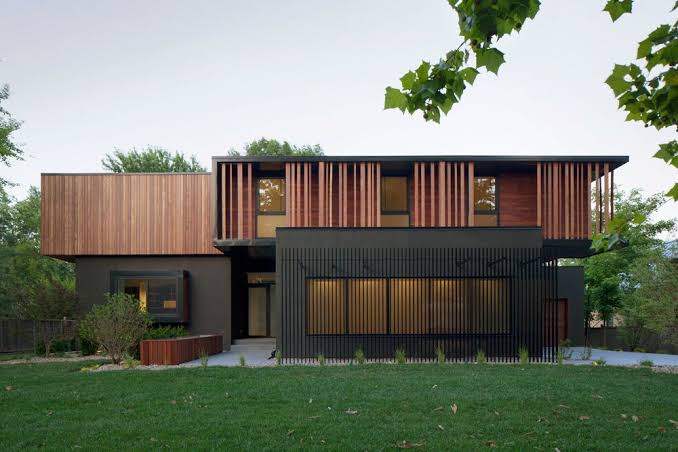
WPC cladding is an innovative interior finishing solution made from wood-plastic composite materials that provides a modern wood-like appearance with improved moisture and termite resistance. It is increasingly used as one of the preferred decorative building materials in Kenya for homes, offices, hotels, and commercial spaces.
Modern construction in Kenya is moving beyond traditional finishes toward materials that combine aesthetics, durability, and easier installation. Wood-Plastic Composite (WPC) fluted panels have become popular among architects, interior designers, contractors, and homeowners because they provide a premium timber appearance without some of the maintenance challenges associated with natural wood.
WPC cladding is commonly installed in:
- Living rooms
- Office reception areas
- Hotels
- Restaurants
- Retail spaces
- Feature walls
- Ceiling accents
BHD supplies modern architectural materials for Kenyan construction projects, including WPC panels, polycarbonate sheets, steel products, and decorative finishes.
Explore WPC wall panels:
wpc-wall-panels
What Are WPC Wall Panels?
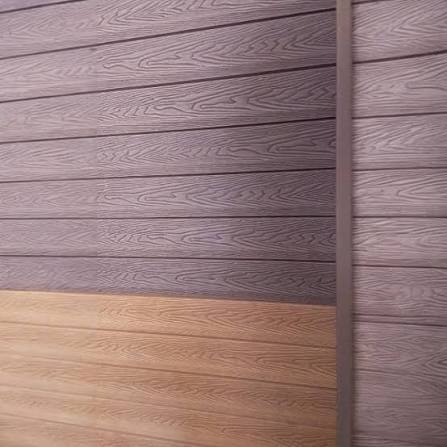
WPC wall panels are composite building materials in Kenya manufactured from a combination of wood fibres and polymer materials to create durable decorative surfaces. They provide the visual appeal of wood while offering improved resistance to moisture, insects, and everyday wear.
WPC stands for Wood-Plastic Composite.
The material combines:
- Wood fibre content for natural appearance
- Polymer components for durability
- Additives for stability and performance
Unlike traditional timber, WPC panels are designed to reduce common problems such as:
- Termite damage
- Moisture absorption
- Frequent repainting
- Surface deterioration
Why WPC Cladding Is an Innovative Building Material in Kenya
WPC cladding is considered innovative because it combines decorative design, durability, and low maintenance requirements in a single finishing material. It allows contractors and designers to achieve modern interiors without relying only on traditional wood products.
Key advantages include:
1. Modern Appearance
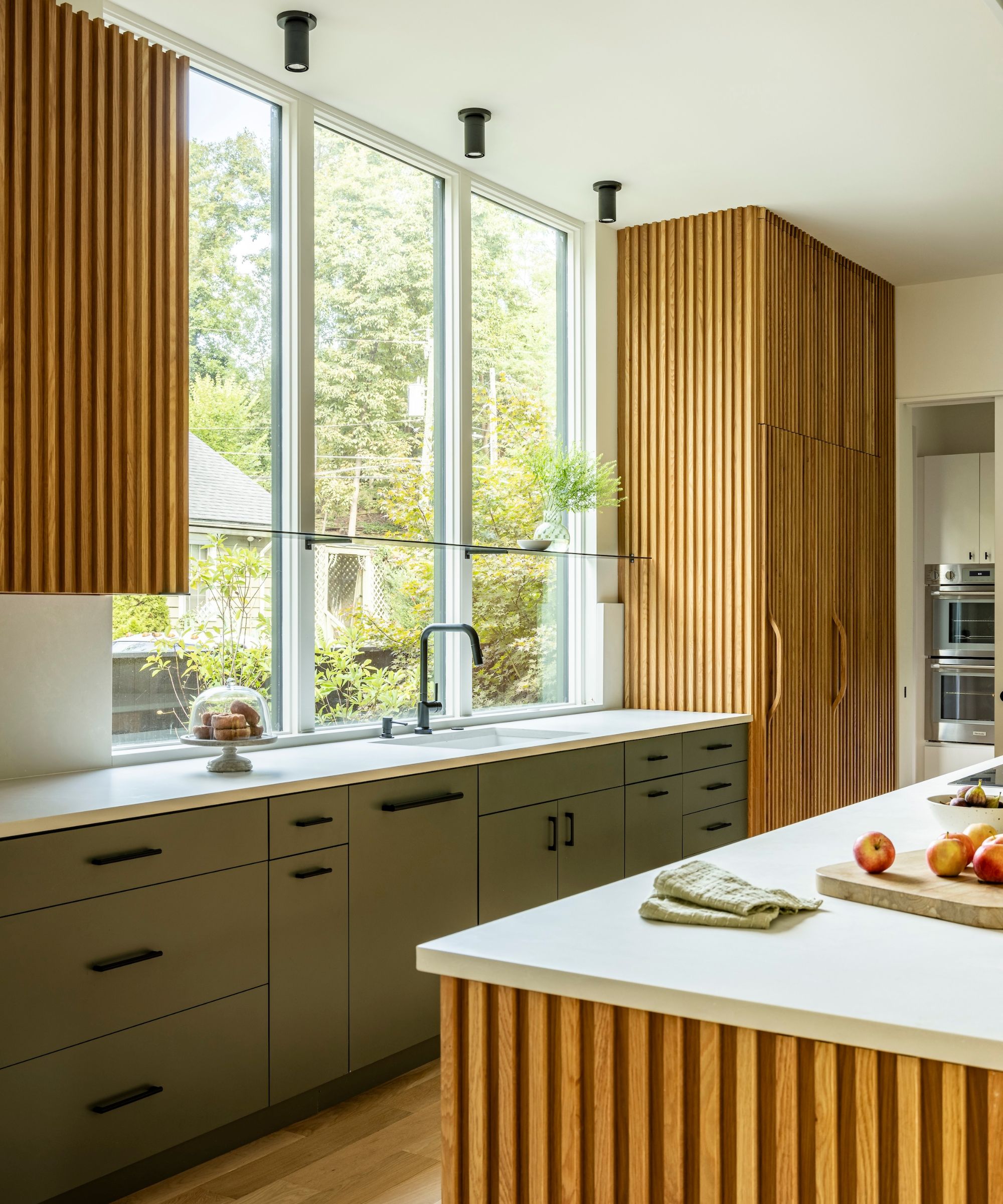
WPC fluted panels create:
- Textured wall designs
- Contemporary interiors
- Premium architectural finishes
2. Moisture Resistance
WPC performs well in areas where humidity may affect natural timber.
Applications include:
- Homes
- Offices
- Hospitality spaces
3. Termite Resistance
Unlike untreated wood, WPC materials are designed to resist termite-related damage.
4. Low Maintenance
Maintenance requirements are generally lower compared with natural timber finishes.
Applications of WPC Cladding in Kenyan Buildings
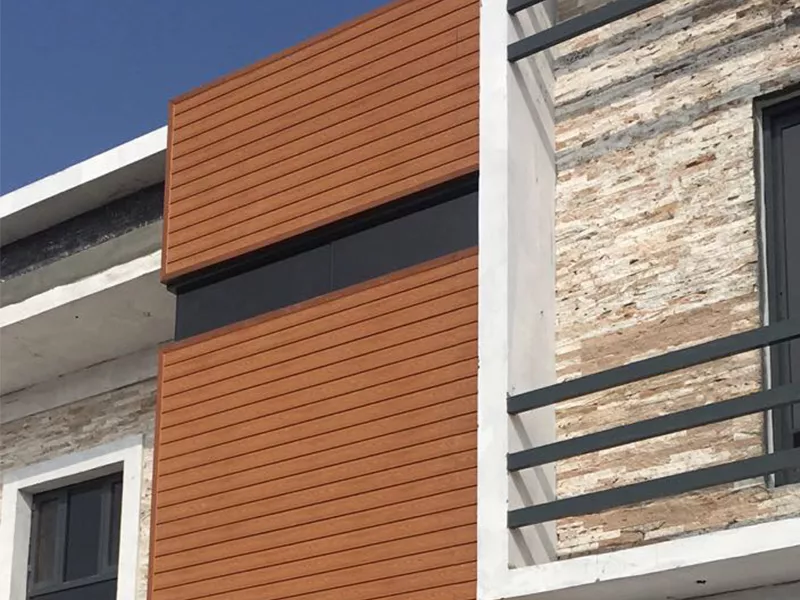
WPC cladding is used in Kenya for decorative interior and selected exterior applications where designers require attractive, durable wall finishes. It is commonly installed in residential, commercial, and hospitality projects.
Common applications include:
| Application | Purpose |
|---|---|
| Living room feature walls | Decorative focal points |
| Office reception areas | Professional interior appearance |
| Hotels | Premium guest spaces |
| Restaurants | Modern wall finishes |
| TV backgrounds | Decorative design |
| Ceiling accents | Architectural detailing |
Step-by-Step Guide to Installing WPC Fluted Panels
Installing WPC cladding involves preparing the wall surface, measuring the installation area, fixing support systems if required, and securing the panels correctly. Proper installation ensures a neat finish and long-term performance.
Step 1: Prepare the Wall Surface
The first installation step is ensuring the wall is clean, dry, and suitable for panel fixing. A properly prepared surface prevents uneven installation and improves panel adhesion.
Preparation includes:
- Removing dust and loose materials
- Checking wall alignment
- Repairing major surface defects
- Confirming moisture conditions
Step 2: Measure the Installation Area
Accurate measurements reduce material waste and ensure correct panel alignment during installation. Contractors should calculate the required number of panels before beginning work.
Measure:
- Wall height
- Wall width
- Corners
- Electrical openings
- Door and window sections
Step 3: Plan the Panel Layout
Planning the panel arrangement before fixing helps achieve consistent spacing and a professional appearance. A proper layout prevents unnecessary cutting and improves design accuracy.
Consider:
- Starting point
- Direction of flutes
- Pattern alignment
- Edge finishing
Step 4: Install Support Framework (Where Required)
Some WPC installations require support battens or framing systems to create a stable fixing surface. The correct fixing method depends on wall condition, panel type, and project requirements.
Framework may include:
- Timber battens
- Metal channels
- Compatible fixing systems
Step 5: Fix the WPC Panels
WPC panels are installed by securing them to the prepared surface using suitable adhesives, clips, or mechanical fixing methods. Correct spacing and alignment create a clean architectural finish.
Installation considerations:
- Maintain straight lines
- Avoid excessive pressure
- Check alignment regularly
- Protect panel surfaces
Step 6: Complete Finishing Details
Final finishing involves treating edges, corners, and joints to achieve a complete professional appearance. Good finishing improves both aesthetics and durability.
Common finishing work:
- Corner trims
- Edge profiles
- Joint alignment
- Cleaning surfaces
Technical Specifications Table: WPC Wall Panels
| Parameter | Specification |
|---|---|
| Material | Wood-Plastic Composite |
| Appearance | Wood grain / fluted design |
| Application | Interior wall cladding |
| Resistance | Moisture and termite resistant |
| Installation | Adhesive, clips, or framing |
| Maintenance | Low maintenance |
| Purpose | Decorative architectural finishing |
WPC Cladding Compared With Natural Timber
WPC cladding provides a wood-like appearance while offering improved resistance to moisture and insects compared with many traditional timber applications. The choice depends on project design goals, maintenance expectations, and environmental exposure.
| Feature | WPC Panels | Natural Timber |
|---|---|---|
| Appearance | Wood-like finish | Natural wood grain |
| Moisture Resistance | Higher | Requires treatment |
| Termite Resistance | Higher | Requires protection |
| Maintenance | Lower | Regular maintenance |
| Installation | Simple panel system | Skilled carpentry required |
Choosing WPC Panels for Different Kenyan Climate Conditions
WPC panels should be selected and installed according to environmental conditions, especially humidity, temperature changes, and exposure levels. Climate-aware installation improves long-term performance.
Coastal Kenya (Mombasa)
Consider:
- High humidity
- Salt exposure
Recommended:
- Moisture-resistant finishes
- Proper ventilation
Nairobi and Central Kenya
Consider:
- Temperature variation
- Indoor comfort
Recommended:
- Quality installation
- UV considerations for exposed areas
Rift Valley
Consider:
- Temperature changes
- Dust exposure
Recommended:
- Secure fixing systems
- Proper maintenance
Combining WPC Panels With Other Building Materials in Kenya
WPC panels are often combined with other architectural building materials in Kenya to create complete interior and exterior design solutions. Combining different materials allows contractors to achieve both functional and decorative results.
Common combinations:
Marble Boards
Used for:
- Luxury wall sections
- Feature backgrounds
Alucobond Sheets
Used for:
- Modern facade applications
- Commercial designs
Perspex Sheets
Used for:
- Decorative panels
- Lighting features
Common Mistakes When Installing WPC Cladding
Common WPC installation mistakes include poor wall preparation, incorrect fixing methods, and ignoring expansion requirements. Following proper installation procedures improves appearance and durability.
Avoid:
- Installing on damp surfaces
- Poor measurements
- Uneven panel spacing
- Using unsuitable adhesives
- Skipping finishing details
Why Buy WPC Building Materials From BHD Kenya?
BHD supplies WPC wall panels and other building materials in Kenya with a focus on reliable availability, practical specifications, and contractor support. Reliable sourcing helps ensure projects receive consistent materials and timely delivery.
BHD supports:
- Contractors
- Interior designers
- Developers
- Fabricators
Delivery guarantee:
- Same-day delivery within Nairobi
-
Next-day delivery countrywide to:
- Nakuru
- Kisumu
- Mombasa
- Eldoret
- Thika
- Meru
- Kitengela
- Malindi
View catalogue:
catalog
FAQ: WPC Cladding Building Materials in Kenya
1. What are WPC panels used for in Kenya?
WPC panels are used for decorative wall cladding, feature walls, offices, hotels, and interior finishing projects.
2. Are WPC panels better than timber?
WPC panels offer advantages such as moisture resistance, termite resistance, and lower maintenance requirements.
3. Can WPC panels be installed in living rooms?
Yes. They are commonly used for TV walls, feature walls, and modern interior designs.
4. Are WPC wall panels waterproof?
WPC panels are moisture resistant but installation conditions and product specifications should be considered.
5. How long do WPC panels last?
Quality WPC panels can provide long service performance when correctly installed and maintained.
6. Can WPC panels be used outdoors?
Some WPC products are suitable for outdoor applications, depending on their specifications and exposure conditions.
7. Are WPC panels termite resistant?
Yes. Their composite structure provides improved resistance compared with untreated timber.
8. Where can I buy WPC panels in Kenya?
WPC wall panels are available from reliable construction suppliers such as BHD Kenya.
Conclusion: WPC Cladding as a Modern Choice for Kenyan Interiors
WPC cladding represents the future of decorative building materials in Kenya by combining modern design, practical installation, and long-term durability. For homeowners, contractors, and designers, WPC panels provide an efficient way to create premium interiors while reducing maintenance requirements.
As Kenya’s construction industry continues to adopt innovative materials, WPC wall panels will remain a popular choice for residential, commercial, and hospitality projects.
BHD provides quality architectural materials supported by reliable supply and nationwide delivery solutions.
Call to Action
Contact Burhani Hardware Dealers (BHD)
burhanihardwaredealers [at] yahoo.com
Call/WhatsApp: +254 731 217 462 | +254 790 545 205
Visit: BHD, Industrial Area, Funzi Road, Nairobi
Website: https://bhd.co.ke/
Delivery Guarantee:
Same-day delivery within Nairobi.
Next-day delivery countrywide to Nakuru, Kisumu, Mombasa, Eldoret, Thika, Meru, Kitengela, Malindi.
Frequently asked questions

Written & reviewed by
BHD Kenya
Burhani Hardware Dealers (BHD Kenya) is a Nairobi-based supplier of polycarbonate roofing, Alucobond/ACP cladding, Perspex, WPC wall panels and steel products, serving contractors, fabricators and homeowners across Kenya.