

Modern Exterior Cladding Materials Kenya: 2026 Trends in ACP & WPC | BHD Kenya
Quick answer
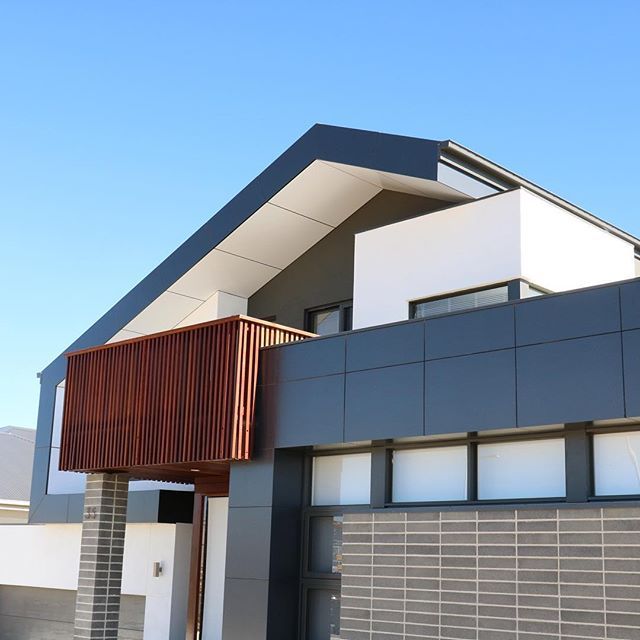
The two dominant exterior cladding materials in Kenya are aluminium composite panel (ACP) and wood-plastic composite (WPC). ACP gives flat, sharp, colour-consistent facades for commercial buildings and is routed and folded into trays. WPC gives a timber appearance with far less maintenance than real wood and is used for slatted facades, balconies and boundary features.
Modern Exterior Cladding Materials in Kenya (2026 Trends)
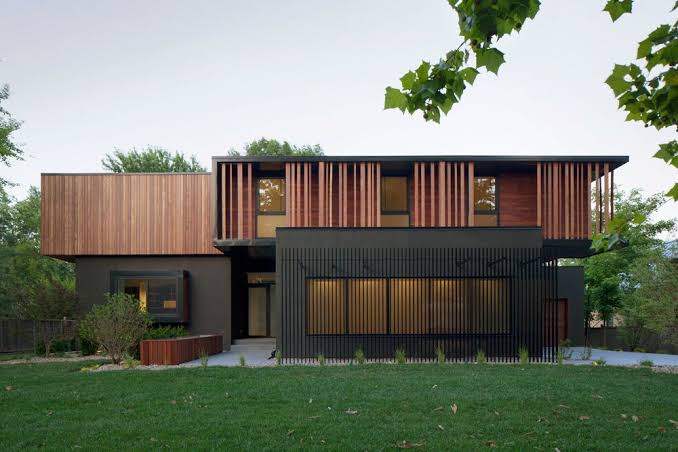
Exterior cladding has become one of the most defining elements of modern architecture in Kenya, especially in rapidly growing urban areas such as Nairobi, Mombasa, Kisumu, and emerging satellite towns like Kitengela and Ruiru. Developers are no longer choosing façade materials based only on protection—they now prioritize aesthetics, durability, thermal performance, and brand identity.
In 2026, Kenya’s construction industry is experiencing a clear shift toward engineered façade systems such as Alucobond composite panels and WPC cladding, replacing traditional cement plaster finishes in premium projects. These modern materials offer better weather resistance, lower maintenance, and more architectural flexibility.
This guide explores the most important exterior cladding materials in Kenya today, focusing on trends, performance, durability, and real-world suitability for residential, commercial, and institutional projects.
1. Alucobond (ACP) Cladding in Kenya
Alucobond is a lightweight aluminum composite panel system widely used in Kenya for modern commercial facades due to its durability, clean aesthetic finish, and low maintenance requirements.
Alucobond has become the dominant material in Nairobi’s commercial districts such as Upper Hill and Westlands, where corporate identity and visual impact are critical. It consists of two aluminum sheets bonded to a core, creating a rigid yet lightweight panel system ideal for high-rise façades and branding-heavy structures.
The material is widely used across Kenya for:
- Commercial buildings and office blocks
- Petrol stations and retail stores
- Shopping malls and institutions
Pros of Alucobond Cladding
- Highly durable under UV exposure and rainfall
- Lightweight, reducing structural load on frames
- Excellent flatness and modern appearance
- Wide range of finishes (metallic, matte, wood textures)
- Very low maintenance compared to painted walls
Cons of Alucobond Cladding
- Higher initial cost compared to cement plaster
- Requires skilled installation and proper substructure
- Damage replacement requires panel-level repair
Kenyan Climate Performance
- Nairobi: Excellent UV resistance and long-term color stability
- Mombasa: Performs well but requires careful corrosion-resistant fixing systems
- Kisumu: Handles heavy rainfall and humidity effectively
Alucobond is often combined with structural systems such as:
- steel-products-in-kenyafor façade framing
- hr-beamsfor structural support in large commercial builds
For deeper technical insights, see:
alucobond-cladding-nairobi
2. WPC (Wood Plastic Composite) Exterior Cladding
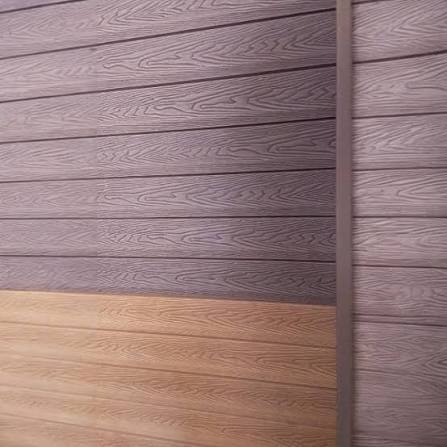
WPC cladding is a modern eco-engineered material combining wood fibers and plastic polymers, designed to deliver a natural wood appearance with superior weather resistance and minimal maintenance.
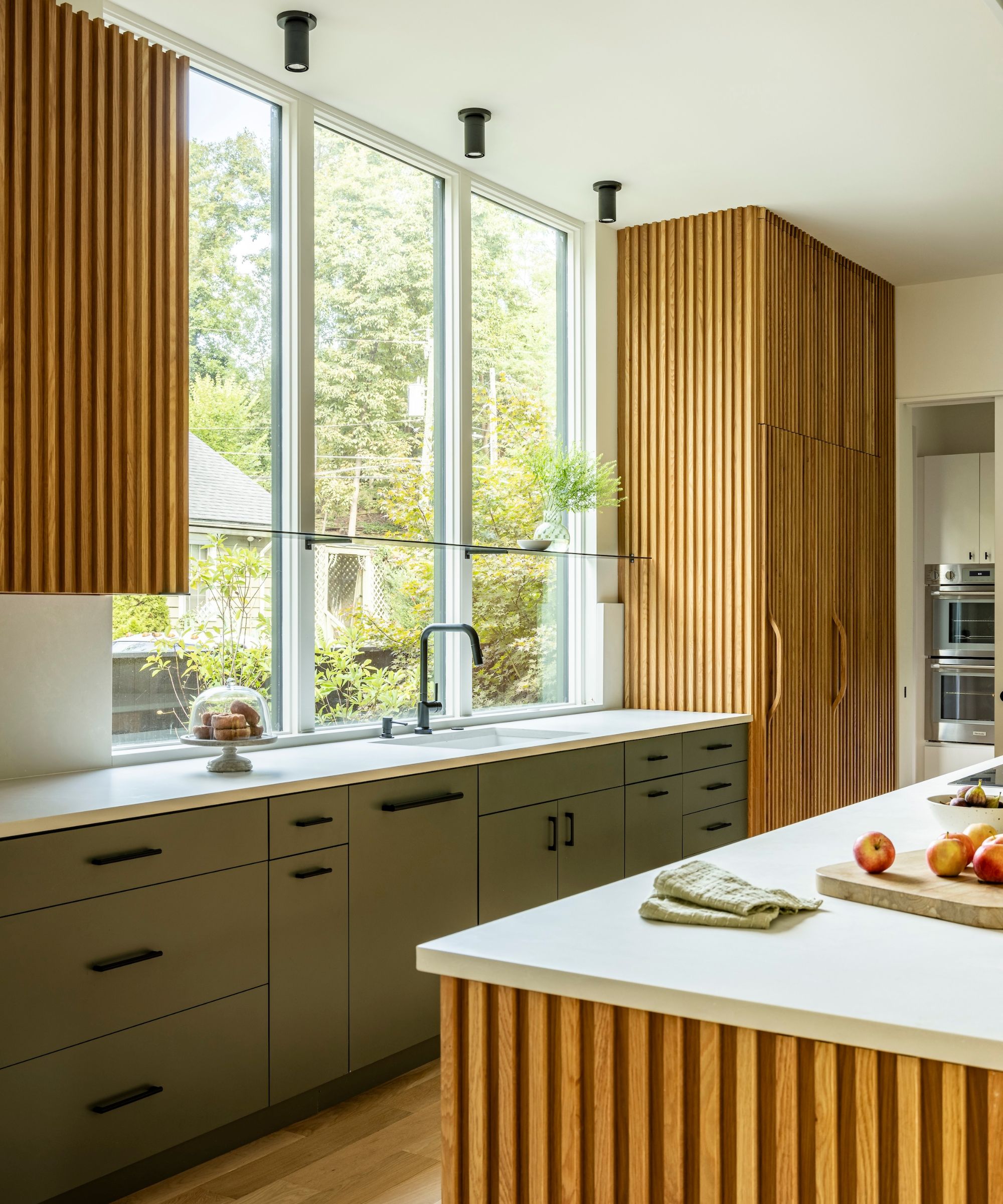
WPC has rapidly gained popularity in Kenya’s residential and hospitality sectors, especially for villas, apartments, and boutique hotels seeking a warm, natural aesthetic without the maintenance burden of timber.
It is widely used for:
- Residential feature walls
- Balcony and terrace façades
- Commercial interior-exterior transitions
- Decorative elevation panels
Pros of WPC Cladding
- Natural wood-like aesthetic without rot issues
- Resistant to moisture, termites, and UV exposure
- Low maintenance (no repainting required)
- Eco-friendly composite formulation
- Stable performance in outdoor conditions
Cons of WPC Cladding
- Moderate cost (higher than plaster finishes)
- Can expand slightly under extreme heat if poorly installed
- Limited use in high-impact industrial zones
Kenyan Climate Performance
- Coastal Kenya (Mombasa, Malindi): Excellent moisture resistance
- Highlands (Nairobi, Nakuru): Stable performance under UV exposure
- Western Kenya (Kisumu): Strong resistance to humidity and rainfall
WPC is frequently paired with architectural materials such as:
- wpc-wall-panel for continuous façade design
- marble-boardsfor hybrid luxury finishes
3. Polycarbonate Exterior Cladding Systems
Polycarbonate sheets are lightweight transparent or translucent cladding materials used where daylighting, modern aesthetics, and impact resistance are required.
Although not a full façade replacement material, polycarbonate is increasingly used in Kenyan modern architecture for:
- Canopies and skylights
- Walkways and covered entrances
- Greenhouse structures
- Commercial daylight façades
Pros of Polycarbonate Cladding
- High light transmission for natural lighting
- Extremely strong and impact-resistant
- Lightweight and easy to install
- UV-protected for long-term durability
- Ideal for modern architectural accents
Cons of Polycarbonate Cladding
- Not suitable for full privacy façades
- Can scratch if not properly protected
- Expansion requires correct installation detailing
Polycarbonate is commonly sourced alongside:
- polycarbonate-sheetsfor full system solutions
- solid-polycarbonate-sheetsfor high-strength applications
4. Alucobond vs WPC: Market Trend Shift in Kenya
Kenya’s exterior cladding market is increasingly divided between high-performance commercial ACP systems (Alucobond) and aesthetic residential composites (WPC).
Modern developers are adopting a hybrid approach:
- Alucobond for commercial visibility and branding
- WPC for residential warmth and architectural softness
Key Trend Drivers in 2026
- Urbanization in Nairobi and satellite towns
- Demand for low-maintenance façades
- Increased focus on architectural branding
- Climate adaptation (UV + humidity resistance needs)
Alucobond dominates commercial skylines, while WPC defines modern residential luxury aesthetics.
5. Cost Comparison of Exterior Cladding in Kenya
Exterior cladding costs in Kenya vary significantly based on material type, installation complexity, and design customization requirements.
| Material | Relative Cost | Durability | Maintenance | Best Use Case |
|---|---|---|---|---|
| Alucobond (ACP) | High | Very High | Very Low | Commercial façades |
| WPC Panels | Medium–High | High | Low | Residential & hotels |
| Polycarbonate | Medium | High | Low | Skylights & accents |
| Cement plaster + paint | Low | Moderate | High | Budget housing |
| Natural stone | Very High | Very High | Low | Luxury developments |
In Kenya, long-term lifecycle cost often makes ACP and WPC more economical than painted plaster due to reduced repainting and maintenance cycles.
6. Durability Trends in Kenyan Climate Conditions
Modern exterior cladding materials in Kenya are selected based on UV resistance, moisture tolerance, and long-term structural stability under varying regional climates.
- Coastal regions: prioritize corrosion-resistant composites (ACP, WPC)
- Highlands: focus on UV stability and thermal expansion control
- Western Kenya: emphasize water resistance and mold prevention
Alucobond performs exceptionally in urban UV exposure zones, while WPC excels in humid environments where timber would degrade quickly.
7. Future of Exterior Cladding in Kenya (2026 and Beyond)
The future of exterior cladding in Kenya is moving toward engineered, low-maintenance, and design-flexible materials that combine performance with architectural identity.
Key trends include:
- Increased use of ACP façades in commercial hubs
- Expansion of WPC in residential estates
- Hybrid façade systems combining multiple materials
- More energy-efficient cladding solutions
- Greater compliance with KEBS and modern building codes
Developers are now designing buildings as “branded assets,” where façade quality directly influences property value.
Conclusion
Kenya’s exterior cladding market in 2026 is defined by a clear transition from traditional cement-based finishes to modern engineered façade systems. Alucobond leads in commercial architecture due to its durability and corporate aesthetics, while WPC is rapidly growing in residential and hospitality projects for its natural look and low maintenance.
The best material depends on project goals:
- Choose Alucobond for high-impact commercial façades
- Choose WPC for residential warmth and modern luxury
- Choose polycarbonate for functional daylight and architectural accents
Ultimately, modern Kenyan architecture is no longer just about protection—it is about performance, identity, and long-term value.
Contact Burhani Hardware Dealers (BHD)
burhanihardwaredealers [at] yahoo.com
Call/WhatsApp: +254 731 217 462 | +254 790 545 205
Visit: BHD, Industrial Area, Funzi Road, Nairobi
Website: https://bhd.co.ke/
Delivery Guarantee:
Same-day delivery within Nairobi.
Next-day delivery countrywide to Nakuru, Kisumu, Mombasa, Eldoret, Thika, Meru, Kitengela, Malindi.
Frequently asked questions

Written & reviewed by
BHD Kenya
Burhani Hardware Dealers (BHD Kenya) is a Nairobi-based supplier of polycarbonate roofing, Alucobond/ACP cladding, Perspex, WPC wall panels and steel products, serving contractors, fabricators and homeowners across Kenya.