

Perspex vs Glass in Kenya: 2026 Comparison Guide
Quick answer
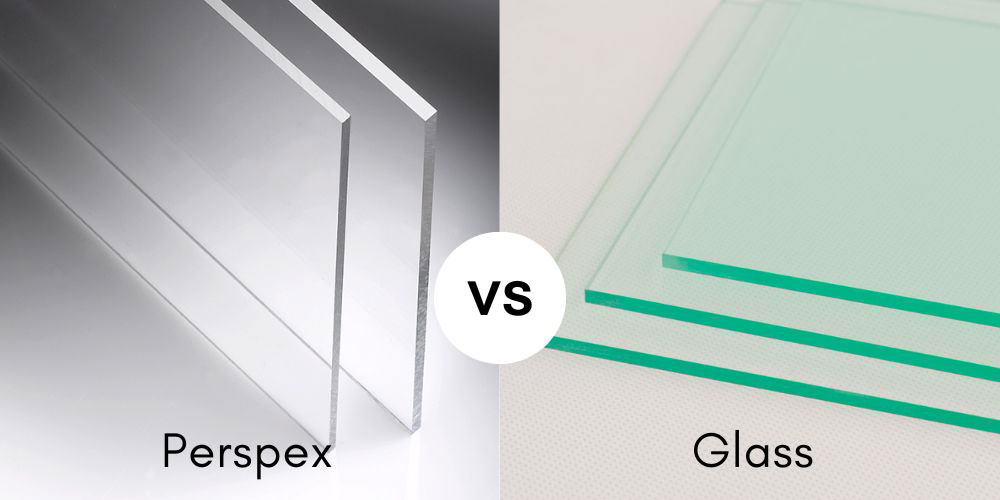
Perspex is acrylic sheet: much lighter than glass of the same thickness, easier to cut, drill and shape, and far less likely to shatter when struck. Glass holds its clarity longer and resists scratching much better. Perspex suits signage, lightweight partitions and protective screens, while glass suits windows, shopfronts and surfaces that are cleaned hard every day.
Perspex is a lightweight acrylic sheet that can provide a practical alternative to glass in selected glazing, signage and partition applications. Glass offers excellent optical clarity and scratch resistance, while Perspex is easier to handle and generally more resistant to impact than ordinary glass.
Choosing between the two depends on where the material will be installed and what it needs to do.
A shopfront, office partition, illuminated sign and protective screen may each require a different specification.
In Kenya, the choice can also be affected by:
- Climate
- UV exposure
- Humidity
- Impact risk
- Panel size
- Installation method
- Maintenance requirements
- Project budget
This guide compares Perspex and glass for practical construction, architectural and commercial applications.
What Is the Difference Between Perspex and Glass?
Perspex is an acrylic plastic sheet, while glass is an inorganic material manufactured primarily from silica-based raw materials. Perspex is generally lighter and easier to fabricate, while glass offers excellent surface hardness, optical clarity and scratch resistance.
The key difference is that Perspex is a polymer, while glass is a mineral-based material.
| Feature | Perspex/Acrylic | Glass |
|---|---|---|
| Material | Acrylic plastic | Silicate-based glass |
| Weight | Lower | Higher |
| Impact resistance | Generally higher than ordinary glass | Depends on glass type |
| Surface hardness | Lower | Higher |
| Optical clarity | Excellent | Excellent |
| Fabrication | Easy to cut and machine | Requires specialised processing |
| Illumination | Excellent for selected grades | Possible with specialised systems |
| Typical applications | Signage, partitions, displays, glazing | Windows, doors, partitions, facades |
| Moisture resistance | High | High |
| UV performance | Product-dependent | Generally high |
| Scratch resistance | Lower | Higher |
Neither material is universally better.
The correct choice depends on the application.
What Is Perspex?
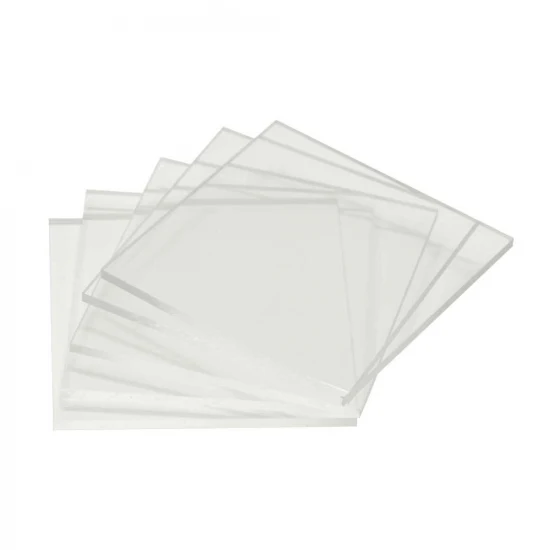
Perspex is an acrylic sheet material commonly used for transparent, translucent and coloured architectural and commercial applications. It is valued for its relatively low weight, clean appearance, fabrication flexibility and ability to transmit light.
Perspex is commonly used for:
- Signage
- Display panels
- Internal partitions
- Protective screens
- Decorative glazing
- Lightboxes
- Retail displays
- Interior features
BHD supplies Perspex sheets for suitable applications.
Acrylic can be supplied in different finishes and colours, including clear and translucent options.
This makes it particularly useful where a designer wants transparency without using conventional glass.
What Is Glass?
Glass is a rigid inorganic material widely used for windows, doors, partitions, shopfronts and architectural glazing. Different glass types provide different levels of safety, strength, thermal performance, privacy and appearance.
Common architectural glass types include:
- Float glass
- Tempered glass
- Laminated glass
- Tinted glass
- Frosted glass
- Low-emissivity glass
- Patterned glass
The term "glass" therefore covers many different products.
Comparing Perspex with "glass" without identifying the glass type can be misleading.
For example, ordinary float glass and laminated safety glass have very different performance characteristics.
Is Perspex Stronger Than Glass?
Perspex is generally more impact-resistant than ordinary glass, meaning it is less likely to shatter from many common impacts. However, "stronger" depends on whether the comparison involves ordinary, tempered or laminated glass and on the specific acrylic grade and thickness.
This distinction is important.
Ordinary Glass
Standard glass can break into sharp pieces when subjected to sufficient impact.
Tempered Glass
Tempered glass is processed to improve its strength and safety characteristics.
Laminated Glass
Laminated glass uses multiple glass layers with an interlayer that helps hold fragments together when broken.
Perspex
Acrylic is much less likely to shatter like conventional glass under many impact conditions, but it can:
- Crack
- Chip
- Scratch
- Break under sufficient force
Therefore, Perspex should not automatically be described as unbreakable.
Is Perspex Lighter Than Glass?
Yes, Perspex is significantly lighter than glass of comparable thickness, which can simplify handling and reduce the load placed on supporting structures. This makes acrylic particularly useful for large decorative panels, displays and selected partition applications.
The weight difference becomes more important as panel dimensions increase.
For example, a large sheet installed high above ground may require:
- More workers to handle glass
- Special lifting equipment
- Stronger support
- More robust transportation
Acrylic can simplify handling because of its lower density.
However, the actual weight depends on:
- Sheet thickness
- Dimensions
- Material density
- Frame
- Accessories
Always calculate the actual panel weight before designing the supporting system.
Which Is Clearer: Perspex or Glass?
Both high-quality Perspex and glass can provide excellent transparency, but standard clear glass generally offers superior optical performance and surface hardness. High-quality acrylic can still provide excellent clarity for signage, displays, partitions and selected glazing applications.
For architectural glazing where maximum optical neutrality is important, glass is often preferred.
For signage and display applications, Perspex can offer more design flexibility.
Acrylic is especially useful when the sign requires:
- Coloured faces
- Translucent surfaces
- LED illumination
- Custom shapes
- Routed lettering
Is Perspex Safer Than Glass?
Perspex can be safer than ordinary glass in applications where impact and shattering are concerns because acrylic does not normally break into sharp glass-like fragments. However, safety depends on the application, panel thickness, mounting system and whether a purpose-designed safety glazing product is required.
For public buildings, commercial premises and high-traffic areas, the designer should identify the applicable safety requirements before selecting the material.
Do not replace specified safety glass with acrylic simply because acrylic is impact-resistant.
The complete system must meet the project's requirements.
Which Is Better for Glazing?
Glass remains the conventional choice for many windows, doors and architectural glazing systems because of its optical performance, surface hardness and wide range of specialised glazing products. Perspex can be useful where lower weight, impact resistance or fabrication flexibility is more important than conventional glass performance.
Glass is often preferred for:
- External windows
- Shopfronts
- Glass doors
- Large architectural glazing
- High-end facades
- Areas requiring high scratch resistance
Perspex can be useful for:
- Internal glazing
- Decorative screens
- Display areas
- Lightweight partitions
- Selected protective panels
- Signage glazing
The environmental exposure should always be considered.
Which Is Better for Partitions?
Both Perspex and glass can be used for partitions, but the better option depends on whether the project prioritises lightweight construction, impact resistance, premium appearance or acoustic performance. Glass is commonly preferred for high-end transparent partitions, while Perspex can be useful where reduced weight and easier fabrication are priorities.
Office Partitions
Glass provides:
- Premium appearance
- Excellent transparency
- Visual connectivity
- Natural light transmission
Perspex provides:
- Lower weight
- Easy fabrication
- Different colours and finishes
- Impact resistance
For an office renovation, acrylic can be useful where the existing structure cannot conveniently accommodate heavier glass panels.
Which Is Better for Commercial Signage?
Perspex is generally more versatile than glass for commercial signage because it can be cut, routed and illuminated relatively easily. It is particularly useful for three-dimensional lettering, lightboxes, logos and translucent sign faces.
Common Perspex signage applications include:
- Shop signs
- Reception logos
- Lightboxes
- Directional signs
- 3D letters
- Retail displays
Acrylic also works well alongside aluminium composite panels.
For example:
ACP background + Perspex lettering + LED illumination
can create a modern commercial sign.
BHD also supplies Alucobond sheets in Kenya for suitable architectural and signage applications.
Is Perspex Easier to Install Than Glass?
Perspex is generally easier to handle and fabricate because it is lighter and can be cut or machined using appropriate fabrication equipment. Glass requires specialised cutting, drilling, edge finishing and handling techniques, particularly for larger or safety-critical panels.
Perspex can be:
- Cut
- Drilled
- Routed
- Polished
- Formed under controlled conditions
Glass fabrication usually requires more specialised processes.
This does not mean Perspex installation requires no expertise.
Poorly drilled acrylic can crack.
Incorrect fixing can cause stress around holes.
Thermal expansion also needs to be considered in some applications.
Which Requires More Maintenance?
Glass generally has better scratch resistance and can be cleaned repeatedly without the same level of surface sensitivity as standard acrylic. Perspex is also relatively easy to clean, but abrasive materials and unsuitable chemicals can scratch or damage its surface.
Glass Maintenance
- Regular cleaning
- Removal of water spots
- Inspection of seals
- Inspection of frames
Perspex Maintenance
- Remove dust before wiping
- Use a soft cloth
- Use an acrylic-compatible cleaner
- Avoid abrasive pads
- Avoid aggressive solvents
Never use an abrasive cleaning method simply because a Perspex panel looks like glass.
Its surface is more susceptible to scratching.
Which Is More Scratch Resistant?
Glass is generally more scratch-resistant than standard Perspex because glass has a harder surface. Perspex therefore requires more careful cleaning and handling in areas where sand, dust or abrasive contact is common.
This matters in Kenya because airborne dust can become an abrasive contaminant.
Before wiping an acrylic panel:
- Remove loose dust.
- Use a clean, soft cloth.
- Apply an appropriate cleaning solution.
- Wipe gently.
- Avoid dry rubbing against gritty surfaces.
For shopfront applications where customers frequently touch the surface, glass may have an advantage.
Is Perspex Suitable for Outdoor Use in Kenya?
Some Perspex products are suitable for outdoor applications, but outdoor performance depends on the specific acrylic grade, UV exposure, thickness, colour and installation conditions. Product specifications should be checked before using Perspex for permanent exterior glazing or signage.
Kenyan outdoor conditions vary significantly.
Nairobi
Consider:
- UV exposure
- Dust
- Rain
- Temperature changes
Mombasa
Consider:
- Humidity
- Salt-laden air
- Strong sunlight
- Corrosion of supporting metalwork
Rift Valley
Consider:
- Wind exposure
- Dust
- Temperature variations
- Structural support
The panel is only one part of the system.
Frames, fasteners and seals must also be appropriate for the environment.
Does Perspex Turn Yellow in Sunlight?
Some acrylic products have excellent weathering and UV resistance, but performance varies by product and grade. Do not assume that every clear plastic sheet has the same outdoor weathering characteristics.
For a permanent exterior application, ask the supplier for:
- UV-performance information
- Product grade
- Warranty information
- Recommended application
- Manufacturer specifications
This is particularly important for signage that is expected to remain outdoors for many years.
What Are the Specifications to Compare?
When comparing Perspex and glass, contractors should consider thickness, dimensions, weight, clarity, impact performance, surface hardness, UV performance and intended application. The exact specifications should come from the selected product rather than generic material assumptions.
Perspex vs Glass Specifications Table
| Parameter | Perspex/Acrylic | Glass |
|---|---|---|
| Material | Acrylic | Silicate-based glass |
| Density | Lower | Higher |
| Weight | Lower | Higher |
| Transparency | Excellent | Excellent |
| Surface hardness | Lower | Higher |
| Impact resistance | Generally high vs ordinary glass | Depends on glass type |
| Scratch resistance | Moderate | High |
| Fabrication | Relatively easy | Requires specialised processing |
| Cutting | Suitable equipment required | Specialised cutting |
| Drilling | Possible with correct technique | Specialised process |
| Outdoor use | Product-specific | Product-specific |
| Typical thickness | Product-specific | Product-specific |
| Safety performance | Product-specific | Product-specific |
| Maintenance | Gentle cleaning | Conventional glass cleaning |
The table provides a general comparison.
Actual performance should always be verified from the manufacturer's technical documentation.
Which Is More Affordable in Kenya?
There is no universal price winner between Perspex and glass because sheet thickness, dimensions, type, fabrication and installation significantly affect the final cost. Perspex may reduce handling and fabrication complexity in some applications, while specialised glass products can cost more because of processing and safety requirements.
The actual project cost may include:
- Material
- Cutting
- Edge finishing
- Drilling
- Polishing
- Frame
- Fixings
- Transportation
- Installation
For signage, the cost can also include:
- Printing
- CNC routing
- LED lighting
- Wiring
- Power supply
- Letter fabrication
A simple sheet-price comparison therefore does not provide the complete answer.
Is Perspex Better for Coastal Kenya?
Perspex can be useful in coastal interiors and selected exterior applications, but the acrylic grade and supporting components must be suitable for high humidity and UV exposure. Coastal projects should also pay attention to corrosion-resistant frames, fasteners and other metal components.
Mombasa and other coastal areas experience higher humidity than many inland locations.
Therefore, consider the complete installation:
Perspex + suitable frame + appropriate fasteners + correct seals
rather than specifying the sheet alone.
Can Perspex Replace Glass Everywhere?
No. Perspex is not a universal replacement for glass because different applications have specific requirements for safety, fire performance, optical performance, scratch resistance, structural strength and regulatory compliance. The appropriate material should be selected according to the actual application.
For example, a Perspex sheet may be excellent for:
- Reception signage
- Retail displays
- Decorative partitions
but unsuitable as a direct replacement for a specified safety glazing system.
This distinction is important on commercial and public projects.
What Are Common Mistakes When Choosing Perspex or Glass?
The most common mistake is choosing the material based only on appearance or price without considering the application, thickness, support system and environmental exposure. Buyers should also avoid treating all acrylic and all glass products as technically identical.
Avoid:
Comparing Different Thicknesses
A 3 mm acrylic sheet cannot be fairly compared with a much thicker glass panel purely by price.
Ignoring the Glass Type
Float, tempered and laminated glass have different performance characteristics.
Ignoring Acrylic Grade
Different acrylic products can have different weathering and impact properties.
Using the Wrong Cleaning Products
Some solvents can damage acrylic surfaces.
Poor Mounting
Incorrect fixing can introduce stress and cause cracking.
Ignoring Expansion
Large acrylic panels can expand and contract with temperature changes.
How Do You Choose Between Perspex and Glass?
Choose Perspex when lower weight, impact resistance, fabrication flexibility or illuminated signage is important, and choose glass when optical performance, scratch resistance and conventional architectural glazing are priorities. Always confirm the specific product specification before making a final selection.
Use this quick guide:
| Project | Practical Starting Point |
|---|---|
| Shopfront glazing | Glass |
| External windows | Glass |
| Office glass partition | Glass |
| Illuminated sign | Perspex |
| 3D sign lettering | Perspex |
| Reception logo | Perspex |
| Lightweight decorative screen | Perspex |
| High scratch-risk surface | Glass |
| Lightweight display | Perspex |
| Safety-critical glazing | Purpose-specified safety glass/system |
For architectural projects, the final choice should be coordinated with the architect, contractor or relevant specialist.
Frequently Asked Questions About Perspex vs Glass
Perspex and glass can both provide transparent or attractive surfaces, but they perform differently under impact, scratching, weight and fabrication requirements. The best option depends on the specific application rather than one material being universally superior.
Is Perspex stronger than glass?
Perspex is generally more impact-resistant than ordinary glass, but specialised tempered or laminated glass can provide different safety and strength characteristics.
Is Perspex cheaper than glass in Kenya?
It depends on the thickness, product type, fabrication and installation requirements. A project quotation should compare the complete installed system.
Is Perspex better than glass for signage?
Perspex is generally more versatile for signage because it can be cut, routed and illuminated relatively easily.
Can Perspex be used for windows?
Some acrylic products can be used for selected glazing applications, but they should not automatically replace specified architectural or safety glass.
Does Perspex scratch easily?
Acrylic is more susceptible to scratching than glass. It should be cleaned with appropriate materials and without abrasive products.
Is Perspex suitable for outdoor signage?
Certain acrylic grades are suitable for outdoor signage, but UV resistance and the manufacturer's intended application should be confirmed.
Which is lighter, Perspex or glass?
Perspex is significantly lighter than glass of comparable dimensions and thickness, which can simplify handling.
Where can I buy Perspex sheets in Kenya?
You can view BHD's Perspex sheets or browse the Perspex catalog for available options.
Final Verdict: Perspex vs Glass
Perspex is an excellent option where lightweight construction, impact resistance, fabrication flexibility and illuminated signage are important, while glass remains the preferred material for many conventional glazing applications because of its surface hardness and specialised safety-glazing options. The correct choice depends on the application's technical requirements, not simply on price.
Choose Perspex when you need:
- Lightweight panels
- Illuminated signage
- Acrylic lettering
- Decorative partitions
- Easy fabrication
- Translucent or coloured surfaces
Choose glass when you need:
- Conventional windows
- Shopfront glazing
- High scratch resistance
- Premium transparent partitions
- Purpose-designed safety glazing
For alternative sheet materials, you can also browse BHD's polycarbonate products and compare them with your project's glazing requirements.
Contact Burhani Hardware Dealers (BHD)
Email: burhanihardwaredealers [at] yahoo.com
Call/WhatsApp: +254 731 217 462 | +254 704 606 131
Visit: BHD, Industrial Area, Funzi Road, Nairobi
Website: https://bhd.co.ke/
Delivery Guarantee:
Same-day delivery within Nairobi.
Next-day delivery countrywide to Nakuru, Kisumu, Mombasa, Eldoret, Thika, Meru, Kitengela and Malindi.
Frequently asked questions

Written & reviewed by
BHD Kenya
Burhani Hardware Dealers (BHD Kenya) is a Nairobi-based supplier of polycarbonate roofing, Alucobond/ACP cladding, Perspex, WPC wall panels and steel products, serving contractors, fabricators and homeowners across Kenya.