

How weather resistant building materials in Kenya | BHD
Quick answer
Weather-resistant building materials are chosen to match the local climate rather than a single national standard. Kenya's coast brings salt-laden humidity that corrodes untreated steel, the highlands bring cold, damp and strong UV, and dry inland areas bring heat and large thermal movement. Galvanised or coated steel, UV-stabilised polycarbonate and composite cladding perform well across these zones.
Weather conditions directly influence the durability, maintenance requirements, and performance of building materials in Kenya. Choosing materials based on local climate conditions helps buildings resist corrosion, heat damage, moisture problems, and premature deterioration.
Kenya has diverse climatic zones ranging from humid coastal regions to cool highlands and dry inland areas. Because construction materials experience different environmental pressures depending on location, contractors and developers must consider climate before selecting roofing, structural steel, wall finishes, and exterior products.
A material that performs well in Nairobi may require additional protection when used in Mombasa due to humidity and salt exposure. Similarly, roofing and facade materials used in Rift Valley areas must account for wind pressure and temperature changes.
BHD supplies construction and architectural materials selected for practical applications across Kenya, including steel products, polycarbonate sheets, WPC panels, Alucobond sheets, and other building solutions.
Explore BHD construction materials:
catalog
How Kenya’s Climate Zones Affect Building Materials
Kenya’s different climate zones create unique challenges for construction materials, including corrosion, UV exposure, temperature changes, and moisture damage. Material selection should consider the specific environmental conditions of each project location.
Major climate considerations include:
- Humidity levels
- Rainfall patterns
- Sun exposure
- Wind loads
- Temperature fluctuations
- Salt exposure near the coast
Coastal Kenya: Choosing Materials for Humidity and Salt Exposure
Coastal areas such as Mombasa require building materials that can withstand high humidity, salt-laden air, and increased corrosion risks. Corrosion-resistant finishes and moisture-resistant products improve building durability in coastal environments.
Coastal construction challenges include:
- High humidity
- Sea salt exposure
- Faster metal corrosion
- Mould and moisture risks
Recommended material considerations:
Structural Steel Protection
Steel products used near the coast should have:
- Proper protective coatings
- Suitable surface treatment
- Regular maintenance schedules
Common applications:
- Steel frames
- Roofing structures
- Fabrication projects
Explore steel products:
steel-products-in-kenya
Polycarbonate Roofing in Coastal Areas
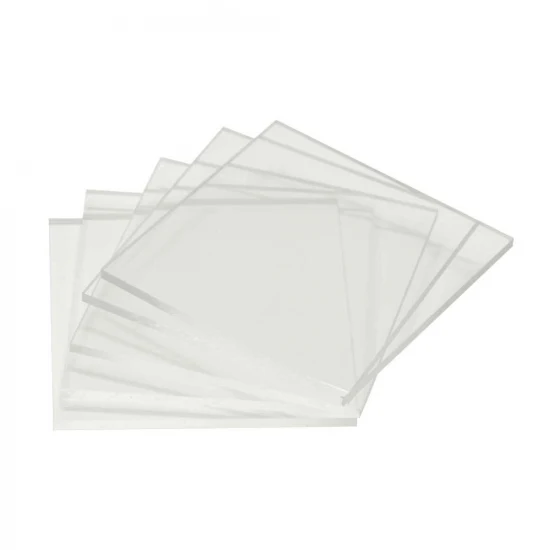
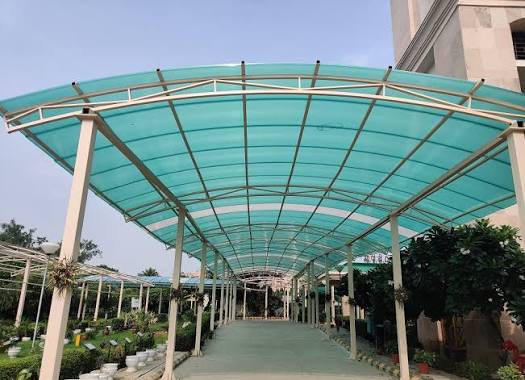
UV-protected polycarbonate sheets are suitable for coastal roofing applications because they provide weather resistance and natural lighting solutions. Proper installation and compatible support systems improve performance in humid environments.
Applications:
- Canopies
- Walkways
- Skylights
- Commercial roofing
Explore polycarbonate sheets:
polycarbonate-sheets
Nairobi and Central Kenya: Managing UV Exposure and Temperature Changes
Building materials in Nairobi and Central Kenya must withstand strong sunlight, UV exposure, and daily temperature variations. Materials with UV protection and stable finishes help maintain appearance and performance over time.
Common challenges:
- Strong solar radiation
- Expansion and contraction
- Exterior surface fading
Suitable material considerations:
UV-Protected Roofing Materials
Materials should provide:
- UV resistance
- Heat management
- Long-term colour stability
Polycarbonate roofing products with UV protection are commonly used for:
- Residential extensions
- Commercial skylights
- Covered walkways
Exterior Wall Finishes
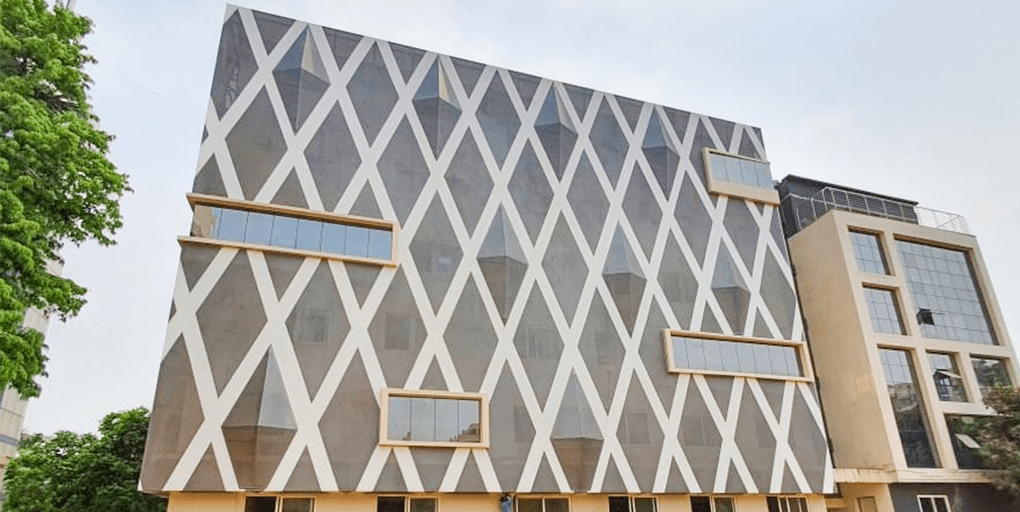
Architectural materials such as aluminium composite panels provide:
- Weather-resistant surfaces
- Modern appearance
- Low maintenance requirements
Explore Alucobond sheets:
alucobond-sheets-in-kenya
Rift Valley and Inland Kenya: Designing for Wind and Temperature Stress
Buildings in Rift Valley regions require materials and fixing systems that can withstand stronger winds, temperature variation, and structural stress. Correct structural design and durable materials improve safety and long-term performance.
Important considerations include:
- Wind-resistant roofing systems
- Strong structural connections
- Durable exterior finishes
Materials commonly used:
- Structural steel sections
- Reinforcement steel
- Durable roofing materials
How Rainfall Affects Building Material Selection
High rainfall areas require building materials that resist water penetration, moisture absorption, and drainage problems. Proper roofing systems and water management products protect buildings from weather-related damage.
Important products include:
PVC Gutters
PVC gutters help manage rainwater by directing water away from roofs and building foundations. They reduce risks associated with water accumulation and moisture damage.
Applications:
- Residential buildings
- Commercial properties
- Industrial structures
Explore PVC gutters:
pvc-gutters
Climate Impact on Different Building Materials
Different building materials respond differently to Kenya’s weather conditions, making climate suitability an important part of construction planning. The correct material choice improves lifespan, appearance, and maintenance performance.
| Material | Weather Concern | Recommended Consideration |
|---|---|---|
| Steel | Corrosion | Protective coatings and maintenance |
| Polycarbonate | UV exposure | UV-protected sheets |
| WPC Panels | Moisture | Quality composite materials |
| Aluminium Composite Panels | Weather exposure | Durable exterior coatings |
| Marble Boards | Interior moisture | Correct application area |
Weather Considerations When Choosing Roofing Materials in Kenya
Roofing materials in Kenya should be selected according to rainfall, heat exposure, wind conditions, and building location. The right roofing choice improves comfort, reduces maintenance, and extends service life.
Factors to consider:
Heat Control
Important for:
- Nairobi homes
- Commercial buildings
- Industrial spaces
Consider:
- Insulated roofing systems
- Daylighting solutions
- Ventilation
Wind Resistance
Important for:
- Rift Valley areas
- Open rural locations
Consider:
- Strong fixing systems
- Correct structural support
Technical Specifications Table: Weather-Resistant Building Materials
| Parameter | Example Specification |
|---|---|
| Material | UV-Protected Polycarbonate Sheet |
| Application | Roofing, skylights, canopies |
| Protection | UV-resistant coating |
| Climate Suitability | Sun and rain exposure |
| Installation | Supported roofing structure |
| Maintenance | Periodic cleaning and inspection |
| Purpose | Durable weather-resistant construction |
How Climate Affects Architectural Finishes
Architectural finishes must be selected according to environmental exposure to maintain appearance and performance. Exterior materials require stronger weather resistance than interior products.
Examples:
WPC Wall Panels
WPC panels provide moisture-resistant decorative finishes suitable for interior applications where humidity resistance is required. Their composite structure helps reduce problems associated with traditional timber finishes.
Applications:
- Interior feature walls
- Offices
- Hotels
Explore WPC panels:
wpc-wall-panels
Marble Boards
Marble boards are commonly used for interior decoration where controlled environmental conditions help maintain their appearance. They provide a premium finish while reducing installation complexity compared with natural stone.
Explore marble boards:
marble-boards
The Importance of Quality Standards in Weather-Resistant Construction
Quality standards help ensure that building materials perform safely under Kenya’s environmental conditions. Using compliant materials supports structural reliability and reduces risks caused by poor-quality products.
Contractors should consider:
- KEBS standards
- Manufacturer specifications
- Material testing
- Correct installation procedures
The National Building Code 2024 also emphasizes appropriate construction practices and safe material use.
How Contractors Can Choose Weather-Suitable Building Materials
Contractors should select building materials by evaluating location, climate exposure, project purpose, and maintenance requirements. A practical selection process prevents premature failures and unnecessary costs.
Recommended process:
- Identify project location
- Analyse climate conditions
- Select suitable materials
- Verify specifications
- Confirm installation requirements
- Plan maintenance needs
Why Reliable Supply Matters for Climate-Suitable Materials
Reliable material supply ensures contractors receive the correct products needed for specific environmental conditions without delaying construction schedules. Efficient logistics help reduce project downtime and improve planning.
BHD provides:
- Construction materials for different Kenyan regions
- Technical product guidance
- Consistent availability
Delivery guarantee:
- Same-day delivery within Nairobi
-
Next-day delivery countrywide to:
- Nakuru
- Kisumu
- Mombasa
- Eldoret
- Thika
- Meru
- Kitengela
- Malindi
Contact BHD:
contact-us
Common Mistakes When Selecting Building Materials Based on Weather
Common mistakes include using the same materials for every location, ignoring climate exposure, and choosing products based only on purchase price. Climate-specific selection provides better long-term value.
Avoid:
- Ignoring coastal corrosion risks
- Selecting non-UV-resistant materials outdoors
- Poor waterproofing decisions
- Weak roofing systems
- Incorrect installation methods
FAQ: Weather and Building Materials in Kenya
1. How does weather affect building materials in Kenya?
Weather affects corrosion, heat resistance, moisture performance, and overall material lifespan.
2. Which building materials are best for coastal Kenya?
Materials with corrosion resistance, moisture resistance, and durable protective finishes are suitable for coastal environments.
3. Are polycarbonate sheets suitable for Kenyan weather?
Yes. UV-protected polycarbonate sheets perform well for roofing and daylighting applications.
4. How does sunlight affect construction materials?
Strong UV exposure can cause fading, weakening, and surface deterioration in unsuitable materials.
5. What materials are suitable for rainy areas?
Water-resistant roofing systems, proper gutters, and durable exterior finishes help protect buildings.
6. Why does location matter when buying building materials?
Different regions expose materials to different stresses, requiring location-specific choices.
7. How can I reduce corrosion on steel structures?
Use appropriate protective coatings, proper installation, and regular maintenance.
8. Where can I buy climate-appropriate building materials in Kenya?
Contractors can source reliable construction materials from suppliers such as BHD Kenya.
Conclusion: Selecting Building Materials That Match Kenya’s Climate
Weather conditions should be one of the first considerations when choosing building materials in Kenya. Coastal humidity, Nairobi’s UV exposure, and Rift Valley wind conditions all affect how materials perform over time.
By selecting climate-appropriate products, following quality standards, and working with reliable suppliers, contractors can create buildings that remain safe, attractive, and durable for years.
BHD provides construction and architectural materials designed to support Kenya’s diverse building requirements with reliable supply and delivery.
Call to Action
Contact Burhani Hardware Dealers (BHD)
burhanihardwaredealers [at] yahoo.com
Call/WhatsApp: +254 731 217 462 | +254 790 545 205
Visit: BHD, Industrial Area, Funzi Road, Nairobi
Website: https://bhd.co.ke/
Delivery Guarantee:
Same-day delivery within Nairobi.
Next-day delivery countrywide to Nakuru, Kisumu, Mombasa, Eldoret, Thika, Meru, Kitengela, Malindi.
Frequently asked questions

Written & reviewed by
BHD Kenya
Burhani Hardware Dealers (BHD Kenya) is a Nairobi-based supplier of polycarbonate roofing, Alucobond/ACP cladding, Perspex, WPC wall panels and steel products, serving contractors, fabricators and homeowners across Kenya.