Polycarbonate vs Glass in Kenya: 2026 Guide to Uses, Prices & Specs | BHD Kenya
Quick answer
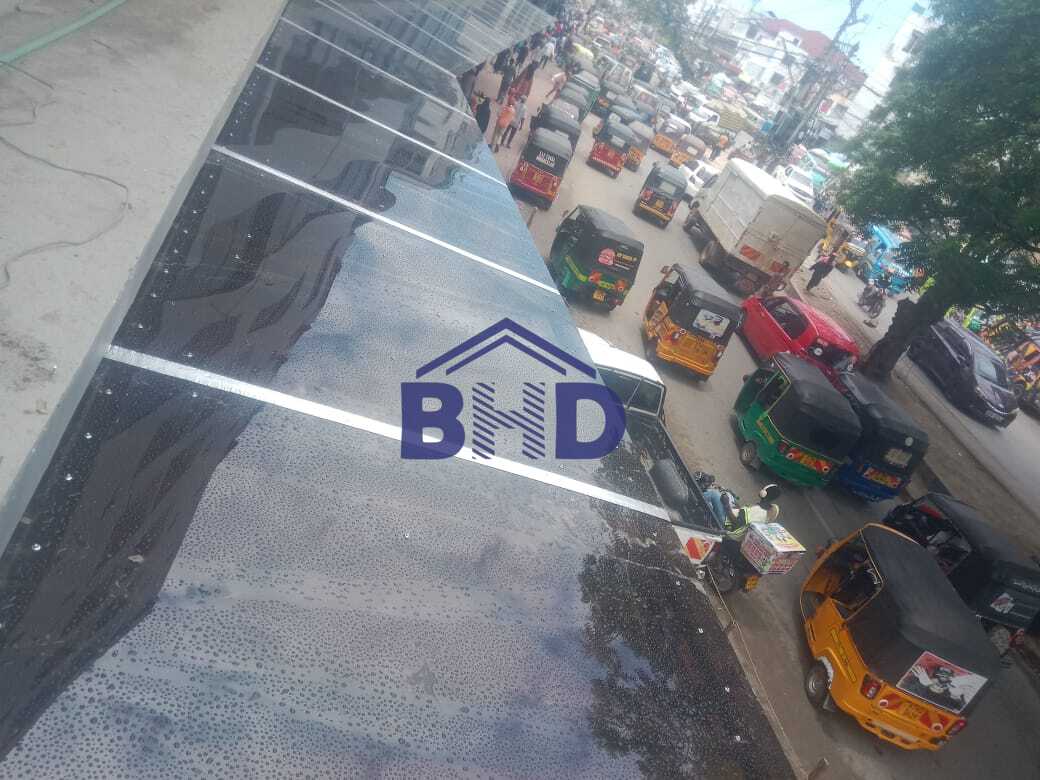
Polycarbonate is a thermoplastic sheet that weighs far less than glass and is highly impact-resistant, so it does not shatter into sharp pieces. That makes it the safer option for roofing, skylights, machine guards, partitions and security glazing. Glass stays optically clear for longer and resists scratching better, but it is heavy, brittle and cannot be curved on site.
Choosing between polycarbonate and glass in Kenya is not just a design decision—it directly affects safety, cost, durability, and long-term maintenance. For contractors, fabricators, and developers, the wrong material can lead to structural risks, costly replacements, or poor performance under Kenyan weather conditions.
This guide provides a practical, site-focused comparison of polycarbonate vs glass, with real insights from Kenyan construction environments—Nairobi, Mombasa, Rift Valley, and beyond.
What Is Polycarbonate and What Is Glass?
Polycarbonate is a high-impact, lightweight thermoplastic used for roofing, glazing, and skylights, while glass is a traditional rigid material made from silica, commonly used for windows and facades. Polycarbonate offers superior impact resistance and flexibility, whereas glass provides higher clarity and scratch resistance.
Polycarbonate Defined
Polycarbonate is an engineered plastic designed for high strength and weather resistance. Common types include:
- Solid polycarbonate (glass-like clarity)
- Hollow (multiwall) polycarbonate (insulated and lightweight)
Explore available options here:
polycarbonate-sheets
Glass Defined
Glass is a brittle material produced from sand and minerals, commonly used in:
- Windows
- Curtain walls
- Interior partitions
Polycarbonate vs Glass: Cost Comparison in Kenya
Polycarbonate is generally 20–40% cheaper than glass in Kenya when factoring installation and support structure costs. Glass may have lower material cost in some cases, but overall project cost increases due to weight, breakage risk, and installation complexity.
Cost Breakdown
| Factor | Polycarbonate | Glass |
|---|---|---|
| Material Cost | Moderate | Moderate–High |
| Installation Cost | Low (lightweight) | High (heavy, fragile) |
| Structural Support | Minimal | Heavy framing required |
| Transport Risk | Low | High (breakage) |
| Replacement Cost | Low | High |
Real Kenyan Insight
- Nairobi projects: Polycarbonate reduces crane usage and labor costs
- Mombasa coastal builds: Glass requires corrosion-resistant framing
- Upcountry deliveries: Glass increases transport risk and breakage
Safety Comparison: Which Material Is Safer?
Polycarbonate is significantly safer than glass because it is virtually unbreakable and does not shatter into dangerous shards. Glass, even when toughened, can break under impact and pose injury risks in high-traffic or overhead applications.
Impact Resistance
- Polycarbonate: ~250x stronger than glass
- Glass: Breaks under strong impact
Kenyan Regulatory Context
The National Building Code 2024 emphasizes safer materials in overhead installations. Polycarbonate aligns better with these safety expectations.
Durability & Weather Performance in Kenya
Polycarbonate performs better than glass in Kenya’s diverse climates due to its UV resistance, flexibility, and impact tolerance. Glass is more prone to cracking under thermal stress and environmental impact.
Climate-Based Performance
Nairobi & Central Kenya
- UV exposure + temperature variation
- Polycarbonate expands without cracking
Coastal (Mombasa)
- High humidity + salt
- Polycarbonate resists corrosion
Rift Valley
- Wind loads + hail
- Polycarbonate absorbs impact
Light Transmission & Aesthetic Differences
Glass provides slightly higher clarity and scratch resistance, while polycarbonate offers strong light transmission with built-in UV protection and greater design flexibility.
Comparison
| Feature | Polycarbonate | Glass |
|---|---|---|
| Transparency | 80–90% | 90–95% |
| UV Protection | Yes | Requires coating |
| Flexibility | High | None |
| Design Shapes | Curved & flat | Mostly flat |
egyptian-hollow-polycarbonate-sheets
Installation & Structural Requirements
Polycarbonate is easier and faster to install due to its lightweight nature, while glass requires heavy structural framing, skilled labor, and longer installation time.
Installation Comparison
| Parameter | Polycarbonate | Glass |
|---|---|---|
| Weight | Lightweight | Heavy |
| Handling | Easy | Fragile |
| Installation Time | Fast | Slow |
| Support Frame | Light steel | Heavy steel |
rectangular-hollow-section-rhs
Common Use Cases in Kenya
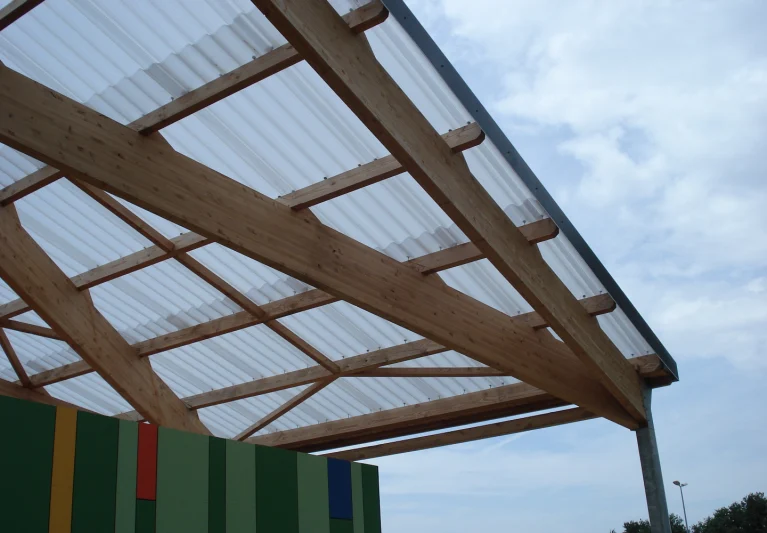
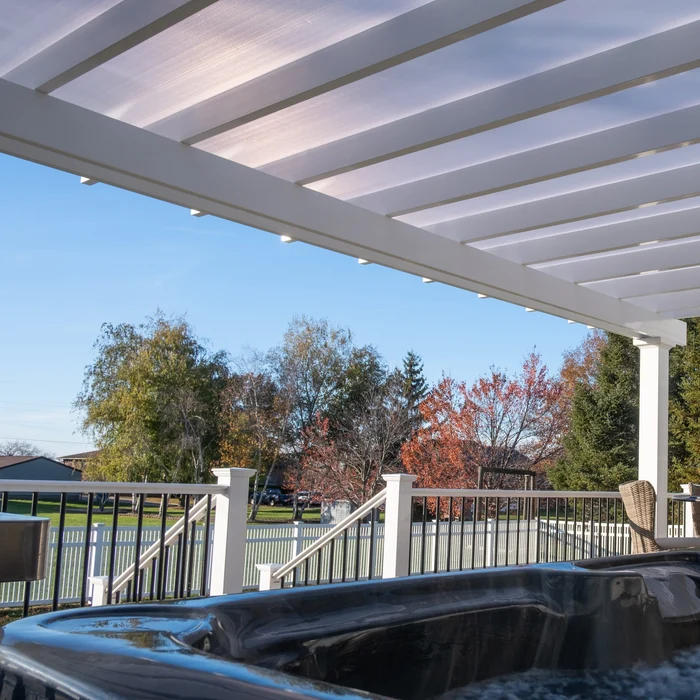
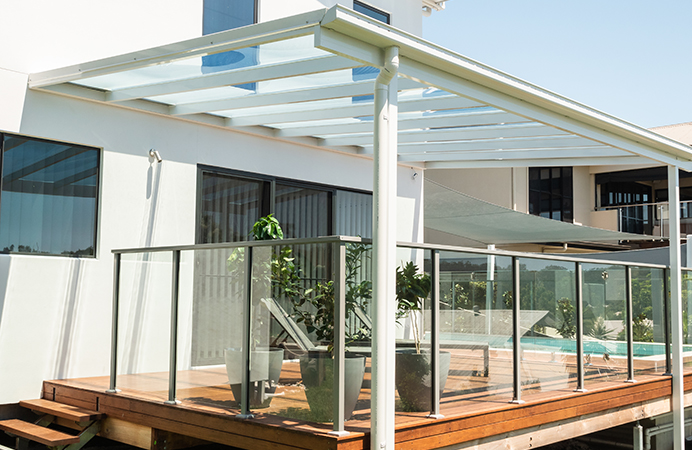
Polycarbonate is best for roofing, skylights, and outdoor structures, while glass is more suitable for windows, interior partitions, and architectural facades.
Polycarbonate Applications
- Carports
- Skylights
- Pergolas
- Greenhouses
Glass Applications
- Windows
- Office partitions
- Shopfronts
Technical Specifications Table (Polycarbonate Example)
| Parameter | Value |
|---|---|
| Thickness | 4mm – 10mm |
| Width | 2.1 meters |
| Length | 6m / 12m |
| Weight | ~1.2–1.7 kg/m² |
| UV Protection | Yes |
| Impact Resistance | Very High |
| Light Transmission | 80–90% |
Polycarbonate vs Glass: Which One Should You Choose?
Choose polycarbonate when safety, durability, and cost efficiency are priorities, especially for roofing and outdoor use. Choose glass when maximum clarity and aesthetics are required in controlled environments.
Frequently Asked Questions (FAQs)
Is polycarbonate cheaper than glass in Kenya?
Yes, overall project cost is lower due to reduced installation and maintenance.
Which is safer for roofing?
Polycarbonate, because it does not shatter.
Does polycarbonate turn yellow?
UV-protected sheets resist yellowing for years.
Can polycarbonate replace glass?
Yes, especially in roofing and outdoor applications.
Which lasts longer in coastal areas?
Polycarbonate performs better due to moisture resistance.
Is glass stronger than polycarbonate?
No, polycarbonate has much higher impact resistance.
Why Contractors in Kenya Prefer Polycarbonate
Contractors prefer polycarbonate because it reduces project risk, lowers installation costs, and performs reliably across Kenya’s varied climates.
Contact Burhani Hardware Dealers (BHD)
burhanihardwaredealers [at] yahoo.com
Call/WhatsApp: +254 731 217 462 | +254 790 545 205
Visit: BHD, Industrial Area, Funzi Road, Nairobi
Website: https://bhd.co.ke/
Delivery Guarantee:
Same-day delivery within Nairobi.
Next-day delivery countrywide to Nakuru, Kisumu, Mombasa, Eldoret, Thika, Meru, Kitengela, Malindi.
Frequently asked questions
Written & reviewed by
BHD Kenya
Burhani Hardware Dealers (BHD Kenya) is a Nairobi-based supplier of polycarbonate roofing, Alucobond/ACP cladding, Perspex, WPC wall panels and steel products, serving contractors, fabricators and homeowners across Kenya.