
Best Roofing Materials for Natural Lighting in Kenya (2026 Guide) | BHD Kenya
Quick answer
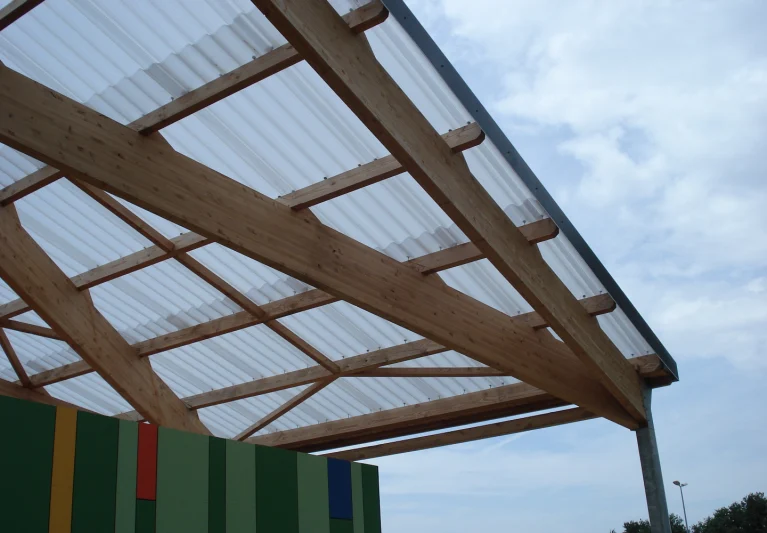
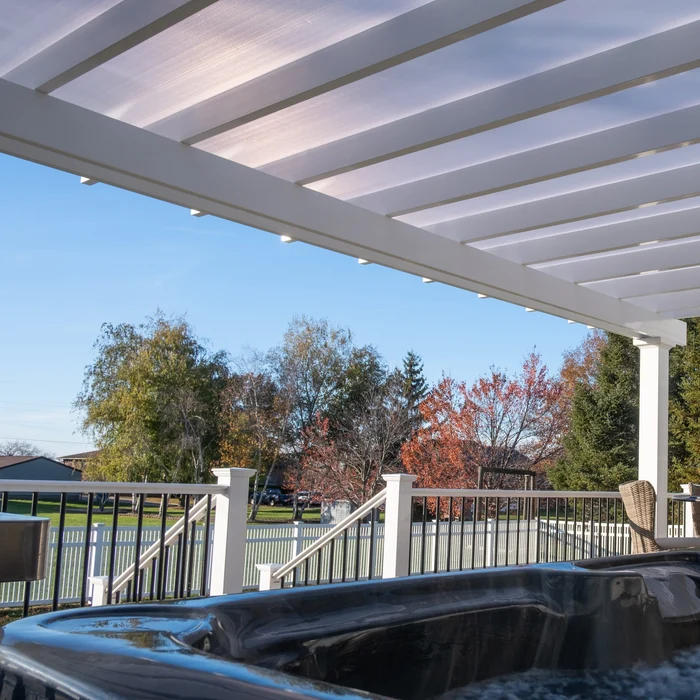
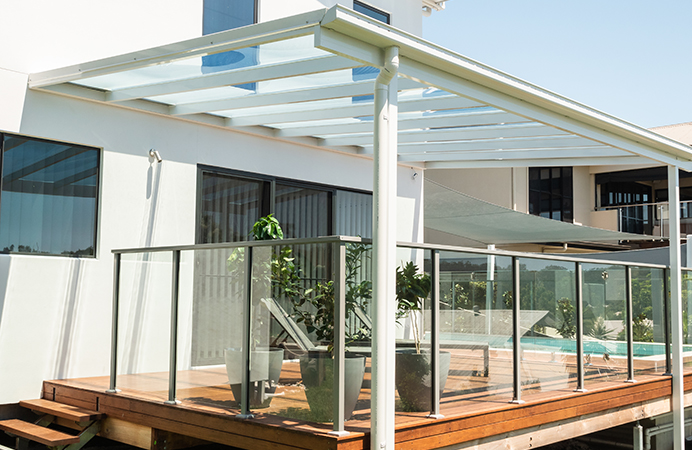
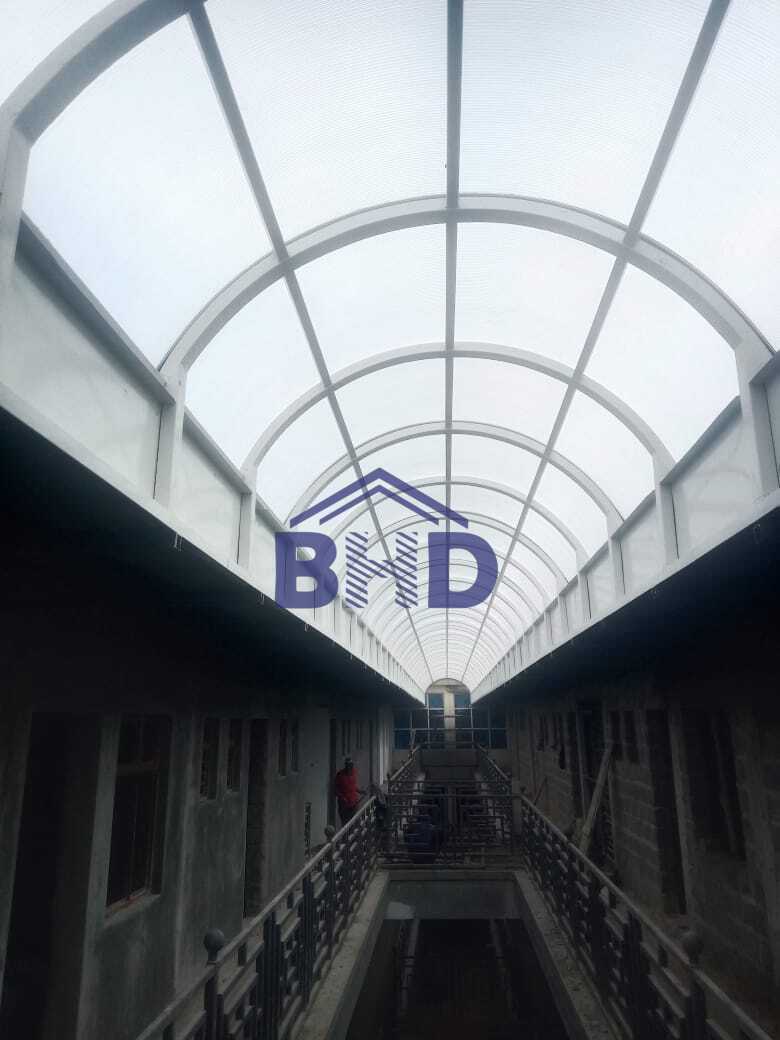
The main daylighting roof materials used in Kenya are hollow and solid polycarbonate sheets, GRP or fibreglass translucent panels matched to iron sheet profiles, and framed glass skylights. Polycarbonate is the usual choice for warehouses, schools, pergolas and walkways because it is light, resists impact, and comes in tints that admit daylight while cutting glare and heat.
Best Roofing Materials for Natural Lighting in Kenya (2026 Guide)
Natural lighting in Kenyan buildings is no longer just an architectural preference—it is a cost-saving, energy-efficient, and performance-driven design strategy. From warehouses in Industrial Area, Nairobi, to schools in Kisumu County, and commercial buildings along the Mombasa coastal belt, the demand for roofing systems that maximize daylight while controlling heat is rapidly increasing.
This guide breaks down the best roofing materials for natural lighting in Kenya, focusing on durability, compliance with Kenyan standards, climate performance, and real-world construction use.
What Are the Best Roofing Materials for Natural Lighting in Kenya?
The best roofing materials for natural lighting in Kenya are polycarbonate sheets (solid and hollow), acrylic (Perspex) sheets, and specialized translucent roofing systems designed for UV resistance and heat control. These materials allow controlled daylight penetration while maintaining strength against wind, rain, and long-term UV exposure.
They are widely used in warehouses, skylights, greenhouses, pergolas, schools, and commercial atriums across Kenya due to their balance of transparency, durability, and weather resistance.
Why Natural Lighting Roofing Is Important in Kenya
Natural lighting roofing reduces electricity costs, improves indoor productivity, and supports sustainable building design across Kenya’s varied climate zones. It is especially valuable in commercial and industrial buildings where artificial lighting significantly increases operational costs.
In Kenya:
- Nairobi benefits from consistent daylight but requires UV-balanced materials
- Coastal regions like Mombasa need high humidity and corrosion resistance
- Rift Valley areas face stronger wind loads requiring reinforced sheet systems
Natural lighting systems also align with Kenya’s push toward energy-efficient construction under the National Building Code 2024 and KEBS material quality expectations.
Polycarbonate Roofing Sheets for Natural Lighting
Polycarbonate roofing sheets are the most widely used solution for natural lighting in Kenya due to their high impact resistance, UV stability, and long service life. They are ideal for skylights, warehouses, industrial roofs, and pergola structures where both light transmission and durability are required.
These sheets are available in:
- Solid polycarbonate (high clarity, glass-like appearance)
- Hollow polycarbonate (lightweight, insulation efficiency)
Key Advantages in Kenya’s Climate
- UV-protected to reduce yellowing under strong equatorial sun
- High impact resistance (hail, falling debris, wind pressure)
- Lightweight for faster installation and reduced steel framing costs
- Suitable for both hot coastal and cooler highland regions
Product References (BHD Kenya)
- solid-polycarbonate-sheets
- egyptian-hollow-polycarbonate-sheets
- polycarbonate-sheets
- hollow-polycarbonate-sheets
- solid-polycarbonates
Specifications Table – Polycarbonate Roofing Sheets
| Parameter | Specification |
|---|---|
| Thickness | 4mm – 10mm |
| Sheet Width | 1.2m standard |
| Length | 6m or cut-to-size |
| Light Transmission | 40% – 90% (variant dependent) |
| UV Protection | Co-extruded UV layer |
| Lifespan | 10–20 years (proper installation) |
| Application | Skylights, warehouses, pergolas |
Perspex (Acrylic) Sheets for Skylights
Perspex sheets are high-clarity acrylic roofing materials used where maximum transparency and aesthetic finish are required in skylight and architectural daylighting systems. They provide a glass-like appearance while being significantly lighter and more impact-resistant than traditional glass.
In Kenya, Perspex is commonly used in:
- Shopping mall skylights
- Office atriums
- Display roofing and decorative canopies
- Interior daylight partitions
Performance in Kenyan Conditions
- Performs well in Nairobi’s moderate climate zones
- Requires UV-stabilized grades for coastal exposure in Mombasa
- Best suited for controlled architectural daylight applications rather than heavy industrial roofing
Product Reference (BHD Kenya)
Specifications Table – Perspex Roofing Sheets
| Parameter | Specification |
|---|---|
| Thickness | 2mm – 10mm |
| Transparency | Up to 92% clarity |
| UV Resistance | Available UV-grade options |
| Weight | Lighter than glass by ~50% |
| Application | Skylights, decorative roofing |
| Lifespan | 8–15 years |
Climate Considerations for Natural Lighting Roofs in Kenya
Roofing materials for natural lighting in Kenya must withstand high UV exposure, seasonal rainfall, and region-specific wind loads without losing clarity or structural integrity. Failure to consider climate conditions leads to discoloration, cracking, and reduced light transmission over time.
Regional Performance Requirements
- Nairobi & Central Kenya: Requires UV-stable materials due to high altitude solar exposure
- Coastal Kenya (Mombasa, Malindi): High humidity demands corrosion-resistant support framing
- Rift Valley (Eldoret, Nakuru): Strong wind loads require reinforced fixing systems
Natural lighting systems must also account for heavy rainfall impact and drainage design integration using systems like:
Compliance with KEBS and Kenyan Building Standards
All roofing materials used for natural lighting systems in Kenya must comply with KEBS standards and the National Building Code 2024 to ensure safety, durability, and structural integrity. Compliance ensures that materials meet minimum thresholds for fire resistance, UV stability, and load-bearing performance.
Key compliance considerations:
- KEBS material certification (e.g., KS 02-17 structural guidelines)
- Fire safety classification for translucent roofing
- Wind load resistance for exposed structures
- Structural integration with steel frameworks
Supporting structural steel systems are often required, including:
Installation Best Practices for Natural Lighting Roofs
Proper installation determines whether natural lighting roofing systems achieve their expected lifespan, clarity, and structural safety. Incorrect spacing, poor sealing, or wrong fasteners can significantly reduce performance even when high-quality materials are used.
Best Practices Used in Kenya
- Allow thermal expansion gaps for polycarbonate sheets
- Use rubber gasket fasteners to prevent cracking
- Install UV-protected side facing upward
- Ensure slope design for rainwater runoff
- Integrate with proper gutter systems for drainage
Additional supporting materials:
Cost and Availability of Natural Lighting Roofing in Kenya
The cost of natural lighting roofing materials in Kenya varies depending on thickness, UV protection level, and structural requirements. Polycarbonate sheets are generally more cost-effective long-term due to their durability and low maintenance needs compared to glass alternatives.
Availability Insights (BHD Logistics Reality)
- Same-day delivery within Nairobi County
- Next-day delivery to Kisumu, Mombasa, Eldoret, Nakuru, Thika, Meru, Kitengela, Malindi
- Bulk supply available for contractors and developers
Explore full catalog:
Structural Integration for Skylight Roofing Systems
Natural lighting roofing systems must be structurally supported using steel frameworks that handle wind loads, sheet weight distribution, and expansion stress. This ensures safety and long-term stability in both commercial and industrial installations.
Common structural components include:
- SHS and RHS steel frames
- HR beams for long-span support
- MS flat bars for reinforcement detailing
Supporting products:
FAQs – Natural Lighting Roofing in Kenya
1. What is the best roofing material for natural lighting in Kenya?
Polycarbonate sheets are the best roofing materials for natural lighting in Kenya due to their UV resistance, durability, and controlled light transmission.
2. Are polycarbonate roofs suitable for Kenyan weather?
Yes, polycarbonate roofs perform well across Kenya’s climates, including Nairobi heat zones and coastal humidity regions like Mombasa.
3. What is the difference between Perspex and polycarbonate roofing?
Perspex offers higher clarity but lower impact resistance, while polycarbonate is stronger and better suited for industrial roofing applications.
4. Do skylight roofing systems reduce electricity costs?
Yes, natural lighting roofing reduces daytime electricity usage by allowing controlled daylight penetration into buildings.
5. How long do polycarbonate roofing sheets last in Kenya?
With proper installation and UV protection, polycarbonate sheets can last between 10 and 20 years.
6. Can natural lighting roofing withstand heavy rain?
Yes, when installed with proper slope and gutter systems, these roofing materials handle Kenya’s heavy rainfall effectively.
7. Is KEBS approval required for roofing materials?
Yes, KEBS compliance ensures materials meet safety, UV stability, and structural performance standards required in Kenya.
Contact Burhani Hardware Dealers (BHD)
burhanihardwaredealers [at] yahoo.com
Call/WhatsApp: +254 731 217 462 | +254 790 545 205
Visit: BHD, Industrial Area, Funzi Road, Nairobi
Website: https://bhd.co.ke/
Delivery Guarantee:
Same-day delivery within Nairobi.
Next-day delivery countrywide to Nakuru, Kisumu, Mombasa, Eldoret, Thika, Meru, Kitengela, Malindi.
Frequently asked questions
Written & reviewed by
BHD Kenya
Burhani Hardware Dealers (BHD Kenya) is a Nairobi-based supplier of polycarbonate roofing, Alucobond/ACP cladding, Perspex, WPC wall panels and steel products, serving contractors, fabricators and homeowners across Kenya.