

Pergola Roofing Kenya: Stylish and Durable Outdoor Ideas
Quick answer
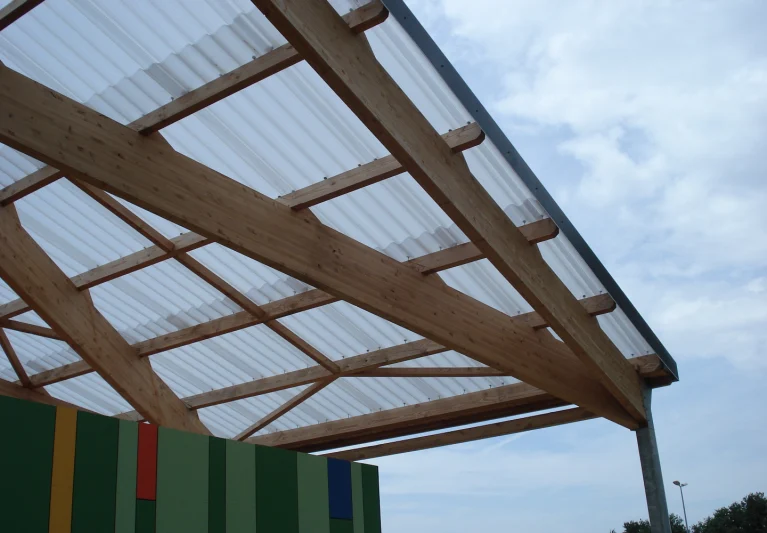
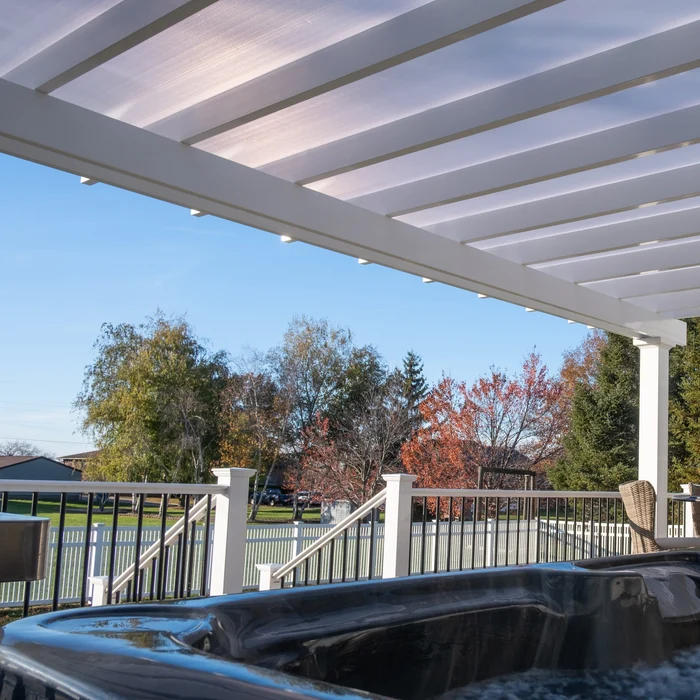
Pergola roofing in Kenya is most often polycarbonate sheet, because it keeps out rain and direct sun while still letting daylight reach the space below. Sheet type, colour and thickness are chosen from the span, the purlin spacing and how much light and heat you want, and the supporting frame can be steel, aluminium or treated timber.
Polycarbonate is one of the most practical materials for pergola roofing in Kenya because it can provide shade and rain protection while still allowing natural light into the outdoor space. The right sheet type, colour, thickness and supporting structure should be selected according to the pergola's size, location and intended use.
Pergolas have become popular additions to modern homes, restaurants, hotels and outdoor entertainment areas. They can transform an unused garden, patio or terrace into a comfortable space for relaxing, dining or entertaining.
However, an uncovered pergola provides limited protection from Kenya's changing weather. Adding suitable roofing can make the structure considerably more useful.
For homeowners searching for pergola roofing in Kenya, polycarbonate is worth considering because it combines relatively low weight, natural light transmission and weather resistance. BHD's current polycarbonate range specifically identifies pergolas, patios, walkways and awnings among common applications.
What Is Pergola Roofing?
Pergola roofing is an overhead covering installed on a pergola to provide shade, rain protection or greater outdoor comfort. It can be transparent, translucent or opaque depending on the desired amount of daylight and shade.
Traditional pergolas often use open beams that allow sunlight and rain through. A roof changes the function of the structure by creating a more sheltered outdoor environment.
Common pergola roofing options include:
- Polycarbonate
- Metal roofing sheets
- Glass
- Shade sails
- Timber systems
- Fabric canopies
- Combination roofing systems
The best choice depends on whether the priority is shade, daylight, waterproofing, appearance, durability or cost.
What Is the Best Roofing for a Pergola?
Polycarbonate is a strong all-round option for pergolas because it can combine natural daylight with protection from rain and sunlight. Other materials may be preferable where maximum shade, premium aesthetics or a completely opaque roof is the priority.
Polycarbonate can be particularly useful when you want a pergola that remains bright rather than creating a dark outdoor room.
BHD currently supplies hollow, solid and corrugated polycarbonate options for applications including pergolas and patios.
A practical selection approach is:
- Daylight + weather protection: Polycarbonate
- Maximum shade: Opaque metal roofing
- Premium architectural appearance: Glass
- Temporary shade: Fabric or shade sails
- Traditional appearance: Timber-based systems
Is Polycarbonate Good for Pergola Roofing?
Yes, polycarbonate is well suited to many pergola applications because it is lightweight, impact-resistant and available in clear, tinted and translucent options. It can provide weather protection without completely eliminating natural light.
Potential benefits include:
- Natural daylight
- Rain protection
- UV protection
- Impact resistance
- Lightweight construction
- Modern appearance
- Multiple colour options
- Flexible design possibilities
BHD describes its polycarbonate roofing products as suitable for pergolas, patios, awnings and other outdoor structures.
Its solid polycarbonate range also lists carports and pergolas among potential applications.
Why Use Polycarbonate for Outdoor Roofing?
Polycarbonate provides a useful balance between daylight and weather protection, making it particularly attractive for outdoor living spaces. Its relatively low weight also makes it suitable for many steel or aluminium-framed pergolas.
Natural daylight
Clear and translucent sheets allow daylight into the pergola.
Weather protection
A properly designed roof can protect furniture and occupants from rain and direct sunlight.
Impact resistance
Polycarbonate is generally more impact-resistant than conventional glass.
Lightweight construction
The material can be easier to transport and handle than heavier glazing materials.
Modern appearance
Clear, bronze, tinted and translucent options can complement contemporary buildings.
Hollow vs Solid Polycarbonate for Pergolas
Hollow polycarbonate is generally attractive for lightweight roofing and thermal performance, while solid polycarbonate provides a dense panel with high clarity and impact resistance. The best option depends on the pergola's size, design and performance requirements.
| Feature | Hollow Polycarbonate | Solid Polycarbonate |
|---|---|---|
| Construction | Multiwall/cellular | Solid sheet |
| Weight | Generally lighter | Generally heavier |
| Light transmission | Product-dependent | Generally high |
| Thermal characteristics | Internal chambers can improve insulation | Product-dependent |
| Typical use | Pergolas, patios, walkways | Canopies, glazing, premium pergolas |
| Main advantage | Lightweight and insulating | Clarity and impact resistance |
BHD describes hollow polycarbonate as lightweight, UV-protected and suitable for pergolas and residential patios.
Its solid range is available in different thicknesses and colours and is also listed for pergolas and canopies.
Transparent vs Tinted Pergola Roofing
Clear polycarbonate provides maximum daylight, while tinted or translucent options can reduce glare and direct solar exposure. The right finish depends on the pergola's orientation, climate and how much shade users want.
Clear polycarbonate
Consider clear roofing when:
- Maximum daylight is desired
- The pergola receives limited direct sunlight
- You want an open appearance
- Natural lighting is a priority
Tinted polycarbonate
Tinted sheets can be useful where the pergola receives strong sunlight.
They can provide a balance between:
- Shade
- Daylight
- Visual appeal
Translucent polycarbonate
Translucent roofing diffuses incoming light and can provide a softer appearance.
It can be useful when you want:
- Reduced glare
- Diffused daylight
- Greater visual privacy
Does Polycarbonate Pergola Roofing Get Hot?
Polycarbonate roofing can contribute to heat buildup when excessive direct solar radiation enters the structure. Tinted or heat-reducing sheets, adequate ventilation and appropriate pergola orientation can help improve outdoor comfort.
This is particularly important in sunny areas.
A pergola should retain airflow rather than becoming a sealed enclosure.
Consider:
- Roof colour
- Sheet transparency
- Pergola orientation
- Shade from surrounding structures
- Ventilation
- Roof height
BHD's current guidance also recommends tinted or heat-reducing polycarbonate and good ventilation where heat control is important.
Can Pergola Roofing Protect Against Rain?
Yes, a properly designed polycarbonate pergola roof can provide effective rain protection. Waterproof performance depends on roof pitch, sheet installation, overlaps, sealing, flashing and drainage rather than the roofing sheet alone.
A good pergola roof should direct water away from:
- Doors
- Walls
- Seating areas
- Walkways
- Foundations
Important components may include:
- Gutters
- Downpipes
- Flashings
- Appropriate overlaps
- Correct roof pitch
- Compatible fasteners
BHD notes that waterproof performance depends on correct slope, overlap, sealing, fastening and drainage.
What Are the Best Pergola Roofing Materials in Kenya?
The best material depends on the function of the pergola. Polycarbonate is a strong choice where daylight and weather protection are both important, while metal, glass and shade systems can serve different design priorities.
Polycarbonate
Best for:
- Daylight
- Rain protection
- Modern designs
- Residential pergolas
- Patios
- Commercial outdoor spaces
Metal roofing
Best where:
- Maximum shade is required
- Natural light is less important
- A conventional roofing appearance is preferred
Glass
Best for:
- Premium architectural projects
- Maximum transparency
- High-end terraces
However, glass requires careful structural and safety consideration.
Shade sails
Best for:
- Temporary installations
- Decorative shade
- Open-air environments
They are generally not equivalent to a fully waterproof roofing system.
Pergola Roofing Ideas for Kenyan Homes
Pergola designs should match the home's architecture while responding to local weather conditions. Polycarbonate makes it possible to create bright, modern outdoor spaces without completely closing them off from daylight.
1. Clear Polycarbonate Garden Pergola
A clear roof can create a bright garden sitting area.
2. Tinted Patio Pergola
Tinted roofing can provide stronger shade for outdoor dining.
3. Steel and Polycarbonate Pergola
A steel frame combined with polycarbonate creates a modern architectural appearance.
For structural components, explore BHD's steel products.
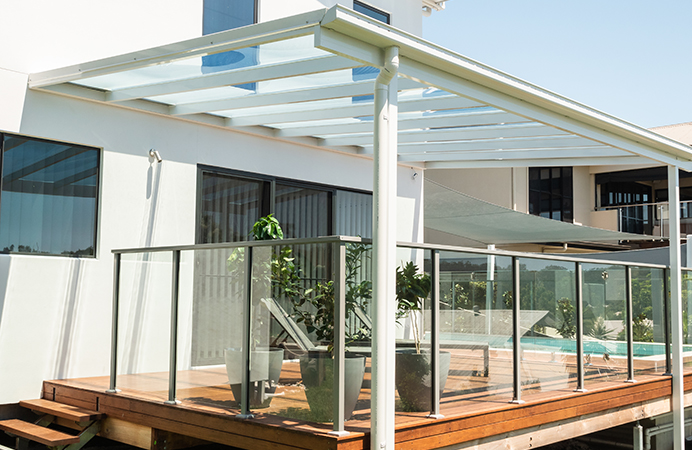
4. Poolside Pergola
Polycarbonate can provide a sheltered space beside a swimming pool.
5. Rooftop Pergola
A rooftop structure can create an outdoor entertainment area while providing protection from sun and rain.
6. Restaurant Pergola
Commercial pergolas can extend usable seating areas while retaining an outdoor atmosphere.
BHD's current project portfolio includes a Polycarbonate Pergola Project in Nairobi, demonstrating the material's use in an actual Kenyan installation.
Pergola Roofing for Restaurants and Hotels
Commercial pergolas require durable roofing that can withstand frequent use while maintaining an attractive appearance. Polycarbonate can work well for restaurants, hotels, resorts and outdoor seating areas where daylight and weather protection are both valuable.
Applications include:
- Restaurant terraces
- Hotel lounges
- Poolside seating
- Resort gardens
- Rooftop restaurants
- Outdoor dining areas
Commercial projects should give particular attention to:
- Structural strength
- Drainage
- Maintenance access
- Customer comfort
- Appearance
- Wind exposure
Pergola Roofing for Coastal Kenya
Pergolas in coastal areas need careful consideration of strong sunlight, humidity and corrosion of supporting structures. UV-protected roofing and corrosion-resistant or appropriately protected frames can help address these conditions.
For areas around Mombasa and the Coast, consider:
- UV exposure
- Humidity
- Salt-laden air
- Corrosion protection
- Ventilation
- Rainfall
The roofing material should be considered together with its supporting frame.
Pergola Roofing in Nairobi
Nairobi pergolas need to accommodate seasonal rainfall, strong sunlight and changing temperatures. A well-designed polycarbonate roof can provide a useful combination of daylight and protection for gardens, patios and terraces.
Consider:
- Roof pitch
- Drainage
- Sun orientation
- Wind exposure
- Ventilation
- Sheet selection
How Do You Install Pergola Roofing?
Pergola roofing installation should begin with accurate measurements and structural assessment before the sheets are fitted. Correct support, roof pitch, fastening, thermal movement and drainage are important for long-term performance.
A typical installation involves:
- Measure the pergola
- Assess the supporting frame
- Determine roof pitch
- Select the appropriate roofing material
- Prepare the frame
- Measure and cut sheets
- Install appropriate profiles
- Fix the sheets correctly
- Allow for required thermal movement
- Install edge details
- Add gutters where required
- Inspect the completed installation
The exact fixing method and support spacing should follow the selected manufacturer's installation requirements.
What Thickness Is Best for Pergola Roofing?
There is no universal thickness that is best for every pergola. The appropriate thickness depends on sheet type, span, support spacing, wind exposure, structural design and the manufacturer's specifications.
Rather than choosing a thickness based solely on price, consider:
- Pergola dimensions
- Support spacing
- Wind conditions
- Roofing profile
- Expected loading
- Required thermal performance
BHD's current product information shows hollow polycarbonate options ranging from 4mm to 16mm, while its solid polycarbonate range includes multiple thicknesses.
How Long Does Pergola Roofing Last?
The service life of polycarbonate pergola roofing depends on product quality, UV protection, installation, environmental exposure and maintenance. Manufacturer specifications should be used when estimating expected service life for a particular product.
BHD's current pergola guide gives a typical range of 10–20 years depending on material quality, installation and exposure.
Factors affecting durability include:
- UV protection
- Sheet quality
- Installation
- Cleaning
- Fasteners
- Coastal exposure
- Structural movement
How Do You Maintain Polycarbonate Pergola Roofing?
Regular cleaning and inspection can help maintain the appearance and performance of polycarbonate roofing. Gutters, drainage points, fixings and supporting structures should also be inspected periodically.
A maintenance checklist should include:
- Remove leaves and debris
- Wash accumulated dirt
- Clear gutters
- Inspect fasteners
- Check seals
- Inspect sheet edges
- Look for cracks
- Check supporting steel
- Inspect drainage
Avoid abrasive cleaning materials that can scratch the surface.
How Much Does Pergola Roofing Cost in Kenya?
Pergola roofing costs in Kenya depend on the size of the pergola, roofing material, sheet thickness, supporting frame, accessories, installation and design complexity. A project-specific quotation provides a more reliable figure than a generic price per sheet.
Cost factors include:
- Pergola size
- Roofing type
- Sheet thickness
- Frame material
- Number of supports
- Fasteners
- Flashings
- Gutters
- Labour
- Transport
- Custom fabrication
The supporting frame can represent a significant portion of the overall project cost.
How Can You Reduce Pergola Roofing Costs?
A practical pergola design can control costs without compromising the essential function of the structure. Accurate measurements, efficient sheet layouts and appropriate material selection can help reduce waste and unnecessary structural requirements.
Consider:
- Simple roof geometry
- Efficient sheet sizing
- Appropriate thickness
- Proper frame design
- Minimal unnecessary accessories
- Accurate quantity calculations
Avoid selecting the cheapest roofing material without considering its expected service life and performance.
Common Pergola Roofing Mistakes
Common mistakes include inadequate drainage, choosing the wrong level of transparency, poor structural support and ignoring heat buildup. A pergola should be designed as a complete roofing system rather than treating the sheet as the only important component.
Avoid:
- Choosing roofing based only on appearance
- Ignoring roof pitch
- Failing to plan drainage
- Using inadequate supports
- Incorrectly fixing sheets
- Ignoring thermal movement
- Using excessive transparent roofing
- Blocking natural ventilation
- Ignoring wind exposure
- Failing to maintain gutters
Frequently Asked Questions About Pergola Roofing
Polycarbonate is a versatile pergola roofing option, but the right material depends on whether the main priority is daylight, shade, waterproofing, appearance or cost.
What is the best roofing for a pergola?
Polycarbonate is one of the best all-round options where natural light and rain protection are both required.
Is polycarbonate good for pergola roofing?
Yes. Polycarbonate is suitable for many pergolas, patios and outdoor canopies and is available in several forms and finishes.
Which polycarbonate is best for pergolas?
Hollow polycarbonate is commonly used for lightweight roofing and insulation, while solid polycarbonate is useful where clarity and impact resistance are priorities.
Is clear or tinted polycarbonate better?
Clear sheets provide more daylight, while tinted options can reduce glare and direct sunlight. The choice depends on the pergola's orientation and intended use.
Does polycarbonate pergola roofing reduce heat?
The result depends on the product and design. Tinted or appropriately selected multiwall sheets, together with ventilation, can help manage heat.
Can polycarbonate roofing withstand heavy rain?
Properly designed and installed polycarbonate roofing can provide effective rain protection. Drainage and installation details are critical.
How long does pergola roofing last?
Service life depends on the product and installation conditions. BHD's current guide gives approximately 10–20 years for polycarbonate pergola roofing depending on quality, installation and environmental exposure.
How much does pergola roofing cost in Kenya?
The cost varies according to roofing material, pergola dimensions, supporting structure, accessories and installation. A quotation based on project measurements is recommended.
What is the best roofing for an outdoor patio?
Polycarbonate is a practical option where the homeowner wants rain protection without losing natural daylight. Metal and other roofing systems can be preferable where maximum shade is the priority.
Can a pergola have a waterproof roof?
Yes. A pergola can be designed with a waterproof roofing system, provided the roof has appropriate pitch, joints, flashing and drainage.
Can polycarbonate be used for a garden pergola?
Yes. Hollow and solid polycarbonate are both listed for pergola applications, depending on the desired performance and design.
Conclusion
The best pergola roofing material depends on how you intend to use the outdoor space. For many Kenyan homes and commercial properties, polycarbonate offers an effective balance of natural light, weather protection, durability and modern appearance.
When choosing pergola roofing in Kenya, consider:
- Pergola size
- Roof design
- Material type
- Transparency
- Shade requirements
- Heat control
- Rainfall
- Wind exposure
- Structural support
- Drainage
- Maintenance
- Overall project budget
BHD currently supplies hollow, solid and corrugated polycarbonate roofing sheets and identifies pergolas, patios, walkways and awnings among their applications.
You can browse BHD's polycarbonate roofing range or view the complete construction materials catalogue.
Contact Burhani Hardware Dealers (BHD)
Email: info@bhd.co.ke
Call/WhatsApp: +254 731 217 462 | +254 790 545 205
Visit: Industrial Area along Funzi Road, Nairobi, Kenya
Website: BHD Kenya
BHD states that it supplies construction and architectural materials across Kenya, including polycarbonate sheets, steel products, Alucobond, Perspex, marble boards and WPC wall panels.
Frequently asked questions

Written & reviewed by
BHD Kenya
Burhani Hardware Dealers (BHD Kenya) is a Nairobi-based supplier of polycarbonate roofing, Alucobond/ACP cladding, Perspex, WPC wall panels and steel products, serving contractors, fabricators and homeowners across Kenya.