

Balcony Roofing Kenya: Smart and Stylish Roofing Ideas
Quick answer
A balcony roof needs to shed rain, cut direct sun and still keep the space bright. Polycarbonate is the usual choice because it is light on the supporting frame and comes clear, opal or tinted; metal sheeting suits full shade. Fall, drainage and fixing to the structure matter as much as the sheet.
Polycarbonate is one of the most practical materials for balcony roofing because it can provide protection from rain and direct sunlight while allowing natural light into the space. However, the best balcony roofing material depends on the balcony's structure, desired shade, ventilation, appearance, drainage and budget.
A balcony can become one of the most useful spaces in a home. It can serve as a sitting area, outdoor dining space, laundry area, relaxation zone or sheltered extension of the living room.
Without a roof, however, balconies are exposed to:
- Direct sunlight
- Heavy rain
- Wind-driven rain
- Dust
- Debris
- Excessive heat
Installing a suitable roof can make the space more comfortable and usable throughout the year.
For homeowners looking for balcony roofing in Kenya, the choice of material deserves careful consideration. A roof that blocks all sunlight may make the balcony dark, while one that allows too much direct sunlight may create excessive heat.
This is why materials such as polycarbonate are increasingly considered for balcony canopies and other residential roofing applications.
What Is Balcony Roofing?
Balcony roofing is a roof, canopy or overhead covering installed above a balcony to provide protection from rain, sunlight and other weather conditions. The roofing can be attached to the building or supported by an independent structure, depending on the design.
Balcony roofs can range from simple single-slope canopies to more elaborate structures.
Common designs include:
- Lean-to roofs
- Flat-looking canopies with appropriate drainage
- Sloped roofs
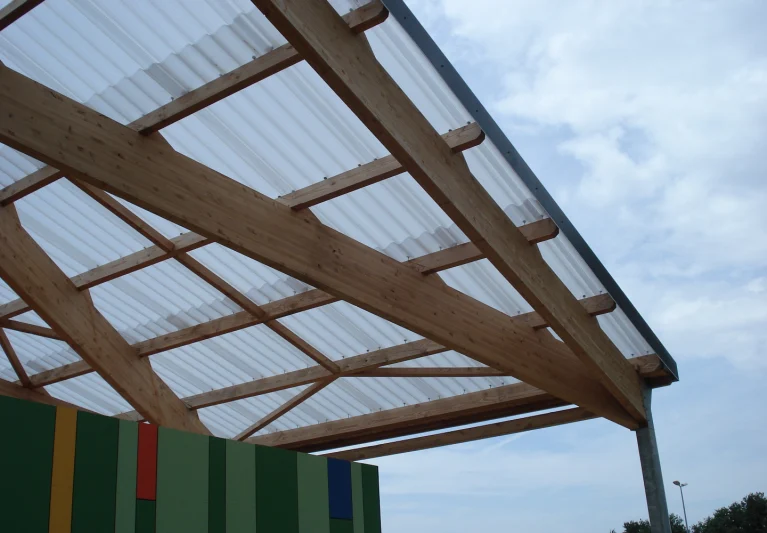
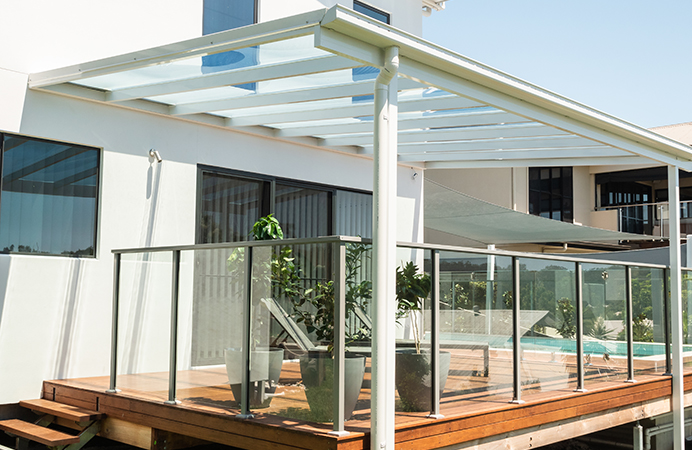
- Transparent canopies
- Translucent roofs
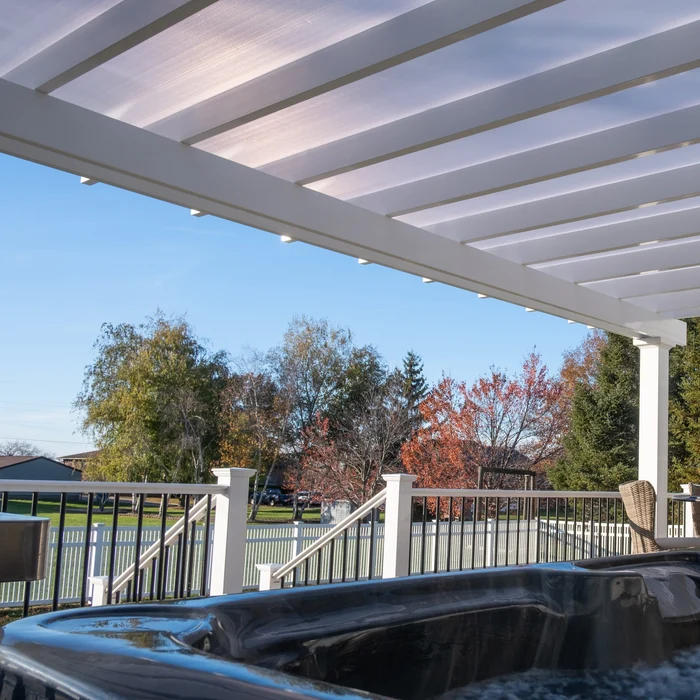
- Pergola-style covers
- Extended roof structures
The design should complement the existing building.
For example, a modern apartment may benefit from a clean, minimalist canopy, while a traditional residential property may require a roof that matches the existing roofing profile.
Why Add a Roof to a Balcony?
Balcony roofing can make an outdoor space more comfortable by providing shade and protection from rain. It can also help homeowners use their balconies for more activities throughout the year.
A roof can provide several practical benefits.
Protection from rain
Rain can make an uncovered balcony difficult to use.
A properly designed roof can help protect:
- Outdoor furniture
- Laundry
- Plants
- Flooring
- Doors and windows
- People using the balcony
Sun protection
Direct sunlight can make balconies uncomfortable, particularly during the hottest parts of the day.
A suitable roof can provide shade while maintaining ventilation.
Greater usability
A covered balcony can become a more functional extension of the home.
It may be used for:
- Morning coffee
- Reading
- Entertaining guests
- Relaxation
- Gardening
- Laundry
Better visual appeal
A well-designed canopy can also improve the exterior appearance of a property.
What Is the Best Material for Balcony Roofing?
Polycarbonate is a popular balcony roofing option because it combines weather protection with natural light transmission and relatively low weight. Other options, including metal roofing, glass and canopy systems, can also work depending on the project's requirements.
There is no single material that is best for every balcony.
The right choice depends on:
- Desired light levels
- Shade requirements
- Balcony size
- Roof structure
- Wind exposure
- Rainfall
- Appearance
- Budget
- Maintenance
Polycarbonate is particularly attractive when the homeowner wants protection without completely blocking daylight.
Is Polycarbonate Good for Balcony Roofing?
Yes, polycarbonate can be an excellent option for selected balcony roofing applications. It is lightweight, available in different levels of transparency and can provide weather protection while retaining a bright outdoor feel.
Polycarbonate roofing can be considered for:
- Residential balconies
- Apartment canopies
- Terraces
- Verandas
- Patios
- Walkways
- Outdoor seating areas
Depending on the product, polycarbonate sheets can be clear, translucent or tinted.
This allows homeowners to choose a finish based on the desired balance between light and shade.
You can explore available polycarbonate sheets when planning a balcony roofing project.
What Are the Advantages of Polycarbonate Balcony Roofing?
Polycarbonate offers a combination of light transmission, impact resistance, relatively low weight and design flexibility. These characteristics make it useful for balcony canopies where homeowners want weather protection without creating a completely enclosed or dark space.
1. Natural light
One of the biggest advantages is the ability to allow daylight through the roof.
This can make the balcony feel:
- Brighter
- More open
- Less enclosed
2. Lightweight construction
Polycarbonate is generally lighter than glass.
This can make handling and installation easier, although the supporting structure must still be properly designed.
3. Impact resistance
Polycarbonate is known for its impact resistance.
This can be useful in outdoor applications where the roof may be exposed to weather and accidental impacts.
4. Modern appearance
Clear and translucent polycarbonate can complement contemporary residential architecture.
5. Design flexibility
Different profiles, colours and sheet types allow designers to create different appearances.
Solid vs Hollow Polycarbonate for Balconies
Solid and hollow polycarbonate are different sheet constructions and should be selected according to the balcony's design and performance requirements. Solid sheets provide a dense panel, while hollow or multiwall sheets contain internal chambers and can offer useful thermal characteristics.
| Feature | Solid Polycarbonate | Hollow Polycarbonate |
|---|---|---|
| Construction | Solid sheet | Internal chambers |
| Appearance | Generally clearer | Often diffused |
| Weight | Generally heavier | Generally lighter |
| Thermal characteristics | Product-dependent | Air chambers can improve thermal performance |
| Typical applications | Canopies, glazing | Roofing, canopies, daylighting |
| Selection | Application-specific | Application-specific |
Neither should automatically be considered better.
The correct option depends on the design.
Transparent vs Tinted Balcony Roofing
Transparent roofing maximises daylight, while tinted or translucent roofing can reduce direct sunlight and glare. The best choice depends on how much natural light and shade the balcony requires.
Transparent roofing
Clear roofing can be suitable when:
- The balcony is naturally dark
- Maximum daylight is wanted
- An open visual appearance is preferred
However, direct sunlight can increase heat.
Tinted roofing
Tinted sheets can reduce the intensity of incoming sunlight.
They may be useful where:
- The balcony receives strong afternoon sun
- Glare is a concern
- More shade is required
Translucent roofing
Translucent materials can diffuse incoming light rather than providing completely clear views through the roof.
This can create a softer appearance.
Can Balcony Roofing Protect Against Rain?
A properly designed and installed balcony roof can provide significant protection from rain, but its effectiveness depends on roof slope, sheet overlaps, flashing, drainage, sealing and the amount of wind-driven rain reaching the balcony.
Rain protection involves more than selecting a waterproof sheet.
The roof should also manage water effectively.
Important components can include:
- Roof pitch
- Gutters
- Downpipes
- Flashings
- Overlaps
- Edge details
- Appropriate fixings
In heavy rainfall, water should be directed away from doors, walls and areas where people walk.
Does Balcony Roofing Make the Area Hot?
Some roofing materials can increase heat beneath a balcony, particularly when they transmit significant solar radiation. Proper material selection, shading, ventilation and roof design can help manage heat.
This is especially important for balconies facing strong afternoon sunlight.
Possible approaches include:
- Tinted polycarbonate
- Translucent materials
- External shading
- Adequate ventilation
- Strategic roof orientation
- Appropriate roof overhangs
A balcony should not be treated like a completely enclosed room.
Maintaining airflow is important.
What Are the Best Balcony Roofing Ideas for Kenyan Homes?
Good balcony roofing designs in Kenya should balance shade, rain protection, daylight and ventilation. Polycarbonate can be used to create modern transparent or translucent canopies, while conventional roofing can provide stronger shading where daylight is less important.
1. Clear polycarbonate canopy
A clear canopy provides strong daylight transmission.
It works particularly well where the homeowner wants the balcony to remain bright.
2. Tinted polycarbonate canopy
This can provide a balance between daylight and shade.
3. Translucent roof
A translucent roof can soften incoming light and provide privacy from above.
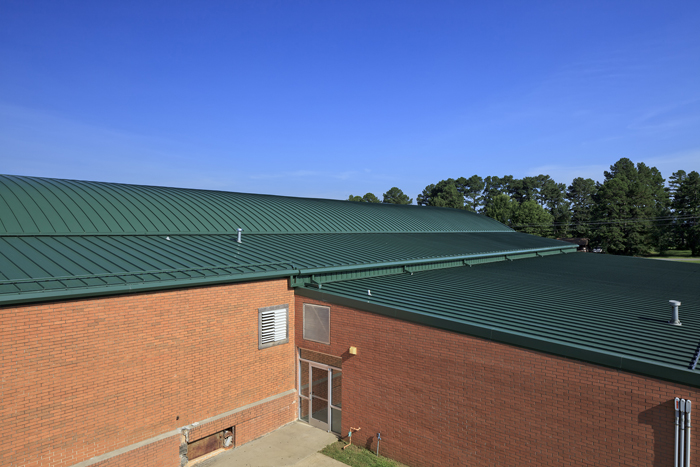
4. Extended metal roof
A conventional metal roof can provide stronger shade but may make the balcony darker.
5. Combination roof
A combination of conventional roofing and polycarbonate can provide both shade and daylight.
What Is the Best Balcony Roof for Apartments?
For apartment balconies, lightweight canopy systems such as appropriately specified polycarbonate can be attractive, but structural capacity, drainage, building management rules and applicable approvals must be considered before installation.
Apartment owners should not assume that they can permanently modify an external balcony without permission.
Check:
- Building management requirements
- Structural restrictions
- Drainage arrangements
- Appearance requirements
- Fixing locations
- Neighbouring units
- Maintenance access
Water must also be directed appropriately.
A poorly designed balcony canopy can redirect rainwater toward another apartment or common area.
Balcony Roofing and Privacy
Balcony roofing can improve privacy by reducing visibility from above, but the roof itself is not necessarily a complete privacy solution. Tinted or translucent materials can provide a degree of visual screening while still allowing daylight through.
Privacy may be important for apartments located close to:
- Other buildings
- Higher floors
- Neighbouring balconies
- Busy roads
Combining a roof with:
- Privacy screens
- Plants
- Vertical panels
- Curtains
- Decorative screens
can create a more private outdoor space.
How Should Balcony Roofing Be Supported?
The supporting structure should be designed for the selected roofing material and the environmental conditions at the property. Roof supports must account for wind, rain, span, fixings and the existing building structure.
Possible support materials include:
- Steel sections
- Aluminium systems
- Timber, where appropriate
- Existing structural members
The choice depends on the design.
For steel-supported canopies, appropriate steel products can be sourced according to project requirements.
You can also review steel products when planning the supporting structure.
How Do You Install Balcony Roofing?
Balcony roofing installation begins with accurate measurements and structural assessment, followed by installation of the supporting frame, roofing sheets, appropriate fixings, drainage and finishing details. The exact method depends on the roofing system selected.
A typical project involves:
Step 1: Measure the balcony
Determine:
- Length
- Width
- Required overhang
- Roof area
Step 2: Assess the structure
Check where the roof can safely be supported.
Step 3: Determine the roof slope
A suitable slope helps water drain away from the building.
Step 4: Install the supporting frame
The frame should be adequately designed for the roofing system and local conditions.
Step 5: Prepare the sheets
Sheets should be measured and cut according to the manufacturer's recommendations.
Step 6: Install the roofing
Use appropriate fasteners and installation accessories.
Step 7: Complete edge details
Install flashings, trims and other required finishing components.
Step 8: Install drainage
Where necessary, use gutters and downpipes to control runoff.
Step 9: Inspect the installation
Check:
- Alignment
- Fasteners
- Joints
- Seals
- Drainage
- Sheet condition
Why Is Drainage Important for Balcony Roofing?
Good drainage prevents roof runoff from collecting near walls, doors or neighbouring properties. Gutters, downpipes, roof pitch and edge details should be planned before the balcony canopy is installed.
A roof without adequate drainage can create:
- Wall staining
- Dampness
- Splashing
- Floor deterioration
- Water entering doors
- Problems for neighbours
This is particularly important in areas that experience heavy seasonal rainfall.
How Do You Maintain Balcony Roofing?
Regular cleaning and inspection can help maintain balcony roofing and identify problems before they become expensive repairs. Polycarbonate should generally be cleaned using methods and products compatible with the manufacturer's recommendations.
Maintenance should include:
- Removing leaves
- Cleaning dirt
- Clearing gutters
- Checking fasteners
- Inspecting seals
- Checking for cracks
- Inspecting the frame
- Checking drainage
Avoid abrasive cleaning materials that could scratch the roofing surface.
How Much Does Balcony Roofing Cost in Kenya?
Balcony roofing costs in Kenya vary according to balcony size, roofing material, supporting frame, sheet thickness, accessories, design complexity, labour and location. A project-specific quotation is more reliable than using a single national price.
The total cost may include:
- Roofing sheets
- Structural frame
- Fasteners
- Flashings
- Gutters
- Downpipes
- Sealants
- Labour
- Transport
A larger balcony may require stronger structural support, increasing the overall project cost.
Complex designs can also cost more than simple lean-to canopies.
How Can You Reduce Balcony Roofing Costs?
The most effective way to control balcony roofing costs is to keep the design practical, measure accurately and select a material appropriate for the actual requirements. Over-specifying the roof can increase costs without necessarily improving performance.
Consider:
- Simple roof geometry
- Efficient sheet layouts
- Appropriate sheet thickness
- Correct structural design
- Minimal unnecessary accessories
- Proper quantity calculations
Avoid choosing roofing based only on the lowest initial price.
A cheap roof that requires frequent repairs may cost more over its lifetime.
Balcony Roofing for Coastal Kenya
Coastal properties require additional attention to humidity, intense sunlight and corrosion of supporting metalwork. Roofing materials and structural components should therefore be selected for the environmental conditions of the site.
For homes in places such as Mombasa and other coastal areas, consider:
- UV exposure
- Humidity
- Corrosion protection
- Ventilation
- Drainage
- Strong sunlight
The roofing system should be assessed as a complete installation rather than selecting the sheet alone.
Balcony Roofing for Nairobi
In Nairobi, balcony roofing should account for seasonal rainfall, sunlight, temperature changes and effective water drainage. Polycarbonate can be useful where homeowners want a covered balcony that remains naturally bright.
For Nairobi homes, consider:
- Rain protection
- Afternoon sunlight
- Roof drainage
- Balcony orientation
- Wind exposure
- Maintenance
The building's orientation can significantly affect how much sun reaches the balcony.
What Are Common Balcony Roofing Mistakes?
Common balcony roofing mistakes include inadequate drainage, poor structural support, incorrect material selection and ignoring heat or wind exposure. A visually attractive canopy can still perform poorly if these technical details are overlooked.
Avoid:
- Choosing material based only on appearance
- Ignoring roof slope
- Failing to provide drainage
- Using inadequate supports
- Poorly fixing roofing sheets
- Ignoring wind exposure
- Creating excessive heat
- Blocking necessary ventilation
- Allowing water to drain toward walls
- Failing to inspect the completed roof
Frequently Asked Questions About Balcony Roofing
The best balcony roofing solution depends on the property's structure, weather exposure, desired level of shade, daylight requirements and budget. Polycarbonate is a versatile option, but other roofing systems can also be appropriate.
What is the best material for balcony roofing?
Polycarbonate is a popular option because it can provide weather protection while allowing natural light through. Metal, glass and other canopy systems can also be suitable depending on the project.
Is polycarbonate good for balconies?
Yes. Polycarbonate can be suitable for residential balcony canopies, particularly where daylight and weather protection are both desired.
Can polycarbonate roofing withstand heavy rain?
Properly selected and installed polycarbonate roofing can provide rain protection. Roof pitch, overlaps, drainage and installation quality are important.
Does balcony roofing make the area hot?
It can, depending on the material and amount of sunlight transmitted. Tinted or translucent roofing, shading and good ventilation can help manage heat.
Is transparent roofing good for balconies?
It can be useful where natural daylight is a priority. However, the balcony's orientation and solar exposure should be considered.
What is the best balcony roof for apartments?
A lightweight, appropriately designed canopy can be suitable, but apartment owners should consider structural limitations, building management requirements, drainage and applicable approvals.
How much does balcony roofing cost in Kenya?
The price depends on balcony size, roofing material, supporting structure, accessories, labour and location. A site-specific quotation provides a more accurate figure.
Can I add a roof to my apartment balcony?
Possibly, but you should first establish whether the building management, structural design and applicable local requirements allow the modification.
How do I drain water from a balcony roof?
A balcony roof can use appropriate slope, gutters, downpipes and flashings to direct rainwater safely away from the building and pedestrian areas.
Which roofing material provides the most shade?
Opaque roofing generally provides more direct shade than clear roofing. Tinted and translucent polycarbonate can provide a compromise between shade and daylight.
Conclusion
The best balcony roofing solution is one that protects the space from rain and excessive sunlight without creating unnecessary heat, drainage or structural problems. Polycarbonate remains an attractive option for many homes because it can combine weather protection with natural daylight.
When choosing balcony roofing in Kenya, consider:
- Balcony size
- Building structure
- Rainfall
- Sun exposure
- Wind
- Desired shade
- Natural light
- Ventilation
- Privacy
- Drainage
- Maintenance
- Budget
For projects requiring natural daylight and weather protection, explore BHD's polycarbonate roofing range.
For supporting structures and related construction requirements, you can also explore BHD's steel products.
Contact Burhani Hardware Dealers (BHD)
Email: burhanihardwaredealers@yahoo.com
Call/WhatsApp: +254 731 217 462 | +254 704 606 131
Visit: BHD, Industrial Area, Funzi Road, Nairobi
Website: BHD Kenya
Delivery: Same-day delivery within Nairobi and next-day delivery to major locations across Kenya.
Frequently asked questions

Written & reviewed by
BHD Kenya
Burhani Hardware Dealers (BHD Kenya) is a Nairobi-based supplier of polycarbonate roofing, Alucobond/ACP cladding, Perspex, WPC wall panels and steel products, serving contractors, fabricators and homeowners across Kenya.