

School Roofing Kenya: Safe and Practical Roofing Solutions
Quick answer
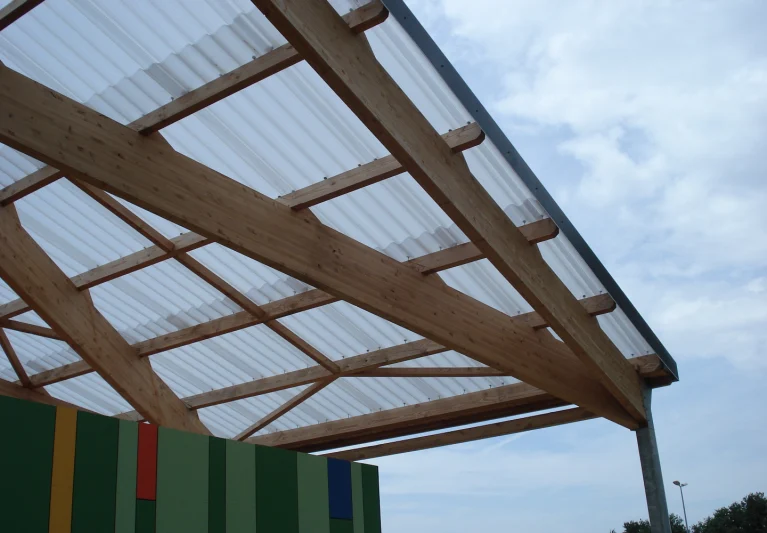
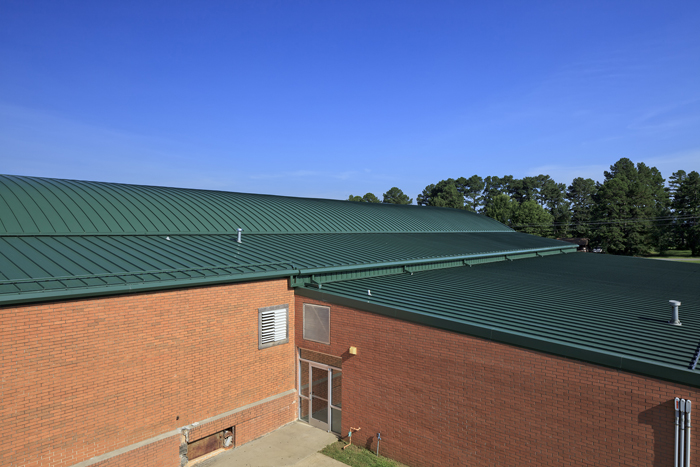
School roofing has to last with minimal maintenance, shed heavy rain, stay safe over occupied spaces and let in daylight so classrooms need less artificial lighting. Metal sheeting covers the main roof areas, while polycarbonate is commonly used for skylights, daylighting strips, covered walkways, canopies and entrance shelters because it is strong, impact resistant and light.
Polycarbonate roofing can be a practical solution for selected school applications such as skylights, covered walkways, entrances, canopies and daylighting sections. Its strength, light transmission and relatively low weight make it useful where schools need weather protection while retaining natural daylight.
Schools require roofing systems that balance durability, safety, weather protection, natural lighting and long-term maintenance. A school roof is also exposed to demanding conditions because classrooms, corridors, assembly areas and walkways may be used every day by large numbers of students and staff.
Polycarbonate is particularly useful where natural daylight is part of the design objective. Instead of relying entirely on artificial lighting during the day, strategically positioned translucent or transparent sections can allow daylight into selected spaces.
However, polycarbonate should not automatically replace conventional roofing across an entire school. The correct approach is to select the material according to the building's function, climate, structural design, solar exposure and performance requirements.
What Is Polycarbonate Roofing?
Polycarbonate roofing uses lightweight thermoplastic sheets designed for roofing, glazing and daylighting applications. Depending on the product, sheets can be solid, hollow/multiwall or corrugated, with each type suited to different applications.
Polycarbonate is popular because it combines relatively low weight with high impact resistance and light transmission.
Common types include:
- Solid polycarbonate
- Hollow or multiwall polycarbonate
- Corrugated polycarbonate
- Clear polycarbonate
- Translucent polycarbonate
- Tinted polycarbonate
BHD's polycarbonate sheets range includes solid and hollow options for different construction applications.
The correct type should be selected according to the intended use rather than simply choosing the thickest or clearest sheet.
Is Polycarbonate Roofing Suitable for Schools?
Yes, polycarbonate roofing can be suitable for selected school applications, particularly skylights, covered walkways, canopies and daylighting areas. The specific sheet should be selected according to structural, weather, solar, safety and application requirements.
Schools can use polycarbonate in areas where natural light is valuable.
Potential applications include:
- Classroom skylights
- Covered walkways
- School entrances
- Outdoor learning areas
- Canopies
- Courtyards
- Assembly spaces
- Sports areas
- Dining areas
- Selected roof sections
For large buildings, the structural system should be designed to support the chosen roofing material and account for wind, rain and other relevant loads.
Why Use Polycarbonate Roofing in Schools?
Polycarbonate can provide natural daylight, impact resistance and weather protection while remaining relatively lightweight. These characteristics make it useful for selected educational facilities where daylighting and covered outdoor spaces are important.
1. Natural daylight
Transparent or translucent sheets allow daylight into covered spaces.
2. Impact resistance
Solid polycarbonate products are particularly known for high impact resistance. BHD describes its solid sheets as up to 200 times stronger than glass.
3. Lightweight construction
Polycarbonate can be lighter than glass, which can simplify handling and reduce some structural demands.
4. Modern appearance
Polycarbonate can give school buildings a clean, contemporary appearance.
5. Versatile applications
It can be used for more than conventional roofing, including walkways, canopies and skylights.
Where Can Polycarbonate Be Used in Schools?
Polycarbonate is most useful when strategically incorporated into areas where daylight or weather protection is required. Common school applications include skylights, covered walkways, entrances, canopies and selected roof sections.
Classroom Skylights
Skylights can introduce natural light from above.
This can be useful in:
- Classrooms
- Libraries
- Workshops
- Laboratories
- Corridors
However, daylighting must be designed carefully to avoid excessive glare or unwanted solar heat gain.
Covered Walkways
Polycarbonate can provide shelter between:
- Classroom blocks
- Administration buildings
- Dining halls
- Laboratories
- Libraries
- Sports facilities
Students can move between buildings while remaining protected from rain and strong sunlight.
School Entrances
A polycarbonate canopy can provide shelter at the main entrance while maintaining a bright appearance.
Courtyards
Covered courtyards can provide useful outdoor gathering areas without completely blocking daylight.
How Does Polycarbonate Roofing Provide Natural Daylight?
Polycarbonate sheets transmit daylight through the roof, allowing covered spaces to receive natural illumination. The amount of light entering depends on the sheet type, colour, transparency, thickness, roof design and surrounding conditions.
Clear sheets provide more direct light, while translucent or tinted options can diffuse or reduce incoming light.
For schools, the goal should not necessarily be maximum transparency.
Instead, designers should consider:
- Classroom orientation
- Glare
- Solar exposure
- Indoor temperature
- Daylight distribution
- Shading
A carefully designed daylighting system can provide useful illumination without creating excessive heat or glare.
What Are the Best Polycarbonate Sheets for Schools?
The best polycarbonate sheet depends on the school application. Hollow/multiwall sheets can be useful for selected roofing and daylighting applications, while solid sheets can be appropriate where clarity and impact resistance are particularly important.
Hollow Polycarbonate
Hollow sheets contain internal chambers and can provide useful thermal characteristics for roofing applications.
They can be considered for:
- Walkways
- Skylights
- Canopies
- Selected roofing areas
Solid Polycarbonate
Solid sheets are dense, flat panels that offer high clarity and impact resistance.
BHD lists solid polycarbonate for applications including skylights, glazing and safety partitions.
Corrugated Polycarbonate
Corrugated sheets have a profiled surface and can be useful for:
- Awnings
- Canopies
- Patios
- Selected industrial roofing
The appropriate profile and thickness should be determined from the project requirements.
Solid vs Hollow Polycarbonate Sheets for Schools
Solid and hollow polycarbonate sheets serve different purposes. Solid sheets emphasise clarity and impact strength, while hollow sheets are lightweight and incorporate internal air chambers that can contribute to thermal performance.
| Feature | Solid Polycarbonate | Hollow/Multiwall Polycarbonate |
|---|---|---|
| Construction | Solid panel | Cellular chambers |
| Clarity | Generally high | Product-dependent |
| Impact resistance | Very high | High, product-dependent |
| Weight | Generally higher | Generally lower |
| Thermal behaviour | Product-dependent | Air chambers can improve insulation |
| Typical use | Skylights, glazing | Roofing, daylighting, canopies |
| Selection | Application-specific | Application-specific |
There is no universal winner.
The school architect or contractor should select according to the project's requirements.
Can Polycarbonate Roofing Reduce School Electricity Use?
Polycarbonate daylighting can potentially reduce the need for artificial lighting during suitable daylight hours, but the actual energy saving depends on the building design, occupancy, daylight availability, lighting controls and how much artificial lighting is displaced.
For example, a corridor that previously required artificial lighting throughout the day may benefit from well-designed daylighting.
However, energy savings should not be guaranteed simply because a roof is transparent.
The design should consider:
- Daylight levels
- Light distribution
- Glare
- Solar heat
- Artificial-light controls
- Occupancy patterns
This is particularly important in classrooms where excessive glare can interfere with teaching and learning.
Does Polycarbonate Roofing Make Classrooms Hot?
Polycarbonate roofing can contribute to solar heat gain depending on the product, colour, transparency, roof design and amount of exposed area. Schools should therefore balance daylighting with solar control, ventilation, shading and thermal design.
This is one of the most important considerations when using transparent roofing.
A poorly designed transparent roof can allow excessive solar radiation into a classroom.
Possible strategies include:
- Using translucent rather than fully clear products
- Selecting suitable tinted sheets
- Limiting the daylighting area
- Providing shading
- Improving roof ventilation
- Combining daylighting with insulation
- Positioning roof lights strategically
The objective is useful daylight without unnecessary heat gain.
Is Polycarbonate Roofing Safe for School Buildings?
Polycarbonate can provide high impact resistance, but overall school-roof safety depends on the complete roofing system, including structural support, fixings, installation, fire considerations, access control and maintenance.
For example, BHD's solid polycarbonate product is described as non-shattering and intended for applications where impact safety is important.
However, a roofing material should never be evaluated in isolation.
The complete installation should be assessed for:
- Structural stability
- Wind loading
- Fixings
- Edge protection
- Fire performance
- Maintenance access
- Water drainage
- Appropriate installation
For institutional buildings, applicable Kenyan building requirements and project specifications should be followed.
How Should School Polycarbonate Roofing Be Installed?
Polycarbonate roofing should be installed according to the manufacturer's instructions and the project's structural design. Accurate support spacing, appropriate fixings, correct sheet orientation and proper detailing around joints and edges are important for long-term performance.
A typical installation process involves:
- Inspecting the supporting structure
- Confirming measurements
- Planning sheet orientation
- Establishing support spacing
- Cutting sheets where required
- Installing appropriate profiles or channels
- Using compatible fasteners
- Allowing for required movement
- Sealing appropriate areas
- Installing flashings and edge details
- Checking drainage
- Inspecting the finished roof
The exact installation method varies between solid, hollow and corrugated products.
Why Is Roof Structure Important for Schools?
The supporting structure must be designed for the selected polycarbonate system and the environmental loads expected at the site. A lightweight roofing material still requires adequate support, correct fixing and appropriate drainage.
School roofs may cover large areas, so designers should consider:
- Wind
- Rain
- Roof pitch
- Sheet span
- Support spacing
- Fixings
- Drainage
- Maintenance access
A roofing supplier can provide product information, but the structural design should be handled by the appropriate construction professional.
How Does Polycarbonate Perform During Heavy Rain?
Properly installed polycarbonate roofing can provide effective weather protection, but performance depends on roof pitch, sheet profile, overlaps, flashings, drainage and installation quality.
In areas receiving substantial rainfall, pay attention to:
- Roof slope
- Gutter capacity
- Downpipes
- Overlaps
- Flashings
- End closures
- Sealing
- Water runoff
A strong sheet does not compensate for poor roof detailing.
What About Strong Winds?
Wind resistance depends on the complete roofing system rather than the sheet alone. Correct support spacing, fastener selection, edge detailing and structural design are important for buildings exposed to strong winds.
This is especially relevant for:
- Large school halls
- Covered walkways
- Open-sided structures
- Canopies
- Coastal schools
Engineers should determine appropriate structural requirements for the project.
How Should Polycarbonate Roofing Be Maintained?
Regular inspection and gentle cleaning can help maintain polycarbonate roofing and preserve its appearance. Maintenance should follow the product manufacturer's recommendations, particularly regarding cleaning chemicals and abrasive materials.
BHD specifically advises avoiding abrasive pads and ammonia-based cleaners for its solid polycarbonate products.
Maintenance should include:
- Removing accumulated dirt
- Checking fixings
- Inspecting joints
- Checking seals
- Clearing gutters
- Inspecting for cracks
- Checking supporting structures
- Removing debris
Schools should establish a maintenance schedule rather than waiting for leaks or damage to appear.
How Much Does Polycarbonate Roofing for Schools Cost in Kenya?
School polycarbonate roofing costs vary according to sheet type, thickness, dimensions, quantity, supporting structure, accessories, installation and transport. Large institutional projects should be priced using the complete roofing specification rather than sheet cost alone.
BHD notes that polycarbonate pricing depends on factors including type, thickness, size and installation requirements.
A school quotation should account for:
- Polycarbonate sheets
- Structural supports
- Fasteners
- Channels
- Flashings
- Sealants
- Gutters
- Labour
- Transport
- Access equipment
For a large school project, accurate quantities and drawings can help suppliers prepare a more useful quotation.
How Can Schools Control Roofing Costs?
Schools can control costs by using polycarbonate strategically rather than automatically covering every roof area with transparent material. Daylighting can be concentrated in locations where it provides the greatest practical benefit.
For example, a school could use polycarbonate for:
- Classroom skylight sections
- Walkways
- Entrances
- Courtyards
while using conventional roofing for other areas.
This can provide daylight and weather protection without unnecessarily increasing the amount of transparent roofing.
Other cost-control measures include:
- Accurate measurement
- Efficient sheet layouts
- Correct specification
- Avoiding unnecessary wastage
- Planning accessories
- Buying appropriate quantities
What Other Roofing Materials Can Schools Use?
Polycarbonate is only one option for school roofing. Conventional metal roofing, insulated roofing systems and other materials may be more appropriate for primary roof areas depending on the building's design, budget and environmental requirements.
A school project might combine:
Metal roofing:
For large main roof areas.
Polycarbonate:
For skylights and daylighting.
Insulation:
For classrooms where thermal comfort is important.
Ventilation:
For managing heat within roof spaces.
This combined approach can be more practical than selecting one material for every part of the building.
How Should Roofing Be Selected for Different School Areas?
Different school spaces have different roofing requirements, so material selection should follow the function of each area. Classrooms, walkways, halls and entrances should not necessarily use identical roofing systems.
| School Area | Potential Roofing Approach |
|---|---|
| Classrooms | Conventional roof + daylighting + insulation |
| Walkways | Polycarbonate canopy |
| Entrance | Polycarbonate canopy |
| Library | Controlled daylighting |
| Dining hall | Roofing selected for heat and ventilation |
| Sports area | Structural roofing + daylighting where appropriate |
| Administration | Conventional roof + selected skylights |
| Courtyard | Polycarbonate cover |
The final specification should be determined by the project's design and technical requirements.
What Are Common School Roofing Mistakes?
Common mistakes include using too much transparent roofing, ignoring heat gain, inadequate structural support, poor drainage and choosing sheets based solely on price. Good school roofing requires coordination between material selection, structure and building design.
Avoid:
- Using transparent roofing everywhere
- Ignoring classroom heat gain
- Failing to plan daylight distribution
- Using inadequate support spacing
- Selecting incompatible fasteners
- Ignoring roof drainage
- Poorly sealing joints
- Failing to consider wind exposure
- Neglecting maintenance access
- Choosing solely on the lowest price
Frequently Asked Questions About School Roofing
Polycarbonate roofing can be particularly useful for school daylighting, walkways, canopies and selected roof areas. The right product should be matched to the building's structural, environmental and operational requirements.
Is polycarbonate roofing good for schools?
Yes. It can be useful for skylights, walkways, canopies, entrances and selected daylighting applications.
What is the best roofing material for schools?
There is no single best material. The appropriate solution depends on the building, climate, budget, thermal requirements, structural design and intended use.
Can polycarbonate be used as a school skylight?
Yes. Solid and multiwall polycarbonate products can be used for skylight applications when appropriately specified and installed. BHD lists solid polycarbonate for skylights and glazing.
Does polycarbonate roofing reduce electricity costs?
Daylighting can potentially reduce artificial lighting demand during daylight hours, but actual savings depend on building design, daylight availability, lighting controls and occupancy.
Is polycarbonate roofing safe?
Polycarbonate can offer high impact resistance, but overall roof safety depends on the complete system, structural design, installation and applicable requirements.
Does polycarbonate roofing make classrooms hot?
It can contribute to solar heat gain depending on the product and design. Schools should balance daylighting with shading, ventilation, insulation and appropriate solar-control measures.
What is the difference between solid and hollow polycarbonate?
Solid polycarbonate is a dense, flat sheet with high clarity and impact resistance, while hollow polycarbonate has internal chambers and is commonly used for lightweight roofing and daylighting applications.
How much does polycarbonate roofing cost in Kenya?
The cost depends on sheet type, thickness, size, quantity, supporting structure, accessories, labour and transport. A project quotation is more accurate than a generic per-sheet figure.
How long can polycarbonate roofing last?
Service life depends on the product, UV protection, installation, environmental exposure and maintenance. The manufacturer's stated service-life information should be used for project planning.
Where can schools buy polycarbonate roofing sheets in Kenya?
BHD's polycarbonate sheet catalogue includes solid and hollow options, with the company stating that it supplies projects across Kenya.
Conclusion
Polycarbonate roofing can be a valuable component of school roofing systems when used strategically for daylighting, covered walkways, entrances, canopies and selected roof areas. The best results come from combining the right sheet with suitable structural support, ventilation, shading, drainage and maintenance.
Before selecting school roofing in Kenya, consider:
- School building type
- Roof application
- Daylighting requirements
- Solar heat gain
- Insulation
- Ventilation
- Wind exposure
- Rainfall
- Structural support
- Drainage
- Safety
- Maintenance
- Total project cost
For school construction and renovation projects, browse BHD's polycarbonate roofing range or review the available solid polycarbonate sheets. BHD currently lists solid polycarbonate in several thicknesses and describes applications including skylights, glazing and safety partitions.
Contact Burhani Hardware Dealers (BHD)
Email: burhanihardwaredealers@yahoo.com
Call/WhatsApp: +254 731 217 462 | +254 704 606 131
Visit: BHD, Industrial Area, Funzi Road, Nairobi
Website: BHD Kenya
Delivery: Same-day delivery within Nairobi and next-day delivery to major locations across Kenya, according to BHD's current product information.
Frequently asked questions

Written & reviewed by
BHD Kenya
Burhani Hardware Dealers (BHD Kenya) is a Nairobi-based supplier of polycarbonate roofing, Alucobond/ACP cladding, Perspex, WPC wall panels and steel products, serving contractors, fabricators and homeowners across Kenya.