

Waterproof Wall Panels Kenya: Best Bathroom and Kitchen Options
Quick answer
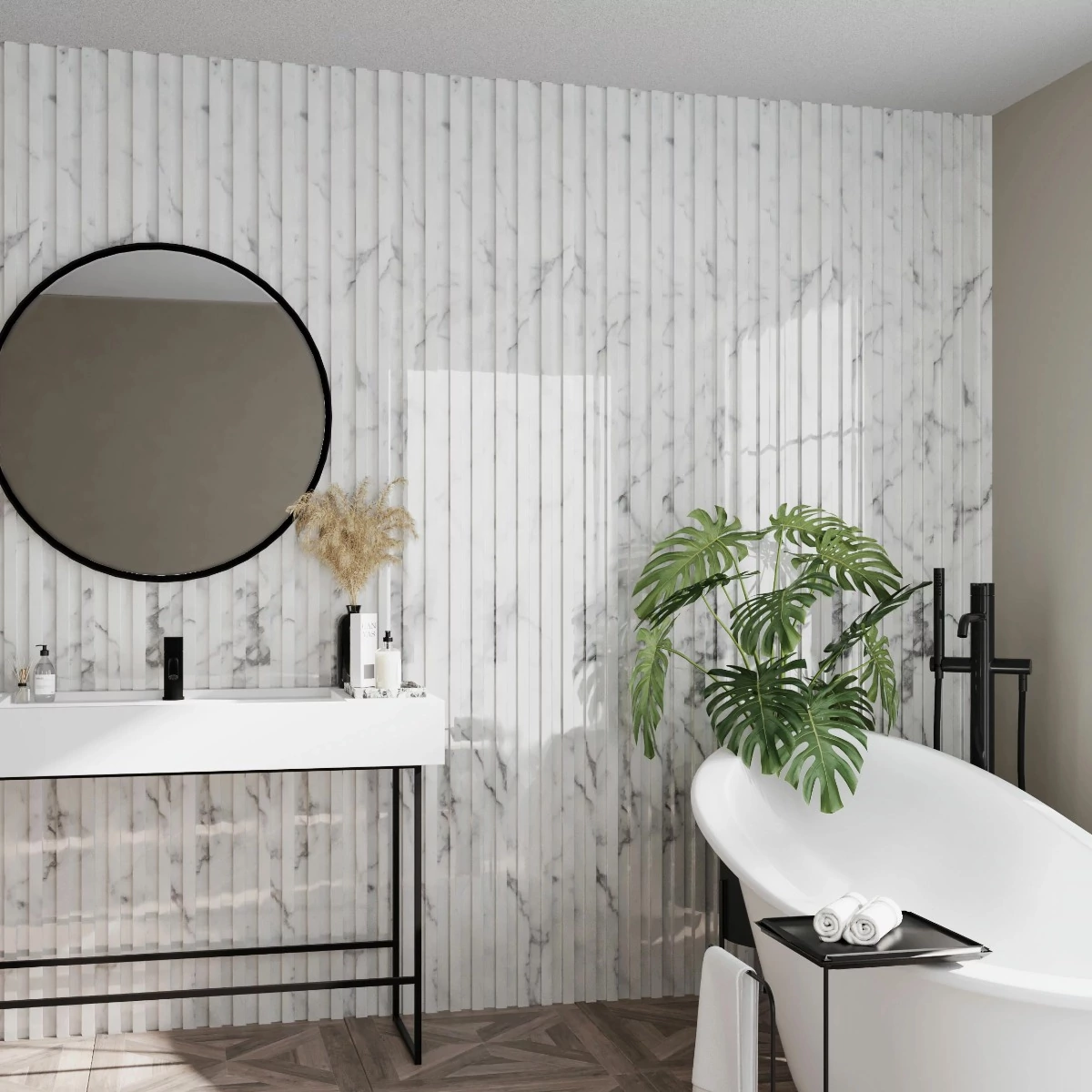
Waterproof wall panels are non-absorbent sheets fixed over bathroom and kitchen walls in place of tile or paint. Common options in Kenya include WPC, PVC and marble-effect boards. The panel material matters less than the detailing: joints, edges, corners and the line around baths, showers and worktops must all be properly sealed.
Waterproof wall panels can provide a practical alternative to conventional wall finishes in moisture-prone areas such as bathrooms and kitchens. However, the right panel must be specifically suitable for the intended level of water exposure, and installation details such as joints, edges and seals are just as important as the panel itself.
Bathrooms and kitchens are among the most demanding areas of a building when it comes to wall finishes. Walls can be exposed to splashes, steam, cleaning products, humidity and frequent washing.
Traditional tiles remain a popular choice, but modern wall panels provide another way to achieve a clean and decorative finish.
Depending on the product, panels can offer:
- Modern decorative designs
- Marble-inspired finishes
- Wood-inspired textures
- Easy-to-clean surfaces
- Large-format coverage
- Fewer visible joints
- Faster installation in suitable applications
For homeowners, contractors, hotels, restaurants and commercial property owners, the key is to choose a panel according to where it will be installed and how much moisture it will encounter.
What Are Waterproof Wall Panels?
Waterproof wall panels are wall-finishing products designed to resist water penetration under specified conditions. They are commonly considered for moisture-prone areas such as bathrooms, kitchens, utility rooms and selected commercial spaces.
The term "waterproof" should not automatically be applied to every decorative wall panel.
Products differ considerably in:
- Construction
- Surface coating
- Core material
- Joint system
- Edge treatment
- Adhesive requirements
- Water resistance
- Intended application
Before purchasing, check the manufacturer's technical information and intended use.
A panel that is suitable for a kitchen backsplash may not necessarily be suitable for the inside of a shower.
Are Waterproof Wall Panels Suitable for Bathrooms?
Waterproof wall panels can be suitable for bathrooms when the specific product is designed and rated for the intended wet environment. Correct installation, sealing and joint treatment are essential for preventing water from reaching the substrate.
Bathrooms have different levels of moisture exposure.
For example, the wall behind a bathroom mirror may experience much less water than a shower wall.
Potential applications include:
- Shower surrounds
- Walls behind sinks
- Vanity areas
- Toilet areas
- Bathroom feature walls
- Hotel washrooms
For direct shower applications, verify that the entire system—not just the panel surface—is suitable for continuous water exposure.
This includes:
- Panels
- Adhesive
- Joints
- Corners
- Trims
- Seals
- Plumbing penetrations
What Are the Best Bathroom Wall Panels?
The best bathroom wall panel is one that is specifically approved for the moisture conditions where it will be installed. Decorative panels, marble-effect boards and other systems can be considered for selected bathroom applications, provided their specifications support the intended use.
When comparing bathroom panels, examine:
Water resistance
Confirm whether the panel is suitable for occasional splashes, high humidity or continuous water exposure.
Surface finish
Smooth surfaces can be easier to clean, while textured surfaces may provide greater visual depth.
Joint system
Water can enter through poorly treated joints even when the panel itself has good water resistance.
Cleaning
Bathrooms require regular cleaning, so the finish should tolerate the recommended cleaning products.
Installation
The substrate must be stable, clean and appropriate for the selected fixing system.
What Is the Difference Between Waterproof and Water-Resistant Panels?
Waterproof and water-resistant are not necessarily interchangeable terms. Waterproof products are designed to resist water penetration under defined conditions, while water-resistant products may tolerate moisture but have limitations on direct or prolonged water exposure.
This distinction matters when selecting panels for bathrooms.
For example:
Water-resistant:
May be appropriate for a wall that experiences humidity or occasional splashing.
Waterproof-rated:
May be appropriate for more demanding wet applications, subject to the manufacturer's specifications and installation requirements.
Always ask the supplier:
Is this particular panel approved for my intended application?
That is more useful than relying solely on a general product description.
Are Waterproof Wall Panels Good for Kitchens?
Waterproof or moisture-resistant wall panels can be useful in kitchens, particularly for backsplashes and walls exposed to water from sinks. However, areas exposed to direct heat or cooking equipment require additional consideration.
Kitchen walls can experience:
- Water splashes
- Steam
- Grease
- Food stains
- Cleaning chemicals
- Heat
A panel may be suitable behind a sink but unsuitable immediately behind a cooker if its heat rating does not support that application.
Before installation, consider both:
Moisture + Heat
This is especially important for commercial kitchens where exposure can be significantly higher than in residential kitchens.
What Are the Best Kitchen Wall Panels?
The best kitchen wall panel depends on where it will be installed and what exposure it will receive. A moisture-resistant decorative panel may work well as a backsplash, while areas near high heat may require a specifically approved heat-resistant finish.
Popular applications include:
- Sink backsplashes
- Countertop walls
- Dining areas
- Utility rooms
- Decorative kitchen walls
Designers can use decorative panels to coordinate the wall with:
- Kitchen cabinets
- Countertops
- Flooring
- Lighting
- Appliances
Are WPC Wall Panels Waterproof?
WPC wall panels have moisture-related advantages in some applications, but not every WPC panel should be assumed to be waterproof. Suitability depends on the specific product, construction, joints and manufacturer's recommendations.
WPC panels are often selected for their decorative appearance.
They can provide:
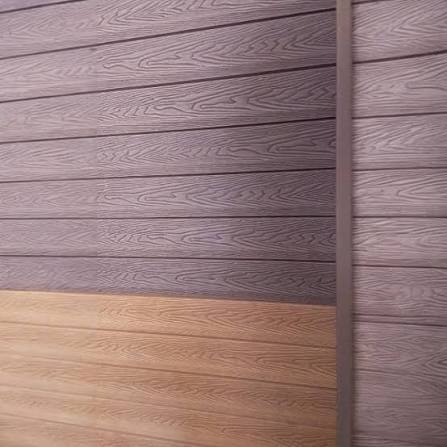
- Wood-inspired textures
- Linear designs
- Contemporary finishes
- Warm visual character
For suitable products, explore WPC wall panels.
Before installing WPC in a bathroom or wet area, confirm:
- Moisture rating
- Intended application
- Installation method
- Joint treatment
- Cleaning requirements
Never assume that the word "WPC" alone guarantees waterproof performance.
Are Marble Boards Waterproof?
Marble boards can provide attractive stone-inspired finishes for selected interior walls, but their suitability for wet areas depends on the particular product and installation system. Always verify the manufacturer's specifications before using them in bathrooms or other continuously wet locations.
Marble-effect panels are popular for:
- Bathroom feature walls
- Vanity walls
- TV walls
- Hotel interiors
- Reception areas
- Bedrooms
Explore marble boards for decorative interior applications.
For a shower installation, pay particular attention to:
- Panel joints
- Corners
- Edges
- Plumbing openings
- Sealants
- Substrate condition
The water-tightness of the complete installation matters as much as the surface panel.
Can Waterproof Wall Panels Be Used in Showers?
Some waterproof-rated wall-panel systems are designed for shower applications, but the product must be specifically approved for continuous wet exposure. Installation must also provide properly sealed joints, corners and penetrations.
Before using a panel in a shower, confirm:
- The panel is approved for shower use.
- The substrate is suitable.
- The adhesive is compatible.
- Joints can be properly sealed.
- Corners have an appropriate sealing system.
- Plumbing penetrations can be sealed.
- Manufacturer installation instructions are followed.
This is one area where product-specific technical information is essential.
How Do Waterproof Wall Panels Compare With Tiles?
Waterproof wall panels and tiles can both provide attractive wall finishes, but they differ in installation, joints, maintenance and design. Tiles offer a long-established solution, while large-format panels can create a more continuous appearance with fewer visible joints.
| Feature | Wall Panels | Tiles |
|---|---|---|
| Joint quantity | Often fewer | Usually more |
| Installation | Product-dependent | Requires tile installation |
| Appearance | Large continuous patterns | Modular |
| Design | Marble, wood and textures | Wide range |
| Grout maintenance | May be reduced | Grout requires maintenance |
| Wet-area suitability | Product-dependent | Widely established |
| Repair | Product-dependent | Individual tiles can be replaced |
The better choice depends on the project.
Can Wall Panels Be Installed Over Existing Tiles?
Some wall panels can be installed over existing tiles if the tiles are firmly bonded, clean, dry, sufficiently flat and compatible with the panel's installation system. The existing surface should be inspected before installation.
Installing over tiles may reduce demolition work.
However, problems can occur if the existing tiles are:
- Loose
- Cracked
- Uneven
- Damp
- Contaminated with grease
The additional wall thickness should also be considered around:
- Doors
- Windows
- Fixtures
- Plumbing
- Electrical fittings
How Do You Install Waterproof Wall Panels?
Waterproof wall-panel installation starts with proper substrate preparation, followed by accurate measurement, panel cutting, fixing and careful treatment of joints, corners and edges. Exact installation procedures vary according to the panel system.
A typical process includes:
Step 1: Inspect the wall
Check for:
- Dampness
- Cracks
- Loose plaster
- Uneven areas
- Contamination
Step 2: Prepare the substrate
Clean and stabilise the surface according to the manufacturer's requirements.
Step 3: Measure
Accurate measurements help minimise:
- Waste
- Unnecessary joints
- Poor alignment
Step 4: Plan the layout
Mark:
- Panel positions
- Corners
- Fixtures
- Plumbing
- Electrical points
Step 5: Cut panels
Use the recommended tools and cutting method.
Step 6: Apply the fixing system
Use the adhesive, mechanical fixing or combination specified for the product.
Step 7: Install and align
Position panels carefully and maintain consistent alignment.
Step 8: Seal joints
This is particularly important in moisture-prone areas.
Step 9: Finish edges
Use suitable trims or sealing methods where required.
Step 10: Inspect
Check the completed installation for:
- Gaps
- Misalignment
- Poor seals
- Damaged surfaces
Why Is Sealing Important for Waterproof Wall Panels?
A waterproof panel cannot protect the wall effectively if water enters through unsealed joints, corners or plumbing penetrations. Proper sealing is therefore a critical part of a moisture-resistant wall-panel installation.
Common vulnerable areas include:
- Internal corners
- External corners
- Panel joints
- Floor-to-wall junctions
- Around taps
- Around shower fittings
- Around pipes
Use the sealing products recommended for the particular system.
Can Waterproof Wall Panels Prevent Mould?
Properly installed moisture-resistant wall panels can reduce exposure of the underlying wall to water, but they do not automatically prevent mould. Moisture behind the panel, poor ventilation or leaking plumbing can still create conditions for mould growth.
Bathrooms should have appropriate ventilation.
Check for:
- Persistent condensation
- Plumbing leaks
- Poor airflow
- Damp substrates
- Failed seals
A waterproof wall finish should be part of a broader moisture-management strategy.
How Do You Maintain Waterproof Wall Panels?
Regular cleaning and inspection can help preserve waterproof wall panels and their appearance. Cleaning products and methods should be compatible with the particular panel surface and manufacturer recommendations.
Basic maintenance can include:
- Wiping surfaces regularly
- Removing soap deposits
- Cleaning spills promptly
- Inspecting joints
- Checking seals
- Inspecting corners
- Repairing damaged areas
Avoid aggressive chemicals or abrasive cleaning materials unless approved for the product.
How Much Do Waterproof Wall Panels Cost in Kenya?
Waterproof wall-panel prices in Kenya vary according to material, size, thickness, design, product specification, quantity, installation requirements and transport. The total project cost should include accessories, labour and potential wastage.
When requesting a quotation, provide:
- Wall dimensions
- Room type
- Panel preference
- Number of walls
- Moisture exposure
- Installation location
- Delivery location
For commercial projects, also provide drawings or wall schedules where available.
This allows suppliers to calculate quantities more accurately.
How Can You Reduce Waterproof Wall-Panel Installation Costs?
Careful measurement, good layout planning and selecting the appropriate panel for each area can help control installation costs. Using a premium waterproof panel where it is unnecessary can increase costs without providing additional practical value.
Consider:
- Using waterproof-rated products only where needed
- Planning panel cuts
- Reducing unnecessary joints
- Measuring accurately
- Ordering appropriate quantities
- Preparing the substrate before installation
For example, a decorative moisture-resistant panel may be sufficient for a wall outside the direct shower zone, while the shower itself may require a more specialised waterproof system.
What Are Common Waterproof Wall-Panel Mistakes?
The biggest mistakes include assuming every decorative panel is waterproof, ignoring joints, installing over damp substrates and selecting materials without considering heat or cleaning requirements.
Avoid these mistakes:
- Assuming all WPC panels are waterproof
- Assuming all marble boards are suitable for showers
- Ignoring manufacturer specifications
- Failing to seal joints
- Installing over damp walls
- Using unsuitable adhesives
- Ignoring plumbing penetrations
- Using inappropriate cleaning chemicals
- Installing unsuitable panels near high heat
- Choosing based only on appearance or price
What Should You Check Before Buying Waterproof Wall Panels?
Before purchasing, confirm the panel's intended application, water-resistance rating, dimensions, thickness, installation method, cleaning requirements and compatibility with the existing wall.
Ask your supplier:
- Is the product suitable for bathrooms?
- Is it suitable for direct shower exposure?
- Is it suitable for kitchens?
- What adhesive should be used?
- How should joints be sealed?
- What substrate is required?
- How should the surface be cleaned?
- Is the product suitable near heat sources?
- What trims or accessories are required?
These questions can prevent expensive installation problems later.
How Do You Choose Waterproof Wall Panels for Kenyan Homes?
Kenyan homeowners should consider the local environment, room usage, humidity, ventilation, cleaning requirements and availability of replacement materials when selecting wall panels. Coastal buildings may require additional attention to humidity and ventilation.
Nairobi homes
Consider:
- Bathroom ventilation
- Cleaning requirements
- Apartment installation constraints
- Available wall space
Coastal homes
Consider:
- Higher humidity
- Ventilation
- Moisture management
- Material suitability
Hotels and apartments
Consider:
- High guest traffic
- Frequent cleaning
- Replacement requirements
- Consistency of design
Are Waterproof Wall Panels Suitable for Commercial Buildings?
Waterproof wall panels can be useful in selected commercial environments such as hotels, restaurants, offices, hospitals and other facilities, provided the product meets the requirements of the specific space.
Commercial applications can have higher demands because of:
- Frequent cleaning
- High traffic
- Repeated contact
- Moisture
- Maintenance schedules
Before specifying a product for a commercial project, confirm its technical and maintenance requirements.
Frequently Asked Questions About Waterproof Wall Panels
Waterproof wall panels can provide attractive and practical wall finishes, but their suitability depends on the product and installation environment. Always distinguish between waterproof and water-resistant products.
What are waterproof wall panels?
They are wall-finishing products designed to resist water penetration under specified conditions. Their suitability depends on the product specification and installation system.
Are waterproof wall panels good for bathrooms?
Yes, when the specific product is designed for the intended bathroom application and is correctly installed and sealed.
Can waterproof panels be used inside showers?
Some can, but only products specifically approved for direct or continuous wet exposure should be considered.
Are WPC wall panels waterproof?
Not all WPC panels are waterproof. Check the specific product's technical specifications and intended applications.
Are marble boards waterproof?
Some products may have moisture-resistant characteristics, but suitability for bathrooms or showers must be confirmed for the specific product.
Are waterproof wall panels better than tiles?
Neither is universally better. Panels can offer large-format designs and fewer visible joints, while tiles provide a well-established solution for many wet areas.
Can wall panels be installed over tiles?
Some can, provided the existing tiles are stable, clean, dry, flat enough and compatible with the installation system.
How do I clean waterproof wall panels?
Use the cleaning method recommended by the manufacturer. Avoid abrasive products that may damage the surface.
How much do waterproof wall panels cost in Kenya?
Prices vary according to material, size, design, specification, quantity, installation and transport. Request a quotation based on your wall measurements.
Where can I buy wall panels in Kenya?
You can explore BHD's WPC wall panels and marble boards for suitable interior applications.
Conclusion
Waterproof wall panels can provide an attractive alternative to conventional wall finishes in selected bathrooms, kitchens and other moisture-prone areas. The most important consideration is choosing a product that is actually suitable for the environment and installing it with properly sealed joints, corners and penetrations.
Before buying, consider:
- Water exposure
- Product specification
- Bathroom or kitchen application
- Heat exposure
- Substrate condition
- Joint sealing
- Installation method
- Cleaning
- Maintenance
- Cost
- Availability
For decorative interior finishing materials, browse BHD's product catalogue.
For suitable decorative applications, explore WPC wall panels and marble boards.
Contact Burhani Hardware Dealers (BHD)
Email: burhanihardwaredealers [at] yahoo.com
Call/WhatsApp: +254 731 217 462 | +254 704 606 131
Visit: BHD, Industrial Area, Funzi Road, Nairobi
Website: BHD Kenya
Delivery: Same-day delivery within Nairobi and next-day delivery countrywide to major towns including Nakuru, Kisumu, Mombasa, Eldoret, Thika, Meru, Kitengela and Malindi.
Frequently asked questions

Written & reviewed by
BHD Kenya
Burhani Hardware Dealers (BHD Kenya) is a Nairobi-based supplier of polycarbonate roofing, Alucobond/ACP cladding, Perspex, WPC wall panels and steel products, serving contractors, fabricators and homeowners across Kenya.