

WPC Wall Panels: Essential Building Materials in Kenya | BHD Kenya Guide
Quick answer
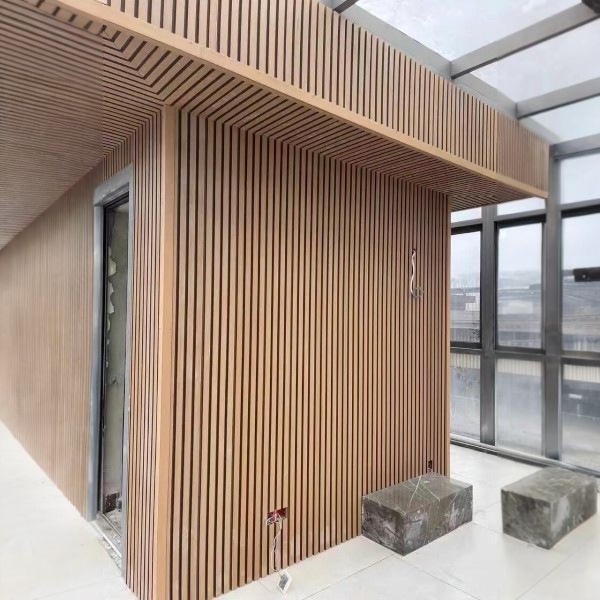
WPC wall panels are interior cladding boards made from wood fibre mixed with plastic polymer and extruded into fluted or flat profiles. They resist termites, moisture, warping and fading far better than timber, need no painting, and fix quickly to walls with adhesive or clips, which is why Kenyan builders increasingly specify them.
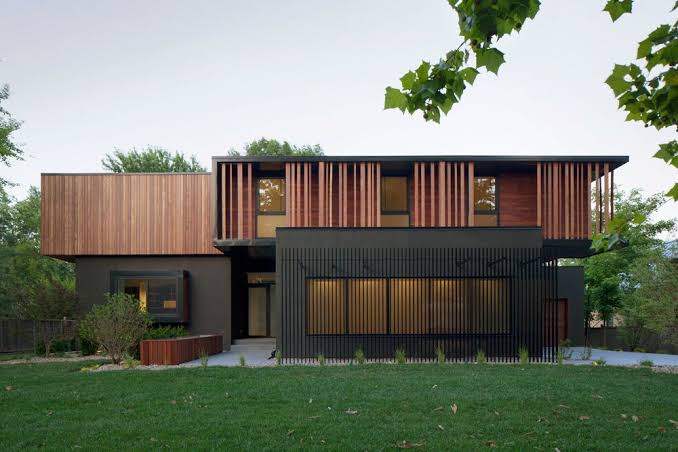
WPC wall panels are modern interior building materials in Kenya made from a combination of wood fibres and plastic polymers to create durable decorative surfaces. They are becoming popular because they offer termite resistance, moisture protection, low maintenance, and a premium wood-like appearance.
Kenya’s construction industry is increasingly adopting alternative finishing materials that provide better performance than traditional timber while reducing maintenance requirements. From residential apartments in Nairobi to hotels, offices, and commercial spaces across Kenya, Wood-Plastic Composite (WPC) wall panels are being used to create modern interiors with long-term durability.
Explore WPC wall panel solutions:
wpc-wall-panels
What Are WPC Wall Panels?
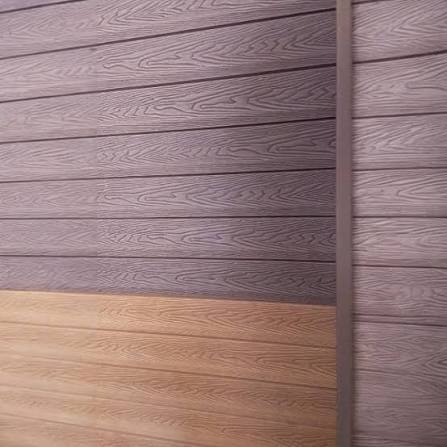
WPC wall panels are composite decorative panels manufactured using wood fibres combined with thermoplastics to create strong, lightweight interior cladding systems. They provide the natural appearance of wood while offering improved resistance against moisture, termites, and environmental damage.
The combination of wood and plastic creates a material that balances appearance and performance.
Typical WPC properties include:
- Wood-textured decorative finish
- Water resistance
- Termite resistance
- Low maintenance requirements
- Lightweight installation
Unlike natural timber, WPC does not absorb moisture easily, making it suitable for environments where humidity and maintenance are concerns.
Why WPC Wall Panels Are Becoming Popular Building Materials in Kenya
WPC wall panels are becoming essential building materials in Kenya because they provide a durable, attractive, and cost-effective alternative to traditional timber wall finishes. Their resistance to termites, moisture, and fading makes them suitable for modern residential and commercial interiors.
Key reasons for their growing adoption:
1. Termite Resistance
Traditional timber can be vulnerable to termite attacks, especially in warm regions. WPC panels eliminate this concern because the plastic component reduces insect damage.
2. Water Resistance
WPC panels perform better than untreated wood in humid areas because they do not easily absorb water.
3. Low Maintenance
They require less polishing, sealing, and repainting compared to natural wood.
4. Modern Appearance
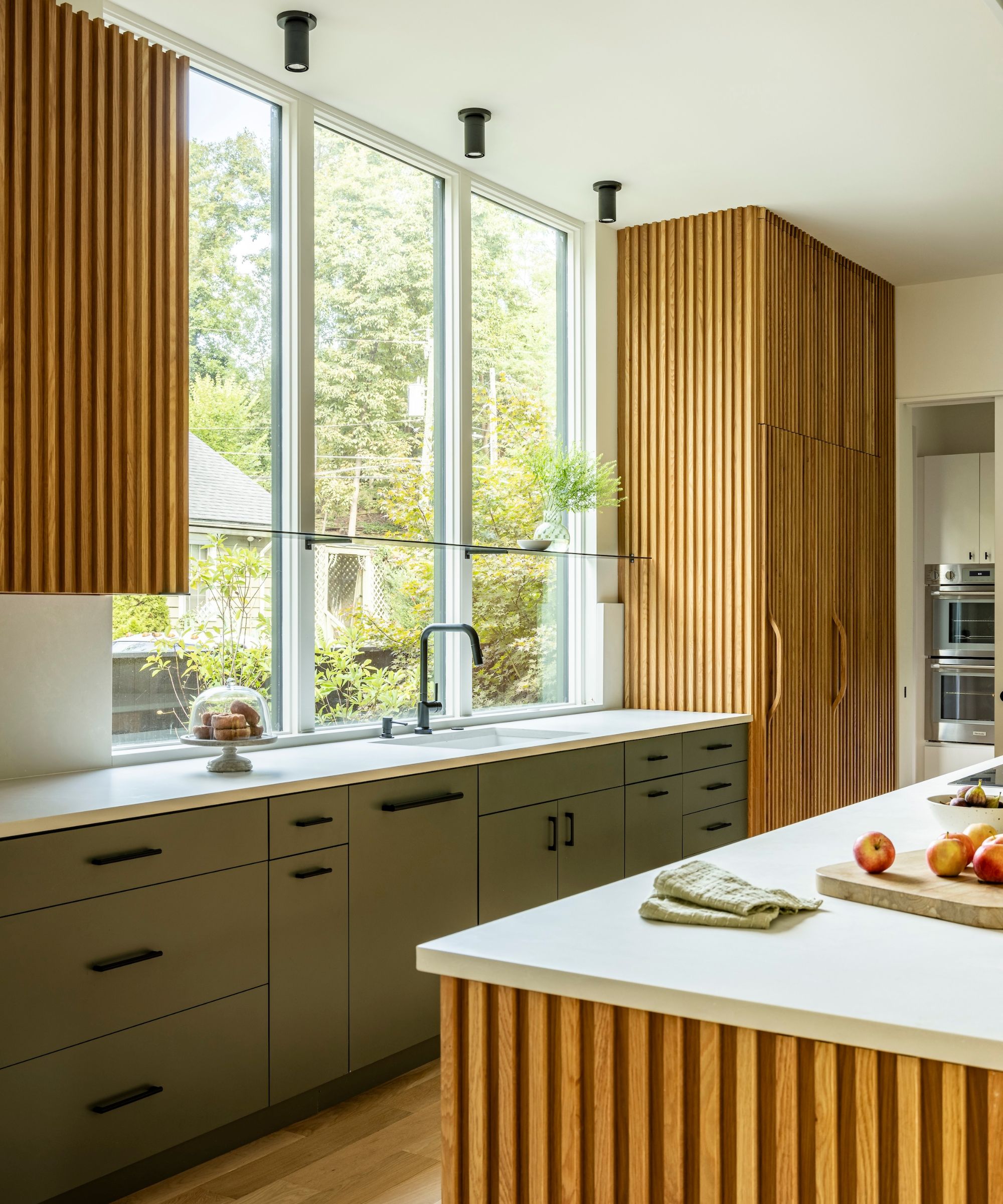
Available finishes replicate natural wood grains and contemporary designs.
Applications of WPC Wall Panels in Kenya
WPC wall panels are mainly used for interior decoration, including feature walls, office partitions, ceilings, hotels, and residential interiors. They provide fast installation and a premium finish for both new construction and renovation projects.
Common applications include:
Residential Projects
- Living room feature walls
- Bedroom accent panels
- TV backgrounds
- Ceiling decoration
- Hallway finishes
Commercial Buildings
- Hotel interiors
- Restaurant walls
- Office reception areas
- Retail shops
- Conference rooms
Hospitality Projects
Hotels and resorts use WPC panels because they provide an elegant appearance while reducing maintenance costs.
WPC Wall Panels vs Traditional Timber
WPC wall panels offer better moisture and termite resistance than traditional timber while maintaining a natural wood appearance. The choice between WPC and timber depends on budget, design requirements, and environmental conditions.
| Feature | WPC Wall Panels | Natural Timber |
|---|---|---|
| Moisture Resistance | High | Requires treatment |
| Termite Resistance | High | Vulnerable |
| Maintenance | Low | Regular maintenance needed |
| Appearance | Wood-like finish | Natural wood grain |
| Installation | Faster | Requires skilled carpentry |
| Lifespan | Long-lasting | Depends on treatment |
For Kenyan environments, WPC provides a practical solution where durability and appearance are both priorities.
Technical Specifications Table: WPC Wall Panels
| Parameter | Specification |
|---|---|
| Material | Wood-Plastic Composite |
| Composition | Wood fibre + polymer resin |
| Surface Finish | Decorative wood texture |
| Thickness | Varies by manufacturer |
| Application | Interior walls, ceilings, partitions |
| Resistance | Water and termite resistant |
| Installation | Clip system, adhesive, or framing |
| Purpose | Interior architectural finishing |
Climate Performance of WPC Panels in Kenya
WPC wall panels are suitable for Kenya’s climate because they resist moisture, humidity, and insect damage better than many traditional wood products. Their performance makes them suitable for coastal, urban, and highland construction environments.
Coastal Kenya (Mombasa)
Challenges:
- High humidity
- Salt-laden air
- Moisture exposure
WPC advantages:
- Reduced moisture absorption
- No termite damage
- Lower maintenance requirements
Nairobi and Central Kenya
Challenges:
- UV exposure
- Temperature changes
WPC advantages:
- Stable decorative finish
- Reduced cracking compared to untreated timber
Rift Valley
Challenges:
- Temperature variation
- Dust exposure
WPC advantages:
- Easy cleaning
- Durable surface performance
How to Choose Quality WPC Wall Panels in Kenya
Selecting quality WPC wall panels requires checking material composition, surface finish, thickness, installation method, and supplier reliability. Correct selection ensures better appearance, durability, and long-term value.
Consider:
Material Composition
Higher-quality WPC panels contain a balanced wood-plastic ratio for strength and stability.
Surface Finish
Choose finishes that match:
- Residential designs
- Commercial branding
- Interior themes
Installation System
Check whether the panel supports:
- Clip installation
- Adhesive fixing
- Supporting frames
Installation Process for WPC Wall Panels
Installing WPC wall panels involves preparing the surface, measuring panels, fixing the support system, and aligning boards correctly. Professional installation ensures a seamless finish and improves durability.
Installation steps:
- Inspect wall condition
- Prepare the installation surface
- Measure and cut panels accurately
- Install fixing framework if required
- Secure panels and align joints
- Complete finishing details
Proper installation prevents uneven surfaces and gaps.
Common Mistakes When Using WPC Wall Panels
Common mistakes include buying low-quality panels, ignoring installation requirements, and selecting unsuitable designs for the application. These mistakes can affect appearance and reduce the expected lifespan of the finish.
Avoid:
- Choosing based only on price
- Installing on unsuitable surfaces
- Ignoring expansion requirements
- Using incorrect fixing methods
Working with an experienced supplier helps avoid material selection problems.
Combining WPC Panels with Other Modern Building Materials in Kenya
WPC wall panels are often combined with other modern building materials in Kenya to create functional and visually appealing architectural finishes. Materials such as Alucobond, marble boards, and Perspex sheets complement WPC designs in modern buildings.
Related solutions:
Marble Boards
Used for luxury interior wall finishes:
marble-boards
Alucobond Sheets
Used for architectural cladding:
alucobond-sheets
Perspex Sheets
Used for decorative and glazing applications:
perspex-sheets
Supply and Delivery of WPC Wall Panels in Kenya
Reliable sourcing of building materials in Kenya requires consistent product availability, technical guidance, and efficient delivery services. BHD supplies construction and architectural finishing materials with delivery support for contractors and developers.
BHD provides:
- Same-day delivery within Nairobi
-
Next-day delivery countrywide to:
- Nakuru
- Kisumu
- Mombasa
- Eldoret
- Thika
- Meru
- Kitengela
- Malindi
Browse the complete catalog:
catalog
FAQ: WPC Wall Panels as Building Materials in Kenya
1. What are WPC wall panels used for in Kenya?
WPC wall panels are used for interior walls, ceilings, partitions, feature walls, offices, hotels, and residential decoration.
2. Are WPC panels waterproof?
WPC panels are water-resistant and perform better than traditional timber in humid conditions.
3. Are WPC wall panels termite-proof?
Yes. Their composite structure provides strong resistance against termite damage.
4. Are WPC panels suitable for coastal areas like Mombasa?
Yes. Their moisture resistance makes them suitable for humid coastal environments.
5. How long do WPC wall panels last?
With proper installation and maintenance, quality WPC panels provide long-term interior performance.
6. Are WPC panels better than wood?
For areas requiring moisture and termite resistance, WPC often provides better performance than untreated wood.
7. Can WPC panels be installed on existing walls?
Yes. They can be installed on suitable prepared surfaces using appropriate fixing methods.
8. Where can I buy WPC wall panels in Kenya?
WPC wall panels are available from construction material suppliers such as BHD Kenya.
Conclusion: Why WPC Wall Panels Are Future Building Materials in Kenya
WPC wall panels are becoming an important category of building materials in Kenya because they combine aesthetics, durability, and practical performance. Their resistance to termites, moisture, and everyday wear makes them ideal for modern homes, offices, hotels, and commercial spaces.
As Kenyan construction continues moving toward efficient and sustainable finishing solutions, WPC panels provide contractors and developers with a reliable alternative to traditional interior materials.
Call to Action
Contact Burhani Hardware Dealers (BHD)
burhanihardwaredealers [at] yahoo.com
Call/WhatsApp: +254 731 217 462 | +254 790 545 205
Visit: BHD, Industrial Area, Funzi Road, Nairobi
Website: https://bhd.co.ke/
Delivery Guarantee:
Same-day delivery within Nairobi.
Next-day delivery countrywide to Nakuru, Kisumu, Mombasa, Eldoret, Thika, Meru, Kitengela, Malindi.
Frequently asked questions

Written & reviewed by
BHD Kenya
Burhani Hardware Dealers (BHD Kenya) is a Nairobi-based supplier of polycarbonate roofing, Alucobond/ACP cladding, Perspex, WPC wall panels and steel products, serving contractors, fabricators and homeowners across Kenya.