

WPC Wall Panels in Kenya: 2026 Guide to Uses, Specs and Benefits | BHD Kenya
Quick answer
WPC wall panels are engineered cladding boards made by combining wood fibre with thermoplastic polymer under heat and pressure. The result resists moisture, termites and warping far better than timber or MDF, which is why they are used for feature walls, ceilings, bathrooms and facades in Kenyan homes and offices. They fix to battens or directly to flat walls.
What are WPC wall panels and why are they used in Kenyan homes?
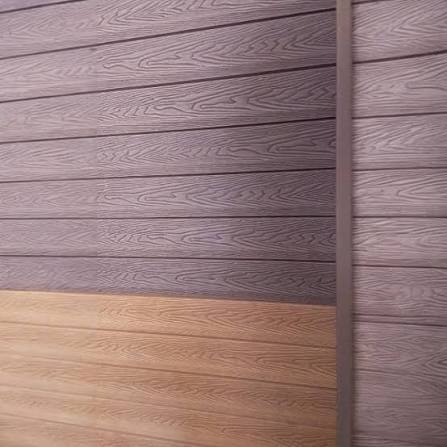
WPC wall panels (Wood Plastic Composite panels) are engineered cladding materials made from a mixture of wood fibers and thermoplastic polymers designed to resist moisture, termites, and warping. In Kenya, they are widely used in modern residential and commercial interiors because they outperform traditional wood and painted finishes in humid environments.
WPC is manufactured under controlled heat and pressure, producing a dense material that does not behave like natural timber. Unlike wood, it does not expand excessively when exposed to humidity, making it ideal for long-term interior applications in Kenyan buildings.
Why are WPC wall panels ideal for high-humidity and coastal Kenyan climates?
WPC wall panels are ideal for Kenya’s humid and coastal regions because they remain stable in moisture-heavy environments without swelling, cracking, or rotting. This makes them especially effective in Mombasa, Malindi, Kilifi, and Lake Region areas where humidity and salt exposure are constant challenges.
Kenya’s coastal climate accelerates deterioration of paint, gypsum, and untreated timber. WPC eliminates these failure points by using polymer encapsulation, which blocks water penetration entirely.
How do WPC wall panels perform compared to wood, gypsum, and PVC?
WPC panels perform better than wood, gypsum, and standard PVC because they combine structural rigidity with moisture and termite resistance. They also maintain appearance longer and require significantly less maintenance over their lifecycle.
| Material | Moisture Resistance | Termite Resistance | Lifespan | Maintenance |
|---|---|---|---|---|
| WPC Panels | Very High | 100% Resistant | 15–25 years | Very Low |
| Natural Wood | Low | Low | 5–10 years | High |
| Gypsum Board | Low | Medium | 5–8 years | Medium |
| PVC Panels | Medium | High | 10–15 years | Low |
What makes WPC wall panels termite-proof and water-resistant?
WPC panels are termite-proof because they contain no raw wood fibers in a form that termites can consume, and they are water-resistant due to their sealed thermoplastic structure. This prevents internal decay, fungal growth, and swelling even in damp environments.
In Kenya, termite infestation is a major issue in both urban and rural construction. WPC removes the need for chemical termite treatment, reducing long-term maintenance costs for homeowners and developers.
What are the key applications of WPC wall cladding in Kenya?
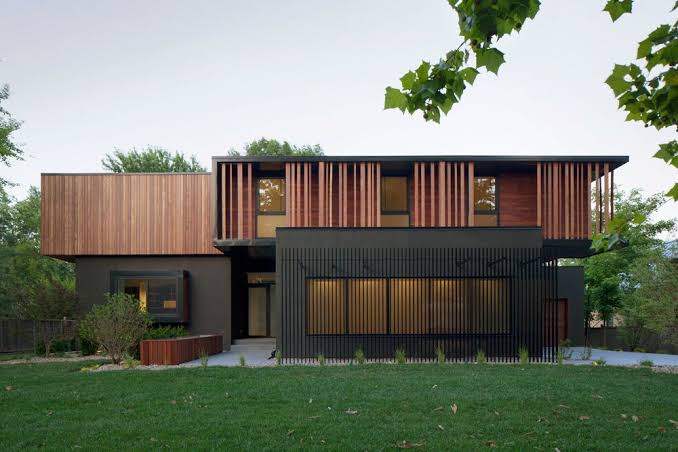
WPC wall cladding is used in interior and semi-exterior spaces to provide decorative finishes and wall protection in residential, commercial, and hospitality projects. It is commonly installed in feature walls, offices, bathrooms, hotels, and retail spaces.
Applications include:
- Living room feature walls
- Hotel lobbies and reception areas
- Office partition systems
- Bathroom waterproof cladding
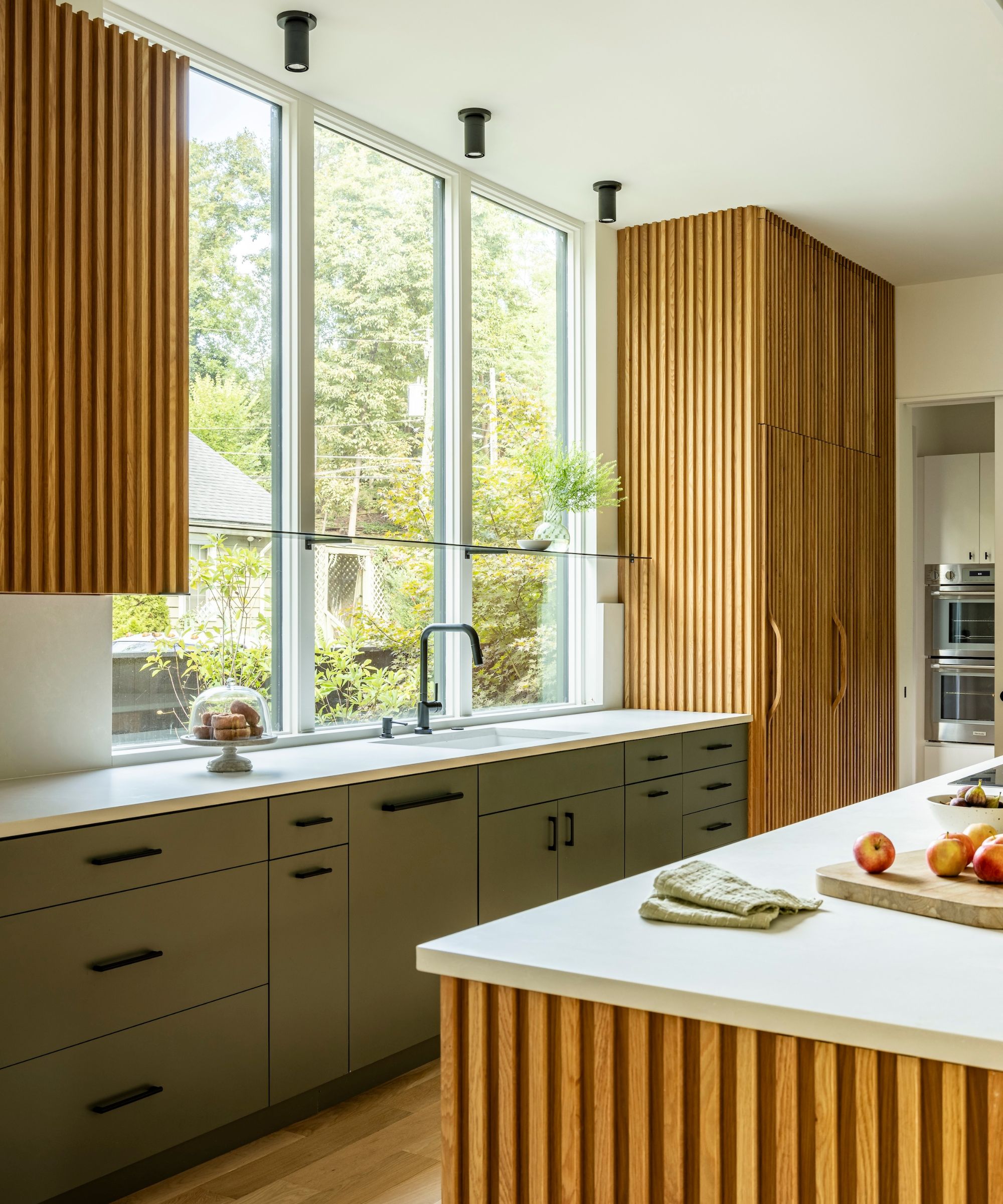
- Kitchen decorative panels
- Retail and showroom interiors
How does Kenya’s building environment influence WPC adoption?
Kenya’s increasing humidity challenges, rising maintenance costs, and stricter construction expectations under KEBS and the National Building Code 2024 are driving rapid adoption of WPC wall panels. Developers prefer materials that reduce lifecycle repairs and improve durability.
In Nairobi, frequent repainting cycles in apartments and commercial buildings have made WPC a cost-saving alternative. In coastal developments, it significantly reduces moisture-related damage.
How much do WPC wall panels cost in Kenya and what affects pricing?
The cost of WPC wall panels in Kenya depends on thickness, design, brand quality, and installation complexity. While initial costs are higher than paint or gypsum, the long-term cost is lower due to minimal maintenance and longer lifespan.
Key pricing factors:
- Panel thickness (7mm–25mm)
- Surface finish (wood grain, matte, gloss)
- Installation method (clip system vs adhesive)
- Project size and bulk ordering
What are the common installation mistakes with WPC panels in Kenya?
The most common installation mistakes include improper wall leveling, poor adhesive selection, and lack of expansion gaps. These errors can lead to misalignment, detachment, or reduced lifespan of the panels.
Professional installation ensures:
- Proper frame alignment
- Correct spacing for thermal expansion
- Secure fixing methods based on wall type
- Clean finishing edges
Installation guide materials are often paired with steel or aluminum framing systems.
How do WPC panels improve interior design in modern Kenyan homes?
WPC panels improve interior design by offering modern textures, clean finishes, and customizable patterns that enhance visual appeal. They allow architects and homeowners to achieve premium aesthetics without high maintenance requirements.
Design advantages include:
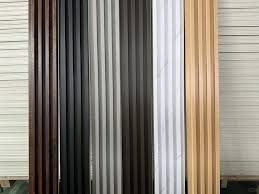
- Wood-like appearance without real timber issues
- Seamless wall finishes
- Wide color and texture options
- Compatibility with LED lighting features
They are widely used in modern apartments in Nairobi and luxury villas along the coast.
Are WPC wall panels compliant with Kenyan building standards?
High-quality WPC wall panels comply with KEBS material expectations and align with durability and safety requirements under Kenya’s National Building Code 2024. Compliance ensures they meet minimum performance standards for interior construction materials.
Compliance considerations include:
- Fire resistance rating (varies by grade)
- Structural stability under humidity
- Non-toxic material composition
- Long-term durability performance
Technical Specifications of WPC Wall Panels
| Parameter | Specification |
|---|---|
| Material Composition | Wood fiber + thermoplastic polymer |
| Panel Thickness | 7mm – 25mm |
| Surface Finish | Matte, wood grain, gloss, textured |
| Moisture Resistance | 100% water-resistant |
| Termite Resistance | Fully termite-proof |
| Fire Rating | Self-extinguishing (grade dependent) |
| Installation Type | Clip-lock / adhesive / frame system |
| Expected Lifespan | 15–25 years |
What are the long-term benefits of WPC wall panels in Kenya?
The long-term benefits of WPC wall panels include reduced maintenance costs, improved durability, and better resistance to environmental damage compared to traditional wall finishes. They eliminate recurring expenses associated with repainting, termite treatment, and wall repairs.
Over a 10–20 year building lifecycle, WPC significantly reduces total ownership cost in both residential and commercial buildings.
Real-world usage scenarios in Kenya
In Kenya, WPC panels are commonly used in coastal villas, Nairobi apartments, and commercial office interiors where humidity and maintenance costs are major concerns. Contractors choose them to improve project durability and reduce post-construction maintenance issues.
Examples:
- Mombasa apartments using WPC for moisture-prone interiors
- Nairobi offices replacing gypsum partitions with WPC cladding
- Kisumu homes using WPC for damp-resistant wall finishes
- wpc-wall-panels
- polycarbonate-sheets
- alucobond-sheet
- perspex-sheets
- steel-products-in-kenya
- square-hollow-section-shs
- hr-beams
FAQs About WPC Wall Panels in Kenya
1. Are WPC wall panels better than wood in Kenya?
Yes, WPC panels outperform wood because they do not rot, crack, or attract termites in humid conditions.
2. Can WPC wall panels be used in bathrooms?
Yes, they are fully waterproof and ideal for bathrooms, kitchens, and wet areas.
3. How long do WPC wall panels last?
They typically last 15–25 years depending on installation quality and environmental exposure.
4. Do WPC panels require maintenance?
No, they only require simple cleaning and no repainting or sealing.
5. Are WPC panels expensive in Kenya?
They have a higher upfront cost but lower lifetime cost due to reduced maintenance.
6. Do WPC panels fade over time?
UV-resistant grades reduce fading, especially in indoor applications.
Contact Burhani Hardware Dealers (BHD)
burhanihardwaredealers [at] yahoo.com
Call/WhatsApp: +254 731 217 462 | +254 790 545 205
Visit: BHD, Industrial Area, Funzi Road, Nairobi
Website: https://bhd.co.ke/
Delivery Guarantee:
Same-day delivery within Nairobi.
Next-day delivery countrywide to Nakuru, Kisumu, Mombasa, Eldoret, Thika, Meru, Kitengela, Malindi.
Frequently asked questions

Written & reviewed by
BHD Kenya
Burhani Hardware Dealers (BHD Kenya) is a Nairobi-based supplier of polycarbonate roofing, Alucobond/ACP cladding, Perspex, WPC wall panels and steel products, serving contractors, fabricators and homeowners across Kenya.