

Architectural Roofing Kenya: How Architects Choose Roofing Materials for Modern Projects
Quick answer
Architects in Kenya choose roofing by matching the material to climate, span and budget. Coastal projects need corrosion resistance, high-altitude sites need UV stability, and long spans need light sheets on steel purlins. Polycarbonate suits daylight areas, aluminium composite suits detailing, and profiled steel remains the everyday choice for pitched roofs.
Roofing is one of the most critical decisions in any construction project because it affects structural safety, energy efficiency, aesthetics, and long-term maintenance. In Kenya, architects must balance climate conditions, material performance, budget constraints, and regulatory compliance when selecting roofing systems for residential and commercial projects.
This guide explains what architects prioritize when choosing roofing materials and how those decisions influence modern construction outcomes across Kenya.
What do architects consider when choosing roofing materials?
Architects consider structural performance, climate suitability, durability, aesthetics, cost efficiency, and compliance with Kenyan building standards when selecting roofing materials.
Roofing is not chosen based on appearance alone. It must integrate with the structural design, withstand environmental loads, and meet safety requirements under the National Building Code 2024 and KEBS standards.
Key decision factors include:
- Structural load capacity
- Weather resistance (rain, UV, wind)
- Thermal performance and heat control
- Lifespan and maintenance requirements
- Visual integration with building design
Climate conditions and roofing selection in Kenya
Architects prioritize climate performance when selecting roofing materials to ensure long-term durability under Kenya’s diverse environmental conditions.
Kenya has multiple climate zones that directly affect roofing performance:
- Nairobi & Central Kenya: UV exposure and temperature fluctuations require heat-resistant roofing systems
- Coastal regions (Mombasa): high humidity and salt air demand corrosion-resistant materials
- Rift Valley: strong wind loads require structurally reinforced roofing systems
Proper material selection reduces:
- Heat gain inside buildings
- Corrosion damage in coastal environments
- Wind uplift failures in high-altitude areas
Structural performance and load-bearing requirements
Architects choose roofing materials based on their ability to safely transfer loads to the structural frame without failure.
Roofing systems must account for:
- Dead loads (roof material weight)
- Live loads (maintenance and environmental pressure)
- Wind uplift forces
- Rainwater accumulation
Steel-supported systems are widely used in Kenya because they provide:
- High strength-to-weight ratio
- Long-span capability for commercial buildings
- Compatibility with modular roofing systems
steel-products-in-kenya
hr-beams
Transparency and natural lighting in modern roofing
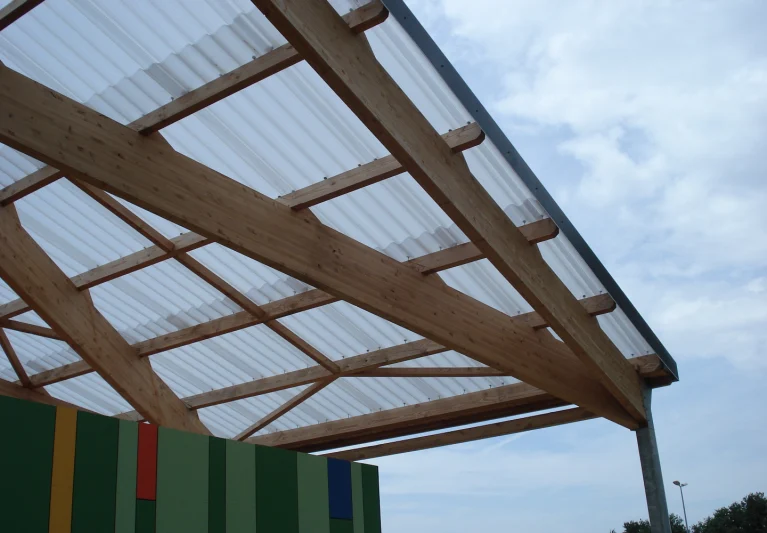
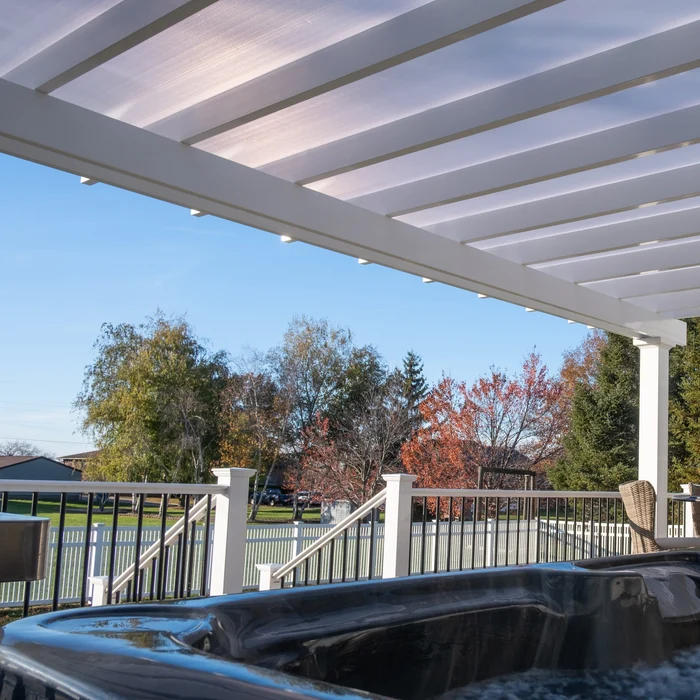
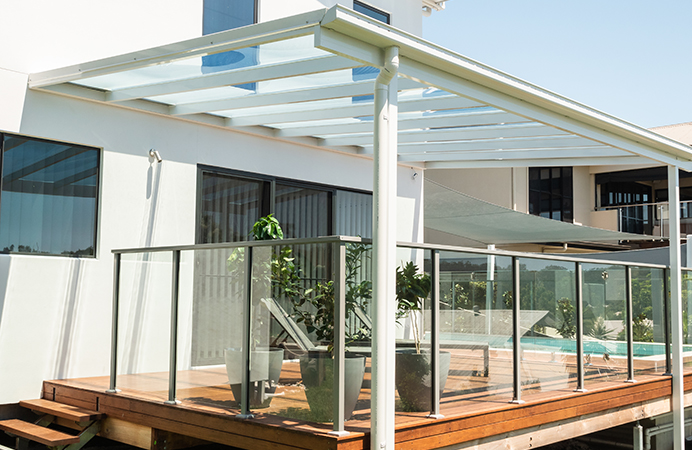
Architects increasingly specify transparent or semi-transparent roofing materials to improve daylighting and reduce energy consumption.
Transparent roofing improves:
- Natural lighting in interior spaces
- Energy efficiency by reducing daytime electricity use
- Visual openness in modern architectural design
Common materials used:
- Polycarbonate sheets
- Perspex sheets
- Hollow and solid roofing panels
polycarbonate-sheets
solid-polycarbonate-sheets
egyptian-hollow-polycarbonate-sheets
Why architects use transparent roofing:
- Enhances modern architectural aesthetics
- Reduces artificial lighting demand
- Ideal for carports, atriums, and commercial walkways
Durability and lifespan expectations
Architects prioritize roofing materials that offer long service life with minimal maintenance under Kenyan environmental conditions.
Typical expectations:
- 10–15 years for polycarbonate systems
- 20–40 years for coated steel roofing systems
- Extended lifespan for composite and treated materials
Durability considerations include:
- UV resistance
- Corrosion resistance
- Impact resistance (hail, falling debris)
- Resistance to thermal expansion and contraction
Aesthetic integration in modern architecture
Architects ensure roofing systems align with overall building design, especially in commercial and high-end residential projects.
Modern roofing is no longer purely functional. It is part of the building’s identity.
Design considerations include:
- Color coordination with façade materials
- Roof profile (flat, pitched, curved)
- Visibility from exterior viewpoints
- Integration with cladding systems
alucobond-sheets
wpc-wall-panels
Cost efficiency and lifecycle value
Architects evaluate both upfront cost and long-term lifecycle value when selecting roofing materials.
A lower initial cost material may result in higher long-term maintenance expenses. Therefore, architects focus on total cost of ownership.
Key considerations:
- Maintenance frequency
- Replacement cycles
- Repair complexity
- Energy efficiency savings
Compliance with KEBS and Kenyan building regulations
Architects must ensure roofing materials comply with KEBS standards and the National Building Code 2024 to guarantee safety and approval during inspections.
Compliance ensures:
- Structural safety certification
- Insurance eligibility
- Legal approval for occupancy
- Consistent material quality standards
why-bhd-kenya-is-the-leading-supplier-of-construction-materials-kenya
Common mistakes in roofing selection
Poor roofing choices can compromise entire building performance, even when the structural design is correct.
Common mistakes include:
- Ignoring wind load requirements
- Using non-UV-resistant materials
- Selecting aesthetics over performance
- Underestimating corrosion risks in coastal regions
FAQ: Roofing material selection in Kenya
What is the most important factor when choosing roofing materials?
Structural safety and climate suitability are the most important factors architects consider.
Why is polycarbonate roofing popular in Kenya?
It provides natural lighting, UV resistance, and lightweight structural performance.
Do architects prefer steel roofing systems?
Yes, steel systems are widely used due to strength, durability, and versatility.
What roofing is best for coastal areas in Kenya?
Corrosion-resistant coated steel and UV-stabilized polycarbonate materials.
Are transparent roofing materials durable?
Yes, modern polycarbonate systems are designed for long-term outdoor use.
Conclusion
Architects in Kenya select roofing materials based on a combination of structural performance, climate resilience, aesthetics, cost efficiency, and regulatory compliance. Modern roofing systems like polycarbonate and steel frameworks provide the flexibility needed for residential and commercial projects across diverse environments.
Call to Action
Contact Burhani Hardware Dealers (BHD)
burhanihardwaredealers [at] yahoo.com
Call/WhatsApp: +254 731 217 462 | +254 790 545 205
Visit: BHD, Industrial Area, Funzi Road, Nairobi
Website: https://bhd.co.ke/
Delivery Guarantee:
Same-day delivery within Nairobi.
Next-day delivery countrywide to Nakuru, Kisumu, Mombasa, Eldoret, Thika, Meru, Kitengela, Malindi.
Frequently asked questions

Written & reviewed by
BHD Kenya
Burhani Hardware Dealers (BHD Kenya) is a Nairobi-based supplier of polycarbonate roofing, Alucobond/ACP cladding, Perspex, WPC wall panels and steel products, serving contractors, fabricators and homeowners across Kenya.