Best Materials for Shop Branding in Kenya
Quick answer
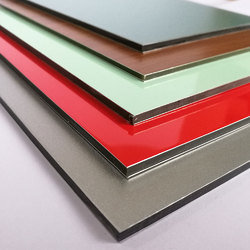
The main shop branding materials in Kenya are aluminium composite panel, commonly called Alucobond, used for fascia and box-up panels, and Perspex acrylic used for sign faces, lettering and illuminated displays. ACP gives a flat, coloured exterior surface that handles weather, while acrylic can be cut, routed and lit from behind for 3D letters and lightboxes.
The best materials for shop branding in Kenya depend on where the branding will be installed and the required appearance, durability, fabrication method and budget. Alucobond is well suited to rigid fascia and exterior panels, while Perspex and acrylic are useful for sign faces, lettering and illuminated displays.
A shop's exterior is often the first point of contact between a business and its customers.
A well-designed fascia can make a small storefront easier to identify from the road. For a larger commercial outlet, the same principle applies across fascia boards, entrance features, illuminated signs and branded architectural elements.
However, choosing a material simply because it looks attractive can create problems later.
Outdoor signage must cope with sunlight, rain, dust, cleaning and physical handling. In coastal areas, humidity and salt-laden air can also affect metal components and fixings.
This guide compares the main shop signage materials in Kenya and explains where each option makes sense.
What Is the Best Material for Shop Signage in Kenya?
Alucobond, Perspex and acrylic are among the most practical materials for shop signage in Kenya, but each serves a different purpose. Alucobond is particularly useful for rigid fascia panels, while Perspex and acrylic are commonly suited to lettering, sign faces and decorative displays.
The correct choice depends on:
- Sign location
- Sign size
- Indoor or outdoor installation
- Required finish
- Illumination
- Exposure to sunlight
- Cleaning requirements
- Fabrication method
- Budget
A sign maker should therefore select the material after understanding the actual design rather than choosing solely by price.
What Materials Are Used for Shop Branding?
Common shop branding materials include aluminium composite panels such as Alucobond, Perspex or acrylic sheets, polycarbonate and selected decorative panels. The best material depends on whether the requirement is a fascia, lettering, illuminated sign, wall feature or interior branding element.
Typical applications include:
| Branding Application | Suitable Materials |
|---|---|
| Shop fascia | Alucobond, ACP |
| 3D lettering | Perspex, acrylic |
| Illuminated sign | Acrylic, Perspex |
| Interior wall branding | Alucobond, WPC, decorative panels |
| Reception branding | Perspex, Alucobond |
| Outdoor feature panel | Alucobond |
| Directional signage | Alucobond, Perspex |
| Decorative wall feature | WPC, marble board |
The material should always be specified according to the intended environment.
Why Is Alucobond Popular for Shop Branding?
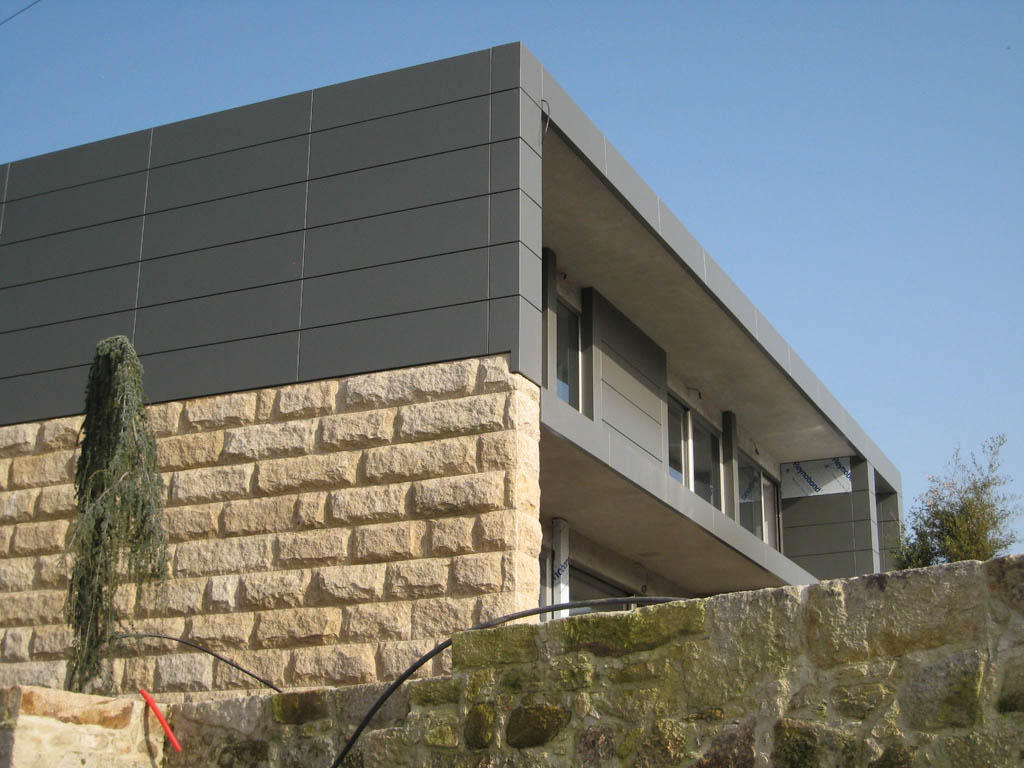
Alucobond and aluminium composite panels are popular for shop branding because they provide a flat, rigid surface suitable for fascia boards, cladding and fabricated signage. Their relatively low weight compared with some solid sheet materials also makes them practical for many storefront applications.
Alucobond-style composite panels can be used for:
- Shop fascia
- Corporate branding
- Building entrances
- Column cladding
- Canopies
- Sign backgrounds
- Retail interiors
BHD supplies Alucobond sheets in Kenya for suitable architectural and signage applications.
For a large shopfront, the panel can form the background while the business name or logo is fabricated separately.
This creates a clean layered appearance.
What Are the Advantages of Alucobond Signage?
Alucobond provides a smooth, rigid panel surface that works well for modern commercial branding and fascia systems. It is particularly useful when a business requires a large, clean background for logos, lettering, colours or corporate graphics.
Advantages include:
- Flat appearance
- Modern finish
- Lightweight panel construction
- Large-format applications
- Easy fabrication
- Multiple colour and finish options
- Suitable for exterior applications when correctly specified
The panel should be fabricated and installed using appropriate methods.
For external installations, the fixing system is just as important as the visible panel.
Is Alucobond Good for Outdoor Shop Signs?
Alucobond can be suitable for outdoor shop signage when the selected panel and installation system are appropriate for external exposure. The supporting structure, fixings, joints and fabrication details should be selected for the local environmental conditions.
For Nairobi storefronts, consider:
- UV exposure
- Dust
- Rain
- Temperature changes
- Cleaning
For coastal towns such as Mombasa, additional attention should be paid to:
- Humidity
- Salt exposure
- Corrosion of metal subframes
- Fastener selection
A panel can remain visually attractive while poorly selected supporting components begin to deteriorate.
What Is Perspex Used for in Shop Branding?
Perspex is an acrylic sheet material commonly used for signage, lettering, displays and other applications requiring a smooth, lightweight sheet with a clean visual appearance. It can be fabricated into different shapes for branded commercial interiors and signs.
Typical applications include:
- Logo letters
- Reception signs
- Wall-mounted lettering
- Display panels
- Illuminated sign faces
- Interior branding
BHD supplies Perspex sheets for suitable applications.
Perspex can be particularly effective when the design relies on clean edges and dimensional lettering.
Is Perspex Good for Outdoor Shop Signage?
Perspex can be used for suitable outdoor signage applications, but the exact sheet specification and installation method matter. Outdoor signs should be designed around UV exposure, physical handling, cleaning and the requirements of the sign's supporting structure.
Outdoor signage should account for:
- Sun exposure
- Rain
- Dust
- Scratching
- Fixing method
- Cleaning
The material should not be treated as a universal replacement for every external sign application.
For large fascia systems, an aluminium composite panel may provide a more practical background, with Perspex used for the branding elements.
What Is the Difference Between Alucobond and Perspex?
Alucobond is an aluminium composite panel primarily suited to rigid panels, fascia and cladding, while Perspex is an acrylic sheet commonly used for lettering, displays and sign faces. The two materials can also be combined in the same branding project.
| Feature | Alucobond | Perspex |
|---|---|---|
| Material type | Aluminium composite panel | Acrylic sheet |
| Typical use | Fascia, cladding | Letters, displays |
| Surface | Flat panel | Smooth sheet |
| Best application | Large branded background | Signage details |
| Fabrication | Cutting, folding, routing | Cutting, shaping |
| Appearance | Architectural | Clean/acrylic |
| Illumination | Can form sign background | Suitable for selected illuminated applications |
The best choice depends on the design.
In many cases, the most effective storefront uses both.
Can Alucobond and Perspex Be Used Together?
Yes, combining Alucobond and Perspex can create a layered shopfront design. Alucobond can provide the fascia background while Perspex or acrylic letters create the raised business name, logo or illuminated elements.
For example:
Alucobond fascia + raised Perspex logo + LED illumination
can create depth without requiring the entire fascia to be made from one material.
This approach also allows the branding elements to be visually separated from the building background.
What Is the Best Material for Illuminated Shop Signs?
Acrylic or Perspex can be suitable for illuminated sign faces because the material can be selected and fabricated to work with lighting systems. Alucobond can be used as a surrounding fascia or structural/background element, depending on the sign design.
Illuminated signage may use:
- LED modules
- LED strips
- Backlighting
- Face illumination
- Halo lighting
The lighting system should be planned alongside the sign material.
A sign that looks good during daylight may require a different design approach at night.
What Are 3D Letters Made From?
3D shop letters can be fabricated from materials such as acrylic, Perspex, aluminium and other signage-specific materials. The appropriate choice depends on letter size, depth, lighting requirements, location and desired appearance.
Dimensional lettering can be:
- Flat-cut
- Raised
- Boxed
- Illuminated
- Backlit
- Halo-lit
For a premium retail appearance, raised letters can create more visual depth than printed flat graphics.
What Is the Best Material for a Shop Fascia?
Aluminium composite panels such as Alucobond are well suited to many shop fascia applications because they provide a large, flat and rigid branding surface. The fascia can then carry printed graphics, vinyl, raised letters or other signage elements.
A fascia should provide:
- A clean surface
- Clear brand visibility
- Appropriate weather resistance
- Secure fixing
- Easy maintenance
The fascia should also be proportioned correctly.
Oversized lettering can make a small shopfront look crowded, while lettering that is too small may be difficult to read from the road.
How Do You Choose Shop Branding Materials?
Choose shop branding materials according to the installation location, exposure, sign size, required finish, lighting and fabrication method. Start with the function of the sign and then select a material capable of meeting those requirements.
A simple selection process is:
Step 1: Identify the application
Is it:
- Fascia?
- Wall sign?
- Illuminated sign?
- Reception branding?
- Window display?
- Directional sign?
Step 2: Determine the environment
Is it:
- Indoor?
- Outdoor?
- Sheltered?
- Fully exposed?
Step 3: Select the visual finish
Consider:
- Gloss
- Matte
- Metallic
- Clear
- Coloured
- Textured
Step 4: Confirm fabrication requirements
Check whether the material needs:
- Cutting
- Routing
- Bending
- Drilling
- Printing
- Letter formation
Step 5: Plan installation
Determine:
- Subframe
- Fasteners
- Adhesives
- Spacing
- Access
- Electrical requirements
How Does Kenya's Climate Affect Shop Signage?
Kenyan shop signage should be selected with local exposure in mind because UV radiation, rain, dust, humidity and temperature changes can affect materials and supporting components. Coastal locations require additional consideration of corrosion because of humid and salt-laden air.
Nairobi
Shop signs may experience:
- Strong sunlight
- Dust
- Heavy seasonal rainfall
- Temperature changes
- Frequent cleaning
Mombasa and the Coast
The main additional concern is moisture and salt exposure.
Metal frames, brackets and fixings should be appropriately selected and protected.
Rift Valley
Open locations may experience stronger wind exposure, making secure fixing and appropriate structural support important.
What Are the Best Materials for Interior Shop Branding?
Interior shop branding can use Perspex, Alucobond, WPC, marble boards and other decorative panels depending on the desired appearance and location. Interior applications generally provide more flexibility because the material is less exposed to rain and direct weather conditions.
Applications include:
- Reception counters
- Feature walls
- Product displays
- Brand logos
- Cashier areas
- Interior directional signs
- Backdrops
BHD also supplies WPC wall panels and marble boards for suitable interior finishing applications.
How Much Does Shop Signage Cost in Kenya?
Shop signage costs in Kenya vary according to the material, sign dimensions, design complexity, illumination, fabrication, installation and location. A reliable quotation should therefore be based on the exact sign design rather than a generic price per shop.
The total cost can include:
- Material
- Graphic design
- Cutting
- Printing
- Letter fabrication
- Illumination
- Electrical components
- Supporting frame
- Installation
- Transport
A small flat sign and a large illuminated fascia may have very different costs even if both use similar materials.
How Can You Reduce Shop Branding Costs?
The most effective way to control signage costs is to simplify the design while selecting materials according to the actual application. Accurate measurements, efficient material layouts and combining materials strategically can reduce unnecessary fabrication and wastage.
Consider:
- Standard sheet dimensions
- Efficient cutting layouts
- Simple shapes
- Reusable branding components
- Appropriate lighting
- Correct sign size
- Local fabrication
- Consolidated delivery
Do not reduce costs by using an unsuitable material for the environment.
A cheap sign that requires early replacement can cost more over its service life.
What Specifications Should You Give a Signage Supplier?
A signage supplier needs accurate dimensions, material type, thickness, colour or finish, design artwork, installation location and lighting requirements to prepare a reliable quotation. Providing complete information reduces revisions and prevents suppliers from pricing different specifications.
A useful signage brief should include:
| Specification | Information |
|---|---|
| Sign type | Fascia, wall, illuminated, etc. |
| Dimensions | Width × height |
| Material | Alucobond, Perspex, acrylic, etc. |
| Thickness | Required sheet thickness |
| Colour | Brand colours |
| Finish | Matte, gloss, metallic |
| Lettering | Flat or 3D |
| Lighting | None, front-lit, backlit |
| Location | Indoor/outdoor |
| Quantity | Number of signs |
| Installation | Required/not required |
Shop Branding Materials Comparison
There is no single best material for every shop branding project. Alucobond is particularly useful for fascia and large rigid panels, while Perspex and acrylic are strong options for lettering, sign faces and selected illuminated applications.
| Material | Best Use | Outdoor Suitability | Main Consideration |
|---|---|---|---|
| Alucobond | Fascia, cladding | Suitable for appropriate specifications | Requires proper subframe |
| Perspex | Letters, displays | Application-dependent | Can scratch |
| Acrylic | Sign faces, lettering | Application-dependent | Specification matters |
| Polycarbonate | Selected signs | Suitable for certain applications | Appearance differs by product |
| WPC | Interior branding | Mainly interior | Decorative application |
| Marble Board | Interior feature walls | Mainly interior | Better suited to interior finishes |
Frequently Asked Questions About Shop Signage in Kenya
Shop signage should balance visibility, material performance, fabrication requirements and cost. The best material depends on whether the sign is a fascia, illuminated display, raised-letter sign, interior feature or exterior branding system.
What is the best material for shop signage in Kenya?
Alucobond, Perspex and acrylic are among the commonly suitable options. Alucobond is particularly useful for fascia panels, while Perspex and acrylic can be used for lettering and sign faces.
Is Alucobond good for shop signs?
Yes. Alucobond can provide a rigid, clean surface for shop fascia, external branding and architectural signage when correctly specified and installed.
Is Perspex good for outdoor signs?
Perspex can be used for suitable outdoor signage, but the specific product specification, UV exposure, fixing method and environmental conditions should be considered.
Which material is best for illuminated shop signs?
Acrylic or Perspex can be suitable for illuminated sign faces and lettering, while Alucobond can provide the surrounding fascia or background.
How much does shop signage cost in Kenya?
The price depends on dimensions, materials, design, illumination, fabrication and installation. A supplier should quote based on the actual design.
What is the difference between Alucobond and Perspex?
Alucobond is an aluminium composite panel, while Perspex is an acrylic sheet. Alucobond is commonly used for fascia and cladding, while Perspex is often used for lettering and displays.
Can Alucobond be used outside?
Yes, appropriately specified aluminium composite panels can be used for exterior applications. The panel specification and installation system should match the environmental conditions.
Where can I buy signage materials in Kenya?
You can view BHD's signage and architectural materials or contact BHD to discuss material availability and requirements.
Conclusion
The best shop branding material depends on the job rather than the material name alone. Alucobond is a practical choice for many fascia and external panel applications, while Perspex and acrylic offer useful options for lettering, displays and illuminated signage.
Before ordering materials, confirm:
- Sign dimensions
- Indoor or outdoor location
- Material type
- Thickness
- Colour and finish
- Lighting requirements
- Supporting structure
- Fixing method
- Fabrication requirements
- Installation cost
For larger commercial branding projects, comparing the complete installed solution is more useful than comparing the price of individual sheets.
Contact Burhani Hardware Dealers (BHD)
Email: burhanihardwaredealers [at] yahoo.com
Call/WhatsApp: +254 731 217 462 | +254 704 606 131
Visit: BHD, Industrial Area, Funzi Road, Nairobi
Website: https://bhd.co.ke/
Delivery Guarantee:
Same-day delivery within Nairobi.
Next-day delivery countrywide to Nakuru, Kisumu, Mombasa, Eldoret, Thika, Meru, Kitengela and Malindi.
Frequently asked questions
Written & reviewed by
BHD Kenya
Burhani Hardware Dealers (BHD Kenya) is a Nairobi-based supplier of polycarbonate roofing, Alucobond/ACP cladding, Perspex, WPC wall panels and steel products, serving contractors, fabricators and homeowners across Kenya.