

Signage Materials Kenya: Best Options for 2026 | BHD Kenya.
Quick answer
The main commercial signage materials in Kenya are Perspex acrylic for light boxes and illuminated lettering, Alucobond or ACP for sign faces, fascias and backing panels, vinyl for graphics and lettering, and steel or aluminium for framing. The right choice depends on indoor or outdoor exposure, whether the sign is lit, its size and the structure supporting it.
The best commercial signage materials in Kenya depend on whether the sign is installed indoors or outdoors, the required appearance, exposure to weather, lighting method and structural support. Perspex and Alucobond/ACP are among the most versatile options for modern business signage because they provide clean finishes and can be fabricated into different sign formats.
Commercial signage has to do more than display a business name.
A good sign must remain legible, maintain its appearance, withstand its intended environment and be securely mounted. The material selected also affects fabrication, lighting, maintenance and the overall cost of the finished sign.
For a Nairobi shopfront, the requirements may be different from those of a coastal hotel in Mombasa or an exposed roadside sign in a windy area of the Rift Valley.
This guide compares the main materials used for commercial signage and explains where Perspex sheets, Alucobond and ACP panels fit into a signage project.
What Are the Best Signage Materials in Kenya?
Perspex, Alucobond/ACP, aluminium, acrylic-based materials and selected polycarbonate products are commonly used for commercial signage. The best option depends on whether the sign needs transparency, a solid coloured face, a lightweight cladding surface, illumination or resistance to outdoor exposure.
Common choices include:
| Material | Best Application | Main Advantage | Key Consideration |
|---|---|---|---|
| Perspex/Acrylic | Illuminated signs, lettering, displays | Clean appearance and light transmission | Can scratch or crack under impact |
| Alucobond/ACP | Fascia signs, building signage | Flat, lightweight cladding surface | Requires proper fabrication |
| Aluminium | Outdoor sign structures and panels | Lightweight and corrosion-resistant when appropriately specified | Finish and thickness matter |
| Polycarbonate | Impact-resistant signage and glazing-style applications | High impact resistance | Product selection matters |
| PVC board | Indoor temporary/decorative signs | Easy fabrication | Limited outdoor suitability depending on grade |
| Stainless steel | Premium lettering and signs | High-end appearance | Higher material and fabrication cost |
The sign itself may also combine several materials.
For example:
ACP backing + Perspex lettering + LED illumination
can create a modern illuminated shopfront.
What Is Perspex and Why Is It Used for Signage?
Perspex is a commonly used trade name for acrylic sheet, a rigid transparent or coloured plastic material used for signs, lettering, displays and illuminated panels. Its smooth surface and light-transmission properties make it particularly useful where a clean, modern sign face is required.
Perspex can be:
- Clear
- Opal
- Coloured
- Glossy
- Frosted
- Transparent
It can also be cut into:
- Letters
- Logos
- Shapes
- Panels
- Directional signs
BHD supplies Perspex sheets for applications where acrylic sheet is appropriate.
Why Perspex Works Well for Signs
Perspex offers several advantages:
- Clean appearance
- Good optical clarity
- Available in different colours
- Easy to fabricate
- Suitable for illuminated signage
- Relatively lightweight
- Suitable for indoor applications
- Can be used for selected outdoor applications when appropriately specified
For illuminated signs, translucent or opal acrylic can allow light from LEDs behind the panel to produce an even visual effect.
What Is Alucobond and Why Is It Used for Commercial Signs?
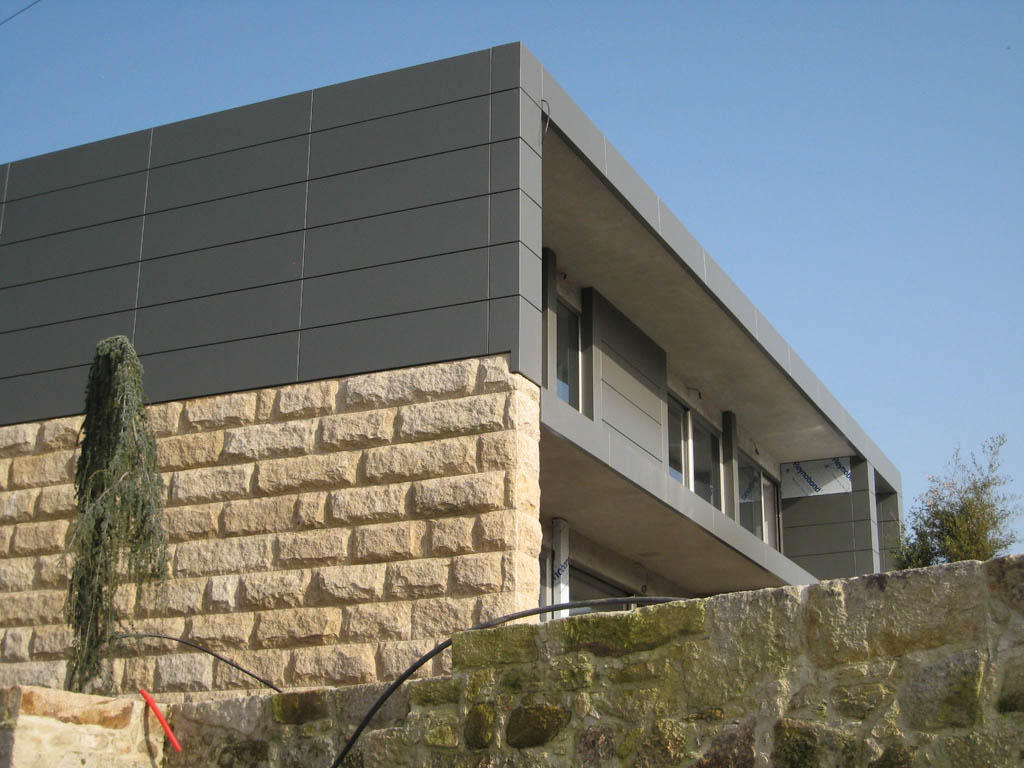
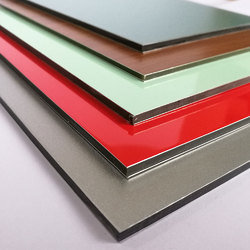
Alucobond is an aluminium composite panel system used for architectural and cladding applications, and aluminium composite panels are also widely used for signage fabrication. Their flat, lightweight construction makes them useful for fascia signs, shopfront backgrounds, directional signs and architectural branding.
An aluminium composite panel typically consists of aluminium skins bonded to a core.
The resulting panel combines:
- Flatness
- Low weight compared with solid metal plate
- Rigidity
- Fabrication flexibility
- A clean architectural appearance
BHD supplies Alucobond sheets in Kenya for suitable architectural and finishing applications.
Alucobond/ACP is particularly useful when the sign requires a large, flat background panel.
Is ACP Good for Outdoor Signage?
ACP can be a practical material for outdoor commercial signage when the selected panel is suitable for exterior exposure and is correctly fabricated and mounted. Outdoor performance depends on the panel specification, surface coating, fixing system, support structure and local environmental conditions.
Outdoor signs in Kenya may experience:
- Strong sunlight
- UV exposure
- Rain
- Dust
- Temperature changes
- Wind
- Coastal humidity
A sign installed along a busy Nairobi road may therefore need different considerations from one installed inside a shopping centre.
For outdoor ACP signage, check:
- Panel grade
- Aluminium skin thickness
- Core type
- Surface coating
- UV resistance
- Mounting method
- Edge treatment
The term ACP describes a broad class of products, so the exact specification matters.
Perspex vs Alucobond for Commercial Signage
Perspex is generally better when the sign requires transparency, light transmission or three-dimensional acrylic lettering, while Alucobond/ACP is particularly useful for flat fascia backgrounds and architectural sign panels. Many commercial signs use both materials together.
| Feature | Perspex | Alucobond/ACP |
|---|---|---|
| Material | Acrylic sheet | Aluminium composite panel |
| Transparency | Available | Generally opaque |
| Illumination | Excellent for suitable grades | Usually used as backing |
| Flat panels | Yes | Excellent |
| 3D lettering | Excellent | Possible with fabrication |
| Wood/metal effects | Product-dependent | Wide range of finishes |
| Outdoor use | Product-specific | Product-specific |
| Weight | Relatively light | Relatively light |
| Typical role | Sign face/letters | Sign backing/fascia |
A common commercial combination is:
ACP background + acrylic letters + LED lighting.
This provides a clean architectural appearance while allowing the branding to stand out from the building facade.
Which Signage Material Is Best for Outdoor Use?
There is no single best outdoor signage material because the correct choice depends on exposure, sign size, mounting conditions and design. ACP is useful for many flat exterior signs, while appropriately specified acrylic, aluminium or polycarbonate can serve other outdoor requirements.
For example:
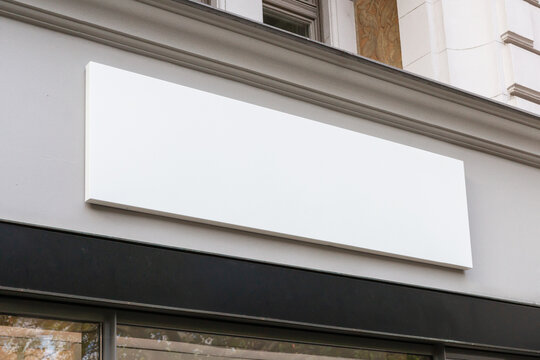
Building Fascia
ACP can provide a large, clean background.
Illuminated Sign
Acrylic/Perspex can form the illuminated face.
Directional Sign
Aluminium or ACP can provide a durable panel.
High-Impact Location
Polycarbonate may be considered where impact resistance is particularly important.
The supporting frame is equally important.
A strong panel poorly mounted to a weak frame can still fail.
Which Material Is Best for Indoor Signage?
Indoor signage offers greater material flexibility because signs are protected from direct rain, wind and intense UV exposure. Perspex, ACP, PVC, acrylic lettering and other decorative materials can all be used depending on the desired finish.
Indoor applications include:
- Reception signs
- Office directories
- Wayfinding signs
- Room identification
- Retail displays
- Shopping-centre signs
- Corporate branding
For an office reception, for example:
ACP backing + raised Perspex logo + LED halo lighting
can create a premium appearance.
Which Signage Material Works Best With LED Lighting?
Perspex is particularly effective for illuminated signage because translucent acrylic can distribute light through the sign face. ACP is commonly used as the backing or structural face around illuminated acrylic letters rather than as the light-transmitting surface itself.
Typical illuminated signage includes:
Front-Lit Letters
LEDs illuminate the face of the letters.
Halo-Lit Letters
LEDs illuminate the wall behind raised letters.
Lightbox
LEDs are installed inside a box behind a translucent face.
Combination Sign
ACP forms the background while acrylic provides illuminated lettering.
Lighting design should account for:
- LED spacing
- Heat management
- Electrical access
- Power supply
- Sign depth
- Face material
- Maintenance access
The sign fabricator should coordinate the electrical system with the physical sign design.
How Does Weather Affect Signage Materials in Kenya?
Outdoor signage materials must be selected according to exposure to sunlight, rain, humidity, dust and wind. Coastal areas require additional attention to corrosion resistance, while exposed locations require appropriate structural support for wind loads.
Nairobi and Central Kenya
Consider:
- UV exposure
- Temperature changes
- Dust
- Rain
Mombasa and Coastal Kenya
Consider:
- High humidity
- Salt-laden air
- Corrosion
- Strong sunlight
Metal components should therefore be appropriately selected and protected.
Rift Valley
Some locations may experience significant wind exposure.
Large signboards create a surface against which wind can act, making:
- Frame strength
- Anchoring
- Mounting location
- Sign dimensions
important design considerations.
The panel material alone does not determine whether a sign is safe.
What Thickness Should You Choose for Signage?
Signage thickness should be selected according to the material, panel size, fixing method and intended application rather than choosing one thickness for every sign. Large outdoor signs generally require more careful structural design than small indoor signs.
For a signage specification, confirm:
| Parameter | What to Specify |
|---|---|
| Material | Acrylic, ACP, aluminium, etc. |
| Thickness | Exact product thickness |
| Panel size | Length × width |
| Finish | Gloss, matte, metallic, etc. |
| Colour | Exact colour/reference |
| Application | Indoor/outdoor |
| Fixing | Mechanical/adhesive/frame |
| Lighting | None/LED/front-lit/halo |
| Support | Frame or mounting structure |
| Edge finish | Cut, folded, capped, etc. |
For example, a small indoor acrylic logo does not require the same structural considerations as a large external fascia.
Commercial Signage Materials Specifications Table
A useful signage specification should identify the material, thickness, dimensions, finish, application and fixing method. This allows the contractor, fabricator and client to agree on exactly what is being supplied instead of relying on generic descriptions such as "acrylic sign" or "ACP board."
| Parameter | Perspex/Acrylic | Alucobond/ACP |
|---|---|---|
| Material | Acrylic sheet | Aluminium composite panel |
| Typical form | Flat sheet/letters | Flat panel |
| Transparency | Clear/translucent/opaque grades | Generally opaque |
| Thickness | Product-specific | Product-specific |
| Surface | Gloss/matte/coloured | Painted/coated finishes |
| Fabrication | Cutting, routing, forming | Cutting, routing, folding |
| Lighting | Highly suitable for selected grades | Usually backing material |
| Outdoor suitability | Product-specific | Product-specific |
| Weight | Relatively light | Relatively light |
| Common signage role | Face/letters | Backing/fascia |
Exact thickness, dimensions and weight should always be obtained from the specification of the product being purchased.
How Much Do Signage Materials Cost in Kenya?
Commercial signage costs in Kenya vary according to material, thickness, dimensions, design complexity, illumination, fabrication and installation. Material price alone does not represent the final cost of a completed sign.
A proper quotation may include:
- Sheet material
- Cutting
- CNC routing
- Letter fabrication
- Printing
- Painting
- LED modules
- Electrical components
- Frame fabrication
- Mounting brackets
- Installation
- Transport
A small office sign and a large illuminated building fascia may use similar materials but have completely different project costs.
What Drives the Price?
Material quantity
Larger signs require more sheet material.
Thickness
Thicker material may increase cost and weight.
Fabrication
Intricate logos and lettering require additional machining.
Lighting
LED illumination adds electrical and fabrication costs.
Installation
Difficult access may require additional equipment and labour.
Finishing
Special colours, metallic finishes and custom surface treatments can increase the project cost.
For accurate budgeting, measure the required sign before requesting a quotation.
What Are Common Signage Material Mistakes?
The most common mistakes are selecting a material without considering its environment, underestimating the support structure, ignoring UV and moisture exposure, and comparing material prices without including fabrication and installation.
Avoid these errors:
Choosing Indoor Material for Exterior Use
A material designed for controlled indoor conditions may deteriorate outdoors.
Ignoring UV Exposure
Strong sunlight can affect certain plastics, printed surfaces and coatings.
Using an Inadequate Frame
Large signs can impose significant loads on their support system.
Under-Specifying Fixings
Outdoor signs need appropriate fixings for the wall and environmental conditions.
Forgetting Drainage
Sign boxes and external structures should not trap water.
Ignoring Maintenance Access
LEDs and electrical components eventually require inspection or replacement.
Comparing Only the Sheet Price
A cheap panel can become expensive after fabrication and installation.
How Do You Choose the Right Signage Material?
Start by identifying the sign's location, size, lighting requirements, expected exposure and desired appearance. Then select a material and fabrication method that meet those requirements rather than choosing based only on price.
Use this process:
Step 1: Identify the Location
Is it:
- Indoor?
- Outdoor?
- Coastal?
- Exposed to direct sunlight?
- Protected by a canopy?
Step 2: Determine the Sign Type
Is it:
- Fascia signage?
- Illuminated sign?
- Directional sign?
- Reception sign?
- 3D lettering?
- Building identification?
Step 3: Select the Face Material
Choose:
- Perspex
- ACP
- Aluminium
- Polycarbonate
- Another suitable material
Step 4: Select the Support
Consider:
- Wall construction
- Frame
- Brackets
- Anchors
- Wind exposure
Step 5: Plan Lighting
If illuminated, determine:
- LED type
- Power supply
- Access
- Sign depth
- Light distribution
Step 6: Calculate Total Cost
Include:
Material + fabrication + lighting + frame + installation + transport
This produces a more realistic project budget.
Why Is Material Quality Important for Commercial Signage?
Commercial signage represents a business continuously, so the material and finish need to remain appropriate for the intended environment. Correct material selection reduces premature deterioration, visual defects and unnecessary maintenance.
For a retailer, hotel, office or commercial building, signage is often the first physical element customers see.
Material quality affects:
- Surface appearance
- Colour retention
- Flatness
- Edge quality
- Structural performance
- Cleaning
- Maintenance
The objective should not simply be to buy the cheapest sheet.
It should be to specify a material that performs appropriately throughout the sign's expected service conditions.
Frequently Asked Questions About Signage Materials Kenya
Perspex and Alucobond/ACP are among the most versatile materials for modern commercial signage, but the correct choice depends on the sign design and environment. Outdoor projects require particular attention to weather exposure, support structures and material specifications.
What is the best material for commercial signage?
Perspex and ACP are both strong options, with Perspex particularly useful for illuminated faces and lettering and ACP suitable for flat fascia and backing panels.
Is Perspex good for outdoor signs?
Suitable acrylic products can be used outdoors, but the exact grade, thickness, UV exposure and mounting method should be checked before installation.
Is Alucobond good for signage?
Yes. Alucobond and similar aluminium composite panels can provide lightweight, flat and attractive surfaces for many commercial signage applications.
Which is better, Perspex or ACP?
Neither is universally better. Perspex is generally more useful for transparent, translucent or illuminated elements, while ACP is useful for solid backing and fascia panels.
Can ACP signage be illuminated?
Yes, ACP can be incorporated into illuminated signs, commonly as the backing or enclosure while translucent acrylic forms the illuminated face or lettering.
What material is best for outdoor signage in Kenya?
The appropriate material depends on the location, UV exposure, humidity, wind and sign design. ACP, aluminium, suitable acrylic and polycarbonate can all have applications when correctly specified.
How thick should signage material be?
There is no universal thickness. It should be selected according to the material, sign dimensions, support system, fabrication method and intended environment.
Where can I buy Perspex and Alucobond sheets in Kenya?
You can browse BHD's signage-related materials or contact Burhani Hardware Dealers for product specifications and availability.
Final Verdict: Best Commercial Signage Materials in Kenya
Perspex is a strong choice for illuminated faces, lettering and transparent or translucent signage, while Alucobond/ACP is particularly useful for flat commercial fascia and architectural sign backgrounds. The best commercial signage system often combines multiple materials rather than relying on one sheet product.
For example:
Modern illuminated shopfront:
ACP background + Perspex letters + LED lighting
Corporate reception:
ACP backing + raised acrylic logo
Outdoor fascia:
Appropriately specified ACP + aluminium/steel support
Impact-prone sign:
Suitable polycarbonate + engineered support
The correct specification should consider material, thickness, finish, UV exposure, moisture, fixing, structural support and lighting.
For commercial signage materials and architectural finishing products, browse the BHD catalog.
Contact Burhani Hardware Dealers (BHD)
Email: burhanihardwaredealers [at] yahoo.com
Call/WhatsApp: +254 731 217 462 | +254 704 606 131
Visit: BHD, Industrial Area, Funzi Road, Nairobi
Website: https://bhd.co.ke/
Delivery Guarantee:
Same-day delivery within Nairobi.
Next-day delivery countrywide to Nakuru, Kisumu, Mombasa, Eldoret, Thika, Meru, Kitengela and Malindi.
Frequently asked questions

Written & reviewed by
BHD Kenya
Burhani Hardware Dealers (BHD Kenya) is a Nairobi-based supplier of polycarbonate roofing, Alucobond/ACP cladding, Perspex, WPC wall panels and steel products, serving contractors, fabricators and homeowners across Kenya.