

Facade Design Kenya: Modern Ideas and Materials 2026
Quick answer
Facade design in Kenya combines durable exterior materials with weather protection and daylight control. Common choices are aluminium composite (ACP/Alucobond) cladding, glazing, WPC and fluted wall panels, and textured render. Selection depends on the building's location, exposure to sun and rain, maintenance access and budget. BHD supplies cladding materials from Nairobi with nationwide delivery.
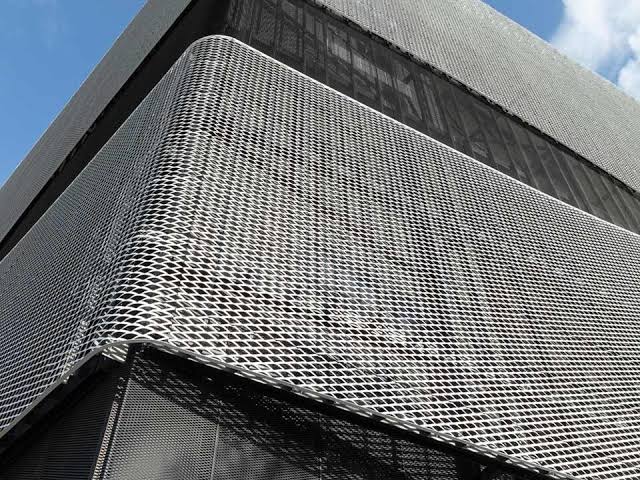
Modern facade design in Kenya combines clean architectural forms, durable exterior materials, controlled colour palettes, glazing, aluminium composite panels and carefully planned lighting. The best facade designs balance visual appeal with weather resistance, maintenance requirements, energy performance and the building's location.
A building's facade is more than its exterior appearance. It protects the structure from weather, influences daylight and ventilation, communicates the building's identity and contributes significantly to its perceived value.
In Kenya, facade materials must also respond to local conditions.
A commercial building in Nairobi may face dust, intense sunlight and seasonal rainfall, while a coastal building in Mombasa must contend with high humidity and salt-laden air. Buildings in exposed areas may also need careful consideration of wind and fixing systems.
This makes material selection an important part of facade design in Kenya.
What Are the Best Modern Facade Design Ideas in Kenya?
The strongest modern facade designs in Kenya use simple geometric forms, contrasting materials, large glazing areas, aluminium composite panels, textured finishes, natural colours and architectural lighting. Materials should be selected according to the building's exposure, maintenance requirements and intended appearance.
Popular approaches include:
- Alucobond and aluminium composite cladding
- Large glazed areas
- Stone-inspired finishes
- Vertical architectural fins
- Textured wall panels
- Neutral colour palettes
- Wood-look accents
- Recessed entrances
- Canopies and overhangs
- Integrated LED lighting
- Contrasting facade materials
The most effective designs generally avoid using too many materials at once.
A simple facade with two or three complementary finishes can look more sophisticated than one containing numerous unrelated patterns.
What Is a Modern Building Facade?
A modern building facade is an exterior building envelope designed around clean lines, functional openings, contemporary materials and controlled visual proportions. It can combine cladding, glazing, concrete, metal, stone-inspired finishes and architectural features to create a unified exterior.
A facade normally includes elements such as:
- External walls
- Windows
- Doors
- Cladding
- Sun-shading devices
- Roof edges
- Balconies
- Canopies
- Signage
- External lighting
The facade therefore has both a design role and a performance role.
A good facade should not only photograph well.
It should also withstand the conditions to which the building is exposed.
Why Are Alucobond Facades Popular in Kenya?
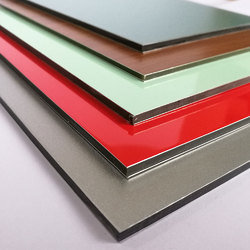
Alucobond and aluminium composite panel systems are popular for contemporary facades because they provide a clean, uniform panel appearance and can be fabricated into different shapes and layouts. They are particularly useful for commercial buildings, offices, retail spaces and architectural feature areas.
Aluminium composite panels can be used to create:
- Corporate facades
- Entrance features
- Canopies
- Column cladding
- Parapet finishes
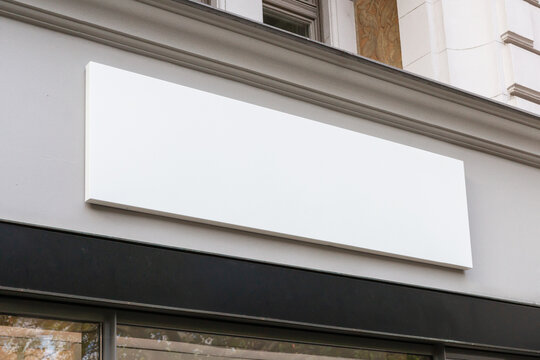
- Signage backgrounds
- Decorative architectural elements
BHD supplies Alucobond sheets in Kenya for suitable architectural applications.
The panel system should be designed with appropriate framing, joints and fixing details rather than treating the sheet as a standalone decorative surface.
What Are the Advantages of Aluminium Composite Facades?
Aluminium composite facades provide a consistent architectural finish, relatively low panel weight and flexibility in colour and fabrication. They can be used to create sharp lines, contrasting sections and contemporary geometric facade designs.
Common advantages include:
- Consistent appearance
- Wide colour selection
- Lightweight panel construction
- Fabrication flexibility
- Clean joint lines
- Easy combination with other materials
- Suitable for contemporary architecture
The performance of the finished facade depends on the complete system, including:
- Panel specification
- Subframe
- Fixings
- Joints
- Sealants
- Flashings
- Installation quality
For larger buildings, the facade should be designed as an engineered system.
How Can You Combine Alucobond With Other Facade Materials?
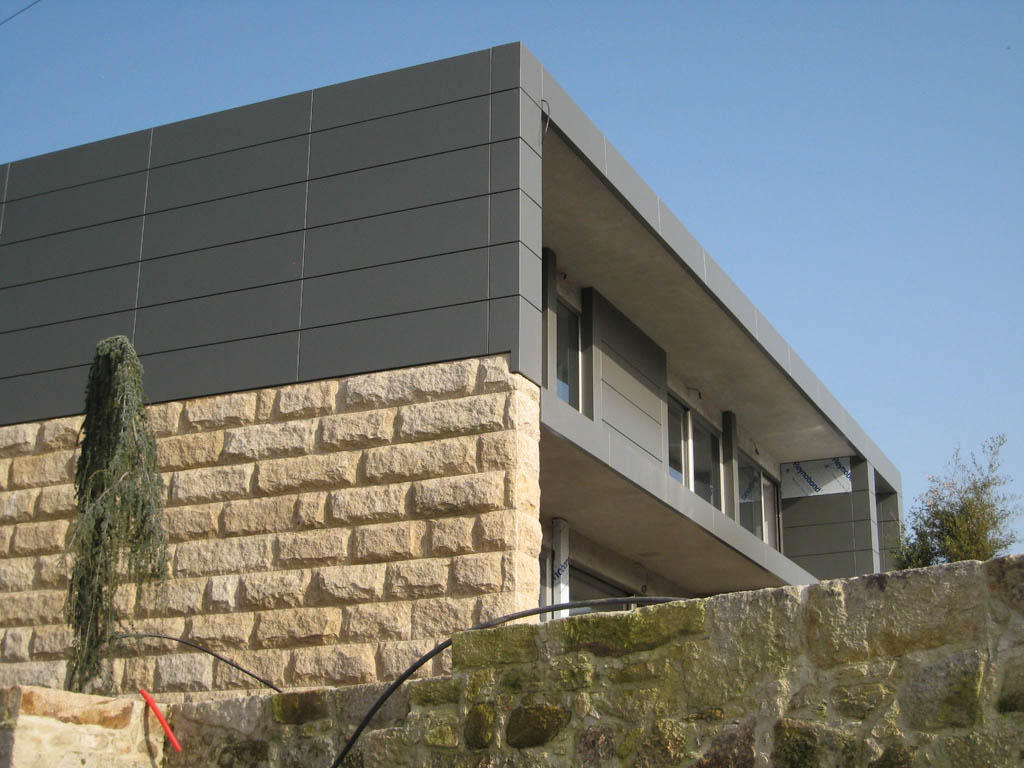
Alucobond becomes more visually effective when combined with contrasting materials such as glazing, textured panels, concrete, stone-look finishes or timber-inspired surfaces. Material contrast can define entrances, upper floors, columns and feature sections without making the entire facade visually busy.
For example:
Alucobond + Glass
Suitable for modern offices and commercial buildings.
Alucobond + Stone-Look Finish
Creates a more substantial and premium appearance.
Alucobond + WPC
Provides contrast between a metallic exterior and a wood-inspired texture.
Alucobond + Concrete
Creates a strong contemporary industrial appearance.
Alucobond + Architectural Lighting
Highlights facade geometry at night.
The combination should remain controlled.
What Are Good Facade Ideas for Modern Kenyan Homes?
Modern residential facades in Kenya can combine simple geometric forms, large windows, textured walls, natural colours, stone-inspired finishes, timber-look accents and controlled exterior lighting. The design should reflect the home's proportions and respond to sun, rain and ventilation requirements.
Popular residential concepts include:
- Flat-roof contemporary forms
- Box-style projections
- Vertical fins
- Large windows
- Balcony features
- Recessed entrances
- Neutral render
- Wood-look accents
- Stone-look feature walls
A residential facade does not need to use expensive materials everywhere.
One carefully selected feature can create the focal point.
What Are the Best Facade Materials for Commercial Buildings?
Commercial facades require materials that combine visual identity with durability, maintenance practicality and compatibility with the building envelope. Aluminium composite panels, glazing, architectural metals, textured finishes and selected stone products are common options.
Commercial applications include:
- Office blocks
- Shopping centres
- Retail stores
- Hotels
- Banks
- Restaurants
- Showrooms
- Apartment developments
The facade should also support the company's brand.
For example, corporate colours can be incorporated through selected cladding sections or signage rather than covering the entire building in a bright colour.
How Does Colour Affect Facade Design?
Facade colour influences how large, modern, warm or prominent a building appears. Neutral colours such as grey, white, beige and charcoal provide versatile foundations, while darker or stronger colours can be used selectively for entrances, frames and architectural accents.
A practical facade palette may contain:
| Main Colour | Accent | Effect |
|---|---|---|
| White | Charcoal | Clean and contemporary |
| Beige | Brown | Warm and residential |
| Grey | Black | Modern and corporate |
| Cream | Wood tone | Natural |
| Charcoal | Metallic | Bold |
| Light grey | Blue | Commercial |
The colour should also be evaluated against sunlight.
A sample viewed indoors may appear different when exposed to strong outdoor light.
How Does Kenya's Climate Affect Facade Materials?
Kenyan facade materials must be selected according to local exposure to UV radiation, rainfall, humidity, dust, temperature variation and wind. Coastal buildings require particular attention to corrosion resistance, while exposed buildings should receive appropriate structural and fixing consideration.
Nairobi and Central Kenya
Important considerations include:
- UV exposure
- Dust
- Rainfall
- Temperature variation
- Cleaning
Coastal Kenya
Mombasa and other coastal areas require additional consideration of:
- Humidity
- Salt-laden air
- Corrosion
- Biological growth
Metal subframes and fasteners should therefore be specified appropriately.
Rift Valley and Exposed Areas
Consider:
- Wind
- Dust
- Temperature variation
- Fixing performance
The facade design must account for the complete building envelope rather than only the visible cladding.
What Are the Best Facade Designs for Nairobi Commercial Buildings?
Nairobi commercial facades benefit from clean architectural lines, strong entrances, controlled glazing, aluminium composite cladding, clear branding and carefully positioned architectural lighting. The facade should communicate the building's purpose without sacrificing practical maintenance.
For an office building, for example, a designer might combine:
- Grey Alucobond
- Clear glazing
- Dark window frames
- A recessed entrance
- Corporate signage
- Vertical fins
- Entrance lighting
For a retail building, larger signage areas and stronger colour contrast may be more appropriate.
How Can You Design a Modern Apartment Facade?
Modern apartment facades can use repetition, balconies, vertical lines, contrasting colours and carefully positioned feature materials to create a consistent appearance across multiple floors. The design should balance individual unit requirements with the visual identity of the entire development.
A typical apartment facade may combine:
- Rendered walls
- Aluminium composite panels
- Glass balcony railings
- Vertical fins
- Textured panels
- Dark window frames
- Exterior lighting
Repetition is important.
If every apartment has a different exterior treatment, the building can quickly look visually disorganised.
Are Textured Wall Panels Suitable for Exterior Facades?
Some architectural wall panels are suitable for exterior applications, but suitability must be confirmed from the manufacturer's technical specifications. Materials designed primarily for interiors should not automatically be installed outdoors.
Before selecting a panel, confirm:
- Exterior suitability
- UV resistance
- Moisture resistance
- Temperature performance
- Fixing requirements
- Fire classification where applicable
- Warranty conditions
BHD provides WPC wall panels, but the specific product should be checked for its intended application before external installation.
What Role Does Glazing Play in Modern Facade Design?
Glazing allows natural daylight and visual connection while giving modern buildings a lighter appearance. However, large glazed areas should be balanced against solar heat gain, glare, privacy and energy requirements.
Large windows can make a building appear contemporary.
But bigger glazing is not automatically better.
Designers should consider:
- Orientation
- Solar exposure
- Shading
- Glass specification
- Ventilation
- Internal heat gain
- Privacy
External shading devices can be useful where direct solar exposure is significant.
How Can Facade Lighting Improve a Building?
Facade lighting can highlight architectural geometry, entrances, textures and signage after dark. The most effective lighting is usually selective rather than excessively bright, with fixtures positioned to emphasise the building's strongest features.
Lighting can be used to highlight:
- Entrance canopies
- Vertical fins
- Cladding joints
- Signage
- Columns
- Textured surfaces
- Rooflines
LED systems are commonly used because they can provide controlled illumination with relatively low energy consumption.
What Is a Good Facade Design for a Small Commercial Building?
A small commercial building can achieve a modern facade through one strong entrance feature, controlled signage, contrasting materials and simple geometry rather than an expensive full-building cladding system. Strategic material placement can create a premium appearance without covering every surface.
For example:
Rendered wall + Alucobond entrance feature + glazing + signage + LED lighting
may create a strong commercial facade.
This approach can also simplify future maintenance.
How Important Is Facade Maintenance?
Facade maintenance protects the appearance and performance of exterior materials by addressing dirt, failed sealants, corrosion, damaged panels, blocked drainage and loose fixings before they become major problems. Maintenance requirements should be considered when selecting the facade system.
A facade maintenance plan should include:
- Cleaning
- Panel inspection
- Seal inspection
- Fastener inspection
- Corrosion checks
- Drainage checks
- Joint inspection
- Paint/coating inspection
- Lighting inspection
Coastal buildings may require more frequent corrosion monitoring.
What Are Common Facade Design Mistakes in Kenya?
Common facade mistakes include selecting materials without considering climate, using too many finishes, ignoring drainage, overlooking maintenance access and choosing exterior products based solely on appearance. A successful facade must perform as well as it looks.
Avoid:
- Mixing too many materials
- Ignoring solar orientation
- Using interior-only materials externally
- Poor drainage detailing
- Inadequate flashing
- Weak fixing systems
- Poorly positioned signage
- Excessive decorative features
- Ignoring maintenance access
The best facade designs normally have a clear visual hierarchy.
What Technical Specifications Should Be Considered for Facade Cladding?
Facade specifications should cover material type, thickness, dimensions, finish, weight, fire performance where applicable, UV exposure, fixing method and subframe requirements. Exact values should be obtained from the manufacturer's technical documentation for the selected product.
| Parameter | What to Confirm |
|---|---|
| Material | Aluminium composite, glazing, panel, etc. |
| Thickness | Manufacturer specification |
| Sheet dimensions | Available panel sizes |
| Finish | Matt, gloss, metallic, textured |
| Weight | kg/m² or product specification |
| UV performance | Exterior suitability |
| Fire classification | Project-specific requirement |
| Subframe | Aluminium/steel system |
| Fixing | Mechanical or approved system |
| Joint design | Expansion and movement |
| Maintenance | Cleaning and inspection requirements |
For structural or high-rise applications, facade design should be reviewed by appropriately qualified professionals.
What Are the Best Modern Facade Materials?
The best facade material depends on the building's function, location, appearance, budget and performance requirements. Aluminium composite panels are versatile for contemporary cladding, while glazing, stone-inspired finishes and other architectural materials provide complementary options.
| Material | Main Strength | Typical Application |
|---|---|---|
| Alucobond/ACP | Clean contemporary finish | Commercial facades |
| Glass | Transparency | Offices and apartments |
| Stone/stone-look finish | Substantial appearance | Residential/commercial |
| WPC | Textured appearance | Selected feature applications |
| Render | Cost-effective coverage | Residential/commercial |
| Metal panels | Modern industrial appearance | Commercial |
| Perspex | Lightweight decorative glazing | Selected features/signage |
The most successful projects often combine two or three materials rather than relying on one material everywhere.
Facade Design Specifications Checklist
Before approving a facade material, the project team should confirm its intended exterior use, dimensions, thickness, finish, fixing system, environmental performance and maintenance requirements. This prevents a visually attractive material from being specified for an unsuitable application.
Use this checklist:
- Exterior-rated product
- Correct thickness
- Appropriate finish
- UV suitability
- Moisture resistance
- Corrosion-resistant fixings
- Compatible subframe
- Correct joint detailing
- Adequate drainage
- Safe maintenance access
- Required fire classification
- Manufacturer warranty
- Installation instructions
Frequently Asked Questions About Facade Design in Kenya
Modern facade design in Kenya combines contemporary materials with practical responses to climate, maintenance and building function. Alucobond, glazing, textured finishes and controlled lighting can create distinctive facades when properly specified and installed.
What is the best facade material in Kenya?
There is no single best material. Alucobond is versatile for contemporary cladding, while glass, stone-inspired finishes, render and other materials can be selected according to the building's requirements.
Are Alucobond facades suitable for Kenyan buildings?
Aluminium composite panels can be used for suitable exterior applications when the correct product, subframe, fixing system and installation details are specified.
What are modern facade design ideas for houses in Kenya?
Popular approaches include clean geometric forms, large windows, neutral colours, vertical features, stone-inspired finishes, wood-look accents and architectural lighting.
How much does facade cladding cost in Kenya?
Costs depend on the material, thickness, dimensions, subframe, fixing system, labour, building height, design complexity and project location.
Is Alucobond better than stone for a facade?
They serve different purposes. Alucobond provides a lightweight contemporary panel appearance, while natural stone provides a heavier and more traditional material character.
Can WPC panels be used outside?
Only products specifically approved for exterior applications should be used outdoors. Always confirm UV, moisture and temperature suitability with the manufacturer.
How do you maintain a modern building facade?
Maintenance normally includes cleaning, checking joints and sealants, inspecting panels and fixings, monitoring corrosion and repairing damage promptly.
Where can I buy Alucobond sheets in Kenya?
You can view Alucobond sheets from BHD or browse the Alucobond catalogue.
Conclusion
The best modern facade design ideas in Kenya combine visual simplicity with materials selected for the building's actual environment and use. Alucobond facades, glazing, textured finishes, architectural lighting and carefully controlled colour combinations can create contemporary buildings while maintaining practical performance.
Before choosing a facade system, consider:
- Building location
- Sun exposure
- Rainfall
- Wind exposure
- Humidity and corrosion
- Maintenance access
- Material weight
- Fixing system
- Drainage
- Long-term appearance
For commercial, residential and architectural projects, BHD supplies a range of construction and finishing materials. You can browse BHD's complete product catalogue or contact BHD for product availability and specifications.
Contact Burhani Hardware Dealers (BHD)
Email: burhanihardwaredealers [at] yahoo.com
Call/WhatsApp: +254 731 217 462 | +254 704 606 131
Visit: BHD, Industrial Area, Funzi Road, Nairobi
Website: https://bhd.co.ke/
Delivery Guarantee:
Same-day delivery within Nairobi.
Next-day delivery countrywide to Nakuru, Kisumu, Mombasa, Eldoret, Thika, Meru, Kitengela and Malindi.
Frequently asked questions

Written & reviewed by
BHD Kenya
Burhani Hardware Dealers (BHD Kenya) is a Nairobi-based supplier of polycarbonate roofing, Alucobond/ACP cladding, Perspex, WPC wall panels and steel products, serving contractors, fabricators and homeowners across Kenya.