
Best Transparent Roofing Materials in Kenya
Quick answer
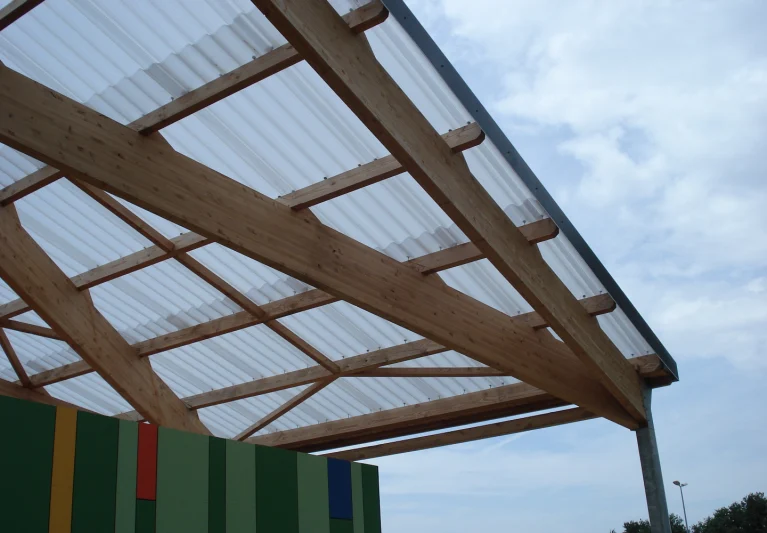
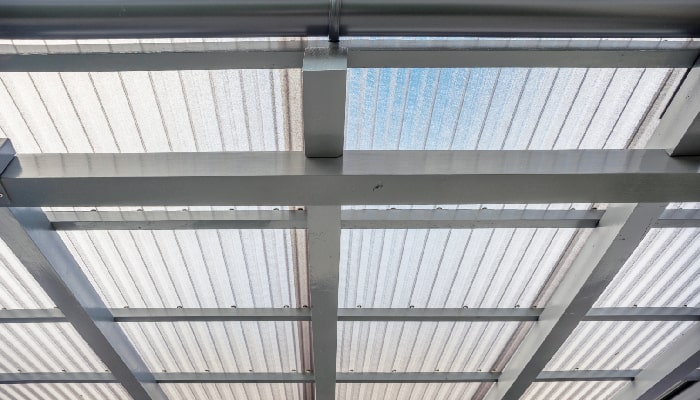
Transparent roofing lets daylight into a space while still keeping out rain. In Kenya the practical options are solid polycarbonate, hollow twinwall or multiwall polycarbonate, and glass. Polycarbonate dominates because it is light, impact resistant and available in clear, tinted and opal finishes for patios, carports, walkways, atriums and warehouse skylights.
Transparent roofing materials allow natural daylight into a building while providing overhead weather protection. In Kenya, polycarbonate is one of the most practical options because solid and hollow sheets can provide high light transmission with lower weight than many conventional glazing systems.
Transparent roofing is used in more applications than traditional skylights. Homes, restaurants, shopping centres, schools, warehouses, carports, patios and walkways can all benefit from controlled natural light.
However, choosing a transparent roofing material is not simply about selecting the clearest sheet.
The material must also suit the building's:
- Roof design
- Exposure to sunlight
- Rainfall
- Wind conditions
- Required privacy
- Thermal requirements
- Maintenance programme
- Budget
- Structural support
For Kenyan projects, the difference between solid and hollow polycarbonate, for example, can significantly affect the finished roof's performance.
What Is the Best Transparent Roofing Material in Kenya?
Polycarbonate is one of the most practical transparent roofing materials for Kenyan applications because it combines light transmission, relatively low weight and impact resistance. Solid polycarbonate is useful where a clear, robust sheet is required, while hollow polycarbonate can provide a lighter roof system with useful thermal properties.
The main materials to consider include:
- Solid polycarbonate
- Hollow polycarbonate
- Glass
- Perspex/acrylic
- Translucent roofing sheets
The best choice depends on the application.
A small residential skylight does not have the same requirements as a large commercial roof incorporating multiple daylight panels.
What Are Transparent Roofing Materials?
Transparent roofing materials are sheets or glazing systems that allow significant amounts of visible light to pass through while protecting an enclosed or semi-enclosed space from weather. Translucent materials diffuse light rather than providing a completely clear view through the roof.
This distinction matters.
Transparent
A transparent material allows relatively clear visibility through the sheet.
Translucent
A translucent material allows light through but scatters it, reducing clear visibility.
For example, a clear polycarbonate skylight can provide direct daylight, while an opaque or diffused sheet can spread light more evenly across a room.
What Is Solid Polycarbonate Roofing?
Solid polycarbonate is a dense, flat polycarbonate sheet that provides a clear or tinted glazing-like appearance. It is suitable for skylights, canopies, partitions and other applications where impact resistance and a relatively clear appearance are important.
Solid polycarbonate is available in different specifications and finishes.
Common applications include:
- Skylights
- Canopies
- Walkways
- Carports
- Architectural glazing
- Entrance covers
BHD supplies solid polycarbonate sheets for suitable applications.
When specifying solid polycarbonate, confirm:
- Thickness
- Sheet dimensions
- Colour
- Light transmission
- UV protection
- Installation requirements
What Is Hollow Polycarbonate Roofing?
Hollow polycarbonate consists of multi-wall sheets with internal air channels that reduce weight and can improve thermal insulation compared with a single solid sheet of similar overall dimensions. It is commonly used for roofing, skylights and structures where daylight and reduced heat transfer are important.
The internal structure is one of the key differences between hollow and solid sheets.
Hollow sheets can provide:
- Lower weight
- Reduced material usage
- Diffused daylight
- Thermal insulation
- Easy handling
BHD provides Egyptian hollow polycarbonate sheets and also has a dedicated hollow polycarbonate catalogue.
Solid vs Hollow Polycarbonate: Which Is Better?
Solid polycarbonate is generally preferred when a clear, dense glazing-like sheet and strong impact performance are priorities, while hollow polycarbonate is useful where low weight and thermal performance are important. Neither is universally better; the correct choice depends on the roof design and application.
| Feature | Solid Polycarbonate | Hollow Polycarbonate |
|---|---|---|
| Construction | Solid sheet | Multi-wall channels |
| Appearance | Clear/tinted | Clear/translucent options |
| Weight | Higher | Lower |
| Thermal performance | Product-dependent | Generally improved by air cavities |
| Impact resistance | High | Product-dependent |
| Typical use | Skylights, canopies | Roofing, skylights |
| Handling | Heavier | Easier |
| Insulation | Product-dependent | Air chambers provide insulation effect |
For a roof where the main requirement is maximum transparency and a solid glazing appearance, solid polycarbonate can be appropriate.
For a larger roof where weight and thermal performance matter, hollow polycarbonate may be more practical.
Why Is Polycarbonate Popular for Skylights?
Polycarbonate is popular for skylights because it can provide daylight while offering a lightweight alternative to conventional glass. Its impact resistance and availability in different configurations also make it suitable for residential, commercial and industrial daylighting applications.
A well-positioned skylight can reduce the need for artificial lighting during daylight hours.
Common applications include:
- Bathrooms
- Stairwells
- Corridors
- Kitchens
- Warehouses
- Workshops
- Shopping areas
- Carports
- Covered walkways
The skylight should be positioned according to the building's lighting and solar requirements.
What Are the Best Materials for Skylights in Kenya?
Polycarbonate and glass are among the main options for skylights in Kenya, with polycarbonate offering lower weight and strong impact performance while glass provides a conventional architectural glazing appearance. The choice should consider light transmission, heat gain, structural support, safety and maintenance.
Polycarbonate
Best suited to:
- Lightweight skylights
- Carports
- Walkways
- Residential roofs
- Commercial daylighting
Glass
Best suited to:
- Premium architectural projects
- Large glazed areas
- Projects requiring conventional glazing systems
Perspex
Can be considered for:
- Smaller architectural features
- Decorative glazing
- Selected lightweight applications
BHD supplies Perspex sheets for suitable applications.
Can Transparent Roofing Be Used on Kenyan Homes?
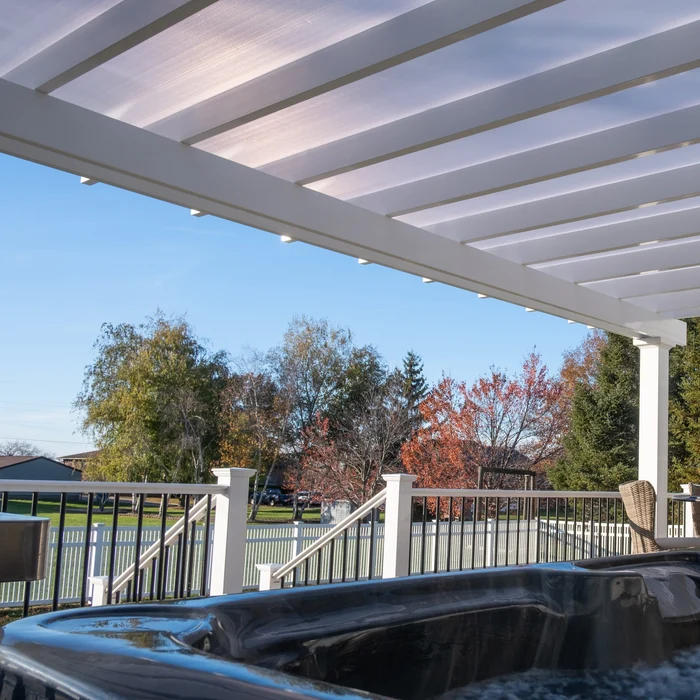
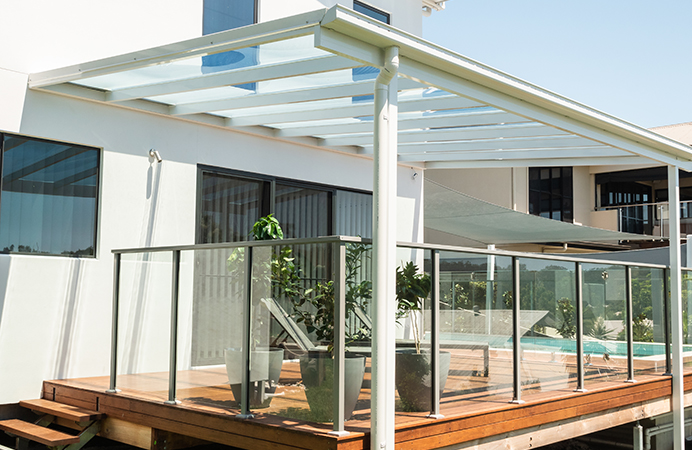
Yes, transparent and translucent roofing can be used on Kenyan homes to introduce daylight into patios, verandas, carports, kitchens, corridors and other areas. The material should be selected according to sunlight exposure, heat management, privacy and the intended roof structure.
Residential applications include:
- Patio roofs
- Pergolas
- Carports
- Skylights
- Verandas
- Walkways
- Outdoor kitchens
Transparent roofing can make a covered outdoor space brighter without completely enclosing it.
However, excessive clear roofing can increase solar heat gain.
This is why colour, tint, orientation and roof design matter.
Is Transparent Roofing Suitable for Carports?
Transparent polycarbonate is particularly useful for carports because it provides weather protection while allowing daylight into the parking area. The roof design should provide adequate slope, drainage and structural support for local wind and rainfall conditions.
A carport roof may use:
- Solid polycarbonate
- Hollow polycarbonate
- Combination opaque and transparent panels
For example, transparent panels can be concentrated over the parking area while opaque sections provide additional shade.
The supporting frame may incorporate steel sections such as square hollow sections depending on the engineering design.
How Much Natural Light Does Transparent Roofing Provide?
The amount of daylight entering through transparent roofing depends on the material's light-transmission rating, colour, thickness, surface condition, roof orientation and surrounding structures. A clear sheet generally transmits more direct light than a tinted or heavily diffused product.
Light transmission can be affected by:
- Sheet colour
- Tint
- Thickness
- Surface dirt
- Internal structure
- Roof angle
- Surrounding buildings
A contractor should therefore use the manufacturer's technical data rather than judging performance by appearance alone.
Does Transparent Roofing Make a Building Hot?
Transparent roofing can increase solar heat gain because sunlight passes through the roof, but the amount depends on the material, tint, UV and solar-control properties, roof orientation and ventilation. Hollow polycarbonate can provide useful thermal insulation compared with some single-layer transparent roofing systems.
Heat management can include:
- Selecting appropriate sheet colour
- Using multi-wall polycarbonate
- Providing ventilation
- Combining transparent and opaque roof sections
- Using shading
- Considering roof orientation
In Nairobi, strong sunlight makes this an important design consideration.
A roof designed only for maximum daylight may become uncomfortable if heat gain is not controlled.
Does Polycarbonate Roofing Block UV Rays?
Many polycarbonate roofing products are manufactured with UV-protective layers or treatments, but the exact level of protection varies by product. Buyers should confirm UV specifications and installation orientation from the manufacturer's technical documentation.
UV protection can help:
- Extend sheet performance
- Reduce material degradation
- Protect the roofing surface
- Improve long-term appearance
Do not assume that every transparent plastic sheet has the same UV performance.
Always check the product specification.
How Does Kenya's Climate Affect Transparent Roofing?
Kenyan transparent roofing must account for strong sunlight, seasonal rainfall, temperature variation and local wind conditions. Coastal installations require additional attention to humidity and corrosion of the supporting frame and fixings.
Nairobi and Central Kenya
Consider:
- Strong UV exposure
- Temperature variation
- Dust
- Heavy seasonal rainfall
- Cleaning
Mombasa and Coastal Areas
Consider:
- High humidity
- Salt-laden air
- Corrosion
- Moisture
The transparent sheet itself may not be the main corrosion concern.
The supporting steel or aluminium structure, fasteners and other metal components also require appropriate specification.
Rift Valley
Consider:
- Wind exposure
- Temperature changes
- Dust
- Rainfall
The fixing system should be designed for the project's actual conditions.
What Roof Pitch Is Suitable for Transparent Roofing?
Transparent roofing should be installed with sufficient slope to allow rainwater to drain effectively and prevent prolonged water accumulation. The required minimum pitch depends on the specific roofing product and installation system, so the manufacturer's instructions should be followed.
Roof pitch affects:
- Water drainage
- Dirt accumulation
- Leakage risk
- Joint performance
- Cleaning
- Long-term maintenance
Avoid selecting a roof pitch based only on appearance.
For large or unusual structures, the design should be reviewed by an appropriately qualified professional.
How Should Transparent Roofing Sheets Be Supported?
Transparent roofing sheets require a properly designed supporting structure with correctly spaced purlins, rafters or other supports. Fixing spacing and support requirements depend on sheet type, thickness, span, wind exposure and manufacturer specifications.
Supporting structures may use:
- Steel hollow sections
- Zed purlins
- Aluminium framing
- Timber framing where appropriate
BHD supplies Zed purlins and other steel products that may be used in suitable roofing structures.
The structure should not be designed simply by copying fixing distances from another roofing material.
What Are the Advantages of Transparent Roofing?
Transparent roofing provides daylight, reduces dependence on artificial lighting during daytime and can make covered spaces feel more open. Polycarbonate options also offer relatively low weight and useful impact resistance for many applications.
Key benefits include:
- Natural daylight
- Reduced daytime lighting requirements
- Lightweight construction
- Modern appearance
- Design flexibility
- Suitable for indoor and semi-outdoor areas
- Available in clear and tinted options
The benefits depend on selecting the correct product.
What Are the Disadvantages of Transparent Roofing?
Transparent roofing can increase solar heat gain, show dirt more visibly and require careful installation to prevent leaks around joints and fixings. Some transparent materials can also scratch or become cloudy if cleaned or handled incorrectly.
Potential challenges include:
- Heat gain
- Dirt visibility
- Scratching
- Expansion and contraction
- Leakage if poorly installed
- Sealant deterioration
- Maintenance requirements
These risks can be managed through appropriate material selection and installation.
How Do You Maintain Transparent Roofing?
Transparent roofing should be cleaned periodically with suitable non-abrasive methods and inspected for cracks, loose fixings, damaged seals, dirt buildup and blocked drainage. Maintenance frequency depends on the location, roof exposure and surrounding environment.
A maintenance inspection should check:
- Sheet condition
- Fixing points
- Washers
- Sealants
- Flashings
- Gutters
- Roof debris
- Algae or biological growth
- Frame corrosion
BHD also supplies PVC gutters for suitable rainwater management applications.
Coastal buildings may require more frequent inspection of metal components because of humidity and salt exposure.
Can Transparent Roofing Be Combined With Opaque Roofing?
Yes, combining transparent and opaque roofing is often a practical way to balance daylight and solar protection. Transparent panels can be positioned where daylight is most useful while opaque sections provide shade and reduce heat gain.
For example:
Opaque roof + central polycarbonate strip
can provide daylight to a warehouse without turning the entire roof into a solar-exposed surface.
Similarly:
Opaque carport roof + transparent edge panels
can create controlled daylight while maintaining shade.
This approach can also reduce material costs.
What Transparent Roofing Is Best for Commercial Buildings?
Commercial buildings can use solid or hollow polycarbonate, glass or other approved translucent systems depending on the building's daylighting, thermal, structural and maintenance requirements. Large installations require careful coordination between the roofing system and supporting structure.
Applications include:
- Warehouses
- Shopping centres
- Restaurants
- Schools
- Workshops
- Industrial facilities
- Office buildings
- Covered walkways
For larger commercial structures, specifications should consider:
- Structural loading
- Wind loads
- Fire requirements
- Thermal performance
- Drainage
- Maintenance access
- Product warranty
Transparent Roofing Specifications to Check
Before purchasing transparent roofing sheets, confirm the material type, thickness, dimensions, light transmission, UV protection, weight, thermal characteristics and installation requirements. The exact specification should come from the selected manufacturer's technical documentation.
| Parameter | What to Check |
|---|---|
| Material | Solid or hollow polycarbonate, glass, acrylic |
| Thickness | Product-specific |
| Sheet length | Available sizes |
| Sheet width | Available sizes |
| Light transmission | Manufacturer rating |
| UV protection | Confirm product specification |
| Weight | kg/m² |
| Colour | Clear, bronze, opal, tinted, etc. |
| Thermal performance | Product-specific |
| Support spacing | Manufacturer recommendation |
| Fixing system | Approved fasteners and washers |
| Roof pitch | Manufacturer requirement |
| Warranty | Confirm supplier/manufacturer terms |
Do not use estimated technical figures when preparing a construction specification.
The product's current technical data should take precedence.
Transparent Roofing Material Comparison
Solid polycarbonate is a strong option for clear, impact-resistant applications, while hollow polycarbonate is useful where lower weight and thermal insulation are important. Glass offers a premium glazing solution, while Perspex can serve selected lightweight architectural applications.
| Material | Main Advantage | Main Consideration | Typical Use |
|---|---|---|---|
| Solid Polycarbonate | Impact resistance | Higher weight than hollow sheets | Skylights, canopies |
| Hollow Polycarbonate | Lightweight and insulating | Internal channels require proper detailing | Roofing, skylights |
| Glass | Premium glazing appearance | Higher weight and specialist installation | Architectural skylights |
| Perspex | Lightweight and fabricatable | Scratch sensitivity | Selected glazing/features |
| Translucent Sheets | Diffused daylight | Lower visibility | Daylighting applications |
Frequently Asked Questions About Transparent Roofing in Kenya
The right transparent roofing material depends on the balance between daylight, impact resistance, heat control, weight, appearance and maintenance. Polycarbonate is a versatile choice, but the specific product should be matched to the roof design and environmental conditions.
What is the best transparent roofing material in Kenya?
Polycarbonate is one of the most practical options for many Kenyan applications. Solid and hollow varieties can be selected according to the required transparency, weight, thermal performance and application.
Are polycarbonate sheets good for roofing?
Yes. Polycarbonate sheets are commonly used for skylights, canopies, carports, walkways and selected roofing applications where natural light and impact resistance are required.
What is the difference between solid and hollow polycarbonate?
Solid polycarbonate is a dense sheet, while hollow polycarbonate has internal air channels. Hollow sheets are generally lighter and can provide useful thermal insulation.
Can transparent roofing be used for a carport?
Yes. Polycarbonate is suitable for many carport designs because it provides weather protection while allowing daylight into the covered area.
Does transparent roofing make a room hot?
It can increase solar heat gain. Product selection, tint, roof orientation, ventilation and the use of multi-wall sheets can help manage heat.
How long does polycarbonate roofing last?
Service life depends on the product specification, UV protection, installation, exposure and maintenance. Always check the manufacturer's stated service-life or warranty information for the specific sheet.
Can transparent roofing be used in Mombasa?
Yes, but coastal projects should pay particular attention to humidity, salt exposure and corrosion-resistant supporting components and fixings.
Where can I buy polycarbonate roofing sheets in Kenya?
You can browse BHD's polycarbonate roofing range or view specific solid polycarbonate sheets and hollow polycarbonate sheets.
Conclusion
Transparent roofing can bring useful natural light into Kenyan homes, businesses and outdoor structures without requiring an entirely glazed roof. Polycarbonate, particularly solid and hollow configurations, provides versatile options, but the final selection should consider heat, UV exposure, drainage, structural support and local climate.
Before ordering transparent roofing, confirm:
- Material type
- Thickness
- Sheet dimensions
- Light transmission
- UV protection
- Thermal performance
- Roof pitch
- Support spacing
- Fixing requirements
- Drainage
- Maintenance requirements
- Warranty
For transparent roofing, skylight and architectural projects, browse the BHD catalogue to compare available construction and architectural materials.
Contact Burhani Hardware Dealers (BHD)
Email: burhanihardwaredealers [at] yahoo.com
Call/WhatsApp: +254 731 217 462 | +254 704 606 131
Visit: BHD, Industrial Area, Funzi Road, Nairobi
Website: https://bhd.co.ke/
Delivery Guarantee:
Same-day delivery within Nairobi.
Next-day delivery countrywide to Nakuru, Kisumu, Mombasa, Eldoret, Thika, Meru, Kitengela and Malindi.
Frequently asked questions
Written & reviewed by
BHD Kenya
Burhani Hardware Dealers (BHD Kenya) is a Nairobi-based supplier of polycarbonate roofing, Alucobond/ACP cladding, Perspex, WPC wall panels and steel products, serving contractors, fabricators and homeowners across Kenya.