
Steel Products
High-quality steel products for construction and industrial projects in Kenya. Durable, strong, and reliable materials for building and structural applications.
Products
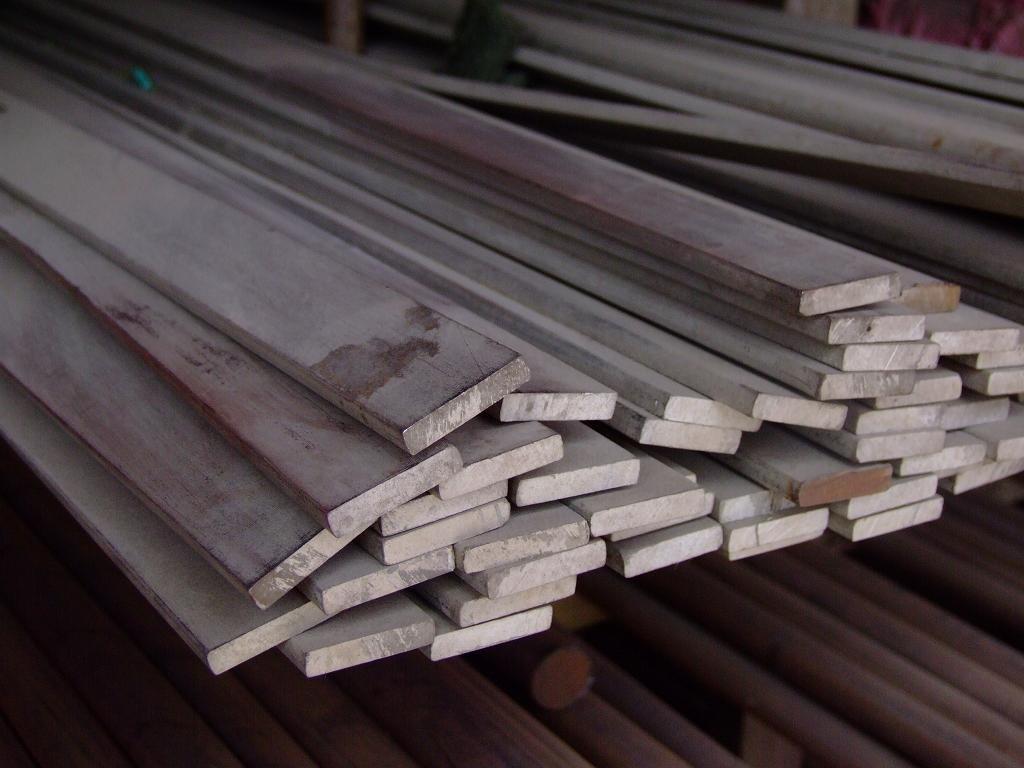
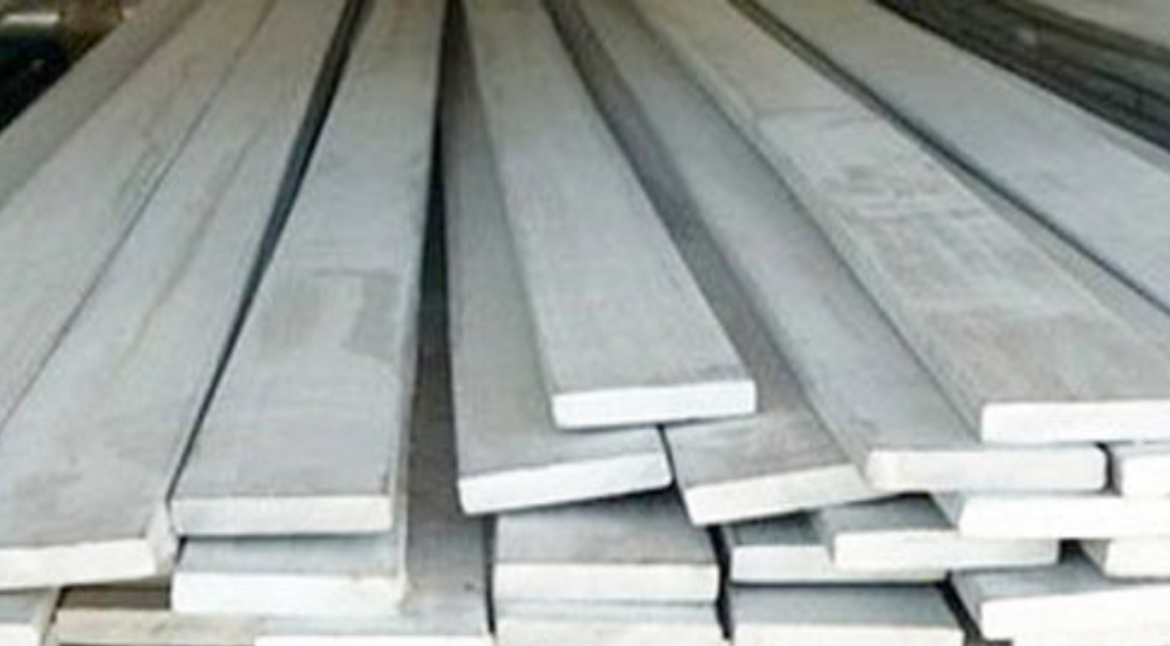
MS Flat Bars
MS Flat Bars — MS Flat Bars are rectangular-cross-section mild steel bars used for fabrication, framing, and general metalwork. In Kenya they are a universal workshop consumable — essential for gate frames, window grills, bracket fabrication, stiffener strips, and virtually every kind of light steel fabrication.
Binding Wire
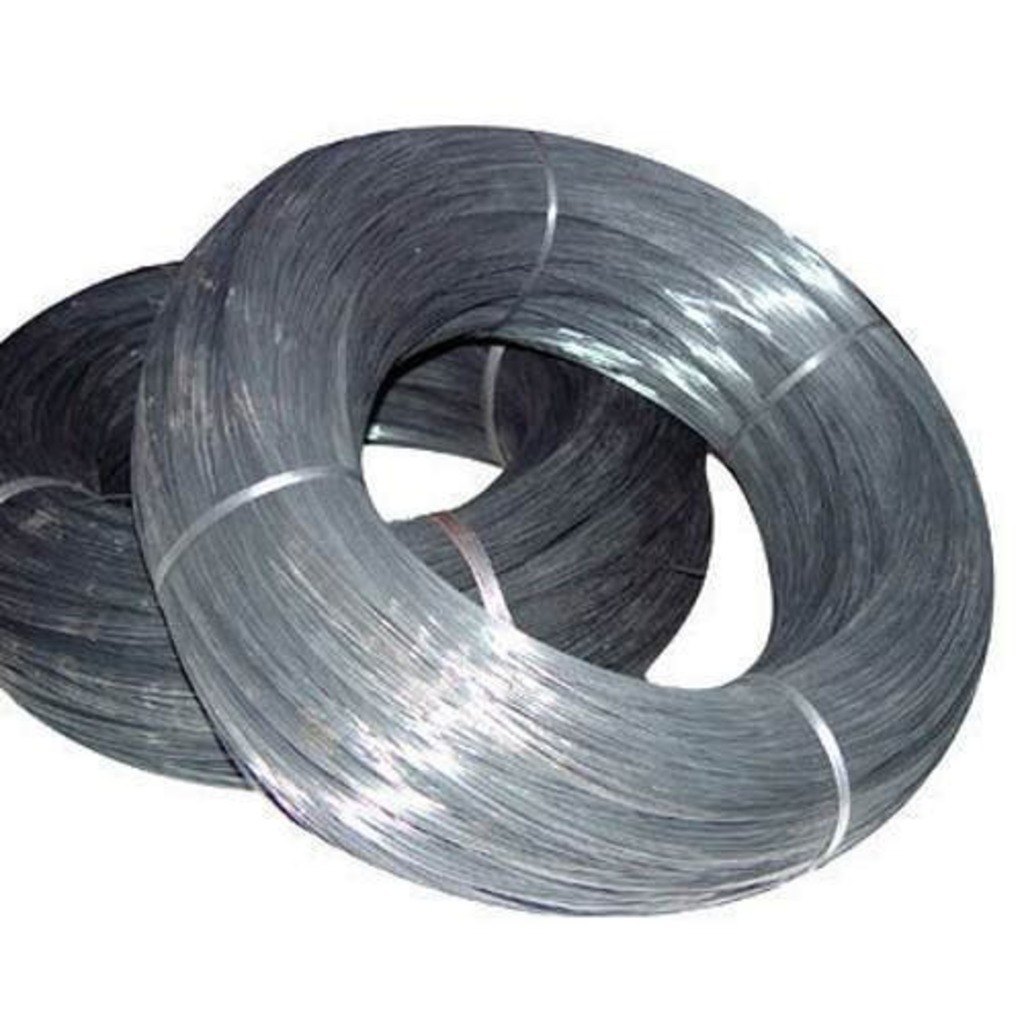
Binding Wire — Binding Wire is soft annealed mild steel wire used to tie reinforcement bars together on construction sites. In Kenya, 16-gauge black annealed binding wire is the standard material for tying TMT rebar in columns, beams, slabs, and foundations — an essential consumable for every reinforced concrete project.
HR Channel
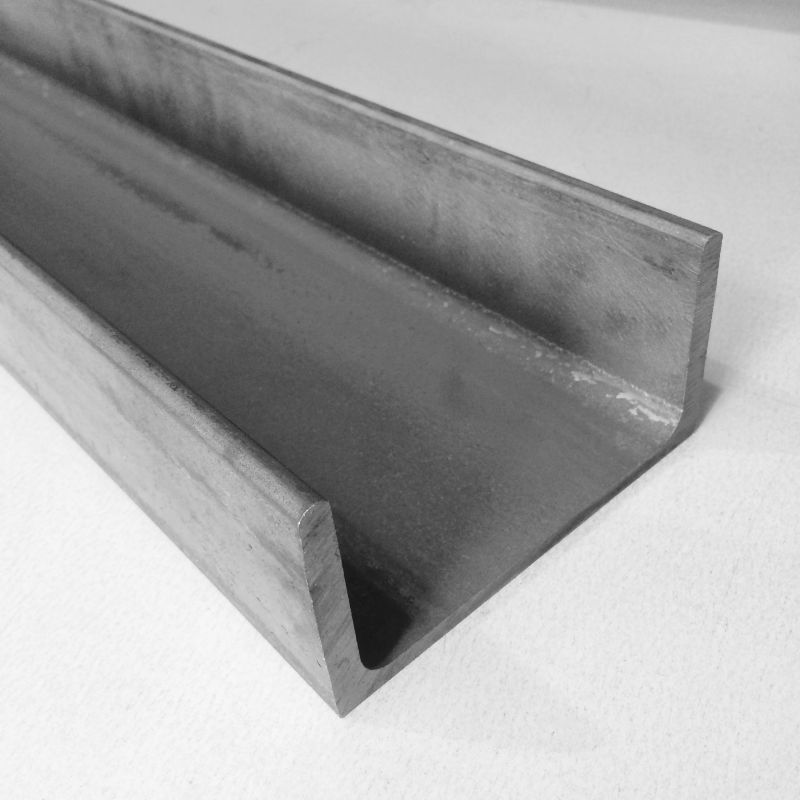
HR Channel — HR Channel is a hot-rolled structural steel section with a U or C-shaped profile used for beams, columns, bracing, and industrial fabrication. In Kenya, HR Channel is specified for warehouse framing, industrial plant support, vehicle chassis, and fabricated structural connections where flanged support is required.
HR Beams
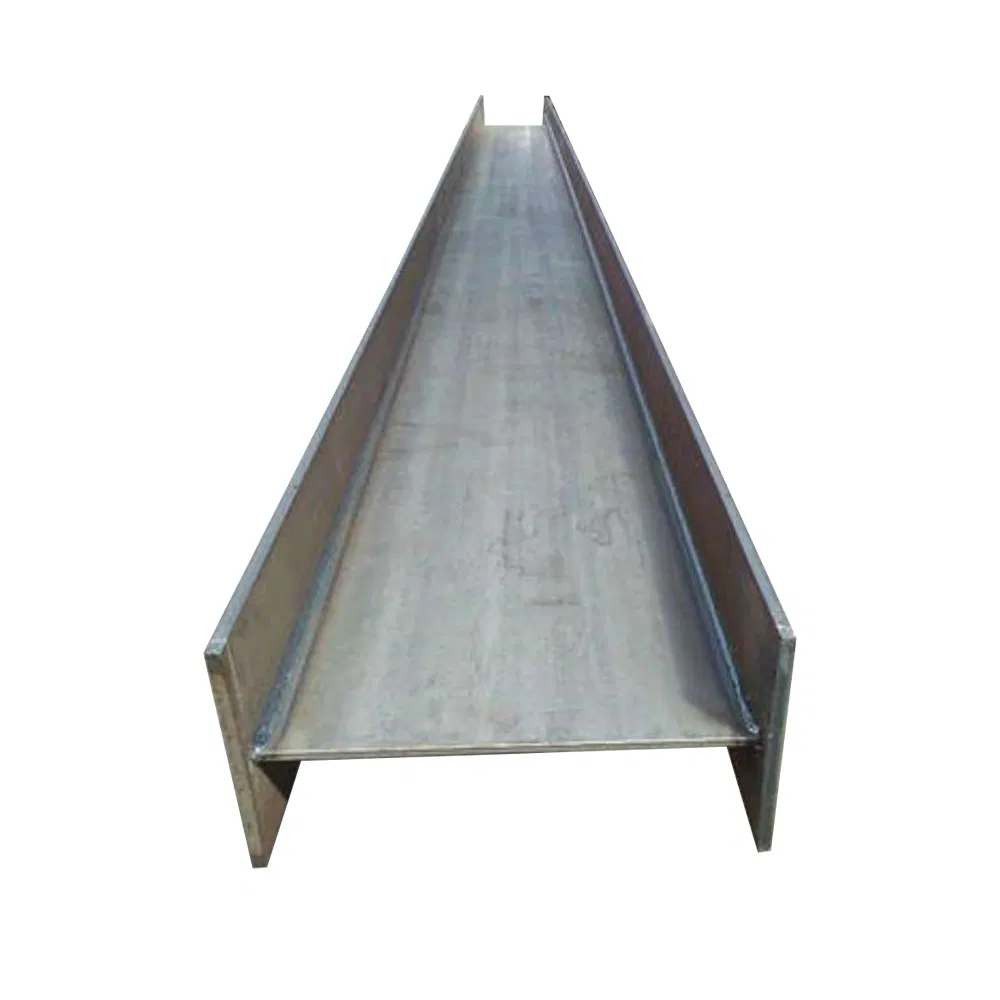
HR Beams — HR Beams are hot-rolled structural steel I-beams and H-beams used as primary load-bearing members in commercial, industrial, and infrastructure construction. In Kenya they are the backbone of multi-storey buildings, warehouses, factories, and bridges — delivering maximum strength-to-weight efficiency for spanning and column applications.

RECTANGULAR HOLLOW SECTION (RHS)
RECTANGULAR HOLLOW SECTION (RHS) — Rectangular Hollow Section (RHS) is a welded rectangular steel tube used for structural beams, columns, window frames, and architectural fabrications. In Kenya, RHS is specified for applications where unequal strength in two directions is required — such as beams in bending and wide-span frames.

Circular Hollow Section CHS 16mm to 76mm
Circular Hollow Section CHS 16mm to 76mm — CHS 16mm to 76mm is a range of small-diameter welded round steel tubes used for fencing, handrails, gates, furniture, hydraulic lines, and light structural fabrication. In Kenya this size range is the most widely used for residential metalwork, workshop fabrication, and decorative steel applications.

TMT BARS
TMT BARS — TMT Bars (Thermo-Mechanically Treated Bars) are high-tensile deformed steel reinforcement bars used in reinforced concrete construction. In Kenya, TMT bars are the mandatory reinforcement standard for residential, commercial, and infrastructure projects under the National Building Code (2024) — delivering superior yield strength, ductility, and earthquake resistance.

MS ZED BARS
MS ZED BARS — MS Zed Bars are lightweight Z-shaped mild steel sections used for residential roofing purlins, wall framing, and small-structure support. In Kenya they are the budget-friendly alternative to full Zed Purlins for residential and small-commercial roof framing where lower spans and lighter loading apply.

MS TEE
MS TEE — MS Tee sections are T-shaped mild steel profiles used for structural framing, stiffeners, brackets, and decorative fabrications. In Kenya they are specified for gate frames, window grills, decorative metalwork, stiffener ribs, and lightweight structural support where a flanged T profile is required.

MS ANGLE
MS ANGLE — MS Angle (angle iron) is an L-shaped mild steel profile used for frames, brackets, supports, towers, and structural reinforcement. In Kenya it is one of the most widely specified structural members for gate frames, window grills, bed frames, tower legs, and general fabrication across every sector.

CIRCULAR HOLLOW SECTION (CHS)
CIRCULAR HOLLOW SECTION (CHS) — Circular Hollow Section (CHS) is a welded round structural steel tube used for columns, trusses, handrails, fencing, and architectural frames. In Kenya, CHS is specified for its equal strength in all directions, clean aesthetic, and efficiency in compression — making it the preferred choice for columns and trussed structures.

MS Plates
MS PLATES — MS Plates are hot-rolled mild steel plates supplied in thicknesses from 3mm to 25mm+ for structural, fabrication, and industrial applications. In Kenya they are the core raw material for trailer bodies, fabricated tanks, gussets, machine bases, base plates, and heavy-duty structural fabrication.

SQUARE HOLLOW SECTION (SHS)
SQUARE HOLLOW SECTION (SHS) — Square Hollow Section (SHS) is a welded square steel tube used for structural columns, beams, trusses, fencing, and fabricated frames. In Kenya, SHS is the preferred structural member for gates, car ports, verandas, warehouse columns, and light commercial buildings where strength and clean aesthetics are required.

CHEQUERED PLATES
CHEQUERED PLATES — Chequered Plates are mild steel plates with a raised diamond or teardrop pattern providing anti-slip traction. In Kenya they are the standard material for industrial flooring, vehicle ramps, stair treads, walkway covers, and trailer beds where safety underfoot and load-bearing strength are critical.

ZED PURLINS
ZED PURLINS — Zed Purlins are cold-formed Z-shaped galvanised steel sections used as secondary roof and wall framing. In Kenya they are the structural backbone supporting roof cladding on warehouses, factories, commercial buildings, and agricultural structures where spans, strength, and fast installation matter.
Steel Products in Kenya – High-Quality Steel for Construction & Industrial Use
Looking for premium steel products in Kenya? BHD Kenya supplies a wide range of steel materials for construction, fabrication, and industrial applications. Our high-strength steel pipes, sheets, bars, and beams ensure durability, reliability, and structural integrity for all your projects.
Our Steel Products:
✔ Steel Pipes – Ideal for plumbing, gas distribution, and fencing
✔ Steel Sheets & Plates – Perfect for roofing, cladding, and industrial use
✔ Steel Bars & Rods – Reinforcement bars for construction projects
✔ Steel Beams & Angles – Structural steel for heavy-duty applications
Why Choose BHD Kenya?
High-Quality Steel – Durable, corrosion-resistant, and industry-certified
Wide Selection – Various sizes, thicknesses, and types available
Competitive Prices – Affordable rates for bulk and retail purchases
Reliable Supply – Fast delivery across Nairobi and Kenya
Visit us today for the best steel products in Kenya! Contact us for quotes and orders.
Website: BHD Kenya Steel Products
Need Steel Products?
Contact us for pricing, specifications, and delivery options across Kenya.