

Cladding Materials Kenya: 2026 Guide to Uses, Prices & Specs | BHD Kenya
Quick answer
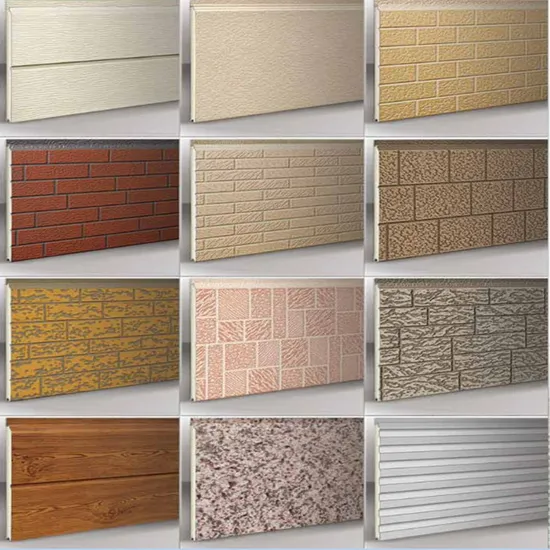
Cladding is the outer skin fixed to a building's structure to shed weather, control heat and set its appearance. In Kenya the common choices are Alucobond aluminium composite panels, profiled or coated steel, WPC boards and stone or tile finishes. Cost depends on panel type, thickness, coating and the sub-frame behind it.
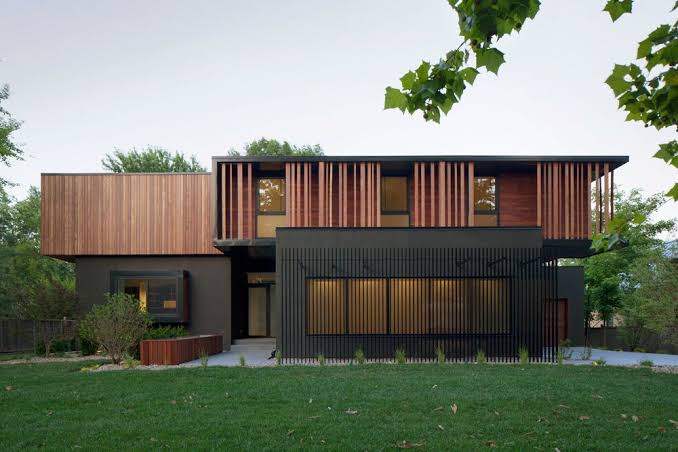
Cladding materials in Kenya are external façade systems used to protect buildings while enhancing architectural appearance and thermal performance. The right cladding choice directly affects durability, maintenance cost, and compliance with Kenya’s evolving construction standards. In commercial developments, materials like Alucobond, steel, and WPC dominate due to their balance of strength, aesthetics, and climate adaptability.
Cladding in Kenya is no longer purely decorative—it is a performance layer. From Nairobi’s high-altitude UV exposure to Mombasa’s coastal humidity and salt corrosion, material selection must be engineered, not assumed. Developers increasingly rely on suppliers such as Burhani Hardware Dealers (BHD) for integrated structural and façade systems delivered under tight project timelines.
Explore full product categories here:
- https://bhd.co.ke/catalog/steel-products-in-kenya/
- https://bhd.co.ke/catalog/alucobond-sheets/
- https://bhd.co.ke/catalog/wpc-wall-panels/
- https://bhd.co.ke/catalog/polycarbonate-sheets/
What Are Cladding Materials in Modern Kenyan Construction
Cladding materials are external envelope systems fixed to a building’s structural frame to provide weather protection, insulation, and aesthetic finishing. They do not carry structural loads but significantly influence building performance and lifecycle cost. In Kenya, cladding systems must withstand high UV exposure, heavy rainfall cycles, and coastal corrosion zones.
Modern commercial projects in Nairobi, Kisumu, and Mombasa use cladding not only for appearance but also for energy efficiency and compliance with the National Building Code 2024. Materials are selected based on fire resistance, thermal expansion behavior, and long-term maintenance demands.
For developers sourcing materials at scale, BHD provides coordinated supply through:
https://bhd.co.ke/catalog/
Alucobond Cladding Panels in Kenya
Alucobond panels are aluminium composite sheets designed for high-end commercial façades requiring a sleek, modern appearance and long-term durability. They are lightweight, corrosion-resistant, and ideal for urban commercial buildings in Nairobi and coastal developments in Mombasa. Their key advantage is architectural flexibility combined with low maintenance requirements.
Alucobond is widely used in shopping malls, office towers, and institutional buildings where branding and façade identity matter. The panels resist UV degradation and can be fabricated into curved or flat designs, making them highly versatile.
BHD supplies Alucobond through verified catalog systems:
- https://bhd.co.ke/catalog/alucobond-sheets/
- https://bhd.co.ke/product/alucobond-sheets-in-kenya/
- https://bhd.co.ke/product/alucobond-sheets/
In Kenyan conditions, Alucobond performs exceptionally well in urban pollution zones due to its protective coating system, which reduces surface degradation.
Steel Cladding Systems in Kenya
Steel cladding systems in Kenya are heavy-duty façade solutions used in industrial buildings, warehouses, and structural commercial projects requiring maximum durability. They offer superior impact resistance and are ideal for high-load environments such as logistics hubs and manufacturing plants. However, they require proper corrosion protection, especially in coastal regions like Mombasa.
Steel cladding is often fabricated using structural profiles such as SHS, RHS, MS flats, and Zed purlins to form a complete envelope system.
Key BHD structural steel products used in cladding systems include:
- https://bhd.co.ke/product/square-hollow-section-shs/
- https://bhd.co.ke/product/rectangular-hollow-section-rhs/
- https://bhd.co.ke/product/zed-purlins/
- https://bhd.co.ke/product/ms-flat-bars/
- https://bhd.co.ke/product/hr-beams/
Steel cladding systems are particularly effective in Nairobi’s industrial zones due to lower corrosion risk compared to coastal regions. Protective coatings such as galvanization are critical for extending service life under Kenyan weather cycles.
WPC Wall Panels for Modern Commercial Buildings
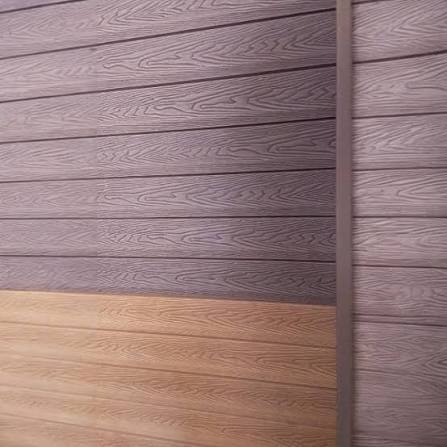
WPC (Wood Plastic Composite) wall panels are hybrid cladding materials combining natural fiber aesthetics with polymer durability for low-maintenance architectural finishes. They are increasingly used in modern Kenyan commercial interiors and semi-exterior façades due to their moisture resistance and wood-like appearance. WPC is ideal for projects seeking aesthetic warmth without the maintenance burden of natural timber.
In Kenya, WPC performs well in controlled environments such as office interiors, hospitality spaces, and retail storefronts. It resists warping under humidity, making it suitable for coastal and high-moisture zones.
BHD supplies WPC through specialized catalog access:
https://bhd.co.ke/catalog/wpc-wall-panels/
Compared to steel and Alucobond, WPC is not typically used for full external façades but excels in decorative architectural layering and interior façade transitions.
Cost, Durability, and Climate Performance Comparison in Kenya
Cladding material selection in Kenya depends heavily on lifecycle cost, environmental exposure, and maintenance capacity rather than just upfront pricing. Alucobond offers the best balance of aesthetics and durability, steel provides structural strength, and WPC offers cost-effective design flexibility. Climate exposure zones (coastal vs inland Kenya) significantly influence performance outcomes.
Kenya-specific performance considerations:
- Nairobi (High altitude, UV exposure): Alucobond performs best due to UV stability
- Mombasa (Humidity + salt air): Steel requires coating; Alucobond preferred
- Kisumu (High humidity): WPC and coated steel perform well
For procurement and pricing comparison:
https://bhd.co.ke/catalog/perspex-sheets/
https://bhd.co.ke/catalog/polycarbonate-sheets/
https://bhd.co.ke/catalog/steel-products-in-kenya/
Installation Considerations and Site Logistics in Kenya
Cladding installation in Kenya is heavily influenced by logistics efficiency, fabrication precision, and on-site handling constraints. Urban projects in Nairobi require rapid delivery cycles, while upcountry projects depend on consolidated shipments and structural readiness. Material handling and sequencing directly affect project timelines and labor costs.
BHD supports construction logistics through coordinated supply chains with delivery coverage such as:
- Same-day Nairobi deliveries
- Next-day delivery to Kisumu, Nakuru, Eldoret, Thika, and Mombasa corridor
Key installation considerations:
- Steel cladding requires welding and bolting precision
- Alucobond requires frame alignment accuracy
- WPC requires controlled expansion spacing
Supporting products often used in installation systems include:
https://bhd.co.ke/product/ladders/
https://bhd.co.ke/catalog/pipes/
https://bhd.co.ke/product/pvc-gutters/
Specifications Table for Steel Cladding Components
Steel cladding components in Kenya are standardized based on thickness, weight, and section geometry to ensure structural consistency and load distribution. Correct specification selection reduces fabrication waste and improves installation speed. These parameters are critical for compliance with KEBS structural guidelines.
| Material Type | Gauge/Thickness | Standard Size | Weight per Meter | Pieces per Tonne |
|---|---|---|---|---|
| SHS Steel | 2.0–6.0 mm | 50x50 to 150x150 mm | 2.3–18.5 kg/m | 55–430 pcs |
| RHS Steel | 2.0–6.0 mm | 100x50 to 200x100 mm | 3.1–20.2 kg/m | 50–320 pcs |
| MS Flat Bars | 3–12 mm | 25–100 mm width | 0.6–7.5 kg/m | 130–1650 pcs |
| Zed Purlins | 1.5–3.0 mm | Custom lengths | 1.2–4.5 kg/m | 220–800 pcs |
| HR Beams | 6–20 mm | Standard beam profiles | 8–45 kg/m | 20–120 pcs |
For structural steel procurement:
https://bhd.co.ke/product/square-hollow-section-shs/
https://bhd.co.ke/product/hr-beams/
https://bhd.co.ke/product/zed-purlins/
Compliance with KEBS Standards and Building Code 2024
All cladding materials used in Kenya must comply with KEBS standards and the National Building Code 2024 for fire safety, structural integrity, and environmental performance. Non-compliant materials increase legal, financial, and structural risk for developers and contractors. Approved materials must meet defined thresholds for load resistance, corrosion protection, and fire rating classification.
Key compliance requirements:
- Fire resistance rating for commercial façades
- Wind load tolerance for high-rise buildings
- Corrosion resistance in coastal zones
- Certified structural steel grades under KEBS KS 02-17
BHD ensures compliance-ready sourcing across categories:
https://bhd.co.ke/why-bhd-kenya-is-the-leading-supplier-of-construction-materials-kenya/
https://bhd.co.ke/catalog/steel-products-in-kenya/
Choosing the Best Cladding Material for Commercial Projects
The best cladding material in Kenya depends on project type, location, budget, and maintenance expectations rather than a universal standard. Alucobond is optimal for modern commercial façades, steel is best for industrial strength applications, and WPC is ideal for interior architectural finishes. A hybrid approach is often the most efficient strategy for large-scale developments.
Recommended selection logic:
- High-end commercial buildings → Alucobond
- Industrial warehouses → Steel cladding systems
- Interior architectural design → WPC panels
For full material sourcing and technical support:
https://bhd.co.ke/
Final Summary
Kenya’s construction industry is rapidly shifting toward performance-based material selection. Developers are no longer choosing cladding based on appearance alone but on climate resilience, lifecycle cost, and compliance with modern building codes. Alucobond, steel, and WPC each serve distinct but complementary roles in this ecosystem, enabling flexible architectural design across commercial and industrial sectors.
Call to Action (MANDATORY)
Contact Burhani Hardware Dealers (BHD)
burhanihardwaredealers [at] yahoo.com
Call/WhatsApp: +254 731 217 462 | +254 790 545 205
Visit: BHD, Industrial Area, Funzi Road, Nairobi
Website: https://bhd.co.ke/
Delivery Guarantee:
Same-day delivery within Nairobi.
Next-day delivery countrywide to Nakuru, Kisumu, Mombasa, Eldoret, Thika, Meru, Kitengela, Malindi.
Frequently asked questions

Written & reviewed by
BHD Kenya
Burhani Hardware Dealers (BHD Kenya) is a Nairobi-based supplier of polycarbonate roofing, Alucobond/ACP cladding, Perspex, WPC wall panels and steel products, serving contractors, fabricators and homeowners across Kenya.