

Eco-Friendly WPC Cladding in Kenya: Sustainable Interior Design Guide | BHD Kenya
Quick answer
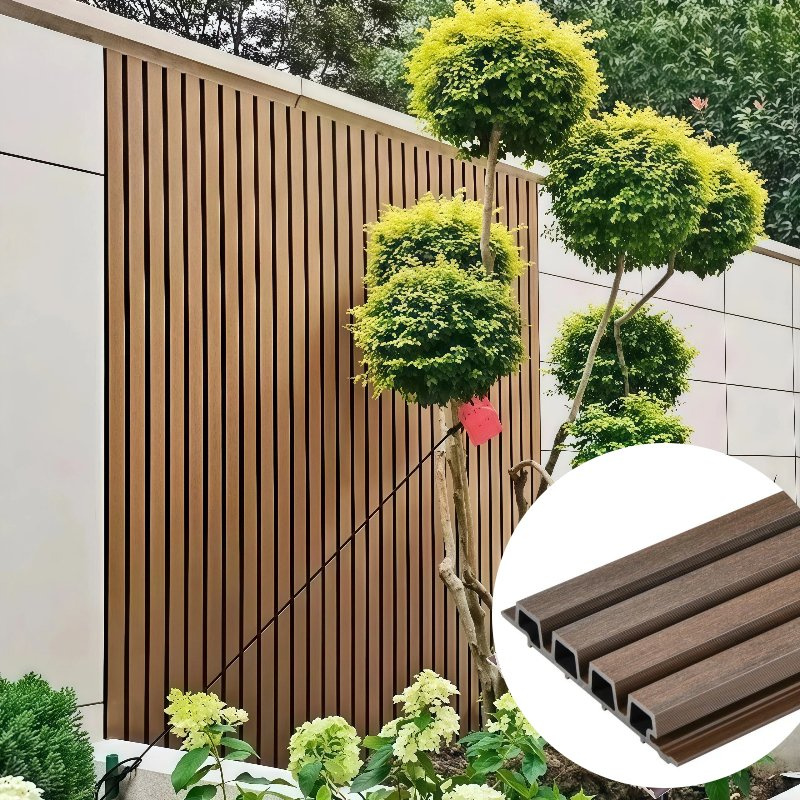
WPC cladding is made from wood fibre combined with recycled plastic, pressed into hollow or solid wall panels. It gives a timber look without felling hardwood, resists moisture and termites better than solid wood, and installs on battens or adhesive. In Kenya it is common in offices, hotels, apartments and feature walls.
What is eco-friendly interior design using WPC cladding?
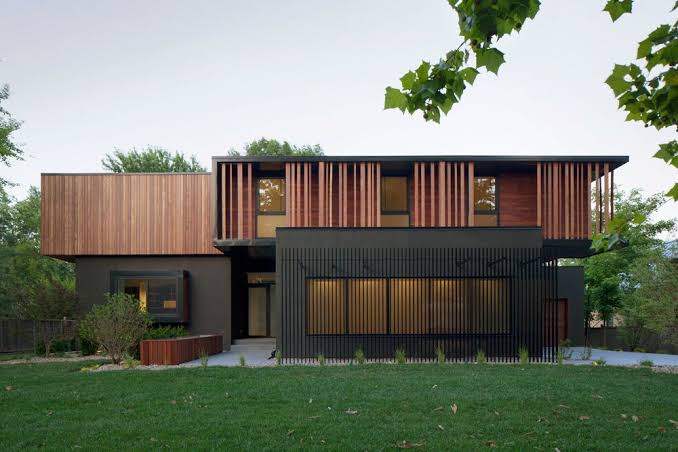
Eco-friendly interior design using WPC cladding refers to the use of Wood Plastic Composite wall panels that reduce reliance on natural timber while delivering durable, low-waste interior finishes. In Kenya, this approach supports sustainable construction by minimizing deforestation and improving material efficiency in modern buildings.
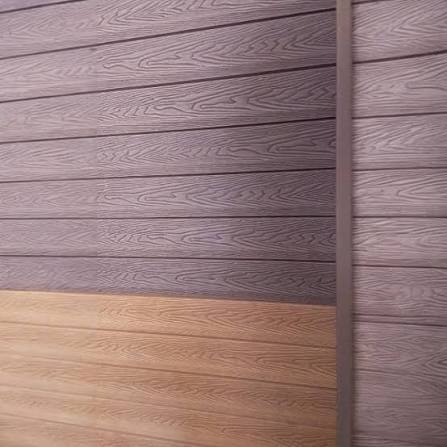
WPC cladding is designed to replicate the appearance of natural wood while using recycled polymers and wood fibers, making it a practical alternative for environmentally conscious construction projects.
Why is WPC cladding considered sustainable in Kenya?
WPC cladding is considered sustainable because it reduces demand for natural timber, utilizes recycled materials, and has a long lifespan that reduces replacement waste. In Kenya, this helps reduce pressure on forest resources while supporting modern, durable construction practices.
Kenya’s construction sector is increasingly shifting toward sustainable materials due to:
- Rising demand for housing and commercial spaces
- Environmental pressure on forest resources
- Increased awareness of green building standards
By replacing natural wood in interiors, WPC contributes directly to forest conservation efforts.
How does WPC help protect Kenya’s natural forests?
WPC helps protect Kenya’s natural forests by reducing the need to harvest hardwood and softwood timber for interior finishes. Since WPC replicates wood aesthetics without requiring raw logs, it lowers deforestation pressure across construction supply chains.
This is especially important in Kenya where:
- Demand for timber in urban housing is rapidly increasing
- Illegal logging and forest degradation remain environmental concerns
- Construction growth is accelerating in cities like Nairobi, Mombasa, and Kisumu
Using WPC reduces dependency on natural forest extraction.
What makes WPC an eco-friendly alternative to traditional wood panels?
WPC is eco-friendly because it combines recycled plastic and wood fibers into a long-lasting composite material that reduces waste and extends product lifecycle. Unlike natural wood, it does not require frequent replacement, repainting, or chemical treatment.
Key environmental advantages include:
- Reduced timber harvesting
- Use of recycled materials in production
- Long service life (15–25 years)
- Minimal maintenance requirements
Explore WPC solutions wpc-wall-panels
How does WPC cladding perform in Kenya’s climate while remaining sustainable?
WPC cladding performs well in Kenya’s varied climate zones while maintaining sustainability because it resists moisture, termites, and UV exposure without requiring chemical treatments. This reduces environmental impact from maintenance products and replacement materials.
Kenya climate performance:
- Coastal regions (Mombasa): resists humidity and salt corrosion
- Nairobi region: stable under temperature fluctuations
- Western Kenya: handles high moisture environments effectively
Unlike wood, WPC does not require toxic preservatives or repeated repainting.
Is WPC better than natural wood for interior sustainability?
WPC is more sustainable than natural wood in interior applications because it reduces deforestation, lasts longer, and requires less maintenance over its lifecycle. While wood is renewable, its harvesting rate in Kenya often exceeds sustainable limits.
Comparison overview:
- Wood: renewable but high maintenance and vulnerable to pests
- WPC: recycled content, long-lasting, low maintenance
- Result: lower environmental footprint over time for WPC
How does WPC support green building practices in Kenya?
WPC supports green building practices by reducing material waste, lowering maintenance energy use, and improving building lifecycle efficiency. It aligns with modern sustainability goals in Kenya’s construction sector under evolving building regulations.
Key green building contributions:
- Reduced repainting cycles (less chemical use)
- Lower replacement frequency
- Reduced construction waste
- Efficient material utilization
This aligns with broader sustainability expectations in urban developments and commercial projects.
Can WPC cladding be used in luxury interior design projects?
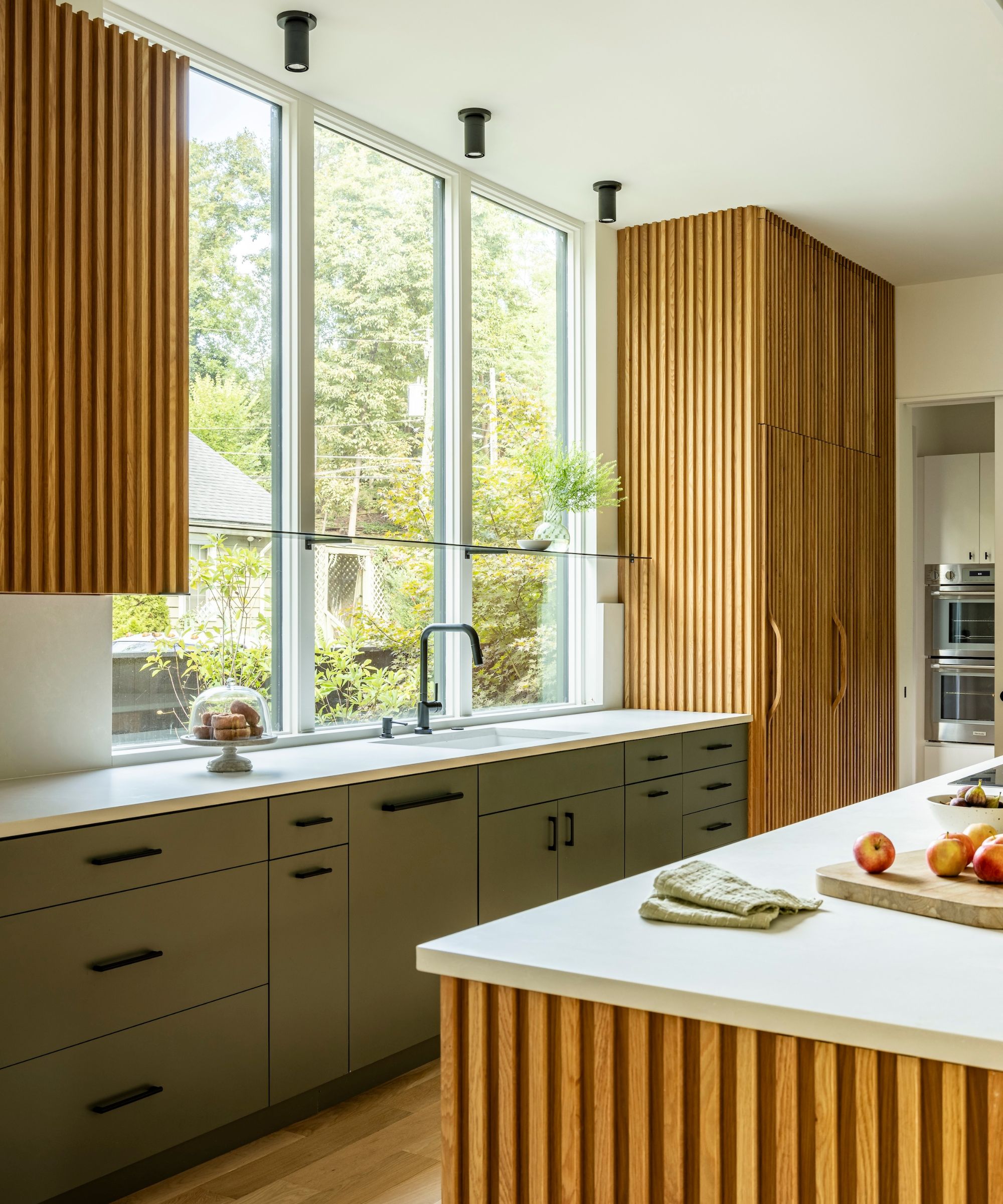
Yes, WPC cladding is widely used in luxury interior design because it offers a premium wood-like appearance with modern finishes while maintaining durability and sustainability. It is commonly used in hotels, offices, and high-end residential spaces in Kenya.
Luxury applications include:
- Feature walls in hotels and lodges
- Corporate boardrooms and reception areas
- High-end apartment interiors
- Retail and showroom designs
Explore architectural finishes: alucobond-sheets
What are the environmental limitations of WPC?
The main environmental limitation of WPC is that it is a composite material containing plastic, which requires responsible manufacturing and recycling systems to minimize long-term environmental impact. However, its durability significantly reduces waste compared to short-lifespan materials.
Sustainability considerations:
- Requires proper end-of-life recycling systems
- Dependent on quality manufacturing standards
- Higher initial energy use in production compared to wood
Despite this, its long lifespan offsets many environmental costs.
Technical Specifications of WPC Cladding
| Parameter | Specification |
|---|---|
| Material Composition | Wood fiber + recycled thermoplastic |
| Panel Thickness | 7mm – 25mm |
| Moisture Resistance | 100% waterproof |
| Termite Resistance | Fully resistant |
| Lifespan | 15–25 years |
| Maintenance | Very low |
| Installation Type | Clip-lock / adhesive / framed |
| Surface Finish | Wood grain, matte, gloss |
Benefits of eco-friendly WPC interior design in Kenya
Eco-friendly WPC interior design reduces environmental impact while delivering durable, modern, and low-maintenance interior finishes. It helps builders achieve sustainability goals without compromising aesthetics or performance.
Key benefits include:
- Reduced deforestation pressure
- Long-lasting interior solutions
- Lower maintenance and repainting needs
- Modern architectural finishes
- Improved lifecycle efficiency
- wpc-wall-panels – Eco-friendly interior cladding systems
- polycarbonate-sheets – Sustainable roofing alternatives
- alucobond-sheets – Modern façade systems
- perspex-sheets – Decorative interior materials
- steel-products-in-kenya – Structural steel systems
- square-hollow-section-shs – Fabrication steel tubing
- contact-us – Project inquiries and supply orders
FAQs About Eco-Friendly WPC Cladding in Kenya
1. Is WPC cladding environmentally friendly?
Yes, WPC is eco-friendly because it reduces timber use and incorporates recycled materials.
2. Does WPC replace natural wood completely?
It replaces wood in many interior applications but not all structural uses.
3. Is WPC safe for indoor use?
Yes, high-quality WPC is safe and widely used in residential and commercial interiors.
4. Does WPC reduce deforestation in Kenya?
Yes, it reduces demand for natural timber used in interior finishing.
5. How long does WPC last compared to wood?
WPC lasts 15–25 years, significantly longer than most interior wood finishes.
Contact Burhani Hardware Dealers (BHD)
burhanihardwaredealers [at] yahoo.com
Call/WhatsApp: +254 731 217 462 | +254 790 545 205
Visit: BHD, Industrial Area, Funzi Road, Nairobi
Website: https://bhd.co.ke/
Delivery Guarantee:
Same-day delivery within Nairobi.
Next-day delivery countrywide to Nakuru, Kisumu, Mombasa, Eldoret, Thika, Meru, Kitengela, Malindi.
Frequently asked questions

Written & reviewed by
BHD Kenya
Burhani Hardware Dealers (BHD Kenya) is a Nairobi-based supplier of polycarbonate roofing, Alucobond/ACP cladding, Perspex, WPC wall panels and steel products, serving contractors, fabricators and homeowners across Kenya.