

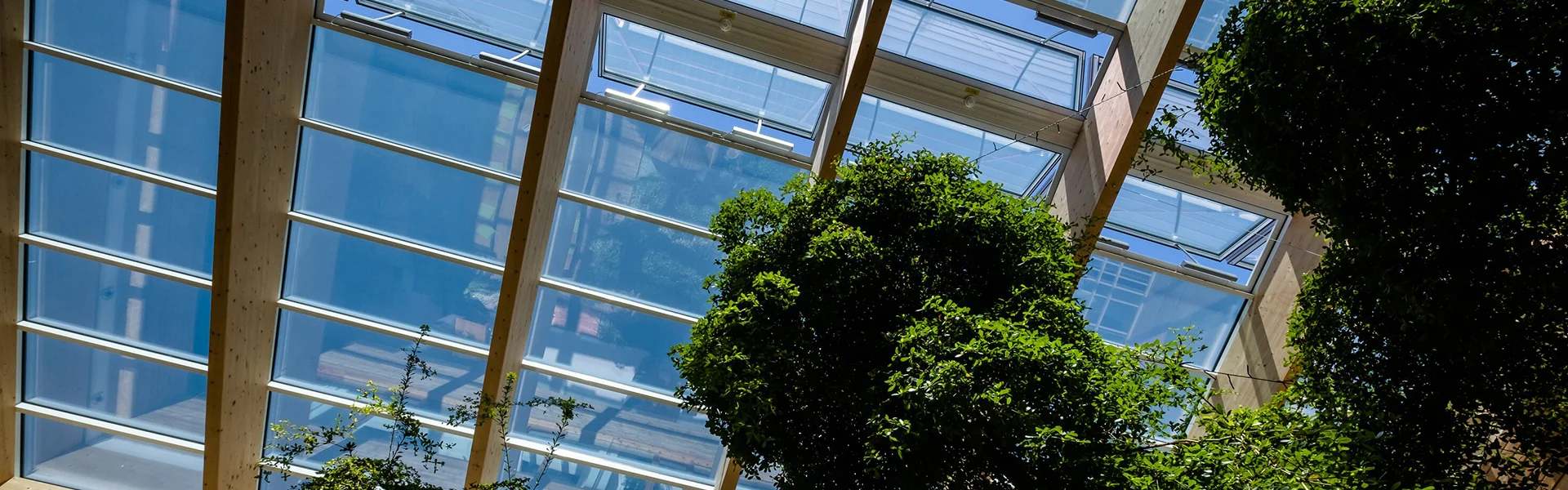
How Modern Buildings Use Natural Lighting to Reduce Electricity Costs
Quick answer
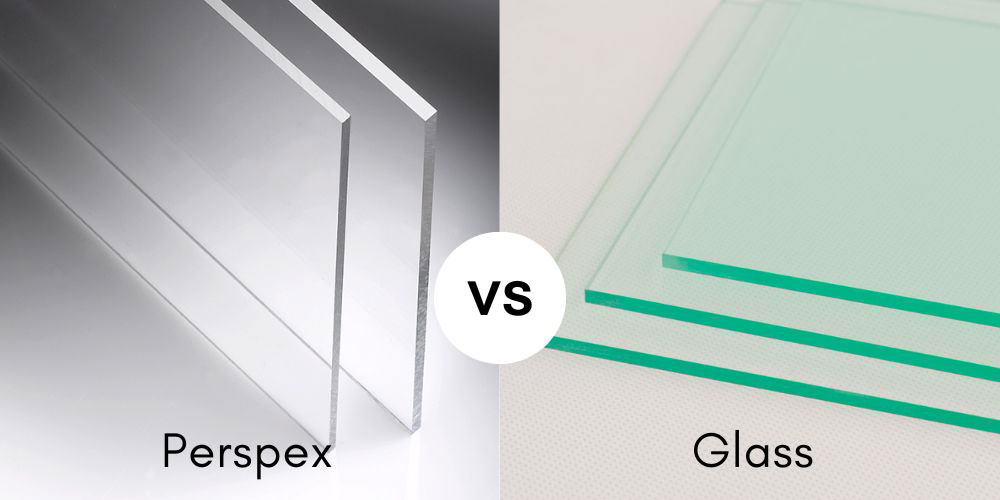
Modern buildings cut electricity costs by letting daylight in through translucent roofing: polycarbonate skylight panels, solid Perspex glazing and clear roof sections. Placed over warehouses, atriums and walkways, they light interiors for most of the working day, so artificial lighting runs less and cooling loads stay manageable when UV-blocking grades are used.
Natural lighting has become an important consideration in modern construction projects across Kenya. Commercial developers, warehouse owners, schools, factories, and retail businesses are increasingly investing in roofing systems that maximize daylight penetration while reducing electricity consumption.
The growing demand for natural lighting Kenya solutions is driven by rising energy costs, sustainability goals, and the need for more comfortable indoor environments. Buildings that rely heavily on artificial lighting during daytime hours often experience unnecessary electricity expenses that significantly increase operational costs over time.
Modern roofing and cladding systems now allow developers to integrate daylight-friendly materials without compromising structural strength or weather resistance. Polycarbonate sheets, transparent roofing systems, skylight installations, and advanced cladding products are transforming how buildings manage indoor illumination.
Developers and contractors looking for modern construction products can explore BHD Kenya’s complete building materials catalogue for industrial, commercial, and residential construction projects.
Natural Lighting Reduces Daily Electricity Consumption
One of the biggest advantages of natural lighting Kenya systems is the reduction in daytime electricity usage. Buildings designed to maximize daylight penetration require fewer artificial lighting fixtures during working hours.
Warehouses, factories, office blocks, schools, and shopping complexes often consume large amounts of electricity for lighting alone. Introducing daylight roofing systems helps reduce dependence on electrical lighting throughout the day.
This becomes especially valuable in large commercial spaces where lighting systems operate continuously for extended periods. Industrial facilities in Nairobi, Mombasa, Kisumu, and Eldoret are increasingly integrating daylight roofing systems to improve energy efficiency and reduce operational expenses.
Modern transparent roofing Kenya solutions allow natural sunlight to enter buildings evenly while maintaining protection against rain and harsh weather exposure. Polycarbonate sheets are widely preferred because they provide excellent light transmission while remaining durable and impact resistant.
Developers interested in modern daylight roofing systems can explore Egyptian hollow polycarbonate sheets for industrial roofing for warehouses, workshops, and commercial buildings.
Proper daylight integration also improves visibility and creates more comfortable indoor working environments for employees and customers.
Improved Workplace Productivity and Comfort
Buildings with poor lighting conditions often create uncomfortable environments that affect productivity, concentration, and overall occupant satisfaction. Natural daylight helps improve visibility while creating healthier indoor spaces.
One of the reasons natural lighting Kenya systems are becoming popular in commercial projects is their positive impact on workplace efficiency. Employees working in naturally lit environments often experience reduced eye strain and improved comfort compared to spaces relying entirely on artificial lighting.
Factories, schools, warehouses, and retail buildings benefit significantly from balanced daylight distribution. Commercial developers are increasingly designing buildings that combine daylight roofing systems with ventilation structures to improve indoor environmental quality.
Modern skylight roofing Kenya installations are commonly used in industrial buildings where large roof spans limit access to side-window lighting. Proper skylight placement allows daylight to reach deeper sections of warehouses and production facilities.
Contractors handling commercial roofing Kenya projects must ensure skylight systems integrate properly with structural steel framing and drainage systems to prevent leakage problems.
Natural daylight also improves customer experience in retail spaces by creating brighter, more welcoming interiors.
Transparent Roofing Systems Improve Energy Efficiency
Modern transparent roofing Kenya systems are designed to improve indoor illumination while supporting long-term energy savings. Polycarbonate roofing sheets have become one of the most preferred materials because they combine strength, durability, and light transmission performance.
Traditional roofing materials often block natural daylight completely, forcing buildings to rely heavily on electrical lighting during daytime operations. Transparent roofing systems help reduce this dependence while maintaining weather protection.
Developers seeking energy efficient buildings Kenya solutions are increasingly using polycarbonate roofing sheets in parking areas, shopping centres, schools, greenhouses, and industrial facilities.
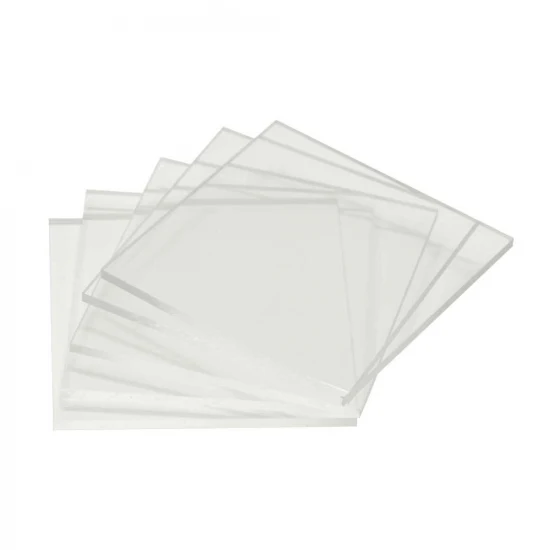
Solid polycarbonate sheets are especially useful in projects requiring higher impact resistance and improved clarity. Contractors and developers can review solid polycarbonate sheets for transparent roofing projects for modern commercial applications.
Roofing systems designed for natural daylight must also consider heat control and UV protection. Poor-quality translucent roofing materials may increase indoor temperatures excessively, creating uncomfortable conditions and increasing cooling requirements.
Proper product selection helps developers avoid poor roofing performance while maximizing natural lighting Kenya benefits.
Natural Lighting Supports Sustainable Construction
Sustainability is becoming increasingly important in modern Kenyan construction projects. Developers are under growing pressure to reduce energy consumption and improve building efficiency.
Natural lighting Kenya systems support sustainable construction by reducing daytime electricity demand and lowering carbon emissions associated with power consumption.
Industrial facilities, schools, office blocks, and shopping centres are increasingly integrating energy-saving roofing systems as part of long-term operational planning. Reduced electricity usage not only lowers monthly utility bills but also improves environmental performance.
Many energy efficient buildings Kenya projects now combine daylight roofing systems with ventilation improvements and insulated cladding systems to optimize overall building performance.
Natural daylight solutions are especially valuable in large-scale facilities where electricity consumption remains consistently high throughout operational hours.
Contractors working on commercial roofing Kenya projects also prioritize durable materials capable of maintaining long-term lighting performance under Kenyan climate conditions.
Buildings located in coastal regions such as Mombasa require roofing systems resistant to humidity and corrosion, while high-altitude areas such as Nairobi require materials capable of handling strong UV exposure.
Skylight Roofing Improves Large Building Performance
Large industrial and commercial buildings often struggle to distribute natural daylight evenly because of their structural size and roof span dimensions. This is where skylight roofing Kenya systems become highly effective.
Strategically positioned skylight roofing systems allow daylight to penetrate deep interior sections of buildings that would otherwise depend entirely on electrical lighting.
Warehouses, manufacturing plants, workshops, and distribution centres benefit significantly from balanced daylight penetration because these facilities typically operate for long hours.
Skylight systems also help reduce dark zones inside buildings, improving visibility and enhancing workplace safety.
Contractors designing natural lighting Kenya systems must ensure skylight materials are durable enough to handle rainfall, UV exposure, and long-term weather conditions. Poor-quality materials may crack, discolor, or leak over time.
Modern polycarbonate skylight systems are preferred because they offer impact resistance, light diffusion, and long service life under demanding environmental conditions.
Developers seeking additional roofing products can explore polycarbonate roofing solutions in Kenya for commercial and industrial applications.
Proper skylight integration also requires strong structural support systems capable of maintaining roofing stability over time.
Structural Support Systems Affect Lighting Performance
Natural daylight roofing systems require reliable structural support to ensure long-term stability and weather resistance. Weak roofing frameworks may compromise skylight alignment, drainage performance, and roofing durability.
One of the most overlooked factors in natural lighting Kenya projects is the importance of structural steel compatibility.
Roofing systems must support transparent roofing sections while maintaining resistance against wind pressure and rainfall loads. This is especially important in large commercial and industrial facilities.
Square hollow sections and steel support members are commonly used in roofing frameworks because they provide excellent load distribution and structural strength.
Developers and contractors can review square hollow section steel products for roofing frameworks for industrial roofing applications.
Below is a common roofing framework reference table used in commercial roofing projects.
| Section Type | Typical Size | Approx Weight | Common Application | Pieces per Tonne |
|---|---|---|---|---|
| SHS | 50 x 50 x 2mm | 2.98 kg/m | Skylight framing | 67 |
| RHS | 100 x 50 x 3mm | 6.65 kg/m | Roofing support | 30 |
| Zed Purlin | 150mm | Varies | Roof support | Varies |
| HR Beam | 150 x 75mm | Heavy duty | Commercial roofing | Varies |
| MS Flat Bar | 50 x 6mm | 2.36 kg/m | Structural bracing | 84 |
Reliable structural support helps maintain long-term natural lighting Kenya performance while reducing roofing maintenance problems.
Climate Conditions Affect Daylight Roofing Performance
Kenya’s climate conditions vary significantly between regions, making roofing material selection extremely important.
Coastal towns such as Mombasa experience humidity and salt exposure that accelerate material deterioration. High-altitude regions such as Nairobi experience intense UV exposure and temperature variation that affect roofing expansion and contraction.
Heavy rainfall regions such as Kisumu and Kericho require roofing systems with strong waterproofing and drainage capabilities.
Natural lighting Kenya systems must therefore combine daylight transmission with weather resistance and structural durability.
Developers seeking modern roofing solutions Kenya projects can explore BHD Kenya roofing and construction materials experts for professional guidance on roofing product selection.
Proper material selection helps reduce maintenance costs while improving long-term building efficiency.
How to Choose the Right Natural Lighting System
Choosing the correct daylight roofing system depends on building type, roof design, climate conditions, and operational requirements.
Industrial buildings often require stronger roofing support systems and larger daylight coverage areas compared to residential structures. Warehouses and factories also require impact-resistant roofing materials capable of handling demanding operating conditions.
Developers evaluating natural lighting Kenya systems should focus on light transmission quality, UV resistance, structural compatibility, drainage performance, and long-term maintenance requirements.
Polycarbonate roofing sheets remain one of the most preferred solutions because they combine durability, weather resistance, and strong daylight performance.
Contractors handling energy efficient buildings Kenya projects should also ensure roofing systems comply with Kenyan construction standards and structural safety requirements.
Reliable supplier support is equally important because project delays often occur when roofing materials are unavailable or delivered late.
BHD supports contractors and developers with same-day Nairobi delivery and next-day countrywide logistics to Kisumu, Nakuru, Eldoret, Mombasa, Thika, and other major towns.
Conclusion
Natural daylight has become one of the most valuable features in modern construction projects because it helps reduce electricity costs while improving indoor comfort and operational efficiency.
Modern natural lighting Kenya systems now allow developers to combine structural durability with effective daylight penetration using advanced roofing and cladding materials.
Whether the project involves warehouses, factories, schools, workshops, retail buildings, or office spaces, properly designed daylight roofing systems improve energy performance while reducing dependence on artificial lighting.
Transparent roofing systems, skylights, and polycarbonate sheets continue transforming how commercial buildings manage energy consumption and workplace comfort across Kenya.
Working with experienced suppliers helps contractors select roofing systems that deliver long-term performance under Kenyan environmental conditions.
Contact Burhani Hardware Dealers (BHD)
Email: burhanihardwaredealers [at] yahoo.com
Phone: +254 731 217 462 | +254 790 545 205
Visit: BHD, Industrial Area, Funzi Road, Nairobi
Website: Burhani Hardware Dealers Kenya
Delivery Guarantee
- Same-day delivery within Nairobi
- Next-day delivery countrywide to Nakuru, Kisumu, Mombasa, Eldoret, Thika, Meru, Kitengela, Malindi
Frequently asked questions

Written & reviewed by
BHD Kenya
Burhani Hardware Dealers (BHD Kenya) is a Nairobi-based supplier of polycarbonate roofing, Alucobond/ACP cladding, Perspex, WPC wall panels and steel products, serving contractors, fabricators and homeowners across Kenya.