
Polycarbonate Roofing for Schools in Kenya (2026 Guide)
Quick answer
Polycarbonate roofing suits schools because it lets daylight into classrooms, walkways and dining halls without artificial lighting, while resisting impact from stones, balls and hail far better than glass or fibreglass. Twinwall sheets also slow heat transfer, and the sheets are light enough for simple steel frames over covered walkways.
Polycarbonate roofing is rapidly becoming a preferred solution for schools and educational institutions across Kenya. With increasing demand for durable, cost-effective, and energy-efficient construction, schools are moving away from traditional roofing materials toward modern alternatives that improve both learning environments and long-term maintenance.
Polycarbonate roofing for schools in Kenya provides natural lighting, reduces heat buildup, and offers high impact resistance, making it ideal for classrooms, halls, and institutional buildings. It is especially effective in reducing electricity costs while creating brighter, more comfortable spaces for students.
Institutions sourcing quality roofing materials can explore solutions from Burhani Hardware Dealers (BHD), a trusted supplier offering reliable delivery across Kenya.
What Is Polycarbonate Roofing and Why Is It Used in Schools?
Polycarbonate roofing is a lightweight, high-strength plastic roofing material designed to allow light transmission while providing protection from weather elements. It is widely used in schools because it balances durability, safety, and energy efficiency.
Unlike traditional iron sheets, polycarbonate:
- Allows natural daylight into classrooms
- Reduces dependence on artificial lighting
- Is resistant to breakage and impact
- Performs well under Kenya’s varying climate conditions
Schools benefit from improved indoor environments, especially in areas where electricity costs or power availability are a concern.
To explore available options, visit the polycarbonate sheets category.
Benefits of Polycarbonate Roofing for Schools
Polycarbonate roofing improves classroom environments by enhancing lighting, reducing heat, and lowering maintenance costs. These advantages make it suitable for both public and private educational institutions.
Key Benefits:
- Natural Lighting: Reduces electricity usage during the day
- Heat Control: UV-treated sheets reduce solar heat penetration
- Durability: Resistant to cracking, rust, and weather damage
- Safety: Impact-resistant, reducing risk of breakage injuries
- Lightweight: Easier and faster installation compared to metal roofing
For covered walkways and assembly areas, durable structural support such as Rectangular Hollow Sections (RHS) ensures stability and long-term performance.
Types of Polycarbonate Roofing for Schools
The two main types of polycarbonate roofing used in schools are solid sheets and hollow (multiwall) sheets, each suited for different applications.
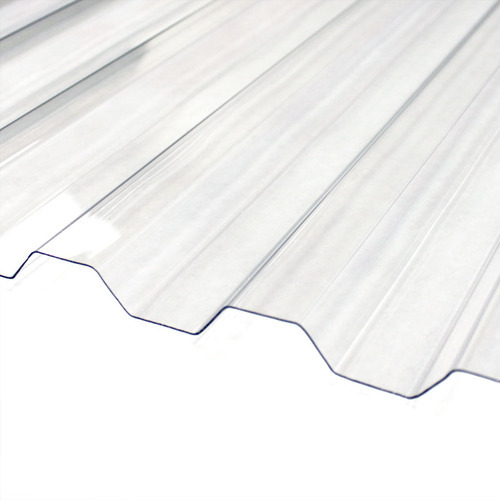
Solid Polycarbonate Sheets
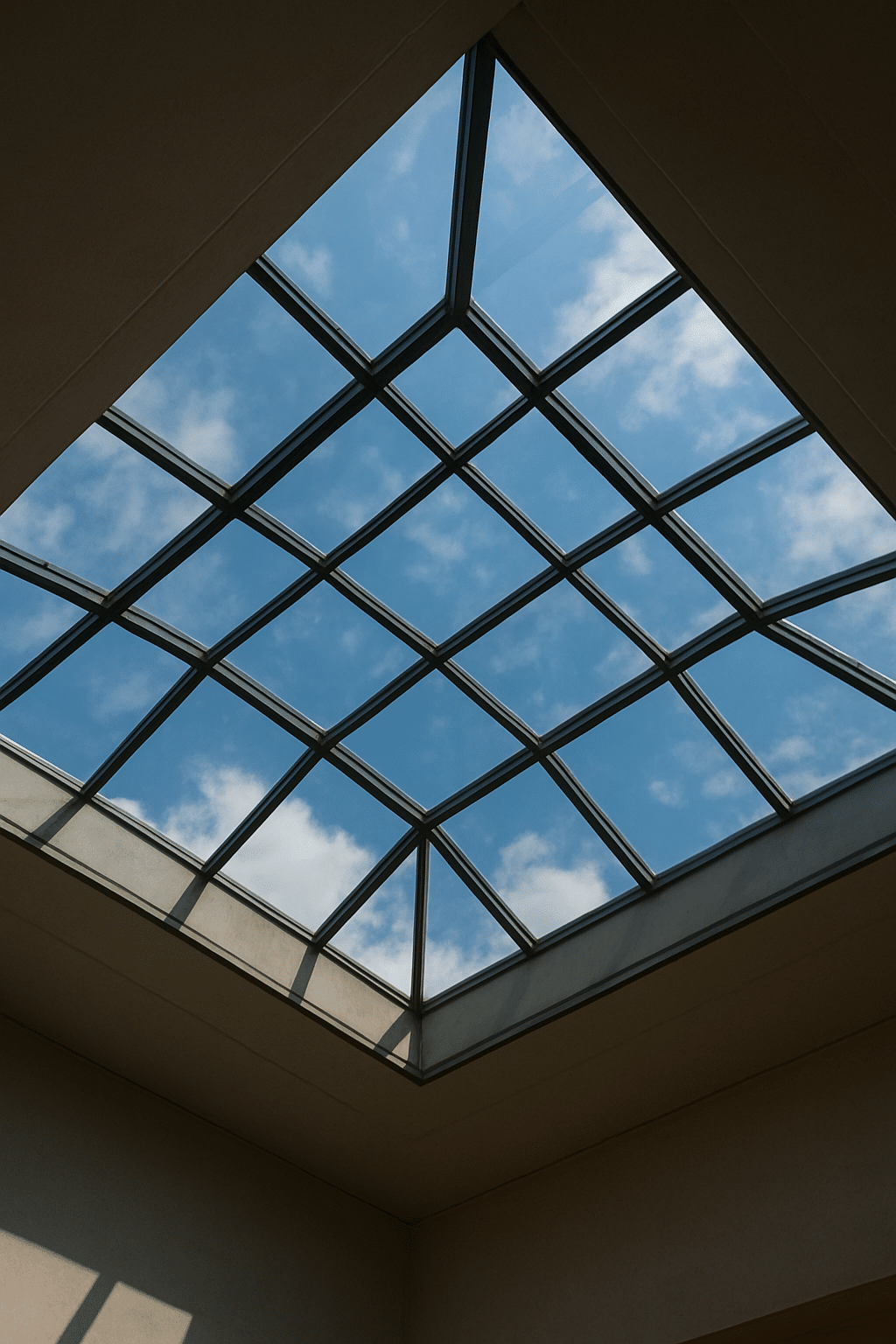
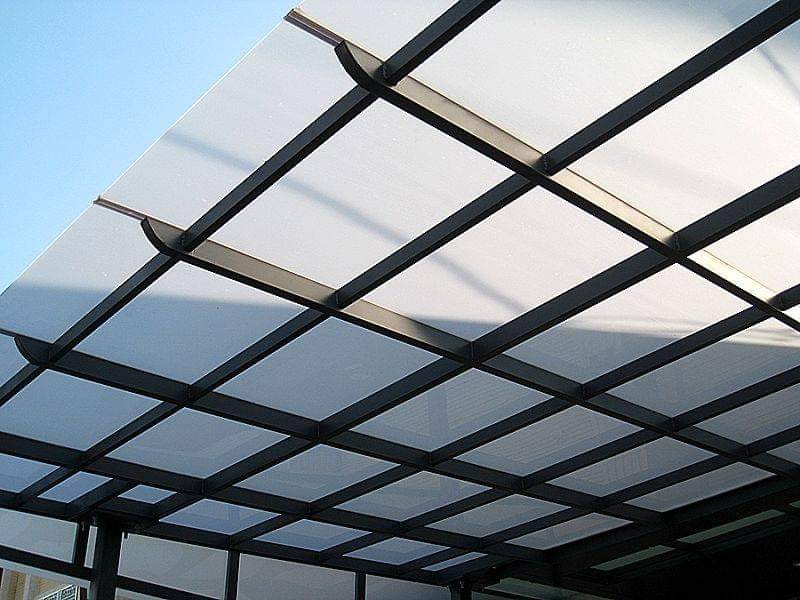
These resemble glass but are much stronger and safer. They are ideal for:
- Skylights
- Covered corridors
- School entrances
Explore options here:
Solid polycarbonate sheets
Hollow Polycarbonate Sheets
These have internal air gaps that provide insulation, making them suitable for:
- Classrooms
- Laboratories
- Dining halls
Browse options:
Hollow polycarbonate sheets
How Polycarbonate Roofing Reduces Heat in Schools
Polycarbonate roofing reduces heat by filtering ultraviolet (UV) radiation and limiting direct solar heat transfer into buildings. This helps maintain a comfortable indoor environment even during hot seasons.
In Kenyan schools:
- Coastal regions benefit from UV resistance and reduced humidity effects
- Nairobi schools experience cooler indoor temperatures during midday
- Arid regions benefit from reduced heat penetration
Compared to metal roofing, polycarbonate systems significantly lower heat buildup, especially when combined with proper ventilation.
Structural Support for School Roofing Systems
Strong structural framing is essential to ensure polycarbonate roofing performs effectively under wind loads and long-term use.
Common support materials include:
- Zed purlins for roof support alignment
- Circular Hollow Sections (CHS) for durable framing
- MS Tee sections for reinforcement
These materials ensure that roofing systems comply with safety standards and withstand environmental stress.
Technical Specifications of Polycarbonate Roofing Sheets
| Parameter | Description |
|---|---|
| Thickness | 4mm – 10mm |
| Material | Polycarbonate |
| Light Transmission | 40% – 90% |
| UV Protection | Yes (UV-coated) |
| Lifespan | 10 – 20 years |
| Application | Classrooms, halls, walkways |
These specifications align with KEBS standards and the National Building Code 2024, ensuring safety and long-term reliability in school construction projects.
Installation Best Practices for Schools
Proper installation is critical to maximize the performance and lifespan of polycarbonate roofing in schools.
Best practices include:
- Using proper spacing to allow thermal expansion
- Installing sheets with correct orientation for UV protection
- Ensuring secure fastening to prevent wind damage
- Providing ventilation gaps to reduce heat buildup
Schools working with experienced contractors achieve better long-term results and reduced maintenance costs.
Maintenance and Durability in School Environments
Polycarbonate roofing requires minimal maintenance, making it ideal for institutions with limited maintenance budgets.
Recommended practices:
- Regular cleaning to maintain light transmission
- Inspection of fasteners and joints
- Avoiding harsh chemicals that damage coatings
Unlike metal roofing, polycarbonate does not rust, making it particularly suitable for humid regions like coastal Kenya.
Climate Considerations for School Roofing in Kenya
Kenya’s diverse climate requires roofing systems that adapt to different environmental conditions.
- Coastal Kenya: Requires corrosion-resistant and UV-stable materials
- Nairobi/Central: Needs balanced heat control and lighting
- Rift Valley: Requires strong structural support due to wind loads
Polycarbonate roofing performs well across all these regions when properly installed and supported.
Cost and Long-Term Value for Schools
While polycarbonate roofing may have a higher initial cost than traditional sheets, it offers long-term savings through reduced energy and maintenance costs.
Schools benefit from:
- Lower electricity bills
- Reduced repair and replacement costs
- Improved learning environments
For large-scale institutional projects, sourcing materials from the BHD catalog ensures availability and consistent quality.
FAQs on Polycarbonate Roofing for Schools
Is polycarbonate roofing safe for schools?
Yes, it is highly impact-resistant and safer than glass or brittle materials.
Does polycarbonate roofing make classrooms hot?
No, UV-coated sheets reduce heat transfer and improve comfort.
How long does polycarbonate roofing last?
Typically 10–20 years with proper installation and maintenance.
Can polycarbonate roofing be used for classrooms?
Yes, especially hollow sheets that provide insulation and light diffusion.
Is polycarbonate better than iron sheets for schools?
Yes, for lighting, safety, and energy efficiency, polycarbonate is often superior.
Conclusion
Polycarbonate roofing for schools in Kenya offers a modern, efficient solution that improves lighting, reduces heat, and enhances durability. It is ideal for classrooms, halls, and institutional buildings where comfort, safety, and long-term cost savings are essential.
By choosing trusted suppliers like BHD Kenya, schools can ensure access to high-quality materials that meet national standards and perform reliably across Kenya’s diverse climates.
Contact Burhani Hardware Dealers (BHD)
📧 burhanihardwaredealers [at] yahoo.com
📞 Call/WhatsApp: +254 731 217 462 | +254 790 545 205
📍 Visit: BHD, Industrial Area, Funzi Road, Nairobi
🌐 https://bhd.co.ke/
Delivery Guarantee:
Same-day delivery within Nairobi.
Next-day delivery countrywide to Nakuru, Kisumu, Mombasa, Eldoret, Thika, Meru, Kitengela, Malindi.
Frequently asked questions
Written & reviewed by
BHD Kenya
Burhani Hardware Dealers (BHD Kenya) is a Nairobi-based supplier of polycarbonate roofing, Alucobond/ACP cladding, Perspex, WPC wall panels and steel products, serving contractors, fabricators and homeowners across Kenya.