Polycarbonate Sheets for Car Shades: 2026 Solid vs. Hollow Guide | BHD Kenya

Quick answer
For car shades, hollow multiwall polycarbonate is lighter, insulates better because of its air channels and spans purlins more economically, while solid polycarbonate is heavier, glass-clear and takes harder impact from falling branches or stones. Both have a UV-protected face that must be fitted outwards, and tinted grades cut glare over parking bays.
How to Choose the Right Polycarbonate Sheets for Kenyan Car Shades: Solid vs. Hollow
Car shades have become a standard feature in Kenyan homes, offices, apartments, malls, hospitals, and commercial buildings. With increasing vehicle ownership, rising land values, and exposure to harsh weather conditions, protecting vehicles is no longer optional—it is a long-term investment decision. Among all roofing materials available in Kenya today, polycarbonate sheets stand out as the most reliable, modern, and versatile option for car shades.
However, many buyers struggle with one key decision: Should you choose solid polycarbonate sheets or hollow (multiwall) polycarbonate sheets? This guide answers that question in detail, using Kenyan climate data, construction standards, and 2026 compliance requirements to help you make the right choice.
This is a comprehensive, expert-level guide for homeowners, developers, architects, contractors, and property managers across Kenya.
What Are Polycarbonate Sheets?
Polycarbonate sheets are high-performance thermoplastic roofing materials known for exceptional impact resistance, UV protection, and light transmission.
They are widely used in Kenya for car shades, canopies, walkways, greenhouses, and architectural roofing.
Polycarbonate is up to 200 times stronger than glass and significantly lighter, making it ideal for structures that require durability without excessive structural load. In Kenyan construction, polycarbonate sheets are preferred over glass and acrylic because they:
-
Do not shatter
-
Handle intense sun and rainfall
-
Are easy to fabricate and install
-
Comply with modern architectural requirements
Why Are Polycarbonate Sheets Ideal for Car Shades in Kenya?
Polycarbonate sheets perform exceptionally well under Kenya’s intense UV radiation, heat, and seasonal rainfall.
They provide long-term vehicle protection while maintaining aesthetic appeal and structural safety.
Kenyan car shades must withstand:
-
Strong UV exposure year-round
-
Heavy rainfall during long and short rains
-
High daytime temperatures, especially in urban areas
-
Dust, wind, and occasional hail
Polycarbonate sheets meet these demands better than mabati, PVC, or fabric-based car shade solutions.
What Is the Difference Between Solid and Hollow Polycarbonate Sheets?
Solid polycarbonate sheets are single-layer, glass-like panels, while hollow polycarbonate sheets consist of multiple layers with air gaps in between.
The structural design directly affects strength, insulation, weight, and cost.
Understanding this difference is the foundation for choosing the right sheet for your car shade project.
What Are Solid Polycarbonate Sheets?
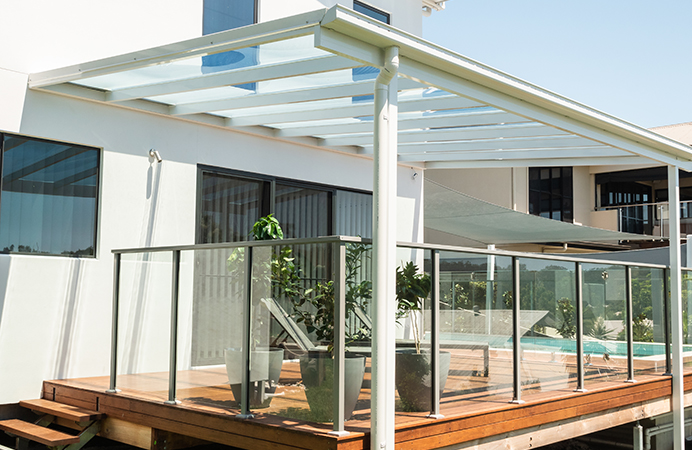
Solid polycarbonate sheets are dense, single-sheet panels that resemble glass but are far stronger and lighter.
They are ideal for premium, high-impact, and architectural car shade installations.
Key Characteristics of Solid Polycarbonate
-
Single-layer construction
-
High optical clarity (up to 90% light transmission)
-
Excellent impact resistance
-
Smooth, glass-like appearance
-
UV-protected on one or both sides
Solid sheets are commonly used where aesthetics, visibility, and durability are equally important.
What Are Hollow (Multiwall) Polycarbonate Sheets?
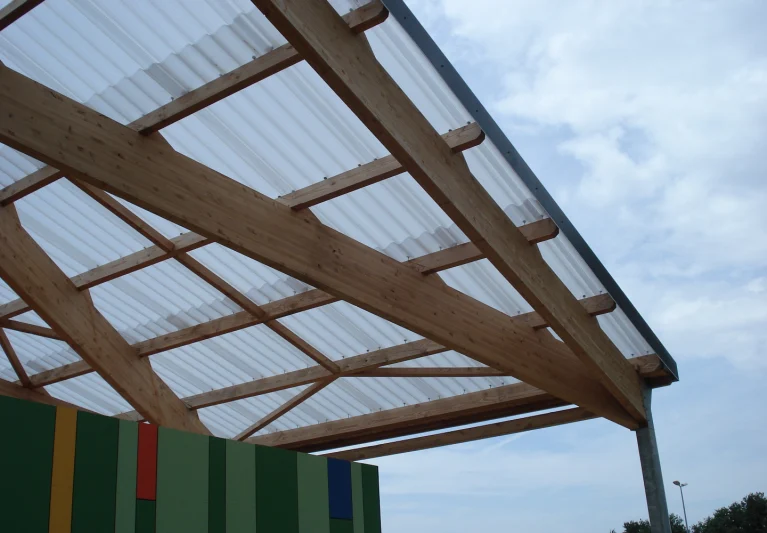
Hollow polycarbonate sheets consist of two or more layers separated by internal ribs, creating air pockets.
They provide excellent thermal insulation at a lower cost and weight than solid sheets.
Key Characteristics of Hollow Polycarbonate
-
Multi-layer structure (twin-wall, triple-wall, etc.)
-
Lightweight but structurally rigid
-
Good light diffusion
-
Enhanced heat insulation
-
Cost-effective for large areas
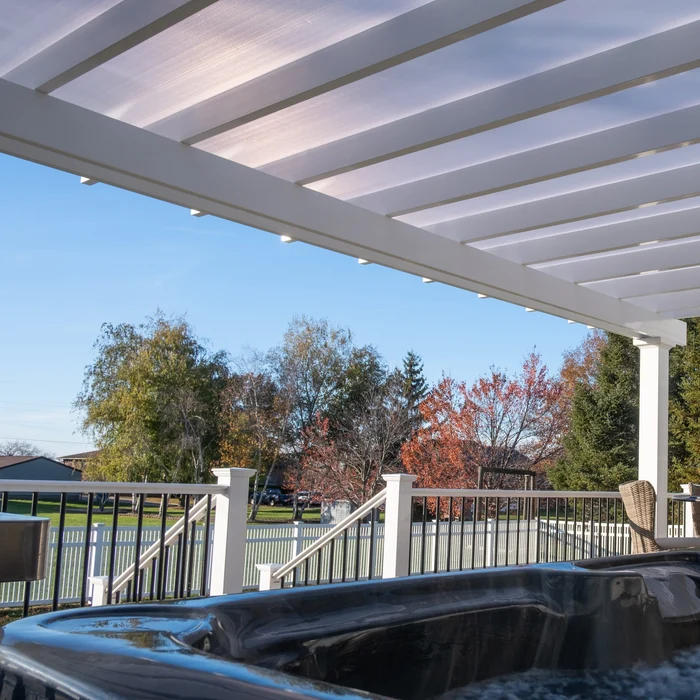
Hollow sheets are widely used in residential and commercial car shades across Kenya due to their balance of performance and affordability.
Which Polycarbonate Sheet Is Stronger for Car Shades?
Solid polycarbonate sheets offer higher impact resistance, while hollow sheets provide sufficient strength for most car shade applications.
The choice depends on exposure risk, span length, and design requirements.
-
Solid sheets perform better against vandalism, falling debris, and hail
-
Hollow sheets are strong enough for rain, sun, and wind when properly supported
For areas with higher security concerns or open exposure, solid polycarbonate is often preferred.
How Do Polycarbonate Sheets Perform Under Kenyan Climate Conditions?
Both solid and hollow polycarbonate sheets are well-suited for Kenyan climates when UV-protected and properly installed.
Performance varies slightly depending on region and sheet type.
Nairobi and Central Highlands
-
Moderate temperatures
-
High UV exposure
-
Occasional hail
Both solid and hollow sheets perform well, with hollow sheets offering better heat control.
Coastal Areas (Mombasa, Malindi)
-
High humidity
-
Salt-laden air
-
Strong sun
UV-coated polycarbonate is essential. Solid sheets resist salt corrosion better on exposed installations.
Rift Valley and Western Kenya
-
Heavy rainfall
-
Wind exposure
Hollow sheets with proper slope and drainage are highly effective.
Which Polycarbonate Sheet Offers Better Heat Control?
Hollow polycarbonate sheets provide better thermal insulation due to internal air gaps.
They reduce heat buildup under car shades more effectively than solid sheets.
This makes hollow sheets ideal for residential compounds and apartment parking areas where heat comfort is a priority.
Light Transmission: Which Is Better for Car Shades?
Solid polycarbonate allows higher light transmission, while hollow sheets diffuse light more evenly.
The choice depends on whether visibility or glare reduction is more important.
-
Solid sheets: Clear, bright, modern appearance
-
Hollow sheets: Softer light, reduced glare
For car shades, diffused light is often preferred to reduce heat and UV exposure to vehicle interiors.
Solid vs. Hollow Polycarbonate: Technical Comparison Table
| Feature | Solid Polycarbonate | Hollow Polycarbonate |
|---|---|---|
| Structure | Single layer | Multi-layer with air gaps |
| Impact Resistance | Very high | High |
| Heat Insulation | Moderate | Excellent |
| Weight | Heavier | Lighter |
| Light Transmission | Very high | Medium to high (diffused) |
| Cost | Higher | Lower |
| Best Use | Premium car shades | Residential & commercial car shades |
What Thickness Is Recommended for Car Shades in Kenya?
Polycarbonate thickness selection depends on span, wind load, and sheet type.
Using the correct thickness is critical for safety and durability.
Common Thicknesses Used in Kenya
-
Solid sheets: 3 mm, 4 mm, 6 mm
-
Hollow sheets: 6 mm, 8 mm, 10 mm
For most car shades:
-
6 mm hollow sheets are sufficient for residential use
-
8–10 mm hollow sheets are ideal for large parking areas
-
4–6 mm solid sheets suit premium designs
Do Polycarbonate Sheets Meet Kenyan Building Standards?
Yes, quality polycarbonate sheets comply with Kenyan construction and safety standards when sourced from reputable suppliers.
Compliance is increasingly important in 2026.
Key regulatory considerations:
-
National Building Code 2024: Requires materials that meet performance-based safety criteria
-
KEBS Standards Levy 2025: Ensures quality control and material consistency
-
KRA eTIMS (Jan 1, 2026): All purchases must have valid eTIMS invoices for expense validation
Always confirm documentation when purchasing polycarbonate sheets.
How Long Do Polycarbonate Car Shades Last in Kenya?
High-quality polycarbonate sheets last between 10 and 15 years in Kenyan conditions.
UV protection and proper installation significantly affect lifespan.
Factors affecting durability:
-
UV coating quality
-
Correct slope and drainage
-
Adequate structural support
-
Maintenance and cleaning
Which Polycarbonate Sheet Is More Cost-Effective in 2026?
Hollow polycarbonate sheets are generally more cost-effective for car shades in Kenya.
They offer excellent performance at a lower material and structural cost.
Solid sheets cost more per square meter and may require heavier supporting structures, increasing overall project cost.
When Should You Choose Solid Polycarbonate Sheets?
Choose solid polycarbonate sheets when aesthetics, security, and impact resistance are top priorities.
They are ideal for high-end residential and commercial projects.
Recommended for:
-
Executive homes
-
Office complexes
-
Showrooms
-
High-visibility car ports
When Should You Choose Hollow Polycarbonate Sheets?
Choose hollow polycarbonate sheets for cost-effective, heat-resistant, and lightweight car shade solutions.
They are the most popular option for Kenyan homes and apartments.
Recommended for:
-
Residential compounds
-
Apartment parking
-
Schools and hospitals
-
Large parking bays
Common Mistakes to Avoid When Buying Polycarbonate Sheets
Incorrect selection or installation can reduce lifespan and performance.
Avoiding common mistakes saves money and prevents premature failure.
Mistakes include:
-
Choosing thickness based on price alone
-
Ignoring UV protection
-
Incorrect installation orientation
-
Insufficient support spacing
How to Maintain Polycarbonate Car Shades
Proper maintenance extends the lifespan and appearance of polycarbonate sheets.
Maintenance requirements are minimal but important.
Maintenance tips:
-
Clean with mild soap and water
-
Avoid abrasive cleaners
-
Inspect fasteners annually
-
Clear debris after heavy rains
Where to Buy Quality Polycarbonate Sheets in Kenya
Reliable sourcing ensures quality, compliance, and long-term performance.
Established suppliers provide certified materials and professional guidance.
Burhani Hardware Dealers (BHD) supplies high-quality solid and hollow polycarbonate sheets suitable for Kenyan car shades, with expert support and reliable delivery.
Contact Burhani Hardware Dealers (BHD)
For premium polycarbonate sheets and expert advice:
-
Email: burhanihardwaredealers@yahoo.com
-
Call/WhatsApp: +254 731 217 462 | +254 790 545 205
-
Visit: BHD, Industrial Area, Funzi Road, Nairobi
-
Website: https://bhd.co.ke/
Delivery Guarantee:
-
Same-day delivery within Nairobi
-
Next-day delivery countrywide to Nakuru, Kisumu, Mombasa, Eldoret, Thika, Meru, Kitengela, and Malindi
Frequently asked questions
Written & reviewed by
BHD Kenya
Burhani Hardware Dealers (BHD Kenya) is a Nairobi-based supplier of polycarbonate roofing, Alucobond/ACP cladding, Perspex, WPC wall panels and steel products, serving contractors, fabricators and homeowners across Kenya.