

The Future of Sustainable Building Materials in Kenya | BHD Kenya
Quick answer
Sustainable building materials are products chosen to lower environmental impact across their whole life. In Kenya that mainly means recyclable steel sections, WPC cladding and panels that use wood fibre bound in polymer, and translucent roofing that cuts daytime lighting demand. Durability and low maintenance matter as much as the material itself, because replacement is what drives waste.
Sustainable building materials in Kenya are construction products designed to reduce environmental impact while maintaining durability, safety, and long-term performance. They include recyclable steel, WPC cladding, energy-efficient roofing systems, and materials that reduce maintenance and resource consumption.
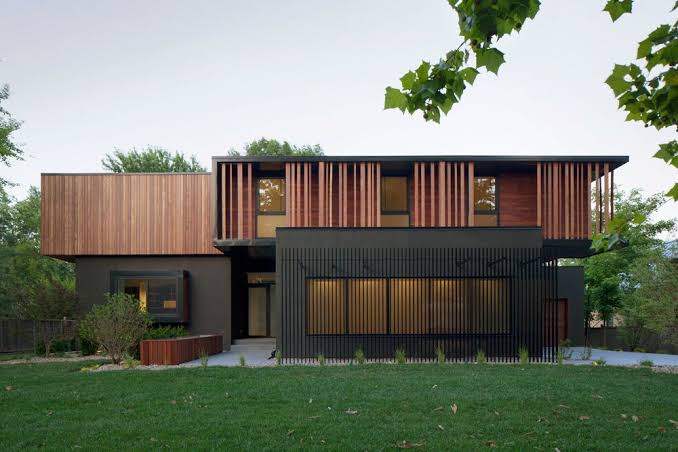
Kenya’s construction sector is experiencing a shift toward environmentally responsible solutions as developers, architects, and contractors seek materials that deliver better lifecycle value. Modern buildings are no longer judged only by appearance and initial cost; they are evaluated by energy efficiency, durability, waste reduction, and environmental impact.
From commercial developments in Nairobi to coastal projects in Mombasa and industrial facilities across the country, sustainable material choices are becoming an important part of construction planning.
BHD supplies modern construction solutions including structural steel, architectural finishes, roofing systems, and composite materials suitable for Kenya’s evolving building industry.
Explore BHD construction materials:
bhd
What Are Sustainable Building Materials?
Sustainable building materials are products that use resources efficiently, have long service lives, and reduce environmental impact during construction and operation. They help create buildings that require fewer replacements, generate less waste, and provide improved performance over time.
A sustainable material is evaluated through factors such as:
- Manufacturing impact
- Durability
- Recyclability
- Maintenance requirements
- Energy efficiency
- Local availability
Examples include:
- Recyclable steel products
- WPC wall panels
- Polycarbonate roofing systems
- Aluminium composite panels
- Energy-efficient glazing solutions
Why Sustainable Building Materials Matter in Kenya
Sustainable building materials in Kenya help reduce construction waste, improve building efficiency, and lower long-term maintenance costs. They support environmentally responsible development while meeting the performance expectations of modern construction projects.
Kenya faces several construction challenges:
- Rising material costs
- Increasing urban development
- Waste management concerns
- Climate-related building pressures
Using durable materials helps contractors reduce:
- Frequent replacements
- Repair expenses
- Material wastage
A building designed with sustainable materials can provide better value throughout its operational life.
The Role of Recyclable Steel in Sustainable Construction
Recyclable steel is one of the most important sustainable building materials in Kenya because it combines structural strength with the ability to be reused and recycled. Steel products such as SHS, RHS, CHS, and HR beams support efficient construction while reducing reliance on new raw materials.
Steel is widely used in:
- Building frames
- Warehouses
- Industrial structures
- Roofing supports
- Fabrication projects
Advantages include:
- High strength-to-weight ratio
- Long service life
- Recyclability
- Precision fabrication
- Reduced material waste
Explore steel products:
steel-products-in-kenya
Related products:
Square Hollow Sections (SHS):
square-hollow-section-shs
Rectangular Hollow Sections (RHS):
rectangular-hollow-section-rhs
HR Beams:
hr-beams
WPC Cladding: A Sustainable Alternative to Traditional Timber
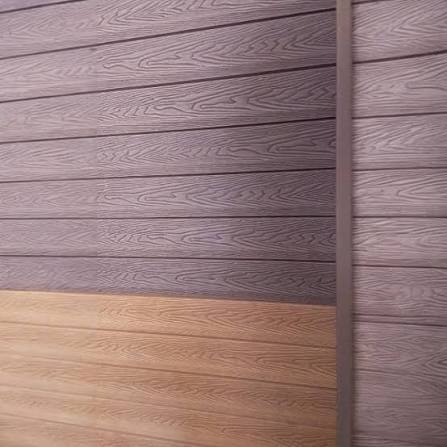
WPC wall panels are sustainable building materials in Kenya made from wood fibres and recycled plastic components to create durable decorative surfaces. They reduce dependence on natural timber while providing moisture resistance, termite protection, and long service performance.
Traditional timber can require:
- Frequent treatment
- Protection against termites
- Regular maintenance
WPC panels provide:
- Wood-like appearance
- Reduced maintenance
- Moisture resistance
- Termite resistance
- Longer decorative lifespan
Applications include:
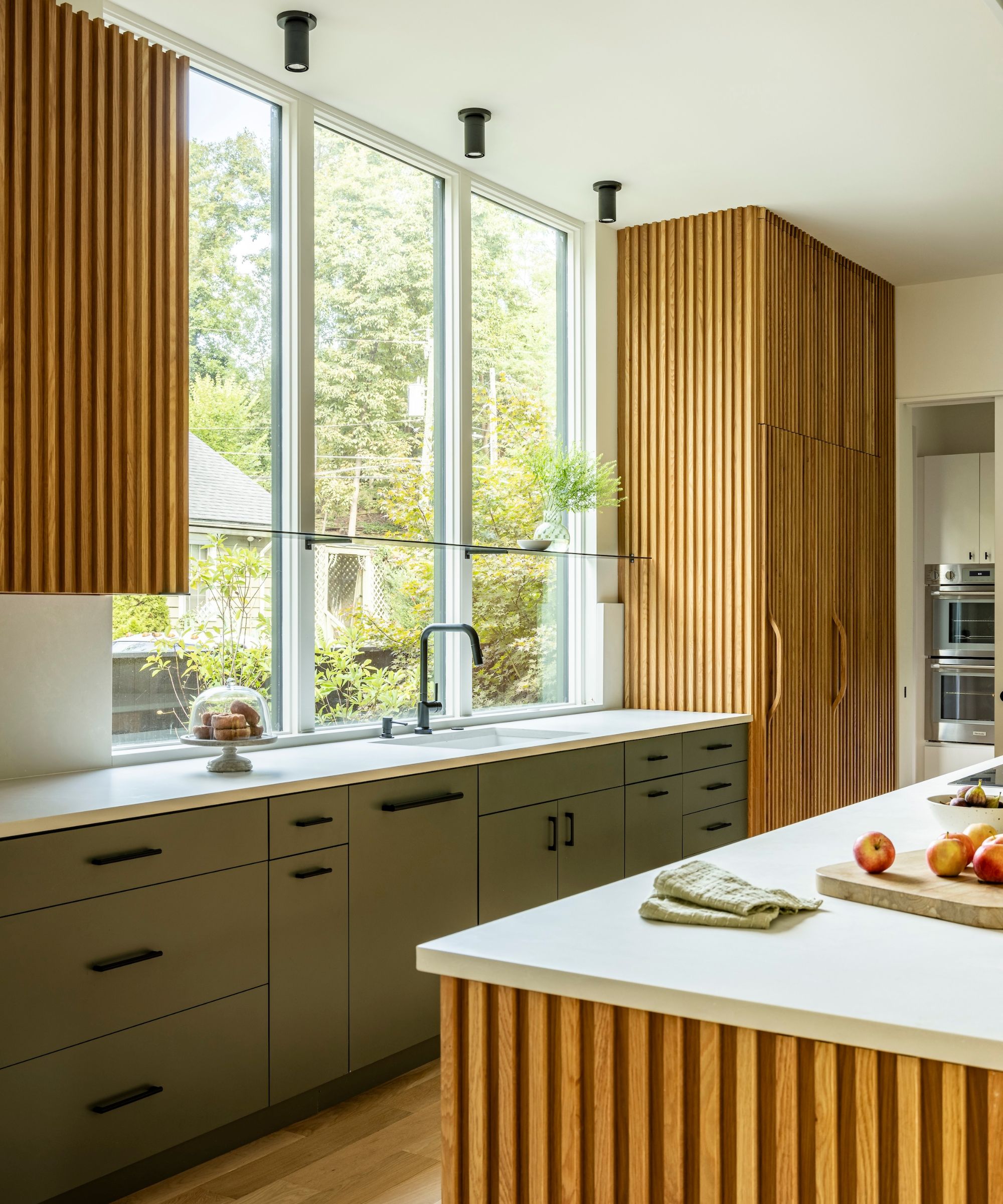
- Interior walls
- Feature walls
- Office interiors
- Hospitality spaces
Explore WPC solutions:
wpc-wall-panels
Polycarbonate Roofing and Energy-Efficient Design
Polycarbonate sheets are sustainable roofing building materials in Kenya because they allow natural daylight into buildings while providing UV protection and impact resistance. They can reduce dependence on artificial lighting during daytime operations.
Common applications:
- Skylights
- Walkways
- Commercial canopies
- Greenhouses
- Industrial roofing sections
Benefits:
- Natural light transmission
- Lightweight structure
- Long service life
- Reduced maintenance
Explore polycarbonate products:
polycarbonate-sheets
Sustainable Architectural Finishes: Alucobond and Marble Boards
Modern architectural materials such as Alucobond sheets and marble boards support sustainable construction by providing durable finishes with reduced maintenance requirements. Their long-lasting surfaces help reduce the need for frequent replacement and refurbishment.
Alucobond Sheets
Alucobond sheets are aluminium composite panels used for durable building facades and architectural cladding applications. Their lightweight structure reduces facade load while providing weather-resistant exterior protection.
Applications:
- Commercial facades
- Office buildings
- Retail centres
Explore:
alucobond-sheets
Marble Boards
Marble boards provide a decorative alternative to natural stone by delivering marble-like finishes with easier installation and lower material requirements. They help create premium interiors while reducing the weight and complexity associated with natural stone installation.
Explore:
marble-boards
Technical Specifications Table: Sustainable Building Materials Example
| Parameter | Specification |
|---|---|
| Material | WPC Wall Panel |
| Composition | Wood fibre + polymer composite |
| Application | Interior walls and ceilings |
| Resistance | Moisture and termite resistant |
| Maintenance | Low maintenance surface |
| Installation | Clip, adhesive, or framing system |
| Purpose | Sustainable decorative finishing |
Sustainable Materials and Kenya’s Climate Conditions
Sustainable building materials in Kenya must be selected according to regional climate conditions, including humidity, UV exposure, rainfall, and temperature changes. Climate-appropriate materials provide better durability and reduce replacement requirements.
Coastal Kenya (Mombasa)
Challenges:
- High humidity
- Salt exposure
- Corrosion risks
Suitable considerations:
- Corrosion-resistant metals
- Moisture-resistant finishes
- Durable coatings
Nairobi and Central Kenya
Challenges:
- Strong UV exposure
- Temperature variation
Suitable considerations:
- UV-resistant roofing
- Stable exterior finishes
- Low-maintenance materials
Rift Valley
Challenges:
- Wind loads
- Temperature fluctuations
Suitable considerations:
- Strong structural systems
- Durable exterior materials
Sustainable Construction and Kenya Building Standards
Sustainable construction must still comply with Kenyan building requirements, including applicable KEBS standards and the National Building Code 2024. Compliance ensures that environmentally responsible materials also meet safety and structural expectations.
Contractors should consider:
- Material certification
- Structural performance
- Fire safety requirements
- Installation standards
Sustainability does not replace safety; both must work together.
How Contractors Can Choose Sustainable Building Materials in Kenya
Choosing sustainable building materials requires evaluating durability, environmental impact, maintenance needs, and project requirements. The best materials provide long-term value rather than simply having the lowest purchase price.
Selection process:
- Identify project requirements
- Evaluate material lifespan
- Check supplier reliability
- Confirm technical specifications
- Consider maintenance costs
- Plan efficient delivery
The Importance of Sustainable Material Supply Chains
A reliable supply chain is essential for sustainable construction because it reduces project delays, unnecessary transportation, and material waste. Efficient suppliers help contractors receive the correct materials at the right time.
BHD supports construction projects through:
- Reliable stock availability
- Technical product guidance
- Same-day Nairobi delivery
-
Next-day delivery countrywide to:
- Nakuru
- Kisumu
- Mombasa
- Eldoret
- Thika
- Meru
- Kitengela
- Malindi
Browse BHD catalog:
catalog
Common Mistakes When Choosing Sustainable Materials
Common mistakes include selecting materials based only on environmental claims without checking durability, standards, and suitability for the project. A truly sustainable material must perform effectively throughout its intended lifespan.
Avoid:
- Buying unverified products
- Ignoring installation requirements
- Choosing unsuitable materials for climate conditions
- Focusing only on initial cost
The Future of Sustainable Construction in Kenya
The future of construction in Kenya will increasingly involve materials that combine sustainability, durability, and efficient performance. Composite materials, recyclable metals, and energy-efficient systems will continue shaping modern buildings.
Future trends include:
- Greater use of recycled materials
- Increased demand for low-maintenance finishes
- More energy-efficient buildings
- Advanced facade systems
- Improved construction waste management
Developers and contractors who adopt sustainable solutions early can create buildings with better lifecycle value.
FAQ: Sustainable Building Materials in Kenya
1. What are sustainable building materials in Kenya?
They are construction products designed to reduce environmental impact while maintaining durability and performance.
2. Is steel a sustainable construction material?
Yes. Steel is highly recyclable and can be reused in many construction applications.
3. Are WPC panels environmentally friendly?
WPC panels can reduce dependence on natural timber and provide long-lasting decorative solutions.
4. Why are polycarbonate sheets considered sustainable?
They allow natural lighting, reducing reliance on artificial lighting during the day.
5. Are sustainable materials more expensive?
Some may have higher initial costs but often provide savings through durability and reduced maintenance.
6. What sustainable materials are used for modern interiors?
Popular options include WPC panels, marble boards, and composite decorative materials.
7. Do sustainable materials meet Kenyan standards?
Quality sustainable materials should comply with applicable KEBS standards and building regulations.
8. Where can I buy sustainable building materials in Kenya?
Contractors can source sustainable construction materials from suppliers such as BHD Kenya.
Conclusion: Building a Sustainable Future with Better Materials
The future of building materials in Kenya is moving toward solutions that combine environmental responsibility with practical construction performance. From recyclable steel and WPC cladding to energy-efficient polycarbonate roofing, sustainable materials are helping create stronger, smarter, and more efficient buildings.
For contractors, architects, and developers, choosing the right materials means balancing durability, compliance, cost, and environmental impact.
BHD provides reliable construction and architectural materials that support Kenya’s transition toward modern sustainable building practices.
Call to Action
Contact Burhani Hardware Dealers (BHD)
burhanihardwaredealers [at] yahoo.com
Call/WhatsApp: +254 731 217 462 | +254 790 545 205
Visit: BHD, Industrial Area, Funzi Road, Nairobi
Website: https://bhd.co.ke/
Delivery Guarantee:
Same-day delivery within Nairobi.
Next-day delivery countrywide to Nakuru, Kisumu, Mombasa, Eldoret, Thika, Meru, Kitengela, Malindi.
Frequently asked questions

Written & reviewed by
BHD Kenya
Burhani Hardware Dealers (BHD Kenya) is a Nairobi-based supplier of polycarbonate roofing, Alucobond/ACP cladding, Perspex, WPC wall panels and steel products, serving contractors, fabricators and homeowners across Kenya.