

Why WPC Panels Are Better Than Timber in Kenya | BHD

Quick answer
WPC panels are made from wood fibre bonded with plastic, giving a timber look without timber's weaknesses. They do not rot, absorb very little water, are not eaten by termites and need washing rather than sanding and repainting. Natural timber costs less up front and can be refinished, but usually costs more to maintain over a building's life.
In Kenya’s construction industry, the shift from traditional timber to modern materials is accelerating. One of the most notable transitions is the growing adoption of Wood Plastic Composite (WPC) panels as a reliable alternative to natural wood.
Contractors, developers, and architects are increasingly choosing WPC panels due to their resistance to weather, reduced maintenance requirements, and longer service life—especially in demanding Kenyan environments such as coastal regions and high-traffic urban developments.
Explore available options here:
wpc-wall-panels
What Are WPC Panels?
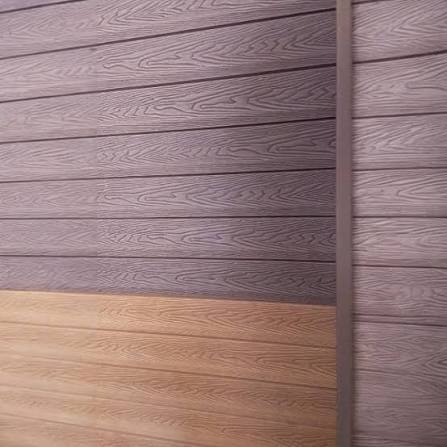
WPC panels are composite materials made from a combination of wood fibers and thermoplastics. They are designed to replicate the appearance of timber while offering improved durability, moisture resistance, and structural stability.
WPC panels combine recycled wood particles with polymers, resulting in a material that:
- Does not absorb water like timber
- Resists termites and fungal decay
- Maintains dimensional stability under temperature changes
Unlike natural wood, WPC panels do not crack, warp, or split under normal environmental conditions.
Why Are WPC Panels Replacing Timber in Kenya?
WPC panels are replacing timber because they last longer, require less maintenance, and perform better in Kenya’s climate conditions. They offer cost savings over time due to reduced repairs and replacements.
Key Drivers of Adoption
1. Durability in Harsh Conditions
Timber is highly sensitive to moisture, especially in coastal areas like Mombasa where humidity accelerates rot and decay. WPC panels, on the other hand, are moisture-resistant and do not degrade under similar conditions.
2. Reduced Maintenance Costs
Timber requires:
- Regular polishing
- Anti-termite treatment
- Frequent repainting
WPC panels eliminate most of these recurring costs.
3. Consistent Supply
Timber availability in Kenya fluctuates due to logging restrictions and environmental policies. WPC panels provide a stable, scalable alternative for large projects.
WPC vs Timber Wall Panels in Kenya (Durability Comparison)
WPC panels are more durable than timber because they resist moisture, insects, and environmental damage. Timber requires ongoing treatment to achieve similar performance levels.
Performance Comparison
Moisture Resistance
- Timber absorbs water → swelling and warping
- WPC panels repel moisture → stable structure
Pest Resistance
- Timber is vulnerable to termites
- WPC is resistant to insect damage
Lifespan
- Timber: 5–15 years (depending on maintenance)
- WPC: 15–25+ years under normal conditions
Cost Comparison: WPC vs Timber in Kenya
WPC panels may have a higher initial cost than timber but are more cost-effective over time due to lower maintenance and longer lifespan.
Cost Breakdown
| Cost Factor | Timber | WPC Panels |
|---|---|---|
| Initial Cost | Lower | Moderate |
| Maintenance | High | Minimal |
| Replacement Frequency | Frequent | Rare |
| Long-Term Cost | High | Lower |
Real Contractor Insight
In Nairobi-based residential projects, developers using WPC panels report fewer post-installation repairs compared to timber installations, especially in exterior applications.
Weather Resistance in Kenyan Conditions
WPC panels perform better than timber in Kenya’s diverse climates, including coastal humidity, UV exposure in Nairobi, and temperature variation in highland regions.
Regional Performance
Coastal Areas (Mombasa, Malindi)
- Timber deteriorates quickly due to salt air
- WPC resists corrosion and moisture
Nairobi & Central Kenya
- UV exposure causes timber fading and cracking
- WPC maintains color and structure longer
Rift Valley
- Temperature fluctuations cause timber expansion
- WPC remains dimensionally stable
Applications of WPC Panels in Construction
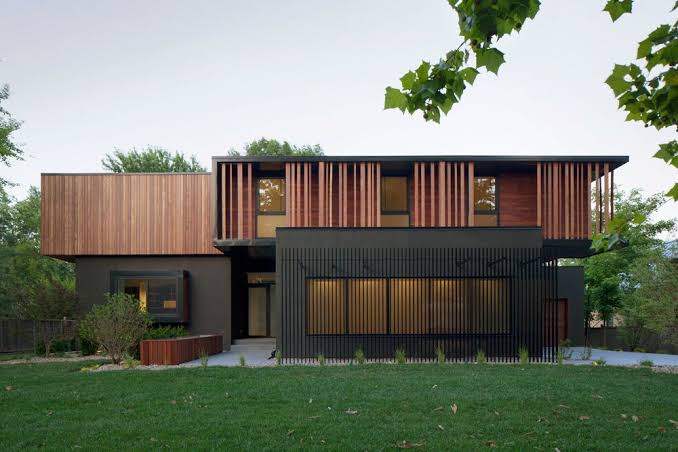
WPC panels are used for wall cladding, ceilings, partitions, and decorative finishes in both residential and commercial buildings.
Common Use Cases
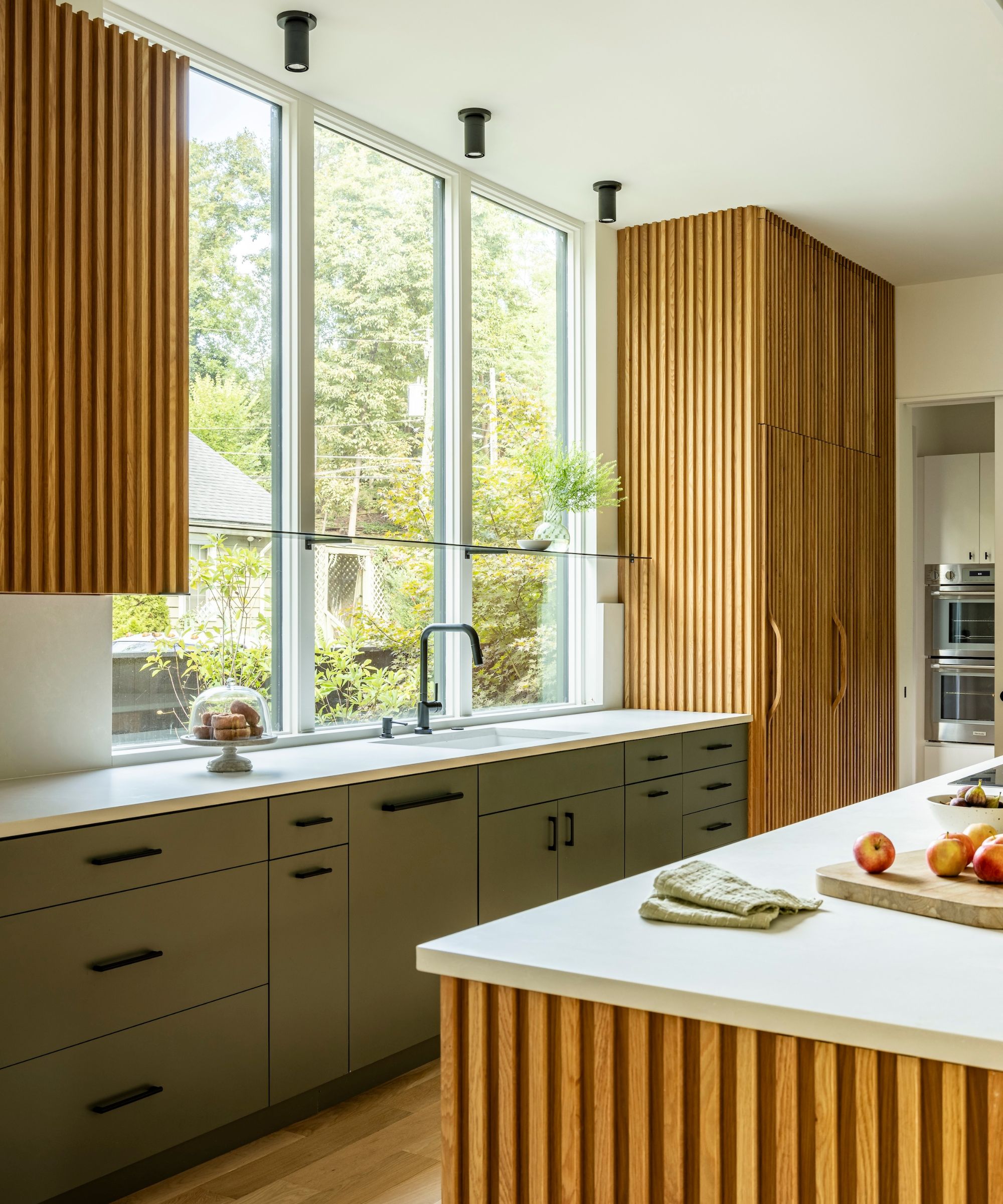
- Interior wall panels
- Exterior cladding
- Ceiling finishes
- Office partitions
- Retail shop fittings
Practical Example
In commercial fit-outs across Nairobi, WPC panels are widely used for fast interior finishing due to their ease of installation and uniform appearance.
Installation Advantages Over Timber
WPC panels are easier and faster to install than timber because they come in uniform sizes and require less surface preparation.
Installation Benefits
- No seasoning required
- Minimal cutting waste
- Faster fixing using clips or screws
- Reduced labor time
This directly impacts project timelines, especially for large-scale developments.
Compliance and Sustainability in Kenya
WPC panels support sustainable construction by reducing reliance on natural timber and aligning with modern building standards.
Sustainability Benefits
- Reduces deforestation pressure
- Uses recycled materials
- Lower environmental impact over lifecycle
Regulatory Alignment
- Supports green building initiatives
- Aligns with modern construction practices under the National Building Code 2024
WPC vs Timber: When Should You Choose Each?
WPC panels are ideal for long-term, low-maintenance applications, while timber may still be used for traditional aesthetics or low-budget temporary projects.
Choose WPC When:
- Project requires durability
- Exposure to weather is high
- Maintenance costs must be minimized
Choose Timber When:
- Budget is very limited
- Traditional wood appearance is required
- Short-term use is planned
Related Construction Materials
WPC panels are often used alongside other modern materials such as cladding sheets and polycarbonate panels for complete finishing systems.
Complementary Products
Alucobond Sheets
alucobond-sheets-in-kenya
Polycarbonate Sheets
polycarbonate-sheets
Logistics & Supply in Kenya
Reliable supply ensures project timelines are met, and BHD provides fast delivery across Kenya for WPC panels and related materials.
Delivery Capability
- Same-day delivery within Nairobi
- Next-day delivery to Kisumu, Nakuru, Mombasa, Eldoret
Why Buy WPC Panels from BHD?
BHD supplies high-quality WPC panels with consistent stock availability and reliable delivery, making it a trusted supplier for construction projects in Kenya.
Advantages
- Verified product quality
- Bulk supply capability
- Strategic Nairobi location
Frequently Asked Questions (FAQs)
Are WPC panels better than timber?
Yes, WPC panels are more durable, moisture-resistant, and require less maintenance than timber.
How long do WPC panels last in Kenya?
WPC panels can last over 20 years depending on usage and installation.
Are WPC panels waterproof?
WPC panels are water-resistant and do not absorb moisture like timber.
Are WPC panels expensive?
They have a higher upfront cost but lower long-term maintenance costs.
Can WPC panels be used outdoors?
Yes, they are suitable for exterior cladding and outdoor applications.
Do WPC panels fade in sunlight?
High-quality WPC panels are UV-resistant and maintain color longer than timber.
Is timber still used in construction?
Yes, but mainly for decorative or temporary applications due to maintenance requirements.
Conclusion
WPC panels are rapidly becoming the preferred alternative to timber in Kenya’s construction industry. Their durability, resistance to environmental conditions, and long-term cost efficiency make them a practical choice for modern projects.
For contractors and developers aiming to reduce maintenance costs while improving project lifespan, WPC panels provide a clear advantage over traditional timber.
Contact Burhani Hardware Dealers (BHD)
burhanihardwaredealers [at] yahoo.com
Call/WhatsApp: +254 731 217 462 | +254 790 545 205
Visit: BHD, Industrial Area, Funzi Road, Nairobi
Website: https://bhd.co.ke/
Delivery Guarantee:
Same-day delivery within Nairobi.
Next-day delivery countrywide to Nakuru, Kisumu, Mombasa, Eldoret, Thika, Meru, Kitengela, Malindi.
Frequently asked questions

Written & reviewed by
BHD Kenya
Burhani Hardware Dealers (BHD Kenya) is a Nairobi-based supplier of polycarbonate roofing, Alucobond/ACP cladding, Perspex, WPC wall panels and steel products, serving contractors, fabricators and homeowners across Kenya.