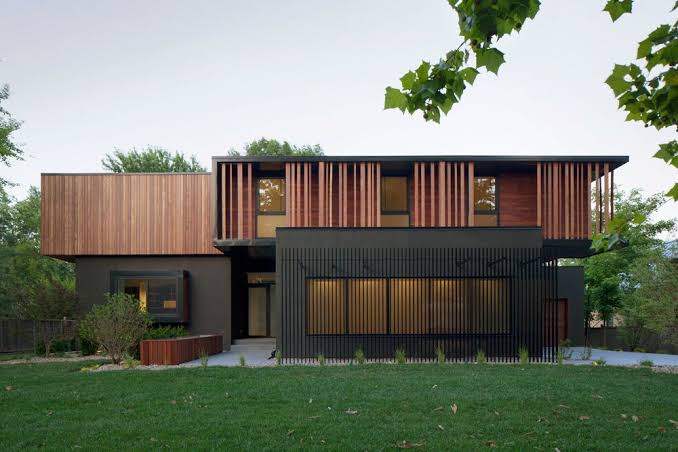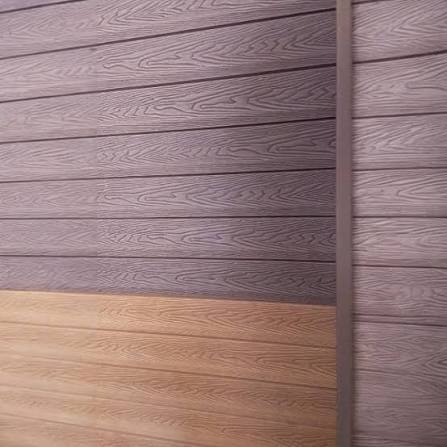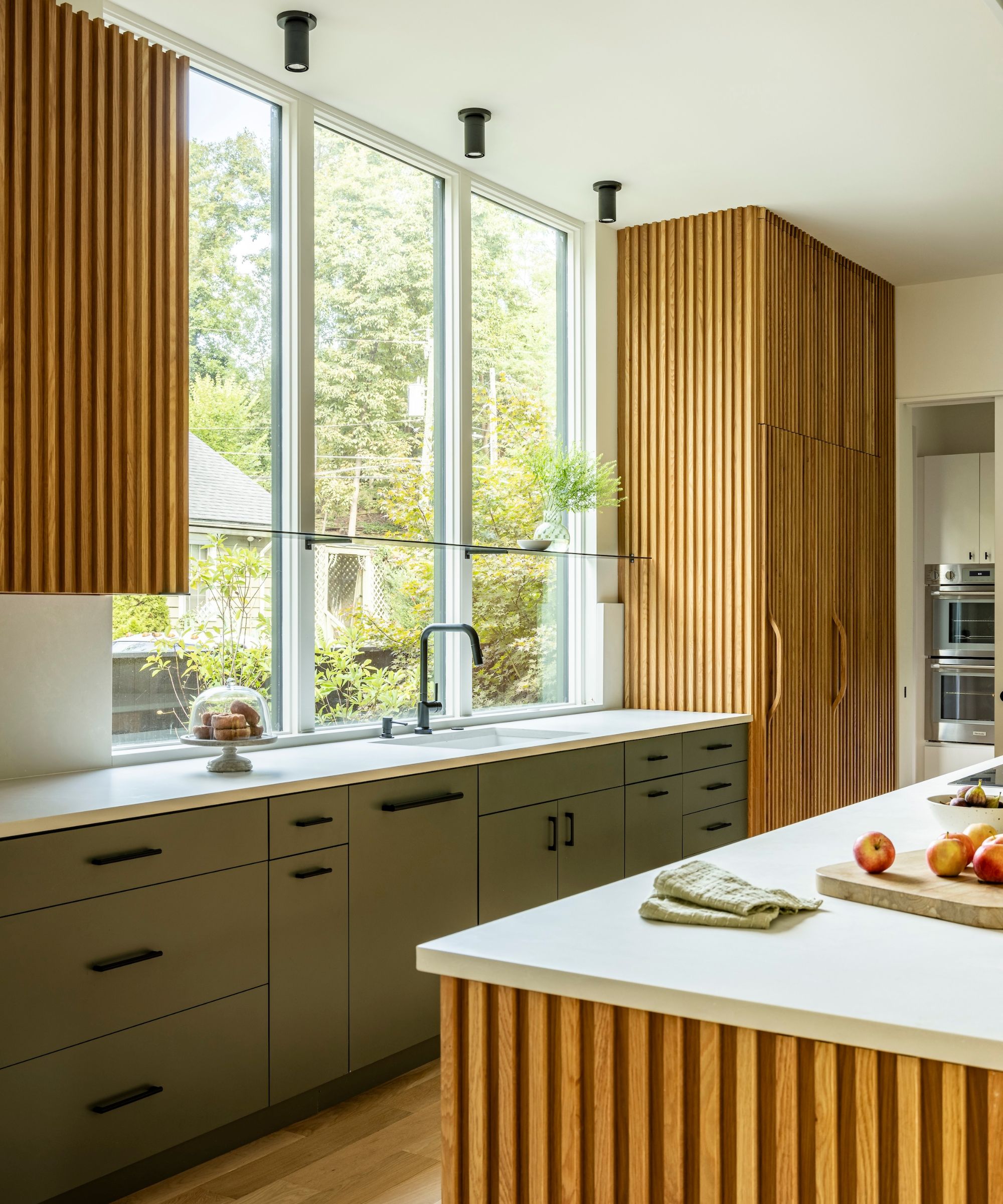


WPC Wall Panels Kenya: Easy Installation Guide 2026

Quick answer
WPC wall panels are installed onto a clean, dry and reasonably level wall. Measure and set out the wall, cut panels to length with a fine-tooth blade, then fix them using adhesive, clips or screws depending on the system supplied. Start plumb from one corner, lock each panel into the next, and close edges with matching trims.
WPC wall panels are installed by preparing a clean, dry and reasonably level substrate, measuring the wall, cutting the panels accurately and fixing them using a suitable installation system. Correct alignment, adequate support and proper finishing around corners and edges are essential for a professional result.
WPC, or Wood-Plastic Composite, panels are increasingly used for decorative interior walls in homes, offices, hotels, restaurants and commercial spaces.
They can create wood-effect, fluted, slatted and textured finishes without requiring conventional timber cladding.
However, a good-looking WPC wall depends heavily on installation quality. Poor measurements, uneven walls, incorrect adhesive or badly aligned joints can make an otherwise good product look unfinished.
This guide explains how to install WPC wall panels in Kenya, including preparation, tools, cutting, fixing, finishing, common mistakes and maintenance.
What Are WPC Wall Panels?
WPC wall panels are decorative composite panels manufactured from a combination of wood fibres or wood-based material and polymer components. They are primarily used for interior decorative applications such as feature walls, TV backdrops, bedrooms, offices and hospitality spaces.
WPC means Wood-Plastic Composite.
Unlike conventional timber boards, WPC panels are engineered as composite products.
Common designs include:
- Fluted panels
- Slatted panels
- Wood-grain finishes
- Ribbed profiles
- Textured surfaces
- Decorative acoustic-style patterns
The appearance can resemble natural timber while offering a manufactured surface designed for relatively straightforward decorative installation.
BHD provides WPC wall panels for modern interior applications.
Where Can WPC Wall Panels Be Installed?
WPC panels are commonly installed on interior feature walls, TV walls, bedroom walls, office reception areas and selected hospitality interiors. The panel must be suitable for the specific environment, particularly where humidity, water, heat or direct sunlight is involved.
Typical applications include:
| Application | Suitability |
|---|---|
| Living-room feature wall | Excellent |
| TV backdrop | Excellent |
| Bedroom accent wall | Excellent |
| Office feature wall | Excellent |
| Reception area | Excellent |
| Hotel interior | Suitable |
| Restaurant interior | Suitable |
| Bathroom | Product-specific |
| Kitchen backsplash | Product-specific |
| Exterior wall | Do not assume suitability |
WPC should not automatically be treated as a waterproof or exterior material simply because it contains polymer.
Always check the product's technical specifications.
What Tools Do You Need to Install WPC Wall Panels?
A WPC installation normally requires measuring, marking, cutting and fixing tools, with the exact equipment depending on the panel profile and installation method. Accurate measuring tools are particularly important because small errors become visible when multiple panels are installed side by side.
A basic installation toolkit can include:
- Tape measure
- Pencil or marker
- Spirit level
- Straight edge
- Measuring square
- Cutting tool
- Drill
- Screwdriver
- Appropriate screws
- Adhesive, where specified
- Caulking gun
- Fine-tooth cutting blade
- Safety glasses
- Gloves
- Dust mask when cutting
For larger commercial projects, installers may also use:
- Laser level
- Mitre saw
- Circular saw
- Table saw
- Stud finder
- Appropriate power tools
The cutting tool should match the panel manufacturer's recommendations.
How Do You Prepare the Wall Before Installing WPC Panels?
The wall should be clean, dry, stable and sufficiently flat before WPC panels are installed. Dampness, loose plaster, significant unevenness and weak surfaces should be corrected before fixing the panels.
Wall preparation is one of the most important parts of the installation.
Inspect the wall for:
- Damp patches
- Mould
- Loose paint
- Crumbling plaster
- Cracks
- Uneven areas
- Protruding screws
- Dust and grease
Clean the Surface
Remove:
- Dust
- Grease
- Loose paint
- Dirt
- Old adhesive
Repair Defects
Fill significant holes and repair damaged plaster.
Check Moisture
Do not cover an active damp problem with decorative panels.
If moisture is trapped behind the panel, it can affect the wall, adhesive and installation.
Check Flatness
Place a straight edge against the wall.
Small variations may be manageable depending on the installation system, but substantial irregularities may require levelling or a supporting framework.
How Do You Measure the Wall for WPC Panels?
Measure the wall's height and width at several points rather than relying on one measurement. Calculate the total coverage area and add an appropriate allowance for cutting, corners and installation waste.
For a simple rectangular wall:
Wall area = Width × Height
For example:
A wall measuring:
4 m × 2.7 m
has an area of:
10.8 m²
If the wall contains a door or large window, subtract the relevant opening.
However, do not order exactly the calculated area without considering cutting waste.
Wastage depends on:
- Wall shape
- Panel length
- Panel width
- Number of corners
- Windows
- Doors
- Pattern direction
For patterned or fluted panels, layout planning becomes particularly important.
How Much WPC Panel Do You Need?
The required quantity depends on the wall area, panel dimensions and installation layout, with additional material needed for cutting and unavoidable waste. Contractors should calculate coverage from the actual panel dimensions rather than estimating from the number of pieces alone.
For example, if one panel covers 0.5 m² and the wall requires 10.8 m²:
10.8 ÷ 0.5 = 21.6 panels
You cannot purchase 21.6 panels, so the base requirement becomes 22 panels before allowing for cutting waste.
The final quantity could therefore be higher.
Always confirm the actual coverage per panel with the supplier.
How Do You Plan the WPC Panel Layout?
Plan the panel arrangement before making permanent cuts or applying adhesive. Proper layout keeps vertical lines straight, reduces waste and prevents awkward narrow strips from appearing at corners.
Start by determining:
- Where the first panel will begin
- Where the last panel will finish
- How corners will be handled
- Where sockets occur
- Where the TV will be mounted
- Where shelves or cabinets will be positioned
Avoid Narrow End Pieces
Suppose the wall requires 8 full panels but leaves only a very narrow strip at one end.
Instead of starting with a full panel, installers can sometimes divide the adjustment between both sides.
This creates a more balanced appearance.
How Do You Cut WPC Wall Panels?
WPC panels should be cut using a suitable sharp blade or cutting tool that produces a clean edge without unnecessarily damaging the decorative profile. Measure twice, mark clearly and make the cut only after confirming the panel orientation.
Before cutting:
- Measure the required length.
- Mark the cutting line.
- Confirm the correct side of the panel.
- Secure the panel.
- Use the recommended cutting tool.
- Make the cut steadily.
- Inspect the edge.
For electrical sockets, switches and other openings, measure their position from fixed reference points rather than guessing.
An incorrectly positioned socket opening can result in an expensive panel being wasted.
How Do You Fix WPC Wall Panels?
WPC panels can be fixed using adhesive, mechanical fasteners, clips or a combination of methods depending on the panel design and manufacturer's instructions. The fixing system must be compatible with the panel, substrate and expected environmental conditions.
The installation method can vary.
Adhesive Fixing
Suitable adhesive may be used where:
- The substrate is sound
- The surface is appropriately prepared
- The panel is suitable for adhesive fixing
Mechanical Fixing
Screws or other mechanical systems may be used where the product permits them.
Framework Installation
A supporting framework may be appropriate where:
- The wall is significantly uneven
- Services need to pass behind the panels
- Additional support is required
- The panel system is designed for framework installation
Do not assume that one fixing method works for every WPC product.
How Do You Install WPC Panels With Adhesive?
Adhesive installation requires a clean, dry substrate and an adhesive compatible with both the WPC panel and wall surface. Apply the adhesive according to the manufacturer's instructions and position the panel carefully because repositioning may become difficult once the adhesive begins to set.
A general process is:
- Clean the wall.
- Check the surface.
- Measure and cut the panel.
- Apply the recommended adhesive.
- Position the panel.
- Press it firmly into place.
- Check vertical alignment.
- Continue with the next panel.
Do not use excessive adhesive simply to compensate for a badly uneven wall.
A substrate problem should be corrected rather than hidden behind adhesive.
How Do You Install WPC Panels on an Uneven Wall?
A significantly uneven wall may require levelling, battens or a suitable supporting framework before WPC panels are installed. Trying to force rigid panels against major irregularities can produce visible waves, poor joints or unreliable fixing.
Assess the wall first.
If the wall has only minor variations, the selected fixing system may accommodate them.
For significant unevenness, consider:
- Levelling
- Battens
- Framing
- Substrate repair
The appropriate solution depends on the panel system.
This is particularly important for long fluted panels because even small alignment errors can become visually obvious over a large wall.
How Do You Keep WPC Panels Straight?
Use a spirit level or laser level to establish a perfectly vertical reference line before installing the first panel. The first panel is critical because every subsequent panel follows its position and alignment.
Do not begin installation from an obviously uneven corner simply because it is convenient.
Instead:
- Identify the best reference point.
- Mark a vertical line.
- Check it with a level.
- Position the first panel.
- Secure it.
- Recheck alignment.
- Continue across the wall.
A small error in the first panel can become a large visual error at the opposite end.
How Do You Install WPC Panels Around Electrical Sockets?
Electrical sockets and switches should be measured and marked before the panel is permanently fixed. Openings should be cut accurately while maintaining adequate clearance and ensuring the electrical installation remains safe and accessible.
Before cutting:
- Switch off electrical work where necessary.
- Measure the socket location.
- Transfer measurements to the panel.
- Mark the opening.
- Confirm measurements.
- Cut carefully.
- Test the fit.
Electrical connections should be handled by a qualified electrician where required.
Do not cover junction boxes or service points permanently without considering future access.
How Do You Install WPC Panels Behind a TV?
A WPC panel can create an attractive TV feature wall, but the television should be supported by an appropriate structural fixing rather than relying solely on the decorative panel. Cable routes and mounting points should be planned before the panels are installed.
A typical TV feature wall may include:
- WPC panels
- TV bracket
- Reinforced mounting point
- Concealed cables
- LED lighting
- Floating cabinet
The structural support may need to be positioned behind the decorative finish.
Plan the TV location before installation.
This avoids cutting finished panels unnecessarily.
Can WPC Panels Be Installed Over Gypsum?
WPC panels can be installed over a suitable gypsum surface when the substrate is stable and the selected fixing method is compatible with the board. Heavy televisions, cabinets and shelving require separate structural support rather than relying on the decorative panel.
Check:
- Gypsum board condition
- Framing location
- Panel weight
- Adhesive compatibility
- Fixing method
- Load requirements
For a TV wall, structural reinforcement should be planned before the gypsum wall is closed.
Can WPC Panels Be Installed Over Tiles?
WPC panels may be installed over existing tiles if the tiles and substrate are sound, clean, dry and compatible with the selected fixing system. Loose tiles, grease, moisture or significant surface irregularities should be addressed before installation.
Check whether:
- Tiles are firmly bonded
- Grout is stable
- Surface is clean
- Wall is dry
- Fixing system is approved
In some cases, removing the tiles may provide a better substrate.
Can WPC Wall Panels Be Used in Bathrooms?
Only use WPC panels in bathroom areas when the specific product is rated for the expected moisture conditions and the installation system provides appropriate protection. WPC should not automatically be treated as waterproof simply because it is moisture-resistant.
Pay particular attention to:
- Shower areas
- Joints
- Corners
- Penetrations
- Sealants
- Ventilation
For direct water exposure, confirm the manufacturer's technical documentation before installation.
What WPC Wall Panel Specifications Should You Check?
Before installation, contractors should confirm panel dimensions, thickness, weight, profile, surface finish, fixing method and intended application. These specifications determine how the panels should be handled, cut and supported.
WPC Panel Specification Table
| Parameter | Specification to Confirm |
|---|---|
| Material | Wood-Plastic Composite |
| Panel length | Manufacturer specification |
| Panel width | Manufacturer specification |
| Thickness | Manufacturer specification |
| Weight | kg per panel or m² |
| Profile | Fluted, slatted, smooth or other |
| Surface finish | Wood-effect/textured/etc. |
| Fixing method | Adhesive, screws, clips or system |
| Application | Interior/exterior as specified |
| Moisture performance | Manufacturer rating |
| Cutting method | Product-specific |
| Maintenance | Manufacturer recommendation |
Do not insert assumed dimensions into a project specification.
The actual product being purchased should determine the final technical data.
How Much Does WPC Wall Panel Installation Cost in Kenya?
WPC installation costs in Kenya vary according to panel type, wall condition, project size, fixing method and labour requirements. The total budget should include panels, accessories, preparation, cutting and installation rather than considering the panel price alone.
Installation costs may be affected by:
- Wall size
- Number of corners
- Ceiling height
- Wall condition
- Number of electrical openings
- Panel pattern
- Cutting requirements
- Framework
- Adhesive/fixings
- Labour
A straightforward rectangular wall is generally easier to install than a wall containing multiple:
- Windows
- Doors
- Columns
- Niches
- Sockets
- Corners
For accurate budgeting, obtain the current panel price and installation quotation based on the actual project dimensions.
You can view BHD's construction materials catalog or contact the supplier for current product availability.
How Do You Finish WPC Panel Corners?
Corners should be finished using the appropriate trim, profile, joint or manufacturer-approved finishing method for the selected WPC system. The objective is to create a clean transition without exposing rough or inaccurately cut panel edges.
Possible approaches include:
- Corner trims
- Matching profiles
- Butt joints
- Shadow gaps
- Decorative metal profiles
The correct option depends on the panel design.
Corners should be planned before installation because they affect the required panel quantity.
How Do You Finish the Top and Bottom Edges?
Exposed WPC panel edges should be finished using an appropriate trim, moulding, skirting or other approved detail. A properly finished edge protects the installation visually and can reduce the appearance of uneven cuts.
Consider how the panel meets:
- Floor
- Ceiling
- Skirting
- Door frames
- Windows
- Other wall finishes
A small finishing detail can make a significant difference to the final appearance.
How Long Does WPC Wall Panel Installation Take?
Installation time depends on wall size, substrate condition, panel dimensions, cutting requirements and the fixing method. A simple feature wall can be completed relatively quickly, while larger or highly detailed installations require more preparation and finishing work.
Factors affecting installation time include:
- Wall preparation
- Number of panels
- Cutting
- Electrical openings
- Corners
- Adhesive curing
- Framework
- Finishing
Do not compare projects purely by wall area.
A 10 m² plain wall may be much easier than a 10 m² TV wall containing lighting, sockets, cabinets and multiple angles.
What Are the Most Common WPC Installation Mistakes?
Most WPC installation problems result from poor wall preparation, inaccurate measurement, incorrect fixing, poor alignment or unsuitable environmental conditions. Careful preparation before the first panel is installed prevents many expensive corrections later.
Common mistakes include:
1. Installing Over a Damp Wall
This can trap moisture behind the panels.
2. Skipping Measurements
Small errors accumulate across multiple panels.
3. Starting Without a Reference Line
The whole installation can become visibly crooked.
4. Using the Wrong Adhesive
The adhesive must be compatible with the panel and substrate.
5. Ignoring Wall Irregularities
Panels cannot always hide major wall defects.
6. Poor Cutting
Rough edges become visible around sockets and corners.
7. Forgetting Cable Routes
This can require unnecessary cutting after installation.
8. Supporting Heavy Loads From the Panel Alone
Structural support must be provided separately where required.
9. Ignoring Product Instructions
Different WPC systems can have different fixing requirements.
How Do You Maintain WPC Wall Panels?
WPC wall panels generally require routine dusting and gentle cleaning rather than repainting, but maintenance requirements depend on the panel's surface finish and manufacturer instructions. Avoid harsh chemicals and abrasive tools unless the product documentation specifically permits them.
For normal maintenance:
- Dust regularly.
- Use a soft cloth.
- Wipe spills promptly.
- Use suitable mild cleaning products.
- Avoid abrasive brushes.
- Inspect corners and joints.
- Check for moisture problems.
Fluted panels may require more careful dust removal because dirt can collect inside the grooves.
Are WPC Wall Panels Suitable for Coastal Kenya?
WPC panels can be suitable for selected interior applications in coastal Kenya, but the product's moisture performance and the installation environment should be checked before use. High humidity makes substrate preparation, ventilation and moisture control particularly important.
For Mombasa and other coastal areas, consider:
- Humidity
- Salt-laden air
- Ventilation
- Damp walls
- Cleaning requirements
- Metal fixing corrosion
Moisture resistance in the panel does not eliminate moisture problems in the building.
Are WPC Wall Panels Suitable for Nairobi?
WPC panels are well suited to many interior decorative applications in Nairobi when installed on a suitable substrate. Living rooms, bedrooms, TV walls, offices and reception areas are common applications where the panels are protected from inappropriate moisture and heat exposure.
For Nairobi homes, consider:
- Dust accumulation
- Interior humidity
- Wall condition
- UV exposure if near large windows
- Cleaning requirements
Where strong sunlight reaches a panel for long periods, check whether the selected product has the required UV-performance specification.
Can WPC Panels Be Used Outdoors?
Do not assume that an interior WPC wall panel is suitable for exterior use. Outdoor installation requires a product specifically designed and rated for weather, UV exposure, temperature changes, moisture and the relevant fixing conditions.
Exterior applications experience conditions that interior panels do not.
These can include:
- Direct sunlight
- Rain
- Wind
- Temperature changes
- UV exposure
- Moisture
- Dust
For an exterior project, select an exterior-rated product rather than adapting an interior decorative panel.
What Is the Best Way to Install WPC Wall Panels?
The best installation method is the one specified for the particular WPC product and compatible with the existing substrate. For a professional result, prioritize accurate measurement, a stable wall, a straight first panel, suitable fixing and properly finished edges.
The basic workflow is:
Inspect → Measure → Plan → Prepare → Cut → Fix → Align → Finish → Inspect
Do not rush the preparation stage.
Most visible installation defects originate before the first panel has been permanently fixed.
Frequently Asked Questions About WPC Wall Panels Kenya
WPC wall panels Kenya projects require careful attention to substrate condition, panel specifications and the correct fixing method. Proper preparation and alignment are more important to the finished appearance than simply choosing an attractive panel design.
Can I install WPC wall panels myself?
Yes, a simple decorative wall can be suitable for DIY installation if you have the necessary tools and follow the manufacturer's instructions. Electrical work and structural mounting should be handled appropriately.
Do WPC panels need glue?
Some WPC systems can be installed with adhesive, while others use screws, clips or supporting systems. Follow the installation method specified for the particular product.
Can WPC panels cover an uneven wall?
Minor irregularities may be manageable depending on the fixing system, but major unevenness may require levelling, battens or a supporting framework.
Are WPC panels waterproof?
WPC can have moisture-resistant properties, but individual products differ. Never assume that a panel is suitable for continuous water exposure without checking its specifications.
Can WPC panels be installed over paint?
They can be installed over suitable painted surfaces when the paint is firmly bonded, clean and compatible with the fixing method. Loose or failing paint should be removed.
Can WPC panels be installed over tiles?
Yes, where the tiles are sound, clean, dry and compatible with the selected fixing system. Loose tiles should be repaired or removed.
How do I clean WPC wall panels?
Regular dusting and gentle cleaning with a suitable soft cloth are generally appropriate. Follow the manufacturer's recommendations for cleaning chemicals.
Where can I buy WPC wall panels in Kenya?
You can browse WPC wall panels from BHD and contact the supplier for current specifications, availability and delivery requirements.
Final Verdict: How to Install WPC Wall Panels Successfully
Installing WPC wall panels successfully requires more than simply attaching panels to a wall; the substrate, measurements, layout, fixing system and finishing details all need to be correct. A properly prepared wall and accurately aligned first panel provide the foundation for a professional installation.
For contractors and homeowners in Kenya, the recommended sequence is:
- Inspect the wall.
- Fix dampness and structural defects.
- Clean and prepare the substrate.
- Measure the entire wall.
- Plan the panel layout.
- Confirm panel quantities.
- Establish a level reference line.
- Cut panels accurately.
- Use the correct fixing method.
- Check alignment continuously.
- Finish corners and exposed edges.
- Inspect the completed installation.
For WPC and other architectural finishing materials, browse the BHD catalog.
Contact Burhani Hardware Dealers (BHD)
Email: burhanihardwaredealers [at] yahoo.com
Call/WhatsApp: +254 731 217 462 | +254 704 606 131
Visit: BHD, Industrial Area, Funzi Road, Nairobi
Website: https://bhd.co.ke/
Delivery Guarantee:
Same-day delivery within Nairobi.
Next-day delivery countrywide to Nakuru, Kisumu, Mombasa, Eldoret, Thika, Meru, Kitengela and Malindi
Frequently asked questions

Written & reviewed by
BHD Kenya
Burhani Hardware Dealers (BHD Kenya) is a Nairobi-based supplier of polycarbonate roofing, Alucobond/ACP cladding, Perspex, WPC wall panels and steel products, serving contractors, fabricators and homeowners across Kenya.