

A Contractor's Guide to Cost-Effective Building Materials in Kenya | BHD Kenya
Quick answer
Cost-effective building materials are those that deliver the lowest total cost over a project's life, not the lowest price at purchase. For Kenyan contractors that means specifying standard sizes to reduce offcuts, buying certified steel and sheets that will pass inspection, consolidating deliveries, and choosing finishes such as WPC or ACP that need little maintenance after handover.
Cost-effective building materials in Kenya are materials that provide reliable performance, durability, and compliance while delivering value throughout the construction lifecycle. For contractors, the goal is not choosing the cheapest option but selecting materials that reduce waste, delays, and future maintenance costs.
Construction projects in Kenya operate under constant pressure from fluctuating material prices, labour costs, transport expenses, and strict project timelines. Successful contractors understand that material sourcing is a strategic decision that affects profitability and project quality.
Whether constructing residential apartments in Nairobi, commercial buildings in Kisumu, warehouses in Eldoret, or coastal developments in Mombasa, selecting the right supplier and materials can significantly improve project efficiency.
BHD supports contractors, developers, and fabricators by supplying reliable construction solutions including steel products, roofing systems, architectural finishes, and fabrication materials.
Explore BHD construction solutions:
bhd
What Makes Building Materials Cost-Effective in Kenya?
Cost-effective building materials in Kenya combine reasonable purchase prices with durability, availability, compliance, and low maintenance requirements. A material with a slightly higher upfront cost can provide better value if it reduces repairs, replacements, and construction delays.
Contractors should evaluate materials based on the total project cost, including:
- Purchase price
- Transport costs
- Installation requirements
- Expected lifespan
- Maintenance needs
- Availability during construction
For example, selecting certified structural steel may cost more initially but reduces risks associated with weak materials, fabrication errors, and structural failures.
Understanding the True Cost of Construction Materials
The true cost of building materials includes purchase price, delivery, installation, wastage, and long-term maintenance expenses. Contractors who consider only the initial price often experience higher project costs later.
A complete cost evaluation should include:
| Cost Factor | Impact on Project |
|---|---|
| Material price | Initial construction budget |
| Transport | Logistics expenses |
| Wastage | Additional purchases |
| Installation | Labour requirements |
| Maintenance | Long-term ownership costs |
A cheaper material that requires frequent replacement may become more expensive over the building’s lifespan.
Choosing Certified Building Materials in Kenya
Certified building materials meet required quality and safety standards, helping contractors achieve compliant and durable construction results. KEBS standards and the National Building Code 2024 provide important quality benchmarks for construction materials used in Kenya.
Contractors should verify:
- KEBS compliance where applicable
- Material specifications
- Supplier documentation
- Product consistency
- Technical suitability
Compliance helps reduce:
- Construction approval challenges
- Safety risks
- Project delays
How to Source Affordable Structural Steel Without Compromising Quality
Affordable structural steel should be selected based on correct specifications, verified quality, and supplier reliability rather than the lowest market price. Products such as SHS, RHS, CHS, and HR beams must match engineering requirements to ensure structural performance.
Structural steel is widely used in:
- Building frames
- Warehouses
- Roofing structures
- Industrial fabrication
- Support columns
Important factors include:
- Steel grade
- Thickness/gauge
- Weight consistency
- Length availability
- Corrosion protection
Explore steel products:
steel-products-in-kenya
Related products:
- SHS: square-hollow-section-shs
- RHS: rectangular-hollow-section-rhs
- HR Beams: hr-beams
Technical Specifications Table: Structural Steel Example (SHS)
| Parameter | Specification |
|---|---|
| Product | Square Hollow Section (SHS) |
| Size | 25x25mm |
| Thickness (Gauge) | 1.6mm – 3mm |
| Length | 6 meters |
| Weight | Depends on thickness |
| Pieces per Tonne | Varies by size |
| Purpose | Frames, supports, fabrication |
Selecting Roofing Materials That Deliver Long-Term Value
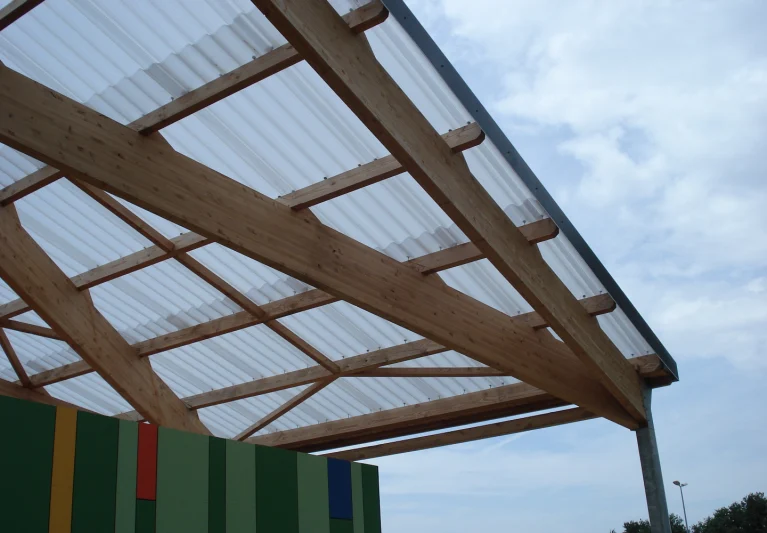
Cost-effective roofing materials in Kenya should provide weather resistance, durability, and suitability for local climate conditions. The right roofing choice reduces replacement costs caused by UV exposure, rain damage, and corrosion.
Popular roofing solutions include:
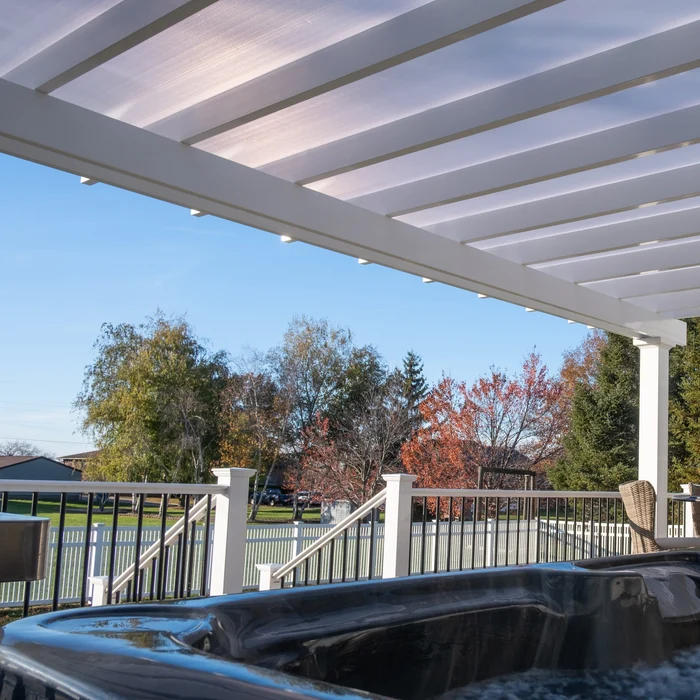
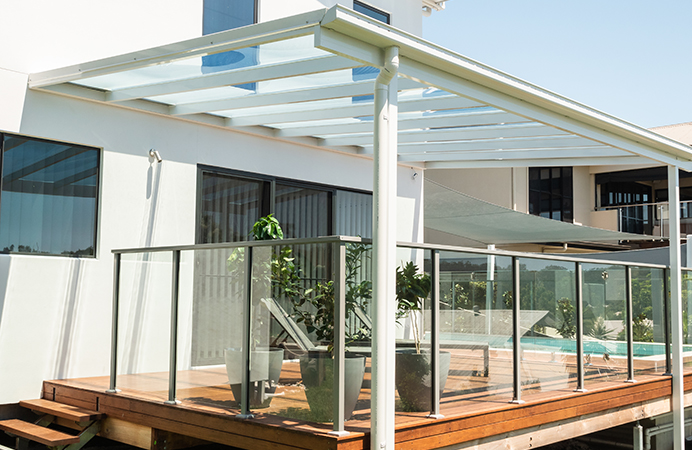
- Polycarbonate sheets
- Metal roofing systems
- PVC gutters
- Architectural roofing panels
Climate considerations:
Nairobi and Central Kenya
Materials should handle:
- UV exposure
- Temperature changes
- Heavy seasonal rainfall
Mombasa Coastal Region
Materials should resist:
- Humidity
- Salt exposure
- Corrosion risks
Rift Valley
Materials should withstand:
- Wind pressure
- Temperature variation
Explore roofing materials:
polycarbonate-sheets
Why Supplier Reliability Reduces Construction Costs
A reliable building materials supplier reduces construction costs by ensuring consistent stock, accurate specifications, and timely delivery. Material delays can increase labour costs and extend project completion periods.
Contractors should work with suppliers who provide:
- Product availability
- Accurate quotations
- Technical guidance
- Delivery coordination
BHD provides:
- Same-day delivery within Nairobi
- Next-day delivery to Nakuru, Kisumu, Mombasa, Eldoret, Thika, Meru, Kitengela, and Malindi
Contact BHD:
contact-us
Buying Building Materials in Bulk: When It Makes Sense
Bulk purchasing can reduce construction costs by improving pricing, reducing transport frequency, and ensuring material availability throughout the project. However, contractors must balance bulk buying with storage capacity and project schedules.
Bulk purchasing works well for:
- Large residential developments
- Warehouses
- Commercial projects
- Repetitive construction phases
Before ordering large quantities, confirm:
- Storage conditions
- Material specifications
- Delivery schedules
Reducing Material Waste on Construction Sites
Reducing material waste improves profitability by lowering replacement purchases and improving resource efficiency. Accurate measurements, proper storage, and skilled installation are key methods for controlling waste.
Practical waste reduction methods:
- Order based on accurate measurements
- Store materials correctly
- Protect materials from damage
- Train workers on handling procedures
- Reuse suitable offcuts where possible
Cost-Effective Interior Finishing Materials in Kenya
Modern finishing materials such as marble boards, WPC panels, and Alucobond sheets help contractors achieve premium appearances while controlling project budgets. These materials provide efficient installation and reduced maintenance compared to some traditional finishes.
Popular solutions:
WPC Wall Panels
Benefits:
- Termite resistance
- Moisture resistance
- Wood appearance
Marble Boards
Benefits:
- Luxury appearance
- Lightweight installation
- Affordable alternative to natural marble
Alucobond Sheets
Benefits:
- Modern facade finish
- Lightweight cladding
- Commercial appearance
How Contractors Can Compare Building Material Suppliers
Contractors should compare suppliers based on quality, pricing transparency, delivery reliability, product range, and technical support. The lowest quotation does not always represent the lowest project cost.
Supplier evaluation checklist:
| Factor | What to Check |
|---|---|
| Quality | Certified products and specifications |
| Pricing | Transparent quotations |
| Stock | Product availability |
| Delivery | Reliable timelines |
| Support | Technical assistance |
Common Mistakes Contractors Make When Buying Materials
Common mistakes include choosing materials only by price, failing to confirm specifications, and purchasing from unreliable suppliers. These mistakes increase project risks and can cause unnecessary expenses.
Avoid:
- Buying without technical specifications
- Ignoring environmental conditions
- Delaying procurement until materials are urgently needed
- Selecting unknown suppliers
- Poor material storage
Step-by-Step Process for Cost-Effective Material Procurement
Effective material procurement involves planning requirements, comparing suppliers, verifying quality, and coordinating delivery before construction delays occur. A structured purchasing process improves budget control and project efficiency.
Steps:
- Review construction drawings and specifications
- Prepare a detailed material list
- Compare supplier options
- Confirm standards and quality requirements
- Plan delivery schedules
- Inspect materials upon arrival
FAQ: Cost-Effective Building Materials in Kenya
1. What are the most cost-effective building materials in Kenya?
Cost-effective materials include durable steel, quality roofing systems, composite panels, and certified construction products that provide long-term value.
2. How can contractors reduce construction material costs?
Contractors can reduce costs through bulk purchasing, proper planning, supplier comparison, and reducing material waste.
3. Are cheaper building materials always better?
No. Low-cost materials may create higher expenses through repairs, replacements, and project delays.
4. Why should contractors buy KEBS-compliant materials?
KEBS-compliant materials help ensure safety, quality consistency, and regulatory acceptance.
5. What structural steel products are commonly used in Kenya?
Common products include SHS, RHS, CHS, HR beams, flat bars, and MS tees.
6. How important is delivery speed for construction projects?
Fast delivery reduces downtime, keeps workers productive, and helps contractors meet deadlines.
7. Which materials are best for modern interior finishes?
WPC panels, marble boards, and Alucobond sheets are popular modern finishing solutions.
8. Where can contractors buy building materials in Kenya?
Contractors can source building materials from established suppliers such as BHD Kenya.
Conclusion: Building Smarter Through Better Material Choices
Choosing the right building materials in Kenya is one of the most important decisions contractors make. Cost-effective construction is achieved by balancing price, quality, compliance, durability, and supply reliability.
By selecting certified materials, working with dependable suppliers, and planning procurement carefully, contractors can reduce project costs while maintaining strong construction standards.
BHD provides contractors and developers with reliable construction materials supported by efficient logistics and practical product knowledge.
Call to Action
Contact Burhani Hardware Dealers (BHD)
burhanihardwaredealers [at] yahoo.com
Call/WhatsApp: +254 731 217 462 | +254 790 545 205
Visit: BHD, Industrial Area, Funzi Road, Nairobi
Website: https://bhd.co.ke/
Delivery Guarantee:
Same-day delivery within Nairobi.
Next-day delivery countrywide to Nakuru, Kisumu, Mombasa, Eldoret, Thika, Meru, Kitengela, Malindi.
Frequently asked questions

Written & reviewed by
BHD Kenya
Burhani Hardware Dealers (BHD Kenya) is a Nairobi-based supplier of polycarbonate roofing, Alucobond/ACP cladding, Perspex, WPC wall panels and steel products, serving contractors, fabricators and homeowners across Kenya.