

Alucobond Kenya: Benefits, Uses & ACP Panel Guide | BHD
Quick answer
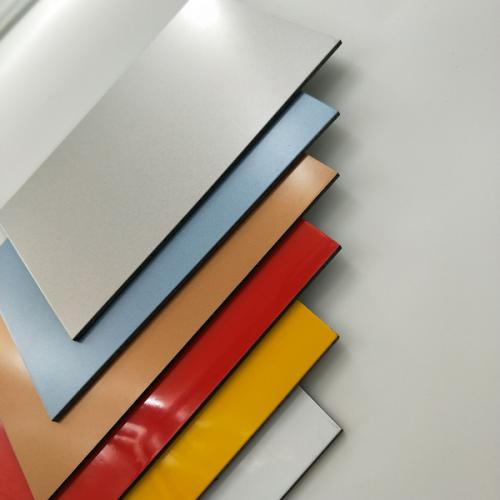
Alucobond is a brand of aluminium composite panel (ACP): two thin aluminium skins bonded to a core and supplied as flat sheets in a range of finishes. It is used for building facades, fascia, column cladding and signage because it is light, stays flat, and can be cut, folded and riveted on site with ordinary workshop tools.
Advantages of Alucobond Sheets in Kenya
Alucobond sheets are aluminium composite panels used for architectural cladding, façades, signage, and interior finishing where a clean, lightweight, and modern surface is required. Their combination of aluminium skins and a core material provides a practical alternative to heavier conventional façade finishes for many applications.
Modern Kenyan buildings increasingly use façade materials to achieve clean lines, controlled colours, and distinctive architectural identities. Shopping centres, office buildings, hotels, retail outlets, residential developments, and commercial spaces can all use composite panels as part of their exterior or interior design.
However, choosing Alucobond Kenya products should involve more than selecting a colour.
Architects, contractors, fabricators, and developers need to consider panel construction, thickness, finish, fire requirements, fixing method, substrate, environmental exposure, fabrication, and maintenance.
This guide explains the main advantages of Alucobond sheets and where aluminium composite panels can be used effectively in Kenyan construction.
What Are Alucobond Sheets?
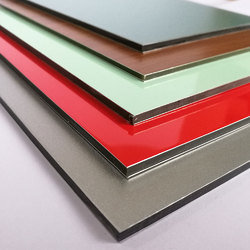
Alucobond sheets are aluminium composite panels (ACP) consisting of aluminium surface layers bonded to a central core. The resulting panel is relatively lightweight while providing a flat, rigid surface suitable for architectural cladding, signage, columns, fascias, and other finishing applications.
The term Alucobond is commonly associated with aluminium composite panel systems, while ACP is the broader product category.
A typical panel consists of:
- Aluminium outer skin
- Core material
- Aluminium inner skin
- Protective coating or finish
The exact construction depends on the specific product.
ACP panels are fabricated using techniques such as:
- Cutting
- Routing
- Folding
- Bending
- Drilling
- CNC fabrication
This makes them suitable for creating clean architectural details.
BHD supplies Alucobond sheets in Kenya for architectural and finishing applications.
What Are the Main Advantages of Alucobond Sheets?
The main advantages of Alucobond and other aluminium composite panels include low weight, a clean architectural appearance, easy fabrication, dimensional consistency, weather-resistant finishes, and versatility in exterior and interior applications. Their performance depends on the panel specification, installation system, environment, and intended use.
Key advantages include:
- Lightweight construction
- Modern appearance
- Easy fabrication
- Consistent flat surfaces
- Multiple colours and finishes
- Suitable for large façade areas
- Useful for signage
- Easy maintenance when correctly installed
- Compatibility with different support systems
- Architectural design flexibility
These characteristics make ACP panels useful when architects want a contemporary façade without using heavy masonry or stone across the entire surface.
Why Are Alucobond Sheets Popular for Modern Facades?
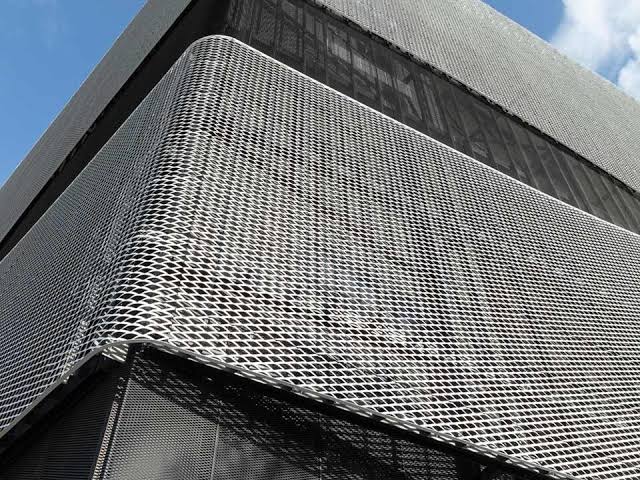
Alucobond sheets are popular for modern façades because they provide large, clean, consistent panels with relatively low weight and a wide range of finishes. They can be fabricated into straight, folded, curved, and detailed components to suit contemporary architectural designs.
A modern façade often requires:
- Straight lines
- Sharp corners
- Consistent colour
- Controlled joints
- Minimal visual clutter
- Lightweight construction
ACP panels can support these requirements.
They can be used around:
- Entrances
- Windows
- Columns
- Parapets
- Canopies
- Shopfronts
- Building corners
The result depends heavily on fabrication and installation quality.
A good panel installed on a poorly prepared substrate can still produce an uneven or unattractive façade.
Are Alucobond Sheets Lightweight?
Alucobond and similar aluminium composite panels are relatively lightweight compared with many traditional solid façade materials, which can simplify handling and reduce the load imposed by the cladding system. Their low weight can be particularly useful when designing large façade areas or refurbishing existing buildings.
Lightweight cladding can provide practical advantages during construction.
Fabricators can handle panels more easily than very heavy façade materials, while installers can work with larger panel sections.
However, lightweight does not mean that structural support can be ignored.
The façade system still requires appropriate:
- Subframes
- Brackets
- Fasteners
- Rails
- Fixing points
- Substrate preparation
The supporting structure must be designed for the actual panel system.
Can Alucobond Sheets Be Used for Commercial Buildings?
Yes, aluminium composite panels are widely suited to commercial façade applications where architects need a modern appearance and relatively lightweight cladding. They can be used on offices, retail buildings, hotels, showrooms, institutions, and other structures when the selected panel specification is appropriate for the application.
Commercial applications can include:
- Office façades
- Shopping centres
- Retail stores
- Hotels
- Restaurants
- Showrooms
- Corporate buildings
- Petrol station structures
- Institutional buildings
For a commercial project, the façade should be considered as a complete system rather than simply a panel.
The designer should specify:
- Panel type
- Thickness
- Finish
- Core
- Fire classification where required
- Joint design
- Subframe
- Fixing method
- Weatherproofing
Are ACP Panels Good for Shop Signage?
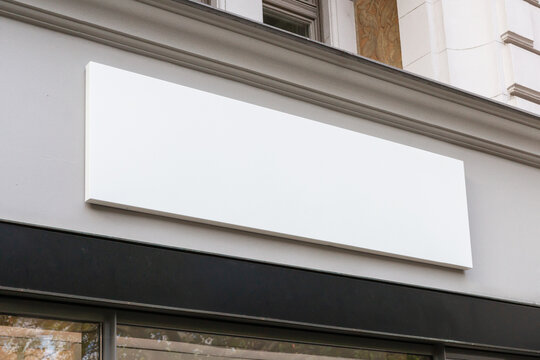
ACP panels are useful for shop signage because they provide a smooth, flat surface that can be cut, routed, printed, painted, or combined with raised lettering and illuminated elements. Their relatively low weight also makes them practical for many retail signage installations.
Common signage applications include:
- Shop fascia
- Corporate signs
- Directional signs
- Building identification
- Advertising boards
- Reception signage
- Retail displays
The panel can provide a clean background for:
- Vinyl graphics
- Printed branding
- Acrylic letters
- Metal letters
- LED illumination
BHD's Alucobond product range can be considered where a project requires composite panel finishing or signage material.
What Colours and Finishes Are Available?
Aluminium composite panels are available in different colours, surface finishes, and textures, allowing architects to coordinate façades with windows, roofing, signage, and other building finishes. The exact available range depends on the selected product and supplier.
Possible finishes may include:
- Solid colours
- Metallic finishes
- Gloss finishes
- Matte finishes
- Brushed-metal effects
- Wood-effect finishes
- Stone-effect finishes
Colour selection should consider the building's environment.
Darker surfaces can absorb more solar radiation than lighter finishes, which may be relevant for large exposed façades.
Architects should therefore consider both appearance and environmental performance.
Are Alucobond Sheets Suitable for Kenyan Climate?
Aluminium composite panels can be suitable for Kenyan conditions when the correct exterior-grade product, coating, fixing system, and installation details are selected. Nairobi's UV exposure, Mombasa's humidity and salt-laden air, and strong winds in exposed areas should all be considered when specifying a façade system.
Nairobi and Central Kenya
The façade may experience:
- Strong sunlight
- UV radiation
- Temperature changes
- Rainfall
- Dust
The panel coating and fixing system should therefore be appropriate for external exposure.
Mombasa and Coastal Kenya
Coastal buildings require greater attention to:
- Humidity
- Salt exposure
- Corrosion
- Fastener selection
- Joint detailing
Aluminium may perform well, but other components in the cladding system can still corrode.
For this reason, coastal façade specifications should address the complete assembly.
Rift Valley and Wind-Exposed Areas
Large façade panels can experience wind pressure.
The subframe and fixing arrangement should therefore be designed according to the project's wind exposure and structural requirements.
Are Alucobond Sheets Waterproof?
Alucobond panels themselves can provide a weather-resistant external surface, but a façade should not rely on the panel alone for waterproofing. Joints, flashings, sealants, subframes, windows, penetrations, and drainage details determine how effectively the complete façade manages water.
This distinction is important.
A panel may be weather-resistant while the completed façade still develops leaks because of:
- Poor joints
- Incorrect flashing
- Inadequate sealant
- Poor window detailing
- Incorrect panel overlap
- Improper penetrations
Good façade design therefore includes a controlled approach to rainwater management.
How Are Alucobond Sheets Installed?
Alucobond sheets are typically installed over a prepared support system using mechanical fixing, adhesive systems, or fabricated cassette methods depending on the design. Installation should follow the selected product's technical requirements and account for thermal movement, panel joints, alignment, and weatherproofing.
A typical process includes:
1. Survey the Building
Check:
- Wall alignment
- Existing substrate
- Openings
- Windows
- Structural fixing points
2. Install the Subframe
The subframe provides the attachment system for the panels.
3. Prepare the Panels
Panels may be:
- Cut
- Routed
- Folded
- Drilled
4. Position the Panels
Maintain accurate joint lines and alignment.
5. Install Fixings
Use the appropriate fixing system for the selected panel and subframe.
6. Complete Joints and Flashings
Joints must accommodate movement and provide suitable weather detailing.
7. Inspect the Finished Façade
Check:
- Panel alignment
- Joint consistency
- Scratches
- Surface damage
- Fixings
- Flashing
- Sealants
Can Alucobond Sheets Be Bent and Fabricated?
Yes, aluminium composite panels can be fabricated into folded and shaped components using appropriate routing, cutting, and bending techniques. This fabrication flexibility allows contractors to create corners, returns, fascias, columns, signage boxes, and other architectural details.
This is one of the important advantages of ACP panels.
A fabricator can produce:
- Box sections
- Fascia panels
- Column wraps
- Window reveals
- Canopy edges
- Signage
- Building corners
The fabrication method depends on panel construction and thickness.
Poor routing or bending can damage the panel or produce weak edges, so fabrication should be performed using appropriate tools and procedures.
What Specifications Should You Check Before Buying ACP Panels?
Before purchasing ACP panels, check panel thickness, aluminium skin thickness, core type, dimensions, coating, colour, fire classification where applicable, intended application, and manufacturer documentation. These specifications are more useful than simply asking for an "Alucobond sheet" by name.
A practical specification table is:
| Parameter | What to Check |
|---|---|
| Panel type | Aluminium composite panel |
| Panel thickness | Manufacturer specification |
| Aluminium skin | Thickness and grade |
| Core | Confirm core type |
| Width | Actual panel width |
| Length | Available panel length |
| Finish | Matte, gloss, metallic, etc. |
| Colour | Selected architectural colour |
| Coating | Exterior suitability |
| Fire classification | Required project classification |
| Weight | kg/m² |
| Application | Façade, signage, interior, etc. |
| Fixing method | Mechanical/adhesive/cassette |
| Warranty | Supplier/manufacturer terms |
For major commercial buildings, fire performance requirements should be confirmed by the project design team and applicable regulations.
How Much Do Alucobond Sheets Cost in Kenya?
Alucobond and ACP panel prices in Kenya depend on panel thickness, dimensions, aluminium skin, core, coating, colour, finish, quantity, and application. Installation costs also vary according to façade complexity, subframe requirements, fabrication, access, and project location.
A façade quotation should ideally separate:
- Panels
- Subframe
- Brackets
- Fasteners
- Fabrication
- Sealants
- Flashings
- Labour
- Scaffolding/access
- Transport
This makes it easier to compare quotations accurately.
For current product availability and project pricing, buyers can contact BHD with the required specifications.
Do Alucobond Sheets Require Much Maintenance?
Aluminium composite panels can be relatively easy to maintain when correctly installed, because their smooth coated surfaces can generally be cleaned without extensive specialist treatment. Maintenance requirements increase when panels are exposed to heavy pollution, dust, salt, or poorly controlled water runoff.
Routine maintenance can include:
- Cleaning the panels
- Checking joints
- Inspecting sealants
- Checking fasteners
- Inspecting flashing
- Removing accumulated dirt
- Checking for corrosion on associated metalwork
Coastal buildings may require more frequent inspection because salt exposure can affect the façade system's metal components.
Cleaning products should be compatible with the panel coating.
Are Alucobond Sheets Better Than Traditional Wall Finishes?
ACP panels can offer advantages over some traditional façade finishes where lightweight construction, fast fabrication, clean lines, and design flexibility are priorities. They are not automatically better than masonry, stone, tiles, or other cladding systems because each material has different structural, aesthetic, thermal, fire, and maintenance characteristics.
| Feature | ACP Panels | Traditional Masonry/Stone |
| Weight | Relatively low | Generally higher |
| Fabrication | Flexible | More labour-intensive |
| Surface | Flat and consistent | Naturally variable |
| Installation | Requires subframe/system | Different support requirements |
| Design flexibility | High | Moderate to high |
| Maintenance | Generally manageable | Depends on finish |
| Daylighting | Not transparent | Not transparent |
| Application | Façade, signage, interiors | Walls, façades |
The correct comparison should be based on the project's requirements.
What Are the Main Applications of Alucobond Sheets?
Alucobond and ACP panels are used for external façades, shopfronts, signage, columns, fascias, canopies, interior walls, reception areas, and architectural features. Their fabrication flexibility makes them suitable for both functional and decorative applications.
Common applications include:
Exterior Applications
- Building façades
- Curtain wall infill
- Shopfronts
- Fascias
- Columns
- Parapets
- Canopies
Interior Applications
- Reception walls
- Feature walls
- Decorative panels
- Retail interiors
- Corporate interiors
Signage
- Business signs
- Advertising boards
- Directional signs
- Illuminated signs
The appropriate panel specification depends on whether the product is being used indoors or outdoors.
Can ACP Panels Be Used With Other Construction Materials?
Yes, ACP panels can be combined with steel, glass, aluminium, polycarbonate, Perspex, and other architectural materials to create complete building envelopes and interior finishes. Compatibility between materials, fixings, movement, drainage, and thermal expansion should be considered during design.
For example, a commercial façade may combine:
- ACP panels
- Glass
- Aluminium framing
- Steel structure
- Polycarbonate
- Signage
BHD supplies Perspex sheets for applications where acrylic sheet material is required.
Polycarbonate can also be used separately in areas where natural light transmission is needed.
What Are the Common Mistakes When Installing Alucobond?
Common ACP installation mistakes include poor subframe alignment, incorrect joint widths, inadequate thermal movement allowance, unsuitable fasteners, poor sealant application, and incorrect panel fabrication. These problems can cause visible unevenness, water ingress, panel distortion, or premature façade deterioration.
Avoid:
- Installing panels on an uneven frame
- Ignoring thermal movement
- Using unsuitable screws
- Poorly fabricated corners
- Inconsistent joints
- Inadequate flashing
- Poor sealant preparation
- Damaging the coating during cutting
- Ignoring wind loads
Fabrication and installation quality can have as much impact on the final façade as the panel itself.
What Standards Should Be Considered for ACP Installation in Kenya?
ACP façade projects should comply with applicable Kenyan building requirements, project specifications, relevant standards, and manufacturer installation instructions. Fire performance, structural fixing, wind loading, and façade safety should receive particular attention on larger buildings.
The National Building Code 2024 should be considered where applicable to the project.
Relevant KEBS standards and product requirements should also be checked according to the specific ACP system being installed.
For commercial and high-occupancy buildings, fire performance is particularly important.
The correct panel core and fire classification should be specified according to the project's requirements rather than assumed from the panel's appearance.
Frequently Asked Questions About Alucobond Sheets in Kenya
Alucobond and ACP panels are versatile architectural materials used for façades, signage, shopfronts, columns, fascias, and interior finishes. Their suitability depends on the panel specification, environmental exposure, fire requirements, support system, and installation quality.
1. What are Alucobond sheets used for?
They are commonly used for building façades, shopfronts, signage, fascias, columns, canopies, and interior architectural finishes.
2. Are Alucobond sheets waterproof?
The panels can provide a weather-resistant surface, but the complete façade system must be correctly detailed to manage water at joints, windows, flashings, and penetrations.
3. Are ACP panels suitable for outdoor use?
Yes, when an exterior-grade panel with appropriate coating and specification is selected for the environment.
4. How long do Alucobond sheets last?
Service life depends on the panel specification, coating, installation quality, environmental exposure, cleaning, and maintenance. A single lifespan figure should not be assumed for every product.
5. Are Alucobond sheets fire resistant?
Fire performance depends on the specific panel core and system. For commercial or high-occupancy buildings, the required fire classification should be confirmed before selection.
6. Can Alucobond be used for shop signs?
Yes. ACP panels provide a smooth surface suitable for graphics, lettering, printing, and illuminated signage.
7. Are Alucobond sheets expensive in Kenya?
Pricing varies according to thickness, dimensions, finish, core, quantity, fabrication, and installation requirements. Request a project-specific quotation for an accurate cost.
8. Can Alucobond sheets be bent?
Yes. ACP panels can be routed and folded using appropriate fabrication methods, allowing fabricators to produce corners, fascias, returns, and other architectural forms.
Final Verdict: Advantages of Alucobond Sheets
The main advantages of Alucobond sheets are their relatively low weight, clean appearance, fabrication flexibility, consistent finish, and broad range of architectural applications. They are particularly useful for modern façades, commercial signage, shopfronts, canopies, columns, and interior feature surfaces.
For a successful ACP project, specify the complete system rather than selecting panels based only on colour or price.
Check:
- Panel thickness
- Aluminium skin
- Core type
- Fire classification
- Coating
- Finish
- Dimensions
- Subframe
- Fixings
- Wind exposure
- Joint design
- Weatherproofing
- Maintenance requirements
For current Alucobond and architectural panel availability, contact BHD with your project requirements.
Contact Burhani Hardware Dealers (BHD)
burhanihardwaredealers [at] yahoo.com
Call/WhatsApp: +254 731 217 462 | +254 704 606 131
Visit: BHD, Industrial Area, Funzi Road, Nairobi
Website: https://bhd.co.ke/
Delivery Guarantee:
Same-day delivery within Nairobi.
Next-day delivery countrywide to Nakuru, Kisumu, Mombasa, Eldoret, Thika, Meru, Kitengela, Malindi.
Frequently asked questions

Written & reviewed by
BHD Kenya
Burhani Hardware Dealers (BHD Kenya) is a Nairobi-based supplier of polycarbonate roofing, Alucobond/ACP cladding, Perspex, WPC wall panels and steel products, serving contractors, fabricators and homeowners across Kenya.