Alucobond vs Stone Cladding in Kenya: Cost and Durability Comparison | BHD
Quick answer
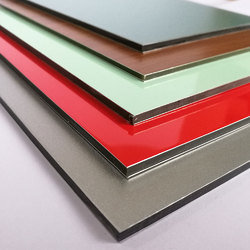
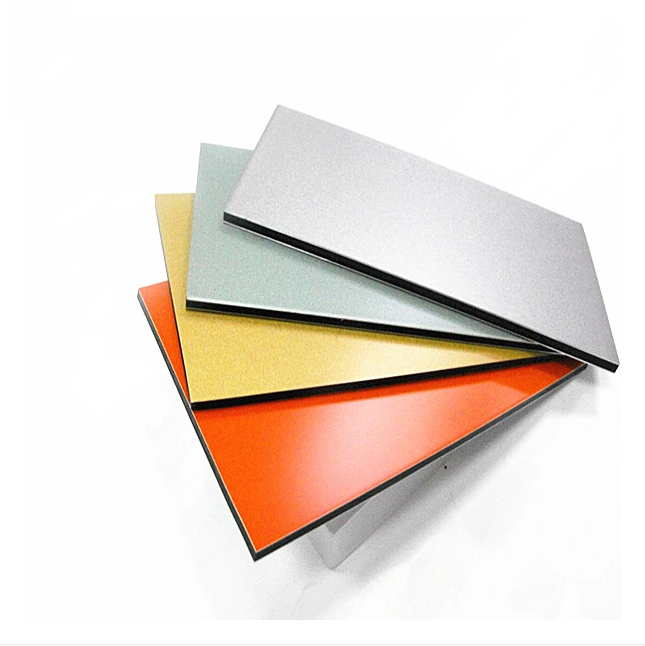
Alucobond is an aluminium composite panel: two thin aluminium skins bonded to a core and fixed to a light subframe. Stone cladding uses natural or engineered stone fixed to the wall, and is much heavier, so it needs stronger support and slower installation. Alucobond suits flat, modern facades; stone suits textured, traditional elevations.
What is the Difference Between Alucobond and Stone Cladding?
Alucobond is a lightweight aluminium composite panel system, while stone cladding uses natural or engineered stone applied to building surfaces.
The main difference is that Alucobond prioritizes modern design and low weight, while stone cladding focuses on a natural, heavy, and traditional architectural appearance.
In Kenya, both materials are widely used in commercial and residential construction, but they serve very different architectural goals. Alucobond is common in modern office buildings, malls, and branded façades, while stone cladding is often used for luxury homes, hotels, and decorative exterior walls.
Cost Comparison: Alucobond vs Stone Cladding in Kenya
Alucobond generally has a higher upfront material cost than some stone cladding options, but stone becomes more expensive over time due to installation weight, labor, and structural support needs.
Overall lifecycle cost in Kenya often favors Alucobond for commercial buildings due to lower maintenance and faster installation.
Cost Breakdown in Kenya (2026 Market Reality)
| Factor | Alucobond | Stone Cladding |
|---|---|---|
| Material Cost | Medium–High | Medium–High (varies by stone type) |
| Installation Cost | Moderate | High (labor-intensive) |
| Structural Support | Low requirement | High requirement (heavy load) |
| Total Project Cost | Predictable | Often increases during execution |
Key Insight:
- Stone is heavy → increases structural steel and foundation costs
- Alucobond is light → reduces engineering and support costs
Explore related structural materials:
square-hollow-section-shs
Durability Comparison in Kenyan Weather Conditions
Alucobond offers consistent long-term durability across Kenya’s climate zones, while stone cladding is highly durable but can be affected by moisture penetration, staining, and cracking over time.
Both materials are long-lasting, but Alucobond performs better in urban and coastal exposure conditions.
Performance in Kenyan Regions:
Nairobi & Central Kenya
- Alucobond: Excellent UV resistance, no fading
- Stone: Durable but may stain due to dust and rain cycles
Coastal Kenya (Mombasa, Malindi)
- Alucobond: Strong resistance to salt corrosion
- Stone: May degrade or discolor over time if porous
Western Kenya (Kisumu, high rainfall areas)
- Alucobond: Waterproof and stable
- Stone: Risk of moisture absorption and algae growth
Related façade materials:
alucobond-sheets
Maintenance Requirements
Alucobond requires very low maintenance, mainly occasional cleaning, while stone cladding requires periodic washing, sealing, and repair of cracks or stains.
This makes Alucobond more cost-efficient for commercial buildings with large façade areas.
Maintenance Comparison:
Alucobond:
- Simple cleaning with water and mild detergent
- No repainting required
- Long coating lifespan (15–20+ years)
Stone Cladding:
- Regular cleaning to prevent dirt buildup
- Sealing required for porous stone
- Repairs needed for cracks or surface erosion
Kenyan Practical Reality:
- Dust-heavy urban areas (Nairobi CBD) increase cleaning needs for both
- Coastal salt exposure affects stone more than Alucobond
Aesthetic & Architectural Appeal
Stone cladding provides a natural, luxurious appearance, while Alucobond delivers a modern, sleek, and customizable architectural finish.
The choice depends on whether the project aims for traditional elegance or contemporary commercial branding.
Stone Cladding Appearance:
- Natural textures
- Premium luxury feel
- Common in villas and hotels
Alucobond Appearance:
- Smooth modern panels
- Wide color and finish options
- Ideal for branding and corporate identity
Related finishes:
marble-boards
Installation Differences
Alucobond is faster and easier to install using lightweight framing systems, while stone cladding requires skilled labor and structural reinforcement due to its heavy weight.
This makes Alucobond more suitable for large commercial projects with tight timelines.
Installation Process Comparison:
Alucobond:
- Lightweight aluminium subframe
- Mechanical or cassette fixing
- Faster façade completion
Stone Cladding:
- Cement bonding or anchoring system
- Heavy lifting equipment often required
- Longer installation time
Structural Impact on Buildings
Alucobond reduces structural load on buildings, while stone cladding significantly increases weight and requires stronger foundations and support systems.
This difference directly affects engineering design and construction cost in Kenya.
Structural Effects:
- Alucobond → Lightweight façade system
- Stone → Heavy load on columns and beams
Sustainability & Long-Term Value
Alucobond offers better long-term cost efficiency and energy performance, while stone cladding offers long-term aesthetic value but higher maintenance demands.
Both materials can last decades, but their lifecycle costs differ significantly.
Sustainability Insights:
- Alucobond reduces repainting and repair cycles
- Stone requires quarrying and higher transport energy
- Both materials are long-life, but maintenance intensity differs
When to Choose Alucobond vs Stone Cladding in Kenya
Choose Alucobond for modern commercial buildings, branding-focused façades, and cost-efficient large projects. Choose stone cladding for luxury residential projects and traditional architectural designs.
Choose Alucobond if:
- You want modern commercial appearance
- You need fast installation
- You want low maintenance costs
Choose Stone if:
- You want natural luxury aesthetics
- You are building villas or high-end homes
- You prefer traditional architectural style
FAQs
1. Which is cheaper in Kenya: Alucobond or stone cladding?
Stone may have lower material cost, but Alucobond is cheaper overall in long-term projects due to lower installation and maintenance costs.
2. Which lasts longer in Kenyan weather?
Both last long, but Alucobond performs more consistently in coastal and urban environments.
3. Is stone cladding heavy?
Yes, stone cladding is significantly heavier and requires stronger structural support.
4. Does Alucobond fade in sunlight?
No, high-quality Alucobond resists UV fading in Kenyan sunlight conditions.
5. Which is better for commercial buildings?
Alucobond is generally preferred for offices, malls, and branded buildings.
Conclusion
Alucobond and stone cladding both have strong roles in Kenyan construction, but they serve different priorities. Alucobond dominates modern commercial architecture due to its lightweight structure, low maintenance, and design flexibility, while stone cladding remains a premium choice for natural, traditional aesthetics.
For most commercial developments in Kenya today, Alucobond offers better efficiency, faster installation, and lower lifecycle cost.
Contact Burhani Hardware Dealers (BHD)
burhanihardwaredealers [at] yahoo.com
Call/WhatsApp: +254 731 217 462 | +254 790 545 205
Visit: BHD, Industrial Area, Funzi Road, Nairobi
Website: https://bhd.co.ke/
Delivery Guarantee:
Same-day delivery within Nairobi.
Next-day delivery countrywide to Nakuru, Kisumu, Mombasa, Eldoret, Thika, Meru, Kitengela, Malindi.
Frequently asked questions

Written & reviewed by
BHD Kenya
Burhani Hardware Dealers (BHD Kenya) is a Nairobi-based supplier of polycarbonate roofing, Alucobond/ACP cladding, Perspex, WPC wall panels and steel products, serving contractors, fabricators and homeowners across Kenya.