

Commercial facades Kenya: Facade Installation Guide
Quick answer
A commercial facade is built as a layered system: a steel or aluminium substructure fixed back to the slab, brackets set to a survey line, then ACP or glass panels hung on that frame. A ventilated cavity behind the panels drains water, and joints are sealed or left open by design.
How to Build Modern Commercial Facades in Kenya (2026 Guide)
The Rise of Modern Commercial Facades in Kenya
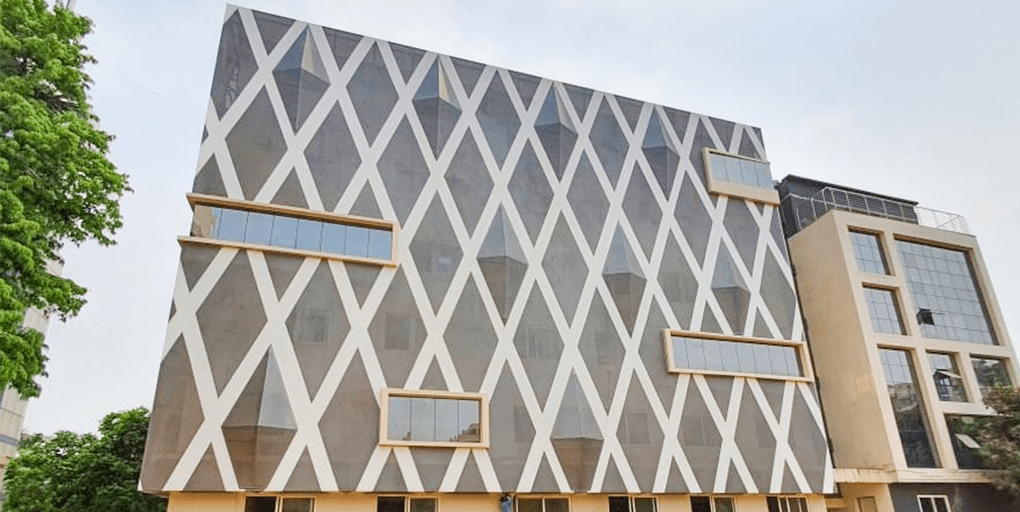
Modern commercial facades in Kenya are no longer just exterior finishes—they are engineered building systems that define energy efficiency, branding, and structural protection. Developers in Nairobi, Mombasa, and major towns are increasingly adopting ACP panels, glass systems, and composite cladding to achieve modern architectural performance.
This guide explains how to design, select, and install modern facades with practical Kenyan construction context, including climate performance, material selection, and compliance with KEBS and the National Building Code 2024.
What is a modern commercial facade?
A modern commercial facade is the external envelope system of a building designed using engineered materials such as ACP panels, glass, steel framing, or composite boards to improve aesthetics, insulation, and durability.
In Kenya, facades are used in malls, office blocks, petrol stations, and mixed-use developments to enhance branding and weather resistance.
Common facade systems include:
- Aluminium Composite Panels (ACP)
- Glass curtain walls
- Steel-framed cladding systems
- WPC and composite panels
Why modern facades are important in Kenya
Modern facades improve building performance by controlling heat gain, reducing maintenance costs, and protecting structural elements from weather exposure.
In Kenya’s diverse climate zones, facades also play a critical role in energy efficiency and long-term durability.
Key benefits:
- Heat reduction in hot climates like Mombasa
- UV protection for structural walls in Nairobi
- Improved corporate branding for commercial buildings
- Reduced long-term repainting and maintenance costs
Planning a modern commercial facade system
Facade planning involves selecting materials, structural support systems, and installation methods that match building height, usage, and environmental exposure.
Proper planning ensures safety, compliance, and long-term performance of the entire building envelope.
Key steps:
- Structural assessment of the building frame
- Material selection based on climate zone
- Wind load analysis (critical for high-rise buildings)
- KEBS compliance verification for materials
ACP panels in modern facade construction
Aluminium Composite Panels (ACP) are one of the most widely used materials for modern commercial facades due to their lightweight structure, durability, and aesthetic flexibility.
In Kenya, ACP systems are used in shopping malls, office buildings, and petrol station branding due to their weather resistance and modern finish.
View product: Alucobond Sheets in Kenya
ACP Specifications Table
| Parameter | Specification |
|---|---|
| Thickness | 3mm – 6mm |
| Core Type | Polyethylene / mineral core |
| Finish | PVDF coating |
| Lifespan | 15–20 years |
| Use | Exterior cladding, signage, façades |
Explore category: Alucobond Sheets Category
Structural systems behind modern facades
A facade is only as strong as its supporting structure, which typically includes steel framing systems designed for load-bearing and wind resistance.
In Kenya, SHS, RHS, and HR beams are commonly used as the structural skeleton for facade systems.
Explore structural materials:
SHS Specifications Table
| Parameter | Specification |
|---|---|
| Size | 25x25mm – 100x100mm |
| Thickness | 1.2mm – 4.5mm |
| Length | 6m |
| Use | Structural framing |
Glass and composite facade integration
Modern facades often combine ACP panels with glass systems to achieve transparency, branding impact, and natural lighting efficiency.
This hybrid approach is common in Kenyan commercial buildings such as malls and office towers.
Common combinations:
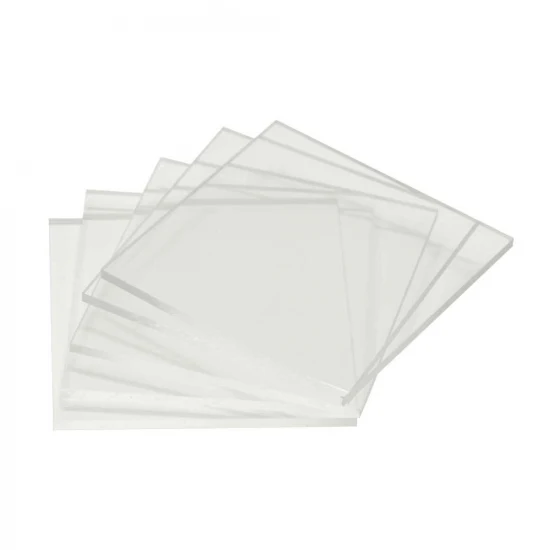
- ACP + tempered glass
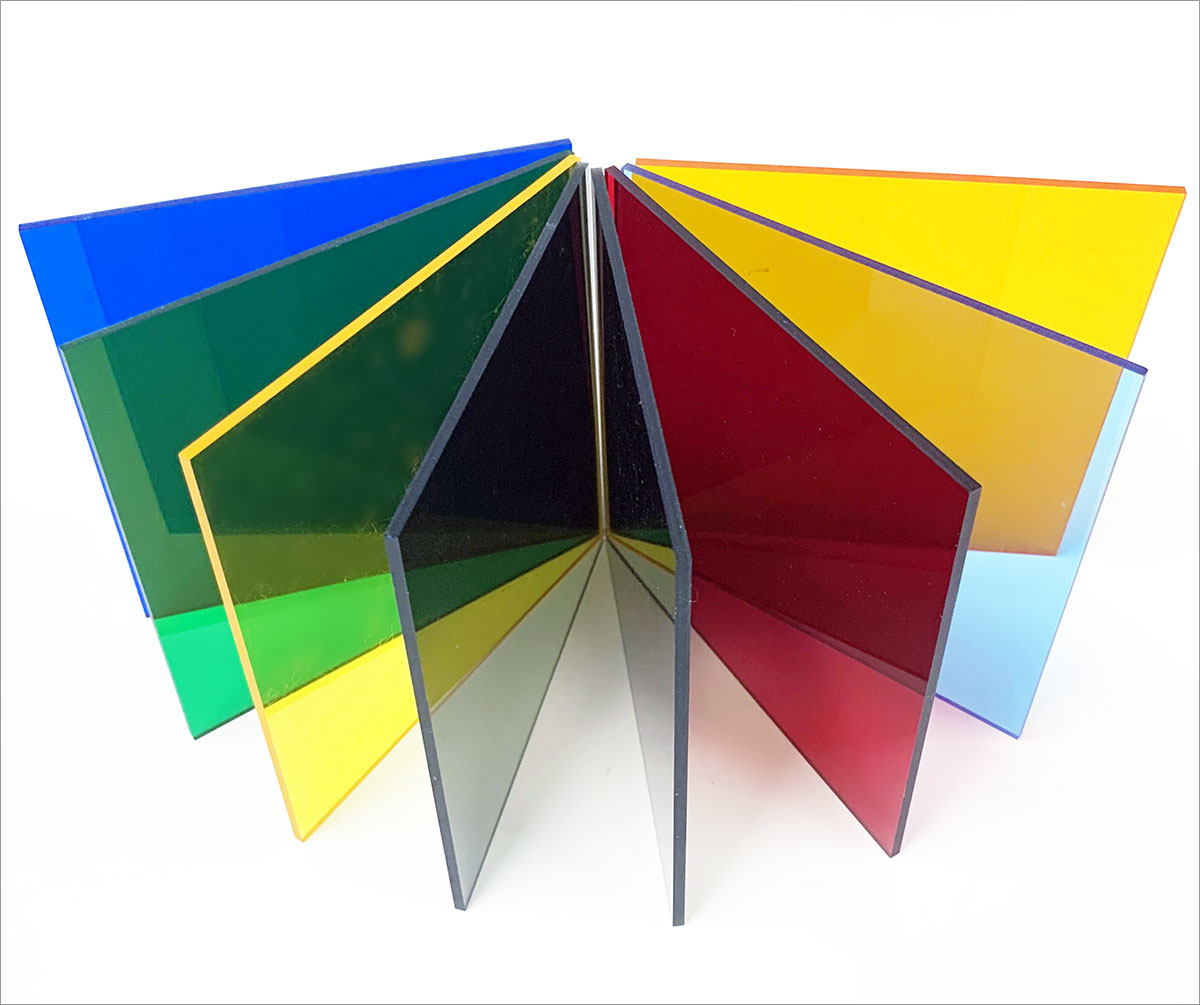
- Steel frame + polycarbonate inserts
- Composite panels + aluminum framing
Related materials:
Installation process of modern facades
Facade installation follows a structured process that ensures alignment, safety, and long-term durability of the external building system.
Each step must comply with engineering standards and KEBS requirements for structural integrity.
Step-by-step process:
- Site measurement and layout marking
- Steel frame fabrication and installation
- Bracket and support fixing
- ACP or panel installation
- Sealing and waterproofing
- Final inspection and finishing
Climate considerations for Kenyan facades
Kenya’s climate has a direct impact on facade performance, especially in terms of heat, corrosion, and wind pressure.
Material selection must match regional conditions to avoid premature failure.
- Nairobi: UV exposure → UV-stable ACP recommended
- Mombasa: humidity & salt air → corrosion-resistant coatings required
- Rift Valley: strong winds → reinforced steel framing essential
Compliance with KEBS and building regulations
All facade materials in Kenya must comply with KEBS standards and the National Building Code 2024 to ensure safety, fire resistance, and durability.
Non-compliant materials can lead to structural failure, legal penalties, and high maintenance costs.
Common mistakes in facade construction
Many facade failures occur due to poor installation practices rather than material quality.
Correct engineering design and installation supervision are critical for long-term performance.
Common mistakes:
- Weak steel framing systems
- Poor sealing leading to water leakage
- Using non-UV protected ACP panels
- Ignoring wind load calculations
FAQ: Modern commercial facades in Kenya
What are commercial facades made of?
They are made from ACP panels, glass systems, steel frames, and composite materials depending on design requirements.
Are ACP panels durable in Kenya?
Yes, high-quality ACP panels last 15–20 years with proper installation and maintenance.
What is the best material for modern facades?
ACP panels combined with steel framing are the most widely used solution in Kenya.
Do facades improve energy efficiency?
Yes, they reduce heat gain and improve insulation, lowering cooling costs in commercial buildings.
Are facades expensive to install?
Initial costs are moderate to high, but they reduce long-term maintenance and repainting expenses.
Conclusion
Modern commercial facades in Kenya combine engineering, aesthetics, and climate performance to create durable and visually striking buildings. With materials like ACP panels, steel frameworks, and composite systems, developers can achieve long-lasting and energy-efficient structures.
Call to Action
Contact Burhani Hardware Dealers (BHD)
burhanihardwaredealers [at] yahoo.com
Call/WhatsApp: +254 731 217 462 | +254 790 545 205
Visit: BHD, Industrial Area, Funzi Road, Nairobi
Website: https://bhd.co.ke/
Delivery Guarantee:
Same-day delivery within Nairobi.
Next-day delivery countrywide to Nakuru, Kisumu, Mombasa, Eldoret, Thika, Meru, Kitengela, Malindi.
Frequently asked questions

Written & reviewed by
BHD Kenya
Burhani Hardware Dealers (BHD Kenya) is a Nairobi-based supplier of polycarbonate roofing, Alucobond/ACP cladding, Perspex, WPC wall panels and steel products, serving contractors, fabricators and homeowners across Kenya.