

Construction Materials Kenya: Complete Building Guide 2026
Quick answer
Building in Kenya draws on a few core material groups: cement, sand and aggregate for concrete; masonry blocks and stone for walling; structural steel sections and reinforcement for frames; roofing sheets and purlins for the roof; and cladding, wall panels and hardware for the finish. Each is specified by grade, size and exposure, not by price alone.
Construction materials determine the strength, durability, appearance and overall performance of a building. In Kenya, choosing the right materials requires consideration of structural requirements, climate, building regulations, project budget, availability and the intended use of the building.
From steel and roofing sheets to cement, timber, masonry products, glass, aluminium, wall panels and finishing materials, construction projects require many different products. Each material has a specific purpose, and choosing based only on price can create problems later during construction or maintenance.
Whether you are building a home, commercial property, warehouse, institution or industrial facility, understanding the main categories of construction materials in Kenya makes it easier to plan procurement and communicate with contractors and suppliers.
What Are Construction Materials?
Construction materials are products used to build, protect, finish or equip a structure. They range from primary structural materials such as steel, concrete and masonry to finishing products such as wall panels, roofing accessories, glass and decorative materials.
Construction materials can broadly be divided into:
- Structural materials
- Roofing materials
- Masonry materials
- Steel products
- Timber products
- Glass and glazing products
- Wall and ceiling finishes
- Flooring materials
- Waterproofing products
- Plumbing materials
- Electrical materials
- Hardware and fixings
- Decorative materials
The materials required depend on the type and stage of construction.
What Are the Main Types of Construction Materials Used in Kenya?
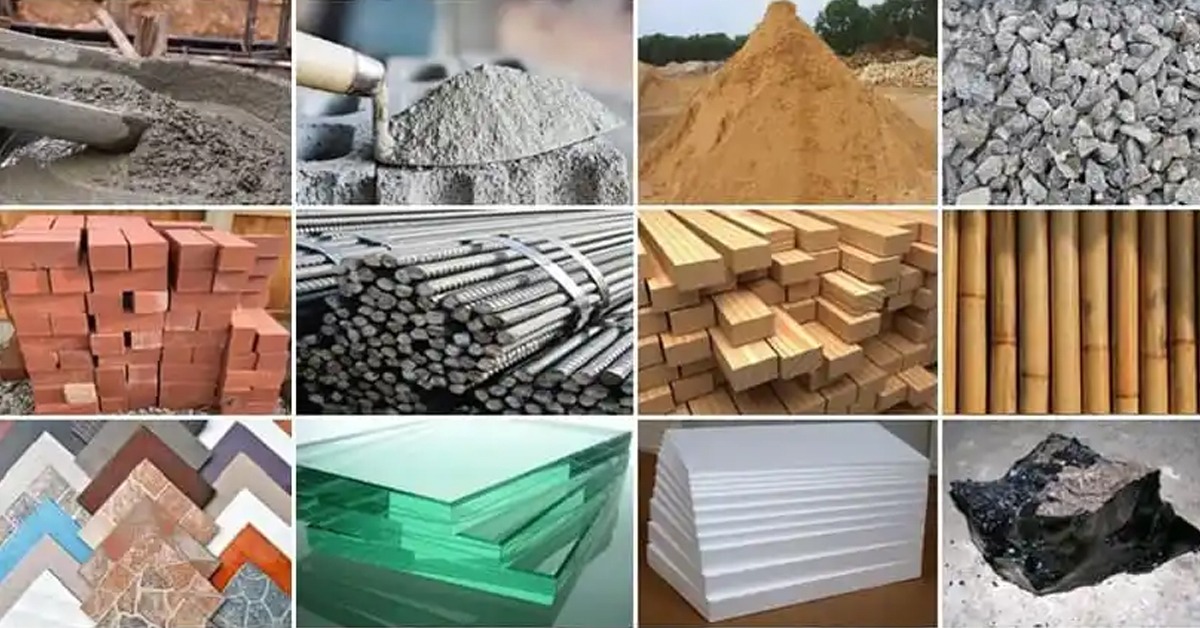
Common construction materials in Kenya include cement, concrete, reinforcement steel, structural steel, masonry products, roofing materials, timber, glass, aluminium, plumbing products, electrical materials and interior finishes.
The main categories include:
| Category | Common Examples | Typical Application |
|---|---|---|
| Cement and concrete | Cement, concrete, mortar | Foundations and structural work |
| Steel | TMT bars, hollow sections, purlins | Reinforcement and fabrication |
| Masonry | Blocks, bricks, stones | Walls and partitions |
| Roofing | Roofing sheets, polycarbonate | Roof covering |
| Timber | Structural and finishing timber | Roofs, doors and interiors |
| Glass | Clear, tinted and safety glass | Windows and facades |
| Aluminium | Frames, panels and profiles | Windows and facades |
| Wall finishes | Marble boards, wall panels | Interior finishing |
| Hardware | Fasteners, hinges, locks | Assembly and installation |
| Waterproofing | Membranes and sealants | Moisture protection |
Each category requires its own selection criteria.
Cement and Concrete Materials
Cement and concrete are fundamental materials for many building projects, supporting foundations, slabs, columns, beams and other structural elements. Their performance depends on correct specification, mixing, placement, curing and quality control.
Cement may be used for:
- Mortar
- Concrete
- Screeds
- Plaster
- Masonry work
Concrete combines cement with aggregates and water, with additional admixtures used where specified.
The required concrete strength should be determined by the structural design rather than selected simply because it is commonly used.
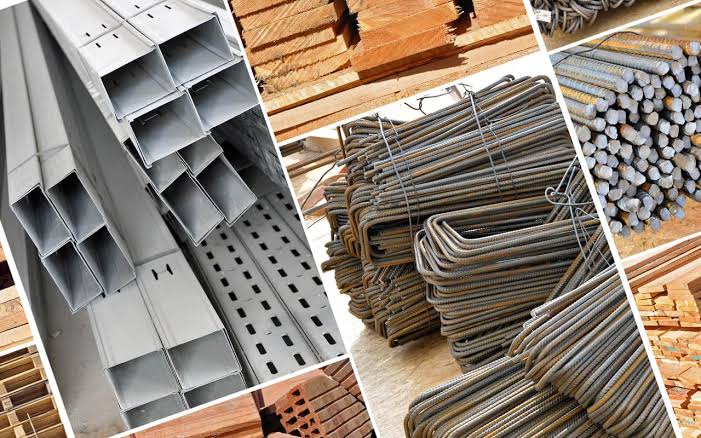
Reinforcement Steel
Reinforcement steel is incorporated into concrete structures to help resist tensile forces and provide the required structural performance. The size, grade, spacing and placement should follow the structural engineer's design.
Common reinforcement products include:
- TMT bars
- Reinforcement bars
- Binding wire
- Steel mesh
Important considerations include:
- Steel grade
- Bar diameter
- Quantity
- Storage
- Corrosion protection
- Bending requirements
Reinforcement should be stored properly to minimise contamination and unnecessary corrosion before use.
Structural Steel Products
Structural steel is used for frames, supports, trusses, beams, columns and fabricated structures. Its high strength-to-weight characteristics make it useful in commercial, industrial and other construction applications.
Common products include:
- I-beams
- Universal beams
- Channels
- Angles
- Hollow sections
- Flat bars
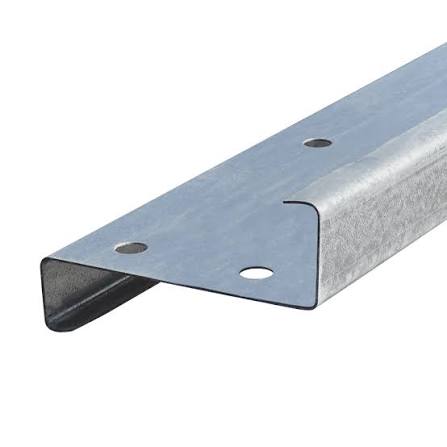
- Zed purlins
- Steel plates
Structural steel selection should consider the loads, span, connection method, corrosion exposure and engineering design.
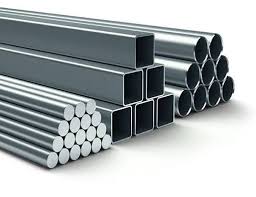
Hollow Sections
Hollow steel sections provide enclosed structural profiles that can be used for frames, supports, gates, trusses, partitions and fabricated structures. Square hollow sections and rectangular hollow sections are available in different dimensions and thicknesses.
Common types include:
SHS
Square Hollow Sections have a square cross-section and are frequently used in fabrication and structural applications.
RHS
Rectangular Hollow Sections have a rectangular profile and can be useful where the orientation of the section provides an advantage for the design.
CHS
Circular Hollow Sections are used where a round profile is required.
The appropriate section depends on structural requirements and fabrication details.
Roofing Materials
Roofing materials protect buildings from rain, sunlight and other environmental exposure while contributing to thermal and architectural performance. The appropriate roofing product depends on building type, roof design, climate and budget.
Common roofing options include:
- Corrugated roofing sheets
- Box-profile sheets
- Tile-profile sheets
- Stone-coated steel roofing
- Polycarbonate sheets
- Aluminium roofing
- Other specialised roofing systems
When choosing roofing, consider:
- Sheet thickness
- Coating
- Profile
- Roof pitch
- Corrosion exposure
- Fasteners
- Insulation
- Rainwater drainage
Roofing should be treated as a complete system rather than simply a sheet purchase.
Polycarbonate Roofing
Polycarbonate roofing can be used where natural daylight is required together with overhead weather protection. It is commonly considered for skylights, canopies, carports, walkways and selected commercial applications.
Its potential advantages include:
- Natural light transmission
- Lightweight construction
- Impact resistance
- Design flexibility
However, heat gain, UV exposure, fixing and ventilation should be considered before installation.
Not every polycarbonate product is suitable for every application.
Masonry Materials
Masonry materials form walls, partitions and other building elements and can include concrete blocks, bricks and natural stone. Selection should consider structural requirements, dimensions, absorption, availability and the intended application.
Common masonry materials include:
- Concrete blocks
- Bricks
- Natural stone
- Interlocking blocks
- Masonry units
The correct product depends on whether the wall is:
- Load-bearing
- Non-load-bearing
- Internal
- External
- Partitioning
Timber Construction Materials
Timber can be used for roof structures, doors, frames, joinery, furniture and interior finishes. Proper species selection, treatment, storage and moisture control are important for long-term performance.
Timber applications include:
- Roof trusses
- Rafters
- Doors
- Frames
- Cabinetry
- Decorative features
- Interior finishes
Construction timber should be protected from prolonged moisture exposure and stored appropriately before installation.
Glass and Glazing Materials
Glass is widely used in windows, doors, partitions, facades, balustrades and interior features. The appropriate glass type depends on safety, size, location, thermal performance and design requirements.
Potential glass types include:
- Clear glass
- Tinted glass
- Laminated glass
- Toughened glass
- Obscured glass
- Insulating glass units
Safety-critical applications require appropriate glass specifications rather than ordinary glazing.
Aluminium Products
Aluminium is commonly used for windows, doors, curtain-wall systems, architectural features and selected facade applications. It combines relatively low weight with corrosion resistance and design flexibility.
Applications include:
- Window frames
- Door frames
- Curtain walls
- Facade panels
- Architectural features
Aluminium finishes may include different colours and surface treatments depending on the product.
Wall Panels and Interior Finishes
Modern wall panels can provide decorative and practical finishes for residential and commercial interiors. Marble boards, decorative panels and other wall finishes can be used to create feature walls and contemporary interior surfaces.
Potential applications include:
- Kitchens
- Offices
- Hotels
- Reception areas
- Restaurants
- Living rooms
- Retail spaces
Material suitability should be checked for moisture, heat, cleaning and impact depending on the location.
Marble Boards
Marble boards provide a marble-inspired decorative finish for selected interior applications. They can create a polished appearance while offering an alternative to some traditional decorative wall finishes.
Popular design directions include:
- White marble effects
- Grey marble
- Dark marble
- Beige stone effects
- High-contrast patterns
The technical characteristics of marble boards vary by product, so water resistance, heat limitations and installation requirements should be confirmed before purchase.
Waterproofing Materials
Waterproofing materials help protect buildings from unwanted water penetration in areas such as roofs, foundations, bathrooms, balconies and other moisture-exposed locations. The correct waterproofing system depends on the source and movement of water.
Potential products include:
- Waterproofing membranes
- Sealants
- Coatings
- Flashing systems
- Water-resistant construction products
Waterproofing should be planned before finishing materials are installed.
Plumbing Materials
Plumbing materials form the water supply, drainage and sanitary systems within a building. Product selection should consider pressure, temperature, compatibility, intended application and applicable standards.
Common plumbing products include:
- Pipes
- Fittings
- Valves
- Water tanks
- Traps
- Sanitary fittings
- Drainage products
Correct pipe sizing and installation are important for system performance.
Electrical Construction Materials
Electrical materials provide power distribution, protection, switching and connection throughout a building. Electrical products should be selected and installed according to the project's electrical design and applicable requirements.
Common products include:
- Cables
- Conduits
- Switches
- Sockets
- Distribution boards
- Circuit protection devices
- Cable accessories
Electrical work should be carried out by appropriately qualified professionals.
Construction Hardware and Fixings
Hardware and fixings connect, secure and operate many building components. Although these products can be relatively small, selecting the wrong fastener, hinge, bracket or anchor can compromise an installation.
Examples include:
- Screws
- Bolts
- Nuts
- Washers
- Anchors
- Hinges
- Handles
- Brackets
- Door hardware
Choose fixings according to the substrate, load, environment and application.
How Do You Choose Construction Materials in Kenya?
Choose construction materials based on the building design, structural requirements, environmental conditions, quality, standards, availability, installation requirements and total project cost. The cheapest product is not necessarily the most economical over the building's service life.
Before purchasing, consider:
1. Project requirements
Determine exactly what the material needs to do.
2. Quality
Check the manufacturer's specifications and product documentation.
3. Standards
Where applicable, verify compliance with relevant Kenyan standards and regulatory requirements.
4. Environmental exposure
Consider:
- Rain
- Sun
- Humidity
- Dust
- Corrosion
- Temperature
5. Availability
A product that is difficult to source or replace may create problems during construction or future maintenance.
6. Installation
Confirm that suitable installation expertise and accessories are available.
7. Lifecycle cost
Consider:
- Purchase
- Transport
- Installation
- Maintenance
- Replacement
How Important Are Building Material Standards?
Construction materials should meet the standards and specifications applicable to their intended use. Using compliant products helps support safety, performance and consistency throughout a construction project.
For projects in Kenya, buyers and contractors should consider applicable requirements from relevant authorities and standards bodies, including the Kenya Bureau of Standards (KEBS) and applicable building regulations.
Compliance requirements vary according to:
- Product
- Building type
- Application
- Structural role
- Location
Do not rely solely on a supplier's verbal description when technical compliance is important.
How Should Construction Materials Be Stored?
Proper storage protects construction materials from damage, contamination, moisture and unnecessary deterioration before installation. Different materials require different storage conditions.
Cement
Keep dry and protected from moisture.
Steel
Store where it can be protected from unnecessary contamination and excessive exposure.
Timber
Keep properly stacked, ventilated and protected from prolonged moisture.
Roofing sheets
Store according to the manufacturer's recommendations to prevent coating and surface damage.
Wall panels
Keep flat or as specified by the manufacturer and protect decorative surfaces from scratches.
Glass
Store securely using appropriate supports and handling procedures.
Poor storage can turn good materials into unusable products.
How Do You Calculate the Quantity of Building Materials?
Material quantities should be calculated from architectural drawings, structural drawings, schedules and measured dimensions, with appropriate allowances for cutting and wastage. Different materials require different measurement methods.
For example:
- Concrete may be calculated by volume.
- Steel may be calculated by length, weight or bar schedule.
- Roofing may be calculated by roof area and effective cover.
- Wall panels may be calculated by wall area and panel dimensions.
- Tiles may be calculated by floor or wall area plus an allowance for cuts.
For structural materials, quantities should follow the relevant engineering documentation.
How Does Material Quality Affect Construction Cost?
Material quality affects both initial construction cost and long-term maintenance. A lower purchase price may not represent a lower total cost if the product requires frequent repair, replacement or additional installation work.
A practical comparison should consider:
Purchase price + transport + installation + maintenance + replacement
This is particularly important for:
- Roofing
- Waterproofing
- Structural steel
- Windows
- Doors
- Exterior finishes
- Plumbing systems
Common Construction Material Buying Mistakes
Construction material purchasing mistakes can cause delays, unnecessary costs and performance problems. Careful specification and verification before ordering can prevent many avoidable issues.
Common mistakes include:
- Buying based only on price
- Ordering without accurate measurements
- Mixing incompatible products
- Ignoring manufacturer specifications
- Using interior materials outdoors
- Choosing incorrect fasteners
- Ignoring storage requirements
- Failing to check quantities
- Purchasing without confirming availability
- Selecting products without considering maintenance
- Ignoring applicable standards
- Ordering materials too late
A material schedule can help contractors and property owners coordinate procurement.
How Can You Create a Construction Materials Checklist?
A construction materials checklist should organise products by construction stage, specification, quantity, supplier and delivery requirement. This makes procurement easier to monitor and reduces the risk of missing critical materials.
A simple checklist can include:
| Item | Specification | Quantity | Stage | Status |
|---|---|---|---|---|
| Cement | Required grade/type | — | Foundation | Pending |
| Reinforcement steel | Bar sizes from design | — | Structural | Pending |
| Roofing sheets | Profile/specification | — | Roofing | Pending |
| Hollow sections | Required sizes | — | Fabrication | Pending |
| Wall panels | Selected finish | — | Interiors | Pending |
| Hardware | Required fittings | — | Finishing | Pending |
The actual quantities should come from project drawings and measurements.
How Do You Select a Building Materials Supplier?
A reliable building materials supplier should provide clearly specified products, consistent quality, appropriate documentation, dependable availability and useful technical information. Supplier selection should consider more than price alone.
Consider:
- Product range
- Material quality
- Availability
- Technical support
- Delivery capability
- Product documentation
- Warranty where applicable
- After-sales support
- Consistency of supply
For large projects, continuity of supply can be especially important.
Construction Materials for Residential Buildings
Residential construction commonly requires structural materials, roofing, plumbing, electrical products, windows, doors, hardware and interior finishes. Material selection should reflect the home's design, location, expected occupancy and maintenance requirements.
Typical requirements include:
- Cement
- Reinforcement steel
- Masonry materials
- Roofing
- Timber
- Windows
- Doors
- Plumbing
- Electrical products
- Flooring
- Wall finishes
- Paint
- Hardware
The specification should be coordinated with the architectural and structural designs.
Construction Materials for Commercial Buildings
Commercial buildings generally require materials that can handle greater occupancy, operational demands and maintenance requirements. The selection process should consider durability, safety, building services and the intended use of the property.
Materials may include:
- Structural steel
- Reinforced concrete
- Curtain-wall systems
- Aluminium
- Glass
- Roofing systems
- Wall cladding
- Ceiling systems
- Commercial flooring
- Electrical systems
- Plumbing systems
Offices, retail buildings, hotels, schools and warehouses can have significantly different material requirements.
Construction Materials for Industrial Buildings
Industrial construction often places greater emphasis on structural capacity, durability, large spans, operational conditions and maintenance access. Steel products, industrial roofing and appropriate wall systems are commonly important.
Potential materials include:
- Structural steel
- Hollow sections
- Zed purlins
- Roofing sheets
- Polycarbonate daylighting
- Concrete
- Reinforcement steel
- Industrial doors
- Cladding systems
The exact specification should follow the building's engineering and operational requirements.
How Do Kenyan Climate Conditions Affect Material Selection?
Kenya's varied climate means that construction materials should be selected according to local environmental exposure rather than using one specification for every location. Rainfall, solar exposure, humidity, dust and proximity to coastal conditions can influence material selection.
For example:
Coastal environments
Corrosion protection can be particularly important for exposed metal products.
High-rainfall areas
Roof drainage and waterproofing require careful attention.
Hot and sunny areas
Roofing, glazing and wall materials should be assessed for solar exposure and heat management.
Dusty environments
Exterior finishes may require more frequent cleaning.
Material selection should therefore consider the actual project location.
Frequently Asked Questions About Construction Materials in Kenya
Construction materials vary widely according to the building type, location, structural design and finishing requirements. The best purchasing decisions combine technical suitability, quality, availability and total lifecycle cost.
What are the most common construction materials in Kenya?
Common materials include cement, concrete, reinforcement steel, structural steel, masonry products, timber, roofing sheets, glass, aluminium, plumbing products, electrical materials and interior finishes.
What should I consider when buying building materials?
Consider quality, specifications, applicable standards, quantity, availability, environmental exposure, installation requirements, maintenance and total cost.
Which materials are used for roofing?
Common roofing materials include metal roofing sheets, tile-profile sheets, stone-coated products, aluminium and polycarbonate sheets, depending on the project.
What are TMT bars used for?
TMT bars are reinforcement steel products used within reinforced concrete structures. Their size, grade and spacing should follow the structural design.
What are hollow sections used for?
Hollow sections can be used for structural frames, supports, gates, trusses, partitions and general fabrication.
What are Zed purlins used for?
Zed purlins are steel roof members commonly used to support roofing systems in appropriate structural applications.
Are polycarbonate sheets construction materials?
Yes. Polycarbonate sheets are building products used in applications such as daylighting, roofing, skylights, canopies and other structures where light transmission is required.
What are marble boards used for?
Marble boards are decorative wall-finishing products used in selected interior applications such as feature walls, kitchens, offices and commercial spaces.
How do I estimate construction material quantities?
Quantities should be calculated from project drawings, schedules and measured dimensions, with suitable allowances for cutting and wastage.
Why is material storage important?
Poor storage can cause moisture damage, corrosion, warping, scratching, contamination and other forms of deterioration before materials are installed.
Should I choose the cheapest construction materials?
Not necessarily. A cheaper product may have higher installation, maintenance or replacement costs. Compare total lifecycle cost rather than purchase price alone.
How do I find reliable construction materials in Kenya?
Look for suppliers that provide clearly specified products, consistent availability, appropriate documentation and technical information relevant to the intended application.
Conclusion
Choosing the right construction materials is essential for building quality, durability and long-term value. From cement and reinforcement steel to roofing, hollow sections, glass, aluminium, wall panels and hardware, each product should be selected according to its intended application and project requirements.
For a successful construction project, consider:
- Technical specifications
- Applicable standards
- Structural requirements
- Environmental exposure
- Product quality
- Availability
- Installation
- Storage
- Maintenance
- Total lifecycle cost
A good construction materials plan also reduces procurement delays and helps contractors coordinate different stages of the project.
Whether you are working on a residential house, commercial property, warehouse, institution or industrial building, purchasing materials should begin with the project specifications and drawings, not simply a shopping list based on price.
For construction materials Kenya projects, working with a supplier that understands different building applications can also make it easier to compare products, confirm specifications and plan procurement.
Contact Burhani Hardware Dealers (BHD)
Email:burhanihardwaredealers@yahoo.com
Call/WhatsApp: +254 731 217 462 | +254 704 606 131
Visit: BHD, Industrial Area, Funzi Road, Nairobi, Kenya
Website: BHD Kenya
Explore a wide range of construction materials, roofing products, steel products, wall panels, hardware and building supplies for residential, commercial and industrial projects.
Frequently asked questions

Written & reviewed by
BHD Kenya
Burhani Hardware Dealers (BHD Kenya) is a Nairobi-based supplier of polycarbonate roofing, Alucobond/ACP cladding, Perspex, WPC wall panels and steel products, serving contractors, fabricators and homeowners across Kenya.