

Cost of Building Materials in Kenya: 2026 Price Guide
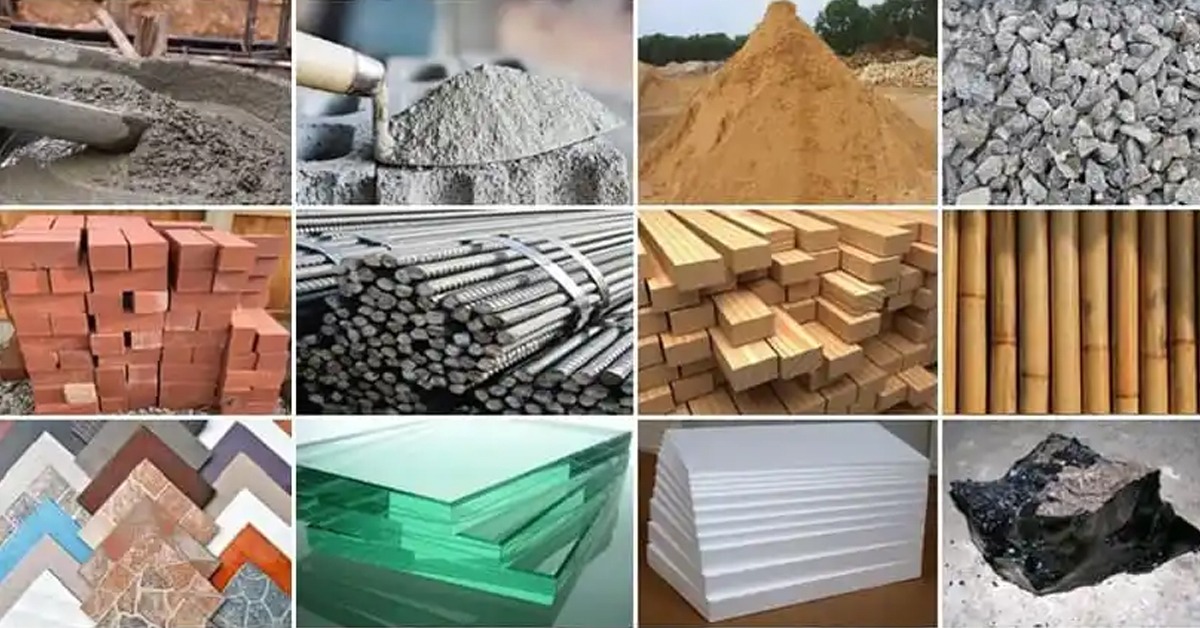
Quick answer
Building material prices in Kenya are quoted against specification, not material type alone. Steel is priced by section size, wall thickness, length and grade; sheets and panels by thickness, size and finish. Quantity, delivery distance and market movement change the figure too, so quotes should only be compared when every supplier has priced the identical specification.
Building material costs in Kenya vary according to material type, specification, quantity, supplier, transport and market conditions. Steel, roofing materials, polycarbonate, wall panels and other hardware should be priced according to the exact size, thickness, grade and quantity required.
For a contractor, developer or homeowner preparing a construction budget, the price printed on a supplier's quotation is only one part of the calculation.
A seemingly small difference in thickness, section size or material grade can significantly change the final cost of a project.
Transport can also affect the delivered price, particularly when materials are being moved from Nairobi to another county.
This guide explains the main factors affecting construction materials in Kenya, how to compare quotations and how to budget more accurately.
Price note: Building-material prices change with supplier, specification, quantity, exchange rates, transport and market conditions. Where a current supplier quotation is required, confirm the exact product specification and delivered price before ordering.
How Much Do Building Materials Cost in Kenya?
Building material costs in Kenya depend on the product, specification, quantity, supplier, location and prevailing market conditions. A reliable project budget should therefore use current quotations based on exact material specifications rather than generic prices alone.
The major cost categories include:
- Structural steel
- Roofing materials
- Hollow sections
- Polycarbonate sheets
- Aluminium composite panels
- Wall panels
- Marble boards
- Gutters
- Pipes
- Fabrication materials
- Fixings and accessories
The same material category can contain products with very different prices.
For example, two square hollow sections may have the same outside dimensions but different wall thicknesses.
The heavier section will normally require more steel and therefore have a different price.
What Factors Affect Construction Material Prices in Kenya?
Construction material prices are affected by specification, raw-material costs, supply, quantity, transportation, exchange rates and supplier margins. Project location and delivery requirements can also materially change the final cost paid by the customer.
The most important factors are:
1. Material specification
Thickness, grade, dimensions and finish all affect cost.
2. Quantity
Bulk orders can sometimes attract better commercial terms than small purchases.
3. Location
A Nairobi collection price may differ from the delivered cost to another county.
4. Transport
Long-distance delivery adds logistics costs.
5. Market conditions
Steel and imported architectural materials can be affected by international commodity prices and currency movements.
6. Product availability
Materials that are readily available may be easier to source than unusual specifications.
What Are the Main Construction Materials Used in Kenya?
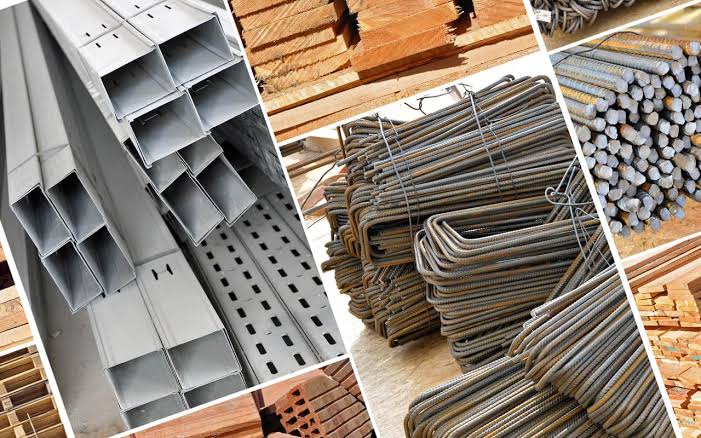
Common construction materials in Kenya include structural steel, roofing products, hollow sections, reinforcement materials, cement-based products, pipes, glazing products and architectural finishing materials. The appropriate material depends on the structural, architectural and environmental requirements of each project.
For BHD's product range, major categories include:
- Steel products
- Polycarbonate sheets
- Perspex
- Alucobond
- WPC wall panels
- Marble boards
- Pipes
- Gutters
- Structural sections
- Architectural finishing materials
Contractors can browse BHD's construction materials catalogue to identify products before requesting quotations.
How Much Does Structural Steel Cost in Kenya?
Structural steel prices depend heavily on section type, dimensions, thickness, grade, weight and quantity. The most reliable comparison is therefore based on the exact steel section and specification rather than a general price per piece.
Structural steel can include:
- Beams
- Hollow sections
- Flat bars
- Tee sections
- Plates
- Channels
- Angles
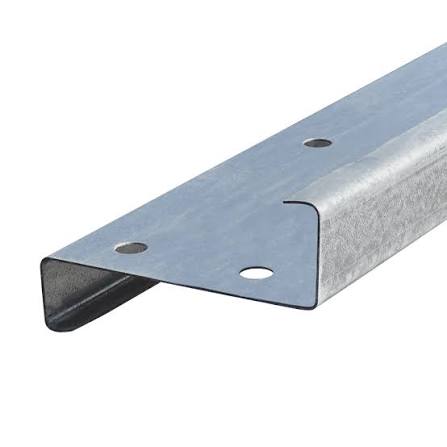
- Purlins
For example, BHD supplies steel products in Kenya for construction and fabrication applications.
A contractor should specify:
- Section type
- Width and height
- Thickness
- Length
- Grade where applicable
- Quantity
This prevents suppliers from quoting different specifications for what appears to be the same item.
How Are Hollow Sections Priced?
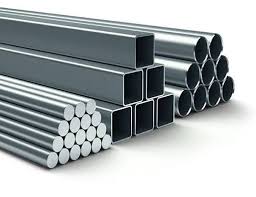
Hollow sections are normally priced according to their dimensions, wall thickness, length, steel weight and market conditions. Square, rectangular and circular hollow sections should therefore be compared using the complete specification rather than dimensions alone.
BHD supplies square hollow sections and other structural sections.
Common types include:
- SHS — Square Hollow Section
- RHS — Rectangular Hollow Section
- CHS — Circular Hollow Section
For example:
| Specification | Information Required |
|---|---|
| Type | SHS/RHS/CHS |
| Size | Width × height/diameter |
| Thickness | mm |
| Length | Usually specified by supplier |
| Grade | Where applicable |
| Quantity | Pieces/lengths |
| Application | Structural/fabrication |
A thicker wall does not simply mean "better".
The correct thickness should be determined by the engineering requirement.
What Are the Main Roofing Material Costs?
Roofing costs depend on the material, thickness, profile, dimensions, accessories, supporting structure and installation requirements. Comparing only the price of the visible roofing sheet can produce an incomplete project budget.
A roofing budget may need to include:
- Main roofing sheets
- Ridge caps
- Flashings
- Gutters
- Downpipes
- Fasteners
- Sealants
- Purlins
- Structural framing
- Insulation where required
- Labour
- Transport
This is particularly important for transparent roofing.
A polycarbonate roof, for example, requires an appropriate support and fixing system.
How Much Do Polycarbonate Sheets Cost in Kenya?
Polycarbonate prices vary according to whether the sheet is solid or hollow, its thickness, dimensions, colour, UV protection and intended application. A current quotation should therefore identify the exact polycarbonate specification before comparing prices.
BHD offers polycarbonate sheets in Kenya, including:
For transparent roofing and daylighting, specification can affect:
- Light transmission
- Thermal performance
- Weight
- Impact performance
- Appearance
- Installation requirements
Solid Polycarbonate
BHD supplies solid polycarbonate sheets for suitable applications.
Hollow Polycarbonate
BHD also provides hollow polycarbonate sheets.
The two should not be compared purely on price per sheet because their construction and intended applications differ.
What Affects Alucobond Prices in Kenya?
Alucobond and aluminium composite panel prices vary according to sheet dimensions, thickness, finish, colour, specification and quantity. Installation also requires a supporting system, so the final facade cost is higher than the panel purchase price alone.
Alucobond can be used for:
- Building facades
- Entrance features
- Signage
- Columns
- Canopies
- Architectural cladding
You can view BHD's Alucobond range.
When requesting a quotation, provide:
- Sheet size
- Thickness
- Colour
- Finish
- Quantity
- Application
For facade projects, also budget for:
- Subframe
- Fixings
- Flashings
- Joints
- Labour
- Access equipment
How Much Do Wall Panels Cost in Kenya?
Wall panel prices depend on material type, panel dimensions, thickness, surface finish and quantity. WPC, marble board and other decorative panels should be compared based on the coverage they provide and the complete installation requirements.
For example, BHD supplies WPC wall panels for suitable interior applications.
Common factors include:
- Panel size
- Surface texture
- Thickness
- Colour
- Profile
- Coverage per panel
- Accessories
- Installation
A cheaper panel is not necessarily cheaper per square metre if it provides less usable coverage.
What Are Marble Board Prices Based On?
Marble board pricing depends on board dimensions, thickness, finish, pattern and quantity. For budgeting purposes, contractors should compare the effective cost per square metre rather than simply comparing the price of individual boards.
BHD supplies marble boards for decorative interior applications.
When calculating the budget, account for:
- Board cost
- Cutting
- Adhesive or fixing system
- Trims
- Wastage
- Labour
- Transport
Complex wall layouts can create more waste than straightforward rectangular installations.
How Do Hardware Prices Affect the Total Construction Budget?
Small hardware items can represent a significant cumulative cost when a project requires thousands of fixings, fasteners, brackets, fittings or accessories. A complete material schedule should therefore include both major materials and installation components.
For example, a roofing project may require:
- Roofing sheets
- Screws
- Washers
- Flashings
- Ridge caps
- Gutters
- Downpipes
- Sealants
Leaving accessories out of the initial estimate can make a project appear cheaper than it actually is.
Does Buying Building Materials in Bulk Reduce Cost?
Bulk purchasing can sometimes reduce the unit cost of construction materials, but the benefit depends on the supplier, product availability, order size and payment or delivery terms. Bulk buying is most useful when the project can safely store the materials and use them within the required construction schedule.
Before ordering in bulk, consider:
- Storage space
- Security
- Moisture protection
- Project schedule
- Material handling
- Damage risk
- Supplier return policy
For steel, storage should prevent unnecessary exposure to standing water and conditions that accelerate corrosion.
Are Building Materials More Expensive in Nairobi or Upcountry?
The final delivered cost can differ between Nairobi and other parts of Kenya because transportation, delivery distance, handling and local availability affect the total purchase price. The cheapest ex-yard quotation is not always the cheapest delivered quotation.
A contractor in Kisumu, for example, should compare:
Material price + transport + unloading + handling
rather than material price alone.
For larger projects, delivery terms can therefore have a significant impact on procurement costs.
How Does Transport Affect Building Material Costs?
Transport affects the delivered price of heavy, bulky and long construction materials because freight costs depend on distance, vehicle capacity, loading requirements and delivery location. Materials such as steel sections and long sheets require particular attention to transport planning.
Transport planning should consider:
- Delivery location
- Material length
- Total weight
- Vehicle type
- Site access
- Offloading requirements
- Delivery schedule
For construction sites with restricted access, unloading can require additional equipment or labour.
How Should Contractors Compare Hardware Quotations?
Contractors should compare quotations using identical specifications, quantities, delivery terms and inclusions. A lower price is meaningful only when the competing quotations cover the same material quality, dimensions and services.
Use a comparison sheet like this:
| Item | Supplier A | Supplier B | Supplier C |
|---|---|---|---|
| Material specification | |||
| Unit price | |||
| Quantity | |||
| Subtotal | |||
| Transport | |||
| VAT | |||
| Installation | |||
| Total delivered cost | |||
| Delivery period | |||
| Warranty |
This makes differences much easier to identify.
What Should Be Included in a Building Materials Budget?
A construction-material budget should include the main materials, accessories, estimated wastage, transport, taxes where applicable and installation-related items. Separating material costs from labour and other project costs provides a clearer picture of the actual construction budget.
A useful budget structure is:
Materials
- Steel
- Roofing
- Wall finishes
- Flooring
- Pipes
- Gutters
- Doors/windows
- Hardware
Accessories
- Fasteners
- Brackets
- Sealants
- Flashings
- Trims
- Fixings
Logistics
- Transport
- Loading
- Offloading
- Storage
Installation
- Fabrication
- Labour
- Equipment
- Access systems
What Is the Difference Between Material Price and Installed Cost?
Material price is the amount paid for the product itself, while installed cost includes labour, accessories, transport, wastage, preparation and other installation requirements. For construction budgeting, installed cost is usually the more useful figure.
For example, the cost of an Alucobond facade may include:
Panels + subframe + fixings + fabrication + transport + installation
Likewise, a roofing quotation should not be judged only by the sheet price.
How Does Material Specification Affect Construction Costs?
Higher material specifications can increase initial purchase costs, but selecting the correct specification can improve project performance and reduce problems caused by unsuitable materials. The objective should be to specify materials according to actual engineering and architectural requirements rather than simply choosing the cheapest option.
For example:
A 1.2 mm steel section and a 2.0 mm section may look similar in a catalogue, but they do not contain the same amount of steel.
Similarly, different polycarbonate thicknesses can have different:
- Weight
- Rigidity
- Thermal properties
- Impact performance
- Span capabilities
Specifications should therefore be agreed before procurement.
How Much Wastage Should Be Allowed for Construction Materials?
Material wastage varies by product, design complexity, cutting requirements and installation method. Contractors should calculate wastage from the actual cutting layout rather than automatically applying one percentage to every material.
Wastage can result from:
- Cutting
- Off-cuts
- Damaged materials
- Incorrect measurements
- Design changes
- Transportation damage
A simple rectangular wall may produce less waste than a complex facade containing numerous angles and openings.
How Can You Reduce Construction Material Costs in Kenya?
The most effective ways to control construction material costs are accurate quantity planning, specification control, supplier comparison, bulk procurement where appropriate and efficient transport. Cost reduction should not involve replacing specified materials with unsuitable alternatives.
Practical measures include:
- Prepare a detailed material schedule.
- Confirm exact specifications.
- Obtain several comparable quotations.
- Compare delivered rather than ex-yard prices.
- Consolidate orders where practical.
- Reduce unnecessary cutting and wastage.
- Plan deliveries around the construction programme.
- Store materials correctly.
- Avoid emergency purchases caused by poor planning.
Why Should You Compare Price Per Unit and Price Per Square Metre?
Different construction products use different selling units, so comparing only the individual unit price can be misleading. For sheets and panels, the effective cost per square metre is often more useful than the price of one sheet or board.
For example:
Cost per square metre = Price of sheet ÷ Coverage of sheet
Similarly, steel can be compared by:
- Price per length
- Price per kilogram
- Price per tonne
The appropriate comparison depends on the procurement requirement.
What Technical Information Should Be Included in a Material Quotation?
A useful construction-material quotation should clearly state the product description, dimensions, thickness, quantity, unit price, applicable taxes, delivery terms and expected delivery period. This information allows contractors to compare suppliers accurately.
A quotation should ideally state:
| Parameter | Required Information |
|---|---|
| Product | Exact material |
| Size | Dimensions |
| Thickness | mm/gauge where applicable |
| Grade | Where applicable |
| Quantity | Pieces/metres/sheets |
| Unit | kg, tonne, sheet, length, etc. |
| Unit price | Current quotation |
| Tax | Clearly stated |
| Transport | Included/excluded |
| Delivery | Location and timeframe |
| Validity | Quotation expiry |
| Payment terms | Supplier terms |
This is particularly important for large construction projects.
What Building Materials Should You Budget for First?
Structural and weatherproofing materials should normally receive early attention because they influence the building's basic construction programme and procurement schedule. Long-lead or specification-sensitive materials should also be identified early.
A project may prioritise:
- Structural steel
- Roofing
- Major wall materials
- Doors and windows
- Pipes
- Electrical materials
- Interior finishes
- Decorative materials
The exact procurement sequence depends on the project.
Building Material Cost Checklist for Kenya
Before approving a material purchase, verify the specification, quantity, supplier, delivery location, transport cost and applicable taxes. This simple check can prevent significant differences between the initial budget and the final project cost.
Before ordering:
- Confirm dimensions.
- Confirm thickness.
- Confirm grade.
- Confirm quantity.
- Compare at least two or more equivalent quotations.
- Confirm delivery cost.
- Confirm delivery period.
- Check product availability.
- Confirm warranty where applicable.
- Plan storage.
- Allow for cutting and wastage.
Frequently Asked Questions About Construction Materials in Kenya
Construction material costs in Kenya change according to product specifications, market conditions, quantity, location and logistics. Contractors should use current quotations and compare equivalent specifications before making purchasing decisions.
What is the current price of building materials in Kenya?
There is no single current price for building materials because each product has different specifications, sizes and market conditions. Obtain a current quotation for the exact material required.
What is the most expensive construction material in Kenya?
The costliest material category varies by project and specification. Structural steel, specialist architectural finishes and imported products can represent significant costs depending on the project.
How much does steel cost in Kenya?
Steel prices depend on the section, dimensions, thickness, grade, weight, quantity and current market conditions. A supplier should quote against the exact specification.
How much do roofing materials cost in Kenya?
Roofing costs depend on the material, thickness, profile, dimensions and accessories. The complete roof budget should also include supporting steel, fixings, gutters, labour and transport where applicable.
How much does polycarbonate cost in Kenya?
Polycarbonate prices vary according to whether the product is solid or hollow, as well as its thickness, dimensions, colour and specification.
Is buying construction materials in bulk cheaper?
Bulk purchases can sometimes attract better pricing, but savings depend on order volume, supplier terms, product availability and storage requirements.
How can I reduce construction costs in Kenya?
Accurate quantity estimation, comparable quotations, efficient procurement, proper storage and reducing unnecessary material wastage can help control construction costs.
Where can I buy construction materials in Kenya?
You can browse BHD's construction and hardware catalogue to review available product categories and contact the supplier for current quotations.
Conclusion
The cost of building materials in Kenya depends on much more than the advertised unit price. Contractors and developers should compare exact specifications, quantities, delivery costs, accessories, wastage and installation requirements to establish a realistic project budget.
For accurate procurement, start with a detailed material schedule and request quotations against the same specifications.
For steel, roofing and architectural finishing materials, BHD provides products covering structural steel, polycarbonate, Alucobond, WPC, marble boards and other construction categories.
You can view BHD's full product catalogue or contact BHD for current availability and quotations.
Contact Burhani Hardware Dealers (BHD)
Email: burhanihardwaredealers [at] yahoo.com
Call/WhatsApp: +254 731 217 462 | +254 704 606 131
Visit: BHD, Industrial Area, Funzi Road, Nairobi
Website: https://bhd.co.ke/
Delivery Guarantee:
Same-day delivery within Nairobi.
Next-day delivery countrywide to Nakuru, Kisumu, Mombasa, Eldoret, Thika, Meru, Kitengela and Malindi.
Frequently asked questions

Written & reviewed by
BHD Kenya
Burhani Hardware Dealers (BHD Kenya) is a Nairobi-based supplier of polycarbonate roofing, Alucobond/ACP cladding, Perspex, WPC wall panels and steel products, serving contractors, fabricators and homeowners across Kenya.