

Best Building Materials Suppliers in Kenya
Quick answer
The best building materials supplier for a project is the one that holds the specified items in stock, supplies consistent quality from start to finish, delivers to site on time and can answer technical questions on sizes and grades. Judge suppliers on stock depth, documentation, delivery capability and after-sales support, not on the lowest quoted price.
Finding the best building materials suppliers in Kenya requires more than comparing prices. Contractors and developers should assess product specifications, quality documentation, stock availability, delivery capability, technical support and the supplier's ability to provide consistent materials throughout a project.
Kenya's construction sector depends on a wide network of hardware stores, specialist suppliers, manufacturers, wholesalers and distributors. A supplier may be excellent for cement or plumbing products but less suitable for structural steel, roofing systems or architectural finishes.
For a contractor, the right supplier is therefore the one that can meet the specific requirements of the project consistently.
This guide explains what to look for when choosing building suppliers in Kenya, how to compare quotations, what documentation to request and how logistics can affect the real cost of construction materials.
What Makes a Good Building Materials Supplier in Kenya?
A reliable building materials supplier should provide correctly specified products, transparent quotations, dependable stock availability, appropriate quality documentation and predictable delivery. The supplier should also understand the technical requirements of the materials being supplied.
A strong supplier should be able to provide:
- Clear product specifications
- Consistent material quality
- Transparent pricing
- Accurate quantities
- Stock information
- Delivery arrangements
- Invoices and documentation
- Technical product information
- Appropriate standards or compliance documentation
- Responsive customer service
This is particularly important for contractors purchasing materials in bulk.
A supplier who can deliver the first order quickly but cannot maintain supply during later construction stages may still cause significant project delays.
What Types of Building Materials Do Kenyan Suppliers Provide?
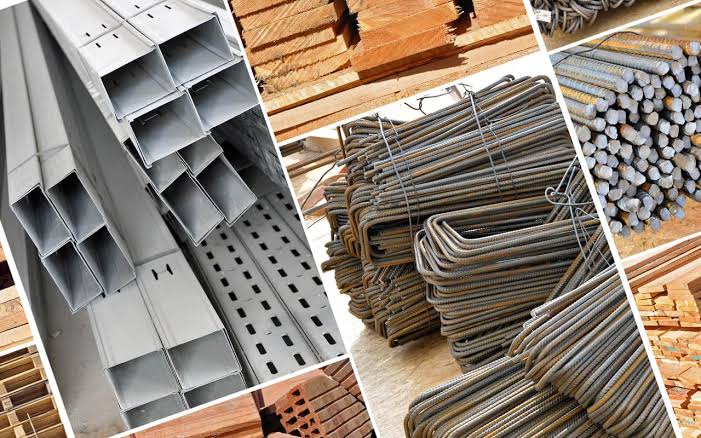
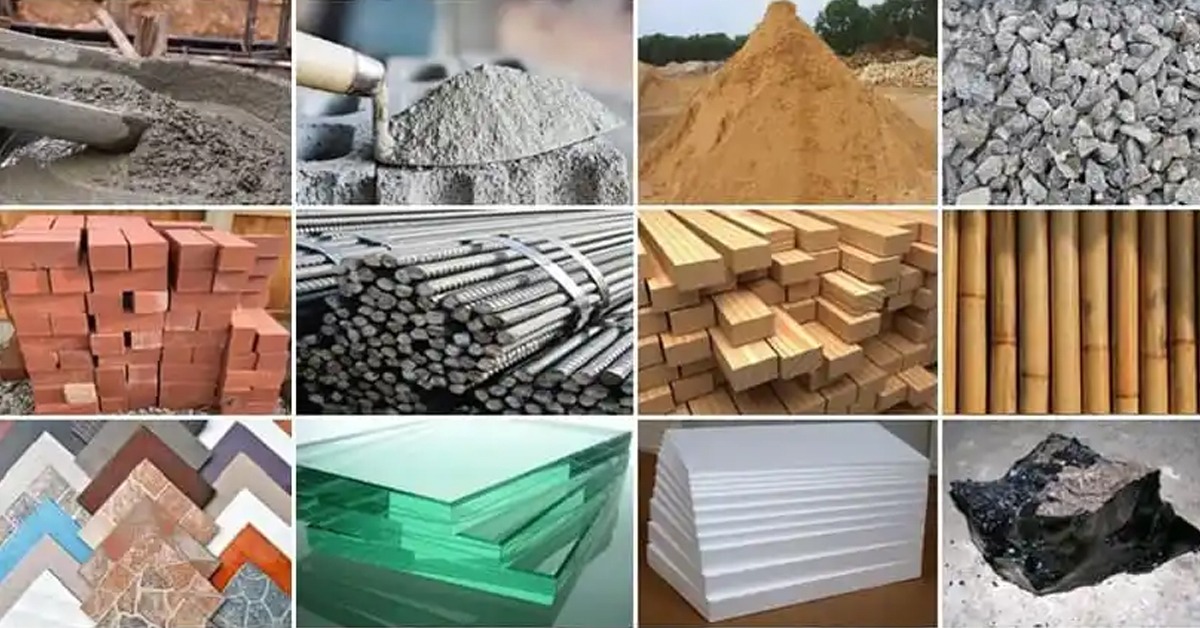
Building suppliers in Kenya provide materials covering structural construction, roofing, plumbing, finishes, fabrication and other stages of building work. Specialist suppliers may focus on particular categories such as steel, polycarbonate, cladding or interior finishing products.
Typical categories include:
| Material Category | Examples |
|---|---|
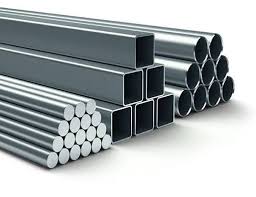
| Structural steel | HR beams, SHS, RHS, CHS |
| Steel products | Flat bars, MS tees, chequered plates |
| Roofing | Roofing sheets, purlins, accessories |
| Transparent roofing | Polycarbonate sheets |
| Wall finishes | Marble boards, WPC panels |
| Exterior cladding | Alucobond/ACP sheets |
| Glazing materials | Perspex/acrylic sheets |
| Drainage | PVC gutters and pipes |
| Hardware | Fixings, fasteners and accessories |
For specialist products, buying from a supplier that understands the application can be more useful than buying solely from a general hardware shop.
How Do You Choose the Best Building Materials Supplier?
Choose a building materials supplier by comparing product quality, specification accuracy, stock availability, price, delivery capability, documentation and after-sales support. The supplier should be able to meet the project's requirements without creating unnecessary procurement or logistics risks.
Use this selection process:
Step 1: Define the material specification
Before contacting suppliers, identify:
- Material type
- Size
- Thickness
- Grade where applicable
- Profile
- Quantity
- Finish
- Application
- Delivery location
For example, asking for "steel" is insufficient for a major structural order.
The quotation should identify whether the requirement is for SHS, RHS, CHS, HR beams or another section.
Step 2: Compare equivalent products
Do not compare a lower-priced product with a higher-priced specification and conclude that one supplier is cheaper.
Compare:
- Same material
- Same dimensions
- Same thickness
- Same grade
- Same finish
- Same quantity
- Same accessories
Step 3: Check delivery
Ask:
- When can the material leave the supplier?
- Is delivery included?
- What transport is being used?
- Can the supplier deliver to the actual site?
- Are there minimum order quantities?
Delivery can be especially important when materials are required to keep a construction crew working.
Why Does Product Quality Matter When Choosing Suppliers?
Product quality affects structural performance, appearance, installation and long-term maintenance. A material that does not meet the required specification can create additional costs even when its initial purchase price is low.
For structural materials, contractors should verify relevant specifications before purchase.
For architectural finishes, check:
- Surface quality
- Dimensions
- Thickness
- Colour consistency
- Pattern consistency
- Protective finish
For roofing materials, consider:
- Sheet profile
- Thickness
- Effective cover
- Coating
- Fixings
- Manufacturer requirements
Quality should therefore be evaluated against the intended application, not simply described as "premium" or "high quality."
How Important Is KEBS Compliance?
Compliance with applicable Kenyan standards helps ensure that construction materials meet recognised requirements for quality, safety and performance. Contractors should request relevant documentation where applicable rather than relying solely on verbal claims from a supplier.
Depending on the product, documentation may include:
- Standards information
- Manufacturer specifications
- Test certificates
- Certificates of conformity
- Product data sheets
- Warranty information
The applicable requirement depends on the material and project.
For institutional and large commercial projects, documentation may be particularly important during procurement and inspection.
Why Is Supplier Stock Availability Important?
A supplier's ability to maintain stock can directly affect construction schedules, especially when materials are required in large quantities or according to a specific specification. Contractors should confirm actual availability rather than assuming that a product shown in a catalogue is immediately ready for delivery.
Ask the supplier:
- Is the product physically in stock?
- How many pieces or sheets are available?
- Is additional stock expected?
- What is the expected replenishment period?
- Can the supplier reserve the required quantity?
This is especially important for products with specific sizes, colours, thicknesses or finishes.
How Does Delivery Affect Building Material Costs?
The real cost of construction materials includes more than the supplier's unit price. Transport, loading, unloading, site access, handling and delivery timing can significantly affect the final procurement cost.
For example, compare:
Supplier A
Material: KSh X
Transport: KSh Y
Total: KSh X + Y
Supplier B
Material: KSh X + a higher unit price
Transport: Included
Total: Potentially lower
The cheaper unit price is therefore not automatically the cheaper procurement option.
Delivery reliability also matters because a delayed delivery can leave labour and equipment idle.
Why Is Nairobi Important for Building Materials Supply?
Nairobi is a major construction-materials distribution and commercial hub, with established supply networks serving projects in the city and other parts of Kenya. Industrial Area is particularly relevant for contractors sourcing structural, roofing and architectural materials.
Nairobi's location also makes it a practical distribution point for materials moving to other counties.
For contractors working outside Nairobi, delivery arrangements should therefore be considered when comparing suppliers.
BHD operates from Industrial Area on Funzi Road and supplies construction, roofing, structural steel and architectural products.
What Should You Ask a Building Materials Supplier Before Ordering?
Before placing an order, confirm the exact specification, quantity, price, stock status, delivery arrangements, payment terms and documentation. Written confirmation reduces misunderstandings between the supplier and project team.
A practical supplier checklist includes:
- What is the exact product specification?
- Is the material currently in stock?
- What is the unit price?
- Is VAT included?
- Is delivery included?
- What is the delivery timeframe?
- What is the minimum order?
- Is there a warranty?
- Are certificates available?
- What payment terms apply?
- What happens if material is damaged during delivery?
How Do You Compare Building Materials Suppliers?
The best supplier comparison considers technical compliance, total cost, delivery reliability and service rather than unit price alone. A simple comparison sheet allows contractors to identify differences between quotations before making a procurement decision.
| Factor | Supplier A | Supplier B | Supplier C |
|---|---|---|---|
| Product specification | |||
| Quantity available | |||
| Unit price | |||
| VAT | |||
| Transport | |||
| Delivery time | |||
| Documentation | |||
| Warranty | |||
| Payment terms | |||
| Total cost |
This approach is particularly useful when purchasing materials for large projects.
Which Building Materials Should You Buy From Specialist Suppliers?
Specialist suppliers are particularly useful for materials where technical specifications, fabrication or installation requirements are important. Examples include structural steel sections, polycarbonate roofing, architectural cladding and specialised wall-finishing products.
Consider specialist sourcing for:
- Structural steel
- Polycarbonate sheets
- Alucobond/ACP
- Perspex
- WPC wall panels
- Marble boards
- Special roofing systems
For example, BHD's steel products catalogue covers structural and fabrication-related products.
What Building Materials Are Important for Structural Work?
Structural construction requires materials that match the engineer's design and specified dimensions, grades and loads. Common steel products include SHS, RHS, CHS, HR beams, flat bars and other structural sections.
BHD's square hollow section SHS range can serve suitable fabrication and structural applications.
Other structural products include:
- RHS
- CHS
- HR beams
- MS flat bars
- MS tees
- Chequered plates
Material selection should follow the project's structural drawings and specifications.
What Building Materials Are Used for Modern Roofing?
Modern roofing projects can use conventional metal roofing, structural steel support systems and transparent materials such as polycarbonate where natural daylight is required. The correct combination depends on the building's design and environmental conditions.
Roofing procurement may include:
- Roofing sheets
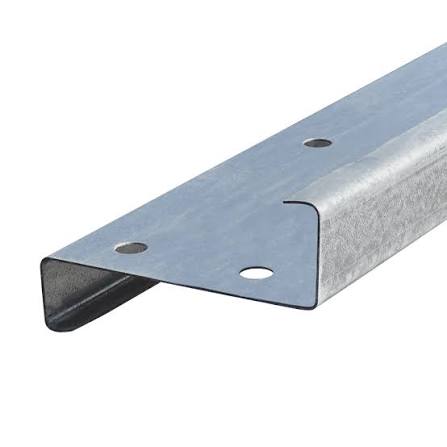
- Zed purlins
- Polycarbonate
- Ridge caps
- Flashings
- Gutters
- Downpipes
- Roofing screws
For structural roof support, Zed purlins can be specified where appropriate to the structural design.
What Building Materials Are Used for Modern Interior Finishes?
Modern interiors increasingly use decorative panel systems alongside conventional finishes such as paint, tiles and gypsum. Marble boards and WPC panels can provide alternative visual finishes for selected walls and feature areas.
Applications include:
- TV walls
- Reception areas
- Office feature walls
- Hotel interiors
- Restaurant interiors
- Retail shops
- Apartment common areas
BHD supplies marble boards and WPC wall panels for suitable interior applications.
How Does Climate Affect Building Material Selection in Kenya?
Kenya's different climate zones require materials to be selected according to local environmental exposure. Coastal humidity and salt exposure, Nairobi's UV and temperature variation, and wind and rainfall conditions in other regions can affect material selection and maintenance.
Coastal Kenya
Projects in Mombasa and other coastal areas should consider:
- Humidity
- Salt exposure
- Corrosion
- Heavy rainfall
- Drainage
Metal products should have appropriate corrosion protection for the intended environment.
Nairobi and Central Kenya
Consider:
- UV exposure
- Temperature variation
- Dust
- Seasonal rainfall
Roofing, exterior finishes and transparent materials should be selected with outdoor exposure in mind.
Rift Valley
Some locations may experience significant wind exposure.
Consider:
- Structural loading
- Secure fixing
- Roof design
- Support spacing
Western Kenya
Projects should pay close attention to:
- Rainfall
- Drainage
- Roof pitch
- Waterproofing
The material itself is only one part of the building system.
How Can You Avoid Buying the Wrong Building Materials?
The best way to avoid incorrect purchases is to work from the approved project specification, drawings and bill of quantities before requesting quotations. Supplier quotations should then be checked against those documents before an order is placed.
Common mistakes include:
- Ordering by product name only
- Ignoring dimensions
- Confusing overall and effective sheet width
- Failing to specify thickness
- Buying incompatible accessories
- Ignoring delivery costs
- Ordering without checking stock
- Selecting materials based only on appearance
- Failing to verify documentation
A written procurement schedule can reduce these problems.
Why Is Supplier Reliability Important for Large Construction Projects?
Large construction projects depend on predictable material supply because delays in critical materials can affect labour, equipment, subcontractors and the overall construction programme. A reliable supplier should be able to communicate stock changes and delivery constraints early.
For example, a delayed structural steel delivery can postpone fabrication and installation.
Similarly, missing roofing accessories can prevent completion even when the main roofing sheets have already arrived.
Supplier reliability therefore involves complete supply, not simply delivery of the main product.
How Can Contractors Reduce Construction Material Procurement Risks?
Contractors can reduce procurement risk by using detailed specifications, approved supplier lists, written quotations, quality checks, delivery inspections and planned ordering schedules. Critical materials should be ordered early enough to accommodate realistic lead times.
A procurement system should include:
- Material specification
- Quantity take-off
- Supplier comparison
- Quotation approval
- Order placement
- Delivery scheduling
- Material inspection
- Storage
- Installation
This creates traceability from the project requirement to the material installed on site.
What Should You Check When Materials Arrive on Site?
Materials should be inspected on delivery to confirm quantity, dimensions, visible condition and conformity with the purchase order. Any damage, shortage or specification discrepancy should be recorded before the materials are accepted.
Check:
- Quantity
- Product type
- Dimensions
- Thickness
- Colour/finish
- Visible damage
- Packaging
- Accessories
- Documentation
For steel, check dimensions and visible condition.
For decorative panels, inspect surfaces and edges.
For roofing sheets, check profiles, lengths and visible damage.
Building Materials Supplier Selection Checklist
A reliable supplier should satisfy technical, commercial and logistical requirements before being approved for a project. Using a checklist makes the process more consistent and easier to document.
Supplier checklist
- Correct product specification
- Appropriate quality documentation
- Reliable stock availability
- Competitive total price
- Clear quotation
- Transparent VAT treatment
- Delivery capability
- Suitable payment terms
- Warranty where applicable
- Technical information
- Clear returns/damage policy
- Reliable communication
Frequently Asked Questions About Building Materials Suppliers in Kenya
The best building materials supplier is not necessarily the one with the lowest advertised price. Contractors should evaluate specification, quality, stock, documentation, delivery and total procurement cost before selecting a supplier.
Who are the best building materials suppliers in Kenya?
The best supplier depends on the materials required, project location and technical specifications. Contractors should compare established suppliers based on quality, availability, documentation, pricing and delivery capability.
How do I find reliable building suppliers in Kenya?
Request quotations from several suppliers and compare equivalent specifications, stock availability, documentation, delivery arrangements and total cost.
What should I look for in a hardware supplier?
Look for accurate product specifications, dependable stock, transparent pricing, quality documentation, delivery capability and responsive customer service.
How do I compare construction material prices?
Compare equivalent products using the same dimensions, thickness, grade, finish, quantity, delivery terms and accessories.
Should I buy all construction materials from one supplier?
Not necessarily. A general supplier may be convenient for several categories, while specialist suppliers can be more appropriate for technical products such as structural steel, cladding and specialised roofing systems.
Why is delivery important when choosing a supplier?
A delayed delivery can interrupt construction activities and increase labour and equipment costs. Reliable delivery should therefore be considered alongside the material price.
What documents should a supplier provide?
Depending on the product and project, documentation may include product data sheets, test certificates, certificates of conformity, warranties and applicable standards information.
Where can I buy building materials in Kenya?
You can explore BHD's construction materials catalogue for products including structural steel, roofing materials, polycarbonate, cladding and interior finishing products.
Conclusion
Choosing the best building materials suppliers in Kenya requires a balance of technical quality, price, availability, delivery and reliability. Contractors should select suppliers based on the complete procurement requirement rather than choosing purely on the lowest unit price.
Before placing an order, confirm:
- Exact material specification
- Quantity
- Price
- Stock
- Applicable standards
- Documentation
- Delivery timeframe
- Transport cost
- Payment terms
- Warranty
- Site requirements
For contractors and developers sourcing structural steel, roofing products and architectural finishes, BHD provides a range of construction materials through its full product catalogue.
Contact Burhani Hardware Dealers (BHD)
Email: burhanihardwaredealers [at] yahoo.com
Call/WhatsApp: +254 731 217 462 | +254 704 606 131
Visit: BHD, Industrial Area, Funzi Road, Nairobi
Website: https://bhd.co.ke/
Delivery Guarantee:
Same-day delivery within Nairobi.
Next-day delivery countrywide to Nakuru, Kisumu, Mombasa, Eldoret, Thika, Meru, Kitengela and Malindi
Frequently asked questions

Written & reviewed by
BHD Kenya
Burhani Hardware Dealers (BHD Kenya) is a Nairobi-based supplier of polycarbonate roofing, Alucobond/ACP cladding, Perspex, WPC wall panels and steel products, serving contractors, fabricators and homeowners across Kenya.