
Facade Retrofitting: 2026 Guide to Modernizing Old Buildings | BHD Kenya
Quick answer
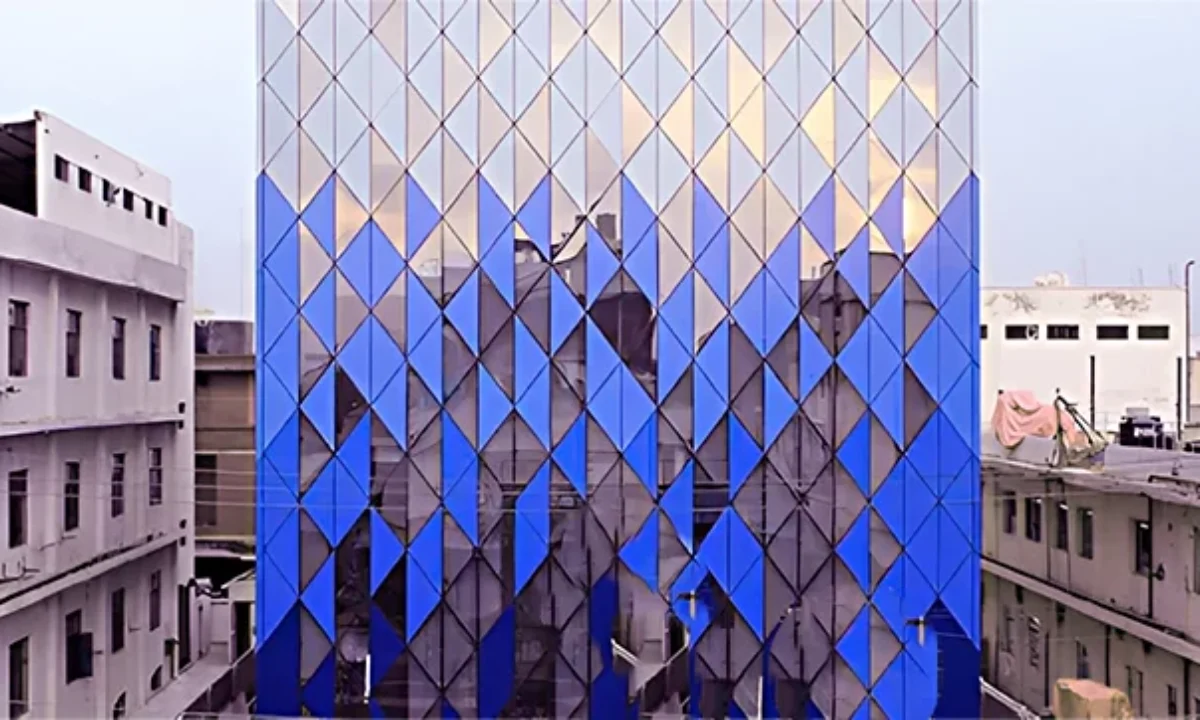
Facade retrofitting upgrades an existing building's exterior, usually with aluminium composite (ACP) or WPC cladding fixed to a support frame over the old wall, instead of demolishing and rebuilding. It modernises appearance, adds a weather barrier and can improve thermal comfort, while the building stays occupied and structural work is kept to a minimum.
Facade Retrofitting: Modernizing Old Nairobi Buildings Without Demolition
Facade retrofitting allows aging Nairobi buildings to achieve modern performance, safety, and aesthetics without the cost, downtime, or regulatory complexity of full demolition. Using advanced cladding systems and structural upgrades, owners can extend building life, increase valuation, and meet current building standards.
Why Facade Retrofitting Is Rising in Nairobi
Most older buildings in Nairobi remain structurally sound but visually outdated, energy-inefficient, and non-compliant with modern safety expectations. Facade retrofitting solves these issues without dismantling the core structure.
Nairobi’s CBD, Upper Hill, Westlands, and Industrial Area contain thousands of buildings constructed between the 1970s and early 2000s. While their concrete frames and foundations remain viable, many suffer from:
-
Dated external finishes
-
Poor thermal performance
-
Water ingress and surface cracking
-
Failing signage and branding
-
Non-compliance with updated building codes
Demolition in Nairobi is expensive, time-consuming, and often restricted by zoning, tenancy, and environmental regulations. Retrofitting the facade offers a faster, lower-risk alternative that delivers immediate visual and functional upgrades.
Developers increasingly choose facade retrofitting to reposition old buildings for modern commercial use, hospitality, retail, and mixed-use redevelopment.
 A practical, contractor-focused guide explaining how facade retrofitting modernizes aging Nairobi buildings without demolition, improving safety, energy performance, compliance, and property value using modern cladding and structural systems
What Is Facade Retrofitting?
Facade retrofitting involves upgrading or replacing a building’s external envelope—cladding, glazing, shading, and finishes—without altering the primary structural frame.
A retrofit may include:
-
Installing aluminium composite cladding (Alucobond)
-
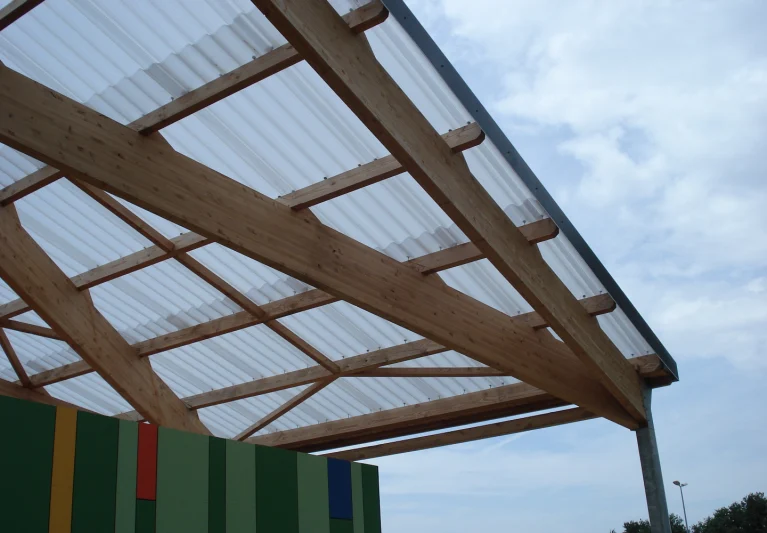
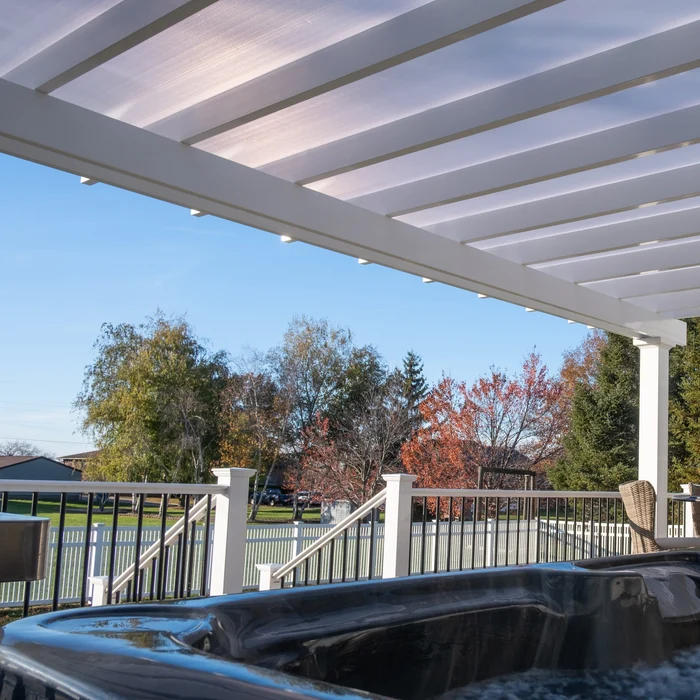
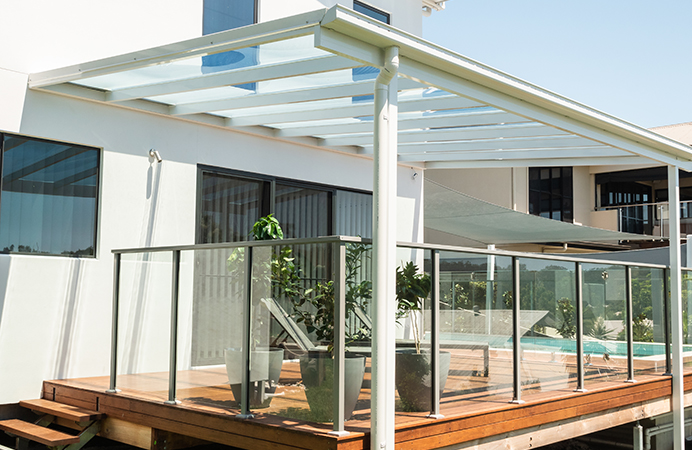
Adding polycarbonate canopies or sun-shading systems
-
Reinforcing structural members supporting new facades
-
Replacing deteriorated finishes with weather-resistant materials
-
Improving drainage, ventilation, and thermal performance
This approach preserves the building’s skeleton while delivering modern aesthetics and performance standards expected in Nairobi’s competitive real estate market.
Structural Safety: Retrofitting Without Compromising Integrity
Successful facade retrofitting strengthens, rather than stresses, existing structures when properly engineered and supported with compliant materials.
Before any retrofit, engineers assess:
-
Load-bearing capacity of existing slabs and columns
-
Wind and thermal loads from new facade materials
-
Fixing points and anchoring methods
Lightweight systems such as aluminium composite panels significantly reduce added load compared to masonry or stone finishes. Supporting steel members such as Zed Purlins and MS Tee sections provide rigid frameworks without overloading older concrete structures.
-
Structural support options:
-
HR Beams for major facade frames
Modern Materials Used in Nairobi Facade Retrofits
Modern facade materials combine durability, lightweight performance, and climate resistance, making them ideal for upgrading older buildings.
Aluminium Composite Panels (Alucobond)
Alucobond panels are the most widely used material for facade retrofitting in Nairobi due to their flatness, durability, and minimal structural load.
Benefits include:
-
UV and weather resistance
-
Clean, modern appearance
-
Compatibility with existing structures
-
Fire-resistant (FR) options for compliance
-
Explore options via the Alucobond Sheets catalog
-
Product details: Alucobond Sheets in Kenya
Polycarbonate Sheets
Polycarbonate sheets are commonly used for canopies, skylights, and sun shading in retrofit projects.
They improve daylighting while reducing heat buildup:
Perspex and Decorative Panels
Used selectively for signage, feature walls, and branding:
Climate Performance in Nairobi Conditions
Facade retrofitting must account for Nairobi’s high UV exposure, temperature variation, and seasonal rainfall to ensure long-term performance.
Key considerations:
-
Thermal expansion management
-
UV-stable finishes
-
Water drainage and sealing
-
Wind resistance at higher elevations
Aluminium composite systems outperform painted masonry and plaster, which often crack and fade within a few years. Properly installed facades maintain appearance and performance for over a decade.
Energy Efficiency and Operational Savings
Modern facades reduce heat gain, improve ventilation, and lower cooling costs in retrofitted buildings.
Benefits include:
-
Reduced internal temperatures
-
Lower air-conditioning load
-
Improved occupant comfort
-
Enhanced energy ratings
Buildings retrofitted with ventilated cladding systems consistently show reduced operational costs, a key advantage for offices, hotels, and retail developments.
Fire Safety and Regulatory Compliance
Facade retrofitting is an opportunity to bring older buildings into compliance with Kenya’s National Building Code 2024 and KEBS standards.
Upgrades often include:
-
Fire-resistant (FR) cladding materials
-
Improved escape route visibility
-
Non-combustible support structures
Older buildings that fail modern fire safety audits risk occupancy restrictions. Retrofitting ensures compliance without structural demolition.
Learn more about compliant material sourcing from:
Cost vs Value: Retrofitting Compared to Demolition
Facade retrofitting costs 40–60% less than full demolition and reconstruction while delivering comparable market repositioning benefits.
| Approach | Cost | Downtime | Regulatory Risk | ROI |
|---|---|---|---|---|
| Demolition & Rebuild | Very High | Long | High | Long-term |
| Facade Retrofitting | Moderate | Short | Low | Immediate |
Owners benefit from:
-
Minimal tenant disruption
-
Faster approvals
-
Rapid valuation uplift
Real-World Applications in Nairobi
Facade retrofitting is commonly used to reposition buildings for higher-value uses.
Examples include:
-
Old office blocks converted to Grade B+ commercial space
-
Industrial buildings transformed into showrooms
-
Hotels upgraded to meet modern branding standards
-
Retail buildings refreshed for tenant attraction
These upgrades often increase rental yields within the first year post-retrofit.
Why Contractors Choose BHD for Facade Retrofitting Materials
BHD supplies reliable, compliant facade materials with predictable logistics for live retrofit sites.
Advantages include:
-
Consistent stock availability
-
KEBS-aligned materials
-
Nationwide delivery reliability
-
Explore full ranges via the BHD product catalog
-
Visit the BHD Kenya homepage
Conclusion: The Smart Path to Urban Renewal
Facade retrofitting is the most efficient way to modernize Nairobi’s aging buildings, delivering safety, performance, and aesthetic upgrades without demolition risk.
For property owners and developers, retrofitting offers:
-
Faster project timelines
-
Lower capital exposure
-
Compliance with modern standards
-
Improved building valuation
Modern materials, proper engineering, and reliable supply partners make facade retrofitting a strategic investment rather than a cosmetic upgrade.
Frequently asked questions

Written & reviewed by
BHD Kenya
Burhani Hardware Dealers (BHD Kenya) is a Nairobi-based supplier of polycarbonate roofing, Alucobond/ACP cladding, Perspex, WPC wall panels and steel products, serving contractors, fabricators and homeowners across Kenya.